I needed a professional consultation explanation of procedure for safe removal of Asbestos in my apartment complex. Without having an account yet, I was very impressed with the caring, knowledgeable and generous advice offered by Jessica, and will look forward to doing business in the future. Thank you so much! I feel much more informed about a sometimes scary endeavor. Peace. Nancy Silva Mineola, NY.
Mia Munoz
Used this company to clean up some water flood in my house. They were fast and easy to work with.very professional, Would recommend to anyone!
Nini Valle
Great company, had a flood and they responded quickly and efficiently. Billed my insurance company directly. I highly recommend this company!
joe colapietro, jr
I had pipe freeze in my basement right before a snow storm and they made to within an hour to help start the clean up process. They we by our side throughout the entire process and even helped with the insurance company. They did such a great job with the cleanup, repair, remidiation, I contracted them to perform the repairs and finishes in the basement. They came with enough manpower and material to get the job done. Leo and Jessica were nothing but a pleasure to deal with!!
Cristian Arredondo c
I had some water damage in my home and Green Island was able to take care of my issue quickly and effectively. I am very pleased with the work they did. They responded quickly and were very professional.
Michael M
Outstanding service! From the office to the field crew everyone was friendly, helpful and responsive. I highly recommend Green Island Group.
Your water damage nightmare ends here. No more standing water threatening your foundation. No more sleepless nights wondering if mold is growing behind your walls. No more insurance headaches or surprise repair bills.
When we finish, you get a completely dry, safe property that’s ready for life again. Your basement becomes usable space, not a constant worry. Your hardwood floors are saved, not replaced. Your family breathes clean air in a healthy environment.
The difference? We don’t just remove water—we eliminate every trace of moisture that could cause problems later. You get real restoration, not a quick fix that falls apart in six months.
We’ve been handling water emergencies across Suffolk County long enough to know what works and what doesn’t. When your neighbor’s basement flooded last spring, we were there. When that office building on Route 347 had the pipe burst, we handled it.
Green Island Group understands South Hauppauge’s unique challenges. The aging infrastructure in older neighborhoods. The way heavy rains overwhelm storm drains near the industrial areas. The basement flooding issues that come with Long Island’s water table.
We’re not some national franchise reading from a script. We’re local professionals who know exactly what you’re dealing with because we’ve seen it hundreds of times before.
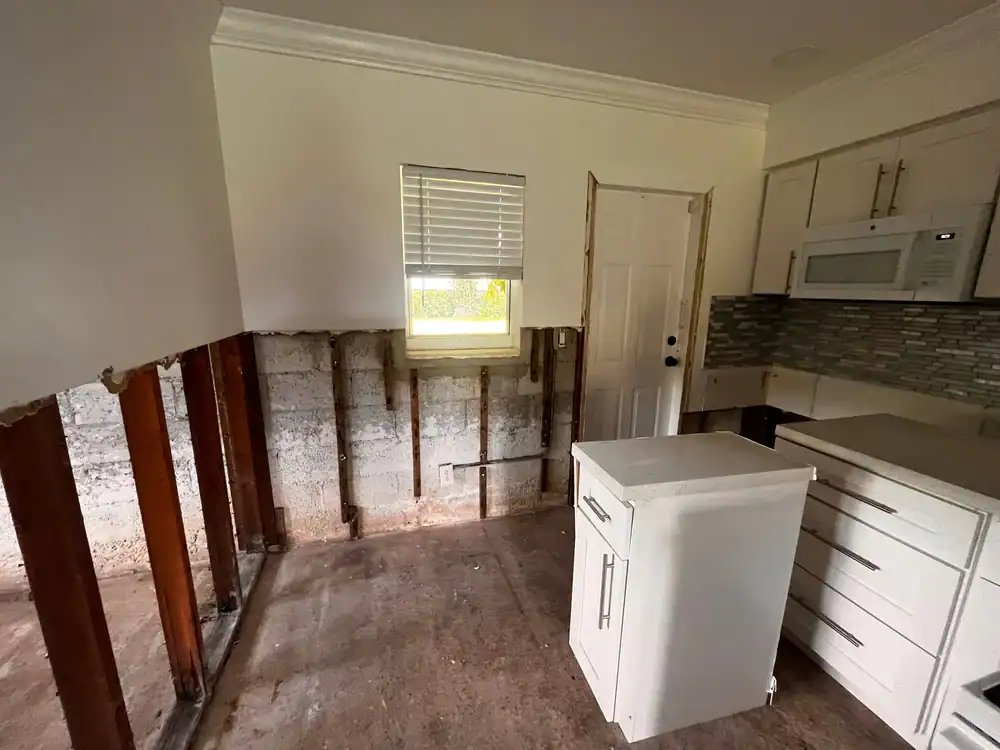
First, we assess the full scope of damage—not just what you can see, but what’s hiding behind walls and under floors. We use moisture meters and thermal imaging to find every wet spot that could cause problems later.
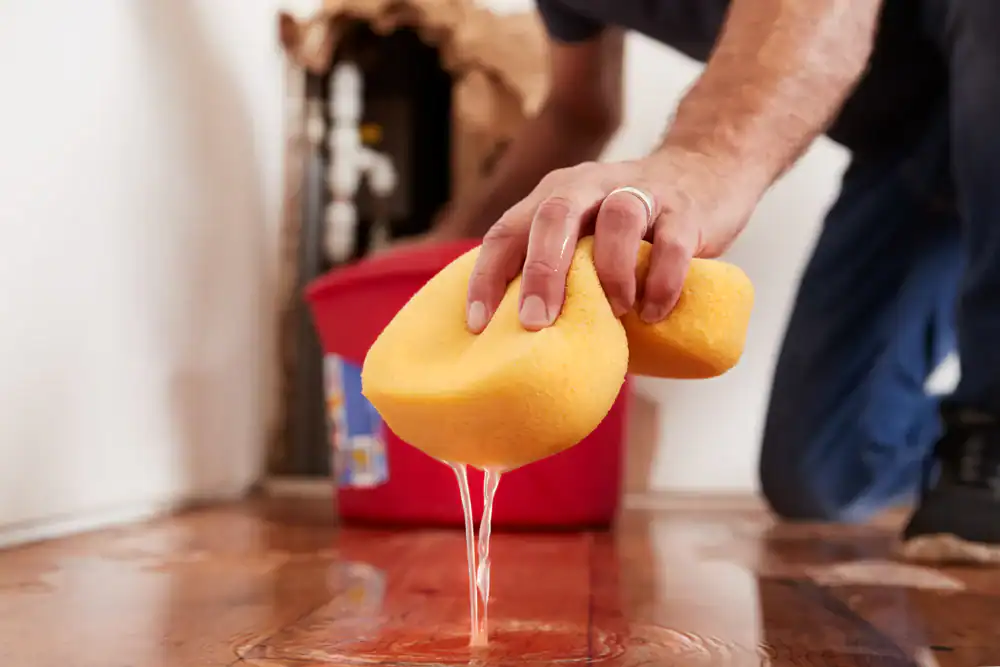
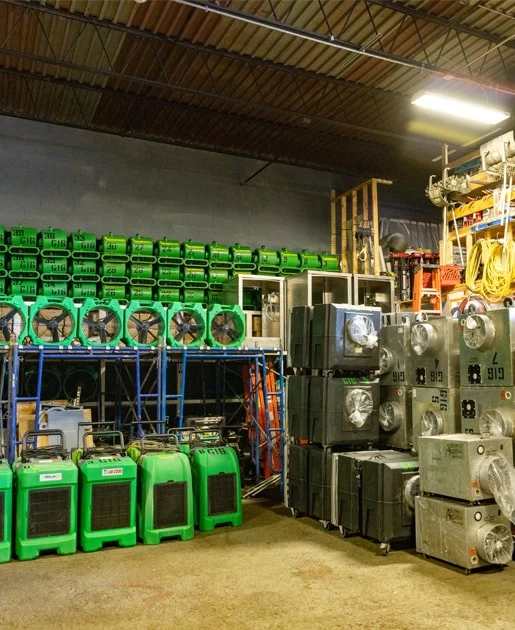
Then we extract all standing water using industrial-grade pumps and vacuums. This isn’t your shop-vac from Home Depot. We’re talking about equipment that can remove thousands of gallons per hour.
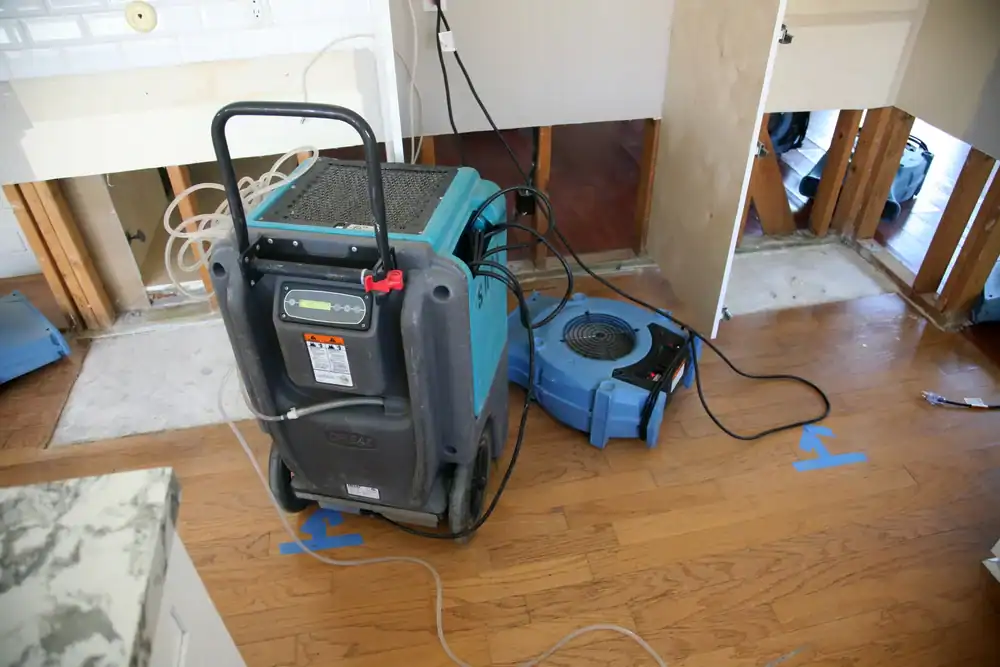
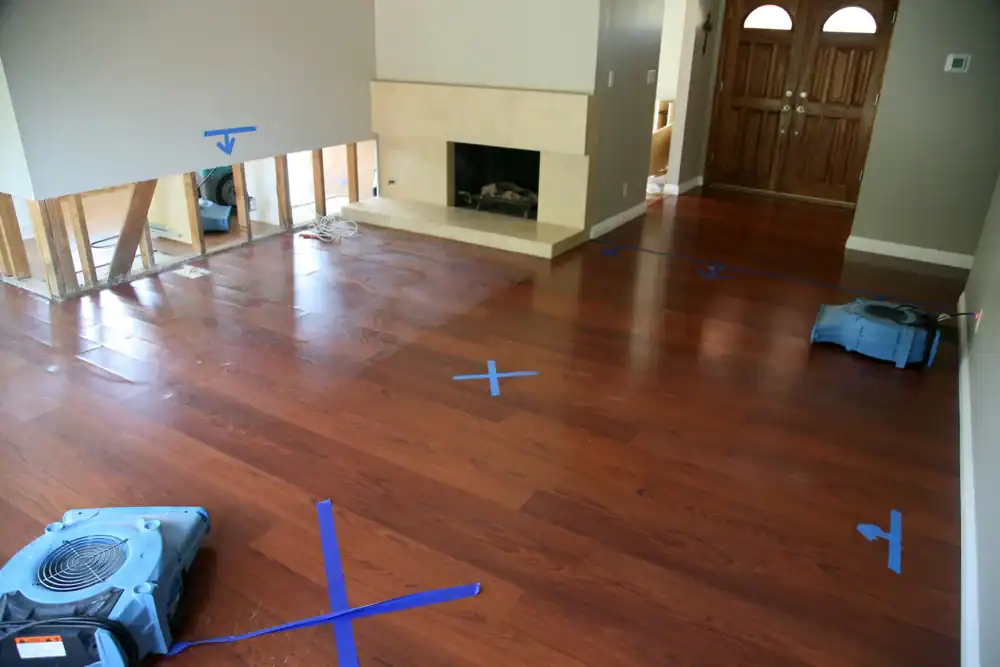
Next comes the critical drying phase. We set up professional air movers and dehumidifiers to pull moisture from materials like drywall, insulation, and subflooring. This process typically takes 3-5 days, depending on how much water we’re dealing with.
Finally, we restore damaged areas back to their original condition. Replace what can’t be saved, repair what can be fixed, and make sure everything meets safety standards before we consider the job complete.
You get complete water removal, structural drying, and restoration services. We handle contaminated water cleanup, including sewage backups that require specialized safety protocols. Our team manages mold prevention treatments and air quality testing to ensure your space is truly safe.
South Hauppauge properties face specific risks. The older homes near Bretton Woods often have foundation issues that make basement flooding worse. Commercial buildings in the Route 111 corridor deal with storm drain backups during heavy rains. We know these local patterns and plan accordingly.
We also coordinate directly with your insurance company. No surprise bills, no fighting over coverage. We document everything properly, provide detailed estimates, and handle the paperwork so you can focus on getting back to normal instead of battling bureaucracy.
How quickly can you respond to water damage emergencies in South Hauppauge?
We’re available 24/7 and typically arrive within an hour of your call. Water damage gets exponentially worse with time—what starts as a manageable cleanup can become a major reconstruction project if you wait even a few hours.
Every minute counts when water is spreading through your property. Within the first 24 hours, porous materials like drywall and insulation start absorbing water deep into their structure. After 48 hours, mold spores begin germinating. By day three, you’re looking at potential structural damage and serious health hazards.
That’s why we maintain emergency response crews ready to deploy immediately. When you call, you’re not getting an answering service or a callback tomorrow morning. You’re getting real people with real equipment heading to your property right now.
Will my homeowner's insurance cover water damage repair costs?
Most homeowner’s insurance policies cover sudden and accidental water damage like burst pipes, water heater failures, or appliance malfunctions. However, gradual leaks or flood damage from external sources typically aren’t covered without separate flood insurance.
We work directly with insurance companies every day and know exactly how to document damage for maximum coverage. We take detailed photos, provide comprehensive moisture readings, and create thorough repair estimates using industry-standard software that adjusters recognize and trust.
The key is acting fast and documenting everything properly from the start. Insurance companies look more favorably on claims where immediate professional action was taken to minimize damage. We handle all the paperwork and communication with your adjuster, so you don’t have to become an insurance expert overnight.
How do you prevent mold growth during water damage restoration?
Mold prevention starts within the first 24-48 hours after water damage occurs. We use professional-grade dehumidifiers and air movers to reduce humidity levels below 50%, which prevents mold spores from germinating and spreading.
Our team monitors moisture levels in all affected materials using calibrated meters throughout the drying process. We don’t just dry surfaces—we ensure moisture is completely eliminated from inside wall cavities, subflooring, and insulation. Any materials that can’t be thoroughly dried get removed and replaced.
We also apply antimicrobial treatments to affected surfaces as an additional safeguard. If we discover existing mold growth during our assessment, we follow strict containment protocols to prevent cross-contamination and handle removal according to New York State guidelines for safe remediation.
What's the difference between water damage categories and why does it matter?
Water damage falls into three categories based on contamination level, and this directly affects cleanup procedures and safety requirements. Category 1 is clean water from sources like broken supply lines or overflowing sinks—relatively safe to handle with standard precautions.
Category 2 is gray water containing some contaminants, like washing machine overflows or toilet bowl water without feces. This requires more careful handling and specialized cleaning procedures to ensure surfaces are properly sanitized.
Category 3 is black water—highly contaminated water from sewage backups, flooding from rivers or streams, or water that’s been sitting stagnant for days. This requires full hazmat protocols, complete removal of porous materials, and extensive decontamination procedures. We’re certified to handle all three categories safely and effectively.
How long does the water damage restoration process typically take?
Minor water damage from a small leak typically takes 3-5 days for complete drying and restoration. Major flooding or sewage backups can take 1-2 weeks for the drying phase alone, plus additional time for reconstruction depending on how much material needs replacement.
The drying process can’t be rushed—materials need time to release moisture completely, or you’ll end up with mold problems later. We monitor progress daily with moisture meters and don’t move to the restoration phase until everything reads completely dry.
Reconstruction timeline depends on the extent of damage. Replacing drywall and flooring might add another week. If we’re rebuilding entire rooms or dealing with structural issues, you’re looking at several weeks. We provide realistic timelines upfront and keep you updated throughout the process so there are no surprises.
Can I stay in my home during water damage restoration?
It depends on the extent and type of damage. Minor water damage confined to one area usually allows you to remain in unaffected parts of your home. However, major flooding, sewage backups, or situations requiring extensive equipment operation may require temporary relocation.
Safety is our primary concern. If there are electrical hazards, structural concerns, or air quality issues from mold or contamination, we’ll recommend alternative accommodations until the property is safe. Many insurance policies include coverage for additional living expenses during restoration.
We set up our equipment to minimize disruption when possible, but industrial dehumidifiers and air movers run 24/7 and can be quite loud. We’ll walk you through what to expect and help you make the best decision for your family’s safety and comfort during the restoration process.