I needed a professional consultation explanation of procedure for safe removal of Asbestos in my apartment complex. Without having an account yet, I was very impressed with the caring, knowledgeable and generous advice offered by Jessica, and will look forward to doing business in the future. Thank you so much! I feel much more informed about a sometimes scary endeavor. Peace. Nancy Silva Mineola, NY.
Mia Munoz
Used this company to clean up some water flood in my house. They were fast and easy to work with.very professional, Would recommend to anyone!
Nini Valle
Great company, had a flood and they responded quickly and efficiently. Billed my insurance company directly. I highly recommend this company!
joe colapietro, jr
I had pipe freeze in my basement right before a snow storm and they made to within an hour to help start the clean up process. They we by our side throughout the entire process and even helped with the insurance company. They did such a great job with the cleanup, repair, remidiation, I contracted them to perform the repairs and finishes in the basement. They came with enough manpower and material to get the job done. Leo and Jessica were nothing but a pleasure to deal with!!
Cristian Arredondo c
I had some water damage in my home and Green Island was able to take care of my issue quickly and effectively. I am very pleased with the work they did. They responded quickly and were very professional.
Michael M
Outstanding service! From the office to the field crew everyone was friendly, helpful and responsive. I highly recommend Green Island Group.
Your floors are dry. Your walls are sound. The musty smell is gone.
You’re not wondering if mold is growing behind your walls or if that dampness will turn into a bigger problem down the road. Everything that could be saved has been saved. Everything that needed replacing has been replaced with materials that’ll last.
Most importantly, you can sleep at night knowing your home is actually dry – not just surface-dry, but truly moisture-free from the inside out.
We’ve been handling flood restoration in West Islip and throughout Suffolk County long enough to know exactly what coastal properties face. When that record-breaking 13.57 inches of rain hit Islip in 2014, we were there. When Hurricane Sandy flooded basements across Long Island, we were there too.
Living and working in this area means we understand how quickly water can turn from a minor leak into a major headache. We know which neighborhoods flood first during heavy rains. We know how salt air affects drying times. We know what works here and what doesn’t.
That local knowledge makes the difference between a quick, thorough restoration and months of ongoing problems.
First, we assess everything. Not just the obvious damage, but the hidden moisture that causes problems later. We use moisture meters and thermal imaging to find water you can’t see.
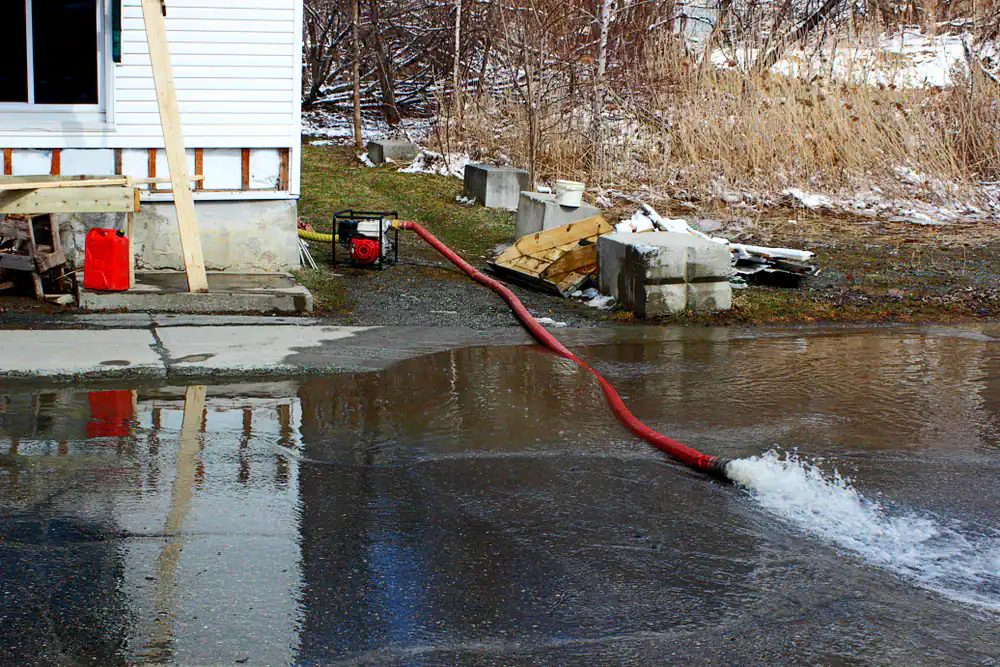
Then we extract the water – all of it. Standing water comes out with powerful pumps. Hidden moisture gets pulled out with industrial dehumidifiers and air movers positioned strategically throughout your space.
Finally, we restore what can be saved and rebuild what can’t. Hardwood floors might need refinishing or replacement. Drywall might need cutting and replacing. Insulation almost always needs replacing after a flood. We handle it all, working with your insurance company to make sure everything’s covered properly.
Water extraction happens immediately – we’re talking pumps that move thousands of gallons per hour, not shop vacuums. Structural drying comes next, with commercial-grade dehumidifiers and air movers that actually pull moisture out of building materials, not just the air.
Content cleaning and restoration saves what can be saved. Furniture, documents, electronics – we evaluate everything and restore what’s possible. Reconstruction handles what can’t be saved, from flooring to drywall to insulation.
Here in West Islip, we deal with everything from burst pipes in winter to storm surge from hurricanes. Basement floods are common when the water table rises during heavy rains. Appliance failures happen at the worst times. Whatever caused your flood, we handle the entire restoration process from start to finish.
How quickly can you respond to flood damage in West Islip?
We respond to flood emergencies in West Islip within hours, not days. Time matters more with water damage than almost any other type of property damage because every hour water sits increases the damage exponentially.
Within the first 24 hours, water starts wicking up walls and soaking into subfloors. Within 48 hours, mold can start growing. Within a week, you’re looking at structural damage that costs significantly more to repair. That’s why we maintain emergency response equipment and crews ready to mobilize immediately when you call.
Will my insurance cover flood restoration and water damage cleanup?
Most homeowner’s insurance policies cover sudden water damage from things like burst pipes, appliance failures, or roof leaks during storms. They typically don’t cover flood damage from rising water or storm surge – that requires separate flood insurance through FEMA.
We work directly with insurance companies and handle the paperwork to make the claims process as smooth as possible. We document everything with photos and detailed reports. We can often bill your insurance company directly so you don’t have to pay upfront and wait for reimbursement. Our goal is to remove the financial stress so you can focus on getting your life back to normal.
How do you prevent mold growth after water damage?
Mold prevention starts with complete moisture removal, not just surface drying. We use moisture meters to measure water content in walls, floors, and other building materials. If the moisture level isn’t below 15%, mold can still grow even if everything looks dry.
Our industrial dehumidifiers and air movers create the airflow and humidity conditions that actually pull moisture out of materials. We monitor moisture levels throughout the drying process and don’t consider the job complete until everything tests dry. We also apply antimicrobial treatments to affected areas as an extra precaution against mold growth.
What's the difference between water damage and flood damage restoration?
Water damage typically refers to clean water from sources like burst pipes, leaking appliances, or roof leaks. This water is generally safe to handle and the restoration process focuses on drying and repairing.
Flood damage involves water that’s been contaminated – either from storm water that’s picked up debris and contaminants, or from sewage backups. This requires additional safety precautions, specialized cleaning procedures, and often more extensive reconstruction because contaminated materials can’t always be safely restored. The equipment, techniques, and safety protocols are different for each type of water damage.
How long does flood restoration take in a typical home?
The drying process typically takes 3-5 days for most residential flood situations, but the complete restoration can take anywhere from one week to several months depending on the extent of the damage.
A basement flood with minimal structural damage might be complete in a week. A whole-house flood that requires replacing flooring, drywall, and major reconstruction could take 2-3 months. The key factors are how much water, how long it sat, what materials were affected, and whether there’s structural damage. We provide a realistic timeline upfront and keep you updated if anything changes during the restoration process.
Can you save hardwood floors after flood damage?
Sometimes, but it depends on several factors: how long the water sat, what type of water it was, and what kind of wood flooring you have. Solid hardwood floors have a better chance of being saved than engineered wood or laminate.
If we can start the drying process within 24-48 hours, and it’s clean water, solid hardwood can often be saved by professional drying and refinishing. However, if contaminated water sat for days, or if the wood has cupped, warped, or started separating, replacement is usually the better option. We evaluate each situation individually and give you honest recommendations about what can be restored versus what needs replacing.