I needed a professional consultation explanation of procedure for safe removal of Asbestos in my apartment complex. Without having an account yet, I was very impressed with the caring, knowledgeable and generous advice offered by Jessica, and will look forward to doing business in the future. Thank you so much! I feel much more informed about a sometimes scary endeavor. Peace. Nancy Silva Mineola, NY.
Mia Munoz
Used this company to clean up some water flood in my house. They were fast and easy to work with.very professional, Would recommend to anyone!
Nini Valle
Great company, had a flood and they responded quickly and efficiently. Billed my insurance company directly. I highly recommend this company!
joe colapietro, jr
I had pipe freeze in my basement right before a snow storm and they made to within an hour to help start the clean up process. They we by our side throughout the entire process and even helped with the insurance company. They did such a great job with the cleanup, repair, remidiation, I contracted them to perform the repairs and finishes in the basement. They came with enough manpower and material to get the job done. Leo and Jessica were nothing but a pleasure to deal with!!
Cristian Arredondo c
I had some water damage in my home and Green Island was able to take care of my issue quickly and effectively. I am very pleased with the work they did. They responded quickly and were very professional.
Michael M
Outstanding service! From the office to the field crew everyone was friendly, helpful and responsive. I highly recommend Green Island Group.
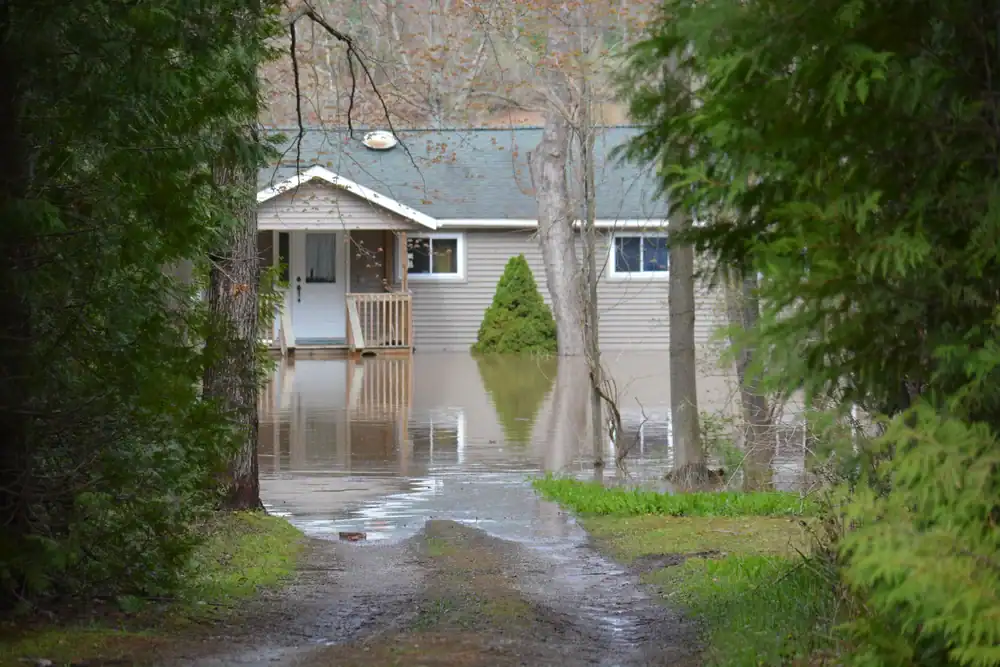
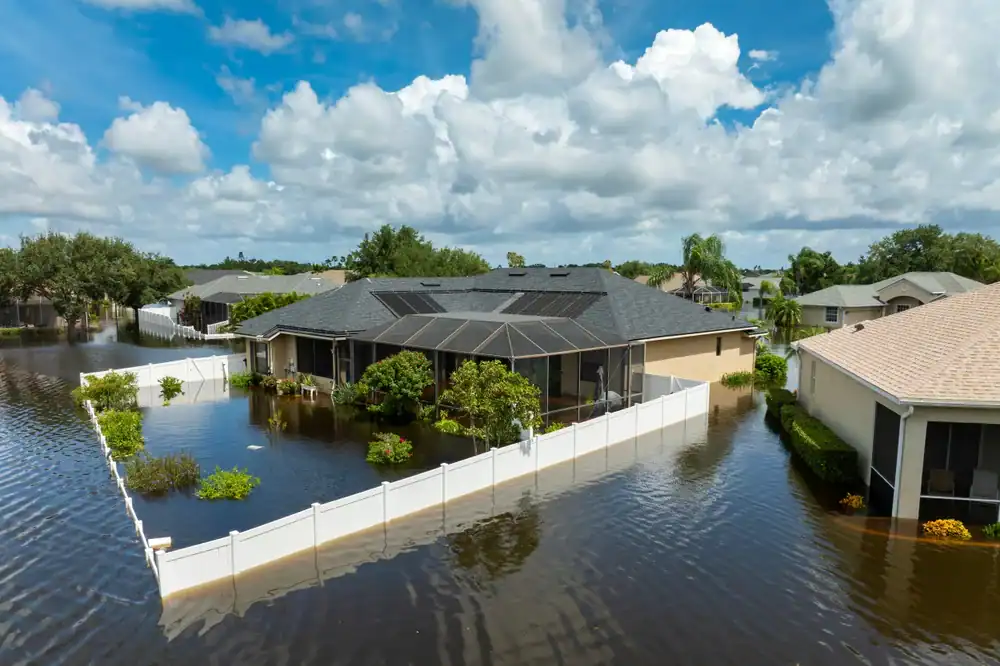
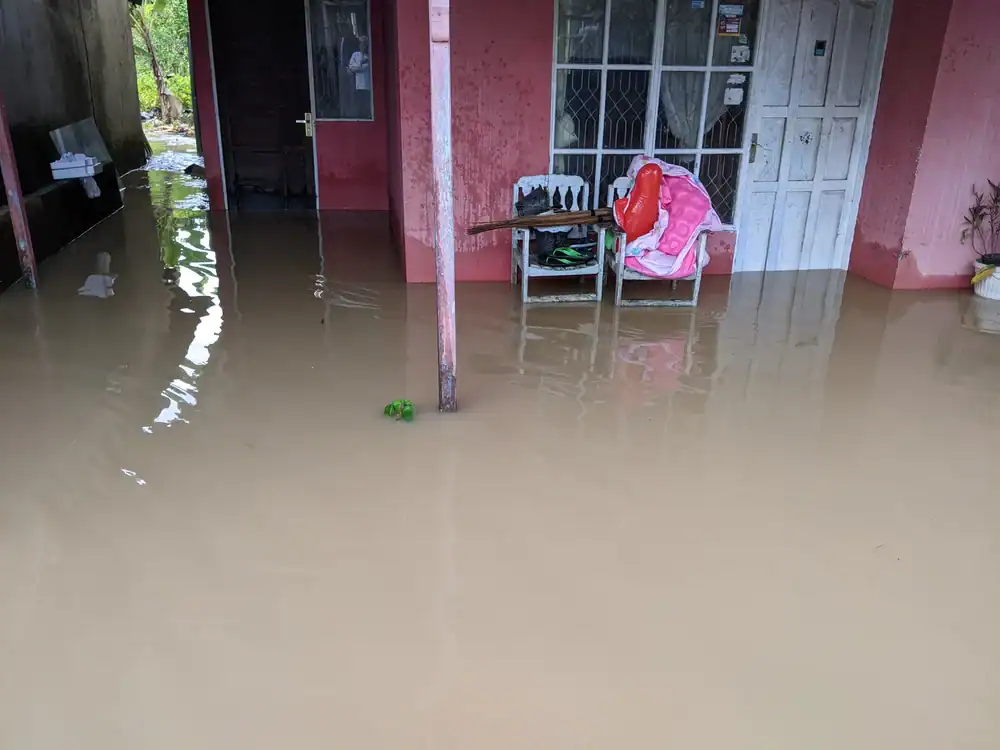
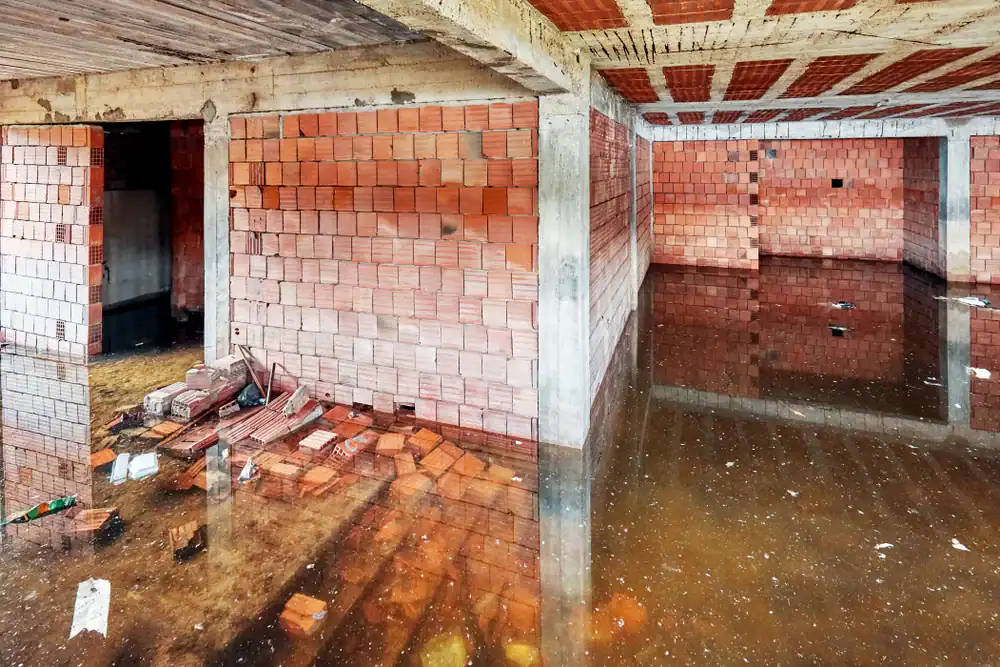
When flood water invades your home, every hour matters. You’re not just dealing with standing water—you’re racing against mold growth, structural damage, and mounting repair costs that can spiral into the tens of thousands.
Our flood restoration process eliminates every drop of water and hidden moisture that threatens your property. Within 24-48 hours, untreated water damage becomes a breeding ground for mold and bacteria that can compromise your family’s health and your home’s structural integrity.
You get complete water extraction, professional-grade drying, and thorough sanitization that prevents long-term damage. Your insurance handles the costs while we handle the crisis, restoring your property to its original condition—or better.
We have been restoring flood-damaged properties throughout Queens for years, and we understand exactly what Kew Gardens Hills homeowners face during water emergencies. This area’s unique geography and aging infrastructure create specific flooding challenges that require local expertise.
We’ve seen it all—from burst pipes during winter freezes to storm surge flooding that affects entire neighborhoods. Our team knows which basements flood first during heavy rains, which streets have drainage issues, and how quickly water can spread through the area’s connected housing structures.
When you call us, you’re getting technicians who’ve worked in your neighborhood before and understand the urgency of Queens flooding situations. We respond fast because we know that in Kew Gardens Hills, water damage doesn’t wait.
First, we assess the full scope of damage using moisture detection equipment that reveals hidden water in walls, under floors, and behind fixtures. This isn’t guesswork—we create a complete damage map that guides our restoration strategy.
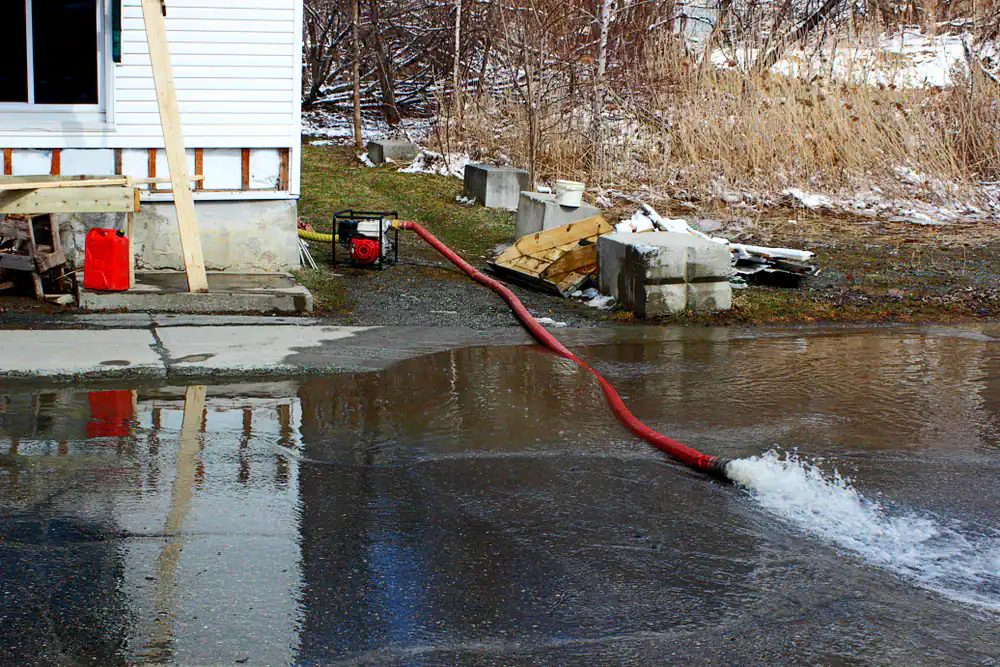
Next comes immediate water extraction using industrial-grade pumps and vacuums designed for rapid removal. We don’t just remove standing water; we extract moisture from carpets, padding, and building materials that can harbor mold and bacteria.
Finally, we deploy professional drying equipment including dehumidifiers and air movers that eliminate moisture from every affected surface. This process typically takes 3-5 days, during which we monitor moisture levels continuously to ensure complete drying. Once moisture levels return to normal, we begin repairs and restoration to bring your property back to pre-flood condition.
Flood restoration in Kew Gardens Hills requires understanding the specific risks this Queens neighborhood faces. Properties here are vulnerable to both storm-related flooding and infrastructure failures that can affect multiple homes simultaneously.
Our service includes immediate water extraction, but that’s just the beginning. We address contamination issues common in ground-level flooding, where sewage and chemicals can mix with flood water. This means specialized sanitization procedures that go far beyond basic cleanup.
You also get comprehensive moisture elimination that prevents the mold growth that typically appears within 24-48 hours of flooding. In Kew Gardens Hills’ humid climate, this step is crucial for preventing long-term health risks and structural damage that can reduce your property value by thousands of dollars.
How quickly can you respond to flood emergencies in Kew Gardens Hills?
We typically arrive within one hour of your call, often faster during peak flooding situations. Our rapid response is critical because flood damage accelerates quickly—what starts as standing water can become structural damage and mold growth within 24-48 hours.
Our local Queens location means we’re familiar with Kew Gardens Hills’ street layout and can navigate even during storm conditions when some roads may be impassable. We maintain emergency equipment specifically for flood situations, including portable pumps that can begin water extraction immediately upon arrival.
Time matters in flood restoration, and our quick response often means the difference between minor repairs and major reconstruction projects that can cost tens of thousands of dollars.
Will my homeowner's insurance cover flood restoration services?
Most homeowner’s insurance policies cover sudden and accidental water damage, including burst pipes, appliance failures, and storm damage that enters through damaged roofs or windows. We work directly with insurance companies and can bill them directly in many cases.
However, coverage varies significantly depending on the flood source. Standard homeowner’s policies typically don’t cover ground flooding from storms or sewer backups—these require separate flood insurance or sewer backup coverage. We review your policy during our initial assessment and help you understand exactly what’s covered.
Our experience with insurance claims means we document everything properly from the start, photograph all damage, and provide the detailed reports insurance companies need for quick claim processing. This approach helps ensure you receive maximum coverage for your restoration costs.
What's the difference between water damage and flood damage restoration?
Water damage typically involves clean water from sources like burst pipes, leaking appliances, or roof leaks. This water is generally free from sewage and chemical contamination, making cleanup more straightforward.
Flood damage often involves contaminated water that has contacted sewage systems, chemicals, or outdoor pollutants. This requires specialized sanitization procedures, protective equipment for our technicians, and often the removal and replacement of porous materials like drywall and insulation that can’t be safely cleaned.
The restoration process for flood damage is more extensive and includes antimicrobial treatments, air scrubbing, and sometimes complete reconstruction of affected areas. Both situations require immediate professional attention, but flood damage demands more comprehensive safety protocols to protect your family’s health.
How do you prevent mold growth during flood restoration?
Mold prevention starts with immediate moisture removal and continues throughout the entire drying process. We use industrial-grade dehumidifiers and air movers to reduce humidity levels below 60%, which prevents mold spores from multiplying.
Our moisture detection equipment identifies hidden water in wall cavities, under flooring, and in other areas where mold typically starts growing. We don’t consider the job complete until moisture levels in all affected materials return to normal—this process typically takes 3-5 days with continuous monitoring.
When necessary, we apply antimicrobial treatments to surfaces that may have been exposed to contaminated water. If we discover existing mold growth during the restoration process, we address it immediately using proper containment and removal procedures to prevent spread throughout your home.
What should I do immediately after discovering flood damage?
First, ensure your safety by turning off electricity to affected areas if you can do so safely from a dry location. Don’t enter standing water if electrical outlets or appliances might be submerged—this creates serious electrocution risks.
Call us immediately at 631-256-5711, even before calling your insurance company. The first few hours are critical for minimizing damage, and we can begin water extraction while you handle insurance notifications. Take photos of the damage for insurance purposes, but don’t attempt cleanup yourself.
Move valuable items to dry areas if you can do so safely, but avoid walking through contaminated flood water. Remove wet rugs and furniture legs from standing water when possible, but leave major cleanup to professionals who have proper equipment and safety training.
How long does complete flood restoration typically take?
Most flood restoration projects in Kew Gardens Hills take 5-10 days from start to finish, but timeline depends on the extent of damage and materials affected. Water extraction and initial cleanup typically happen within the first 24 hours.
The drying process usually requires 3-5 days of continuous equipment operation, during which we monitor moisture levels daily. Once everything is completely dry, reconstruction begins—this might involve replacing drywall, flooring, or other damaged materials.
Larger projects involving structural repairs or extensive contamination can take 2-3 weeks. We provide regular updates throughout the process and work with your insurance company to expedite approvals for necessary repairs. Our goal is complete restoration as quickly as possible while ensuring all work meets safety and quality standards.