I needed a professional consultation explanation of procedure for safe removal of Asbestos in my apartment complex. Without having an account yet, I was very impressed with the caring, knowledgeable and generous advice offered by Jessica, and will look forward to doing business in the future. Thank you so much! I feel much more informed about a sometimes scary endeavor. Peace. Nancy Silva Mineola, NY.
Mia Munoz
Used this company to clean up some water flood in my house. They were fast and easy to work with.very professional, Would recommend to anyone!
Nini Valle
Great company, had a flood and they responded quickly and efficiently. Billed my insurance company directly. I highly recommend this company!
joe colapietro, jr
I had pipe freeze in my basement right before a snow storm and they made to within an hour to help start the clean up process. They we by our side throughout the entire process and even helped with the insurance company. They did such a great job with the cleanup, repair, remidiation, I contracted them to perform the repairs and finishes in the basement. They came with enough manpower and material to get the job done. Leo and Jessica were nothing but a pleasure to deal with!!
Cristian Arredondo c
I had some water damage in my home and Green Island was able to take care of my issue quickly and effectively. I am very pleased with the work they did. They responded quickly and were very professional.
Michael M
Outstanding service! From the office to the field crew everyone was friendly, helpful and responsive. I highly recommend Green Island Group.
When flood water invades your property, you’re not just dealing with soggy carpets and wet walls. You’re facing potential mold growth, structural damage, and weeks of disruption to your life. Our flood restoration process eliminates these threats completely.
Within 24 hours of our arrival, standing water is gone, moisture levels drop to safe ranges, and your property begins the path back to normal. Your family can breathe easy knowing hidden moisture won’t turn into a mold problem months later.
You get your space back faster because we use commercial-grade equipment and proven techniques that dry everything thoroughly the first time. No callbacks, no lingering problems, just results you can count on.
Green Island Group has been helping Lefrak City residents recover from flood damage for years. We know this area’s unique challenges—from basement flooding during heavy rains to burst pipes in older buildings.
We understand Queens’ housing stock and weather patterns. We’ve seen how quickly water damage can escalate in this area’s apartment complexes and residential buildings, which is why we respond immediately when you call.
You’re working with contractors who live and work in your community. We bill insurance companies directly, provide transparent pricing upfront, and treat every job like it’s our own home that needs restoration.
First, we assess the full scope of damage—not just what’s visible, but hidden moisture that could cause problems later. This evaluation determines exactly what needs to be dried, removed, or restored.
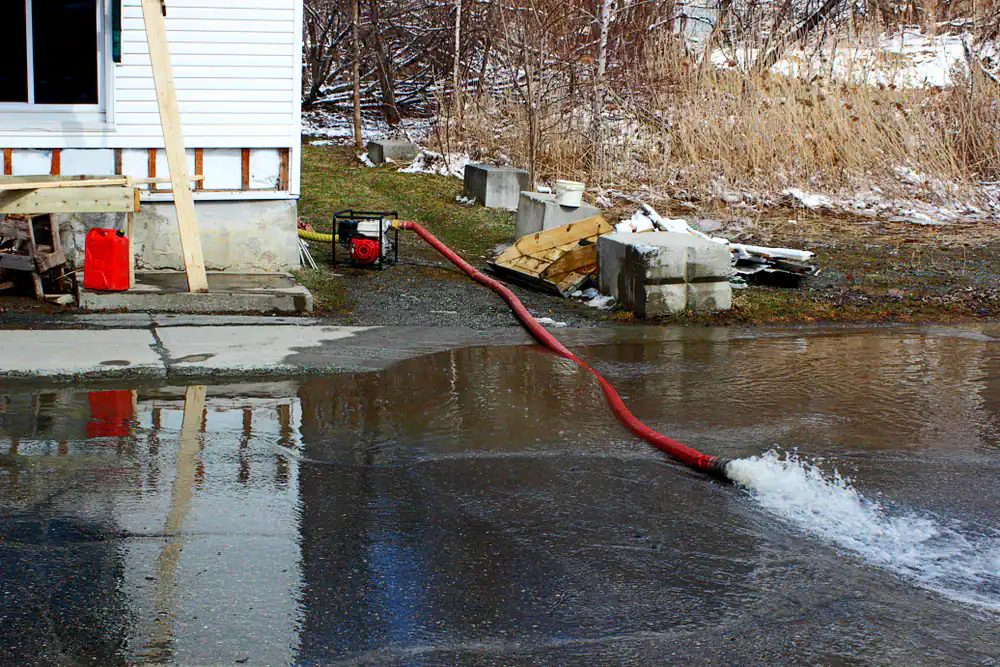
Next comes water extraction using industrial-grade pumps and vacuums. We remove standing water quickly, then focus on moisture trapped in walls, floors, and other materials. Our equipment pulls moisture from places you can’t even see.
Finally, we dry and restore everything to pre-flood condition. This includes treating affected areas to prevent mold growth, replacing damaged materials, and ensuring your property is completely safe and habitable.
Throughout the process, we document everything for insurance purposes and keep you informed about progress. You’ll know what’s happening and when you can expect completion.
Our flood restoration service covers everything from initial water removal to final repairs. You get water extraction, structural drying, mold prevention, damaged material replacement, and complete property restoration.
In Lefrak City, we regularly handle basement flooding from heavy rainfall, burst pipes in apartment buildings, and water damage from storms. Each situation requires different equipment and techniques, which is why our team carries everything needed for any type of flood damage.
We work directly with your insurance company to streamline the claims process. Most flood restoration work is covered by insurance, and we handle the paperwork so you don’t have to fight for coverage while dealing with property damage.
Your restoration includes air quality testing to ensure no hidden mold or moisture remains. We don’t consider a job complete until your property is completely safe and dry.
How quickly should I call for flood restoration services after water damage?
Call immediately—within the first few hours if possible. Water damage becomes exponentially worse the longer it sits, and mold can begin growing within 24-48 hours of flooding.
Every hour that passes allows water to penetrate deeper into materials like drywall, flooring, and insulation. What starts as surface damage quickly becomes structural damage that’s much more expensive to repair.
We provide 24/7 emergency response because we know flood damage doesn’t wait for business hours. The faster we can begin water extraction and drying, the more of your property we can save and the lower your overall restoration costs will be.
Will my homeowner's insurance cover flood restoration in Lefrak City?
Most homeowner’s insurance policies cover sudden water damage from sources like burst pipes, appliance leaks, or storm damage through your roof. However, coverage varies significantly depending on the water source and your specific policy.
Flood damage from rising groundwater or storm surge typically requires separate flood insurance. We recommend checking your policy details or calling your insurance company to understand your coverage before damage occurs.
We work directly with insurance companies and handle the claims process for you. We document all damage thoroughly and provide the detailed reports insurance adjusters need to process your claim quickly and fairly.
What's the difference between water damage cleanup and full flood restoration?
Water damage cleanup focuses on removing standing water and drying visible surfaces. Flood restoration goes much deeper—it addresses hidden moisture, prevents mold growth, and restores your property to pre-damage condition.
Cleanup might get your floors dry, but restoration ensures moisture hidden in wall cavities, under flooring, and in insulation is completely eliminated. Without proper restoration, you’ll likely face mold problems and structural issues later.
Our restoration process includes moisture detection in hidden areas, antimicrobial treatment to prevent mold, structural drying with commercial equipment, and replacement of any materials that can’t be properly dried. You get complete peace of mind, not just a quick fix.
How long does flood restoration take for a typical Lefrak City home?
Most residential flood restoration projects take 3-7 days, depending on the extent of damage and the materials affected. Basement flooding in apartment buildings often takes longer due to shared walls and complex drainage issues.
The drying process can’t be rushed—materials need time to release moisture completely, and we monitor progress with professional-grade moisture meters. Trying to speed up the process often leads to incomplete drying and future problems.
We provide daily updates on progress and realistic timelines based on your specific situation. You’ll know exactly when each phase will be complete and when you can safely move back into your space.
Can I stay in my home during flood restoration work?
This depends on the extent of damage and which areas of your home are affected. Minor water damage might allow you to stay in unaffected rooms, while major flooding often requires temporary relocation for safety and efficiency.
Our equipment is loud and runs continuously during the drying process. We also need clear access to affected areas and may need to remove damaged materials. These factors can make staying home difficult even when it’s technically safe.
We’ll assess your specific situation and give you honest guidance about whether staying is practical. If relocation is necessary, we can help coordinate with your insurance company, as many policies cover temporary housing during restoration.
What should I do immediately after discovering flood damage in my property?
First, ensure your safety—avoid standing water if there’s any chance of electrical hazards, and don’t enter areas where structural damage is visible. Turn off electricity to affected areas if you can do so safely.
Stop the water source if possible and safe to do so. This might mean shutting off your main water valve for pipe bursts or covering roof leaks with tarps. Document the damage with photos for insurance purposes, but don’t delay calling for professional help.
Call us immediately for emergency water extraction. Don’t attempt to clean up major flooding yourself—you’ll likely spread contaminated water to unaffected areas and won’t have the equipment needed to properly dry hidden moisture. Professional intervention within the first few hours can save thousands in damage costs.