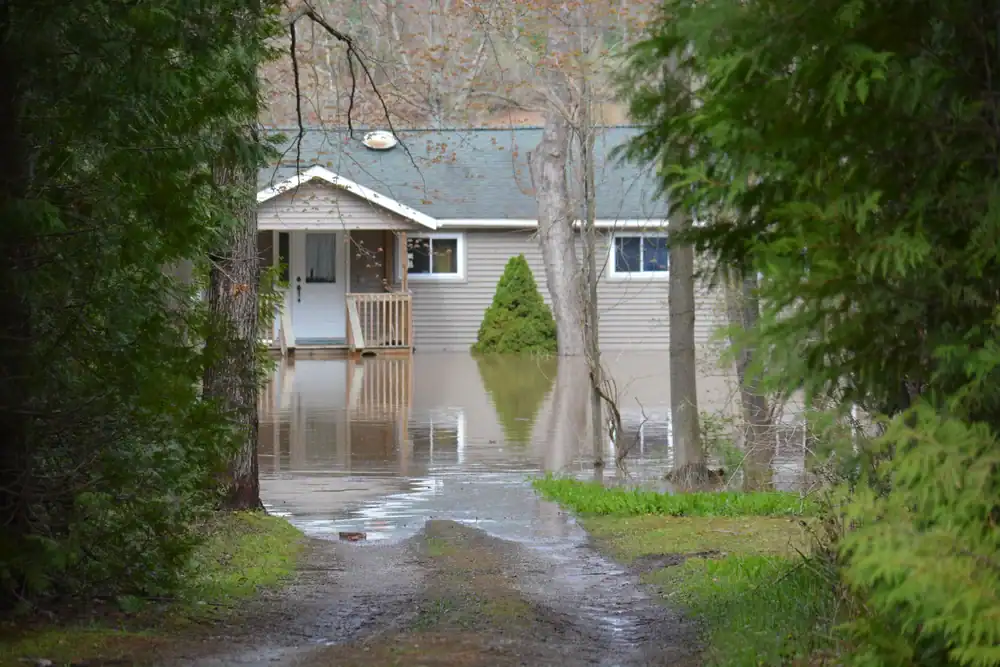
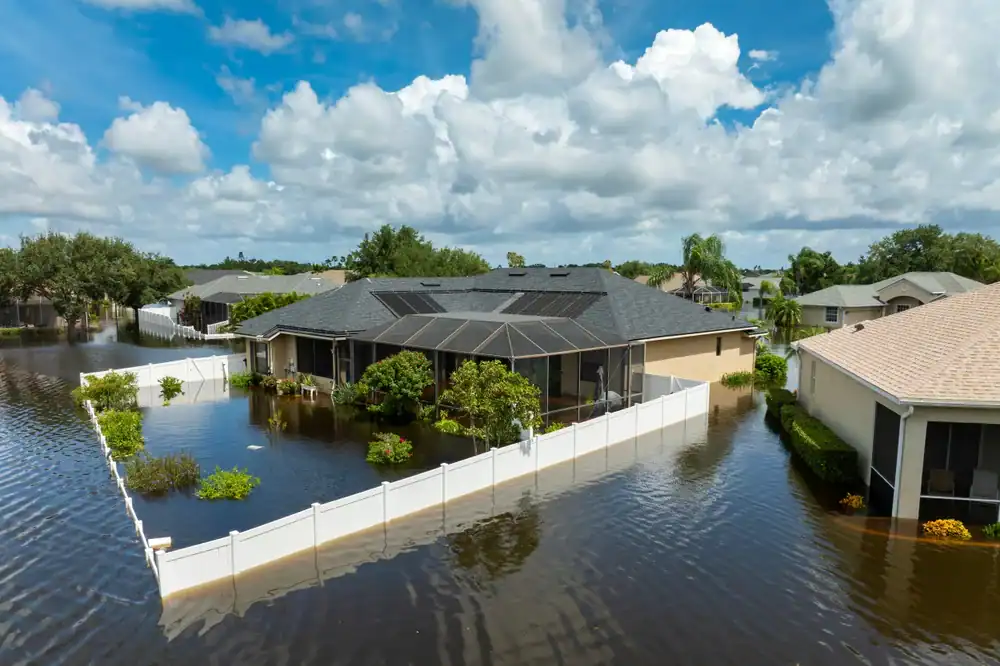
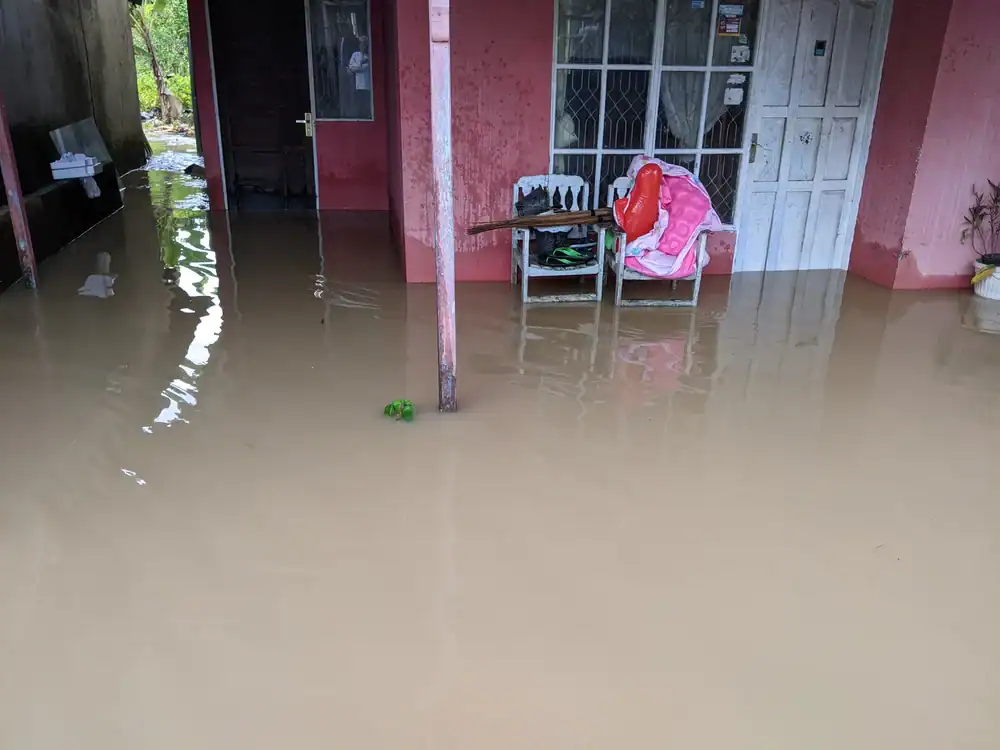
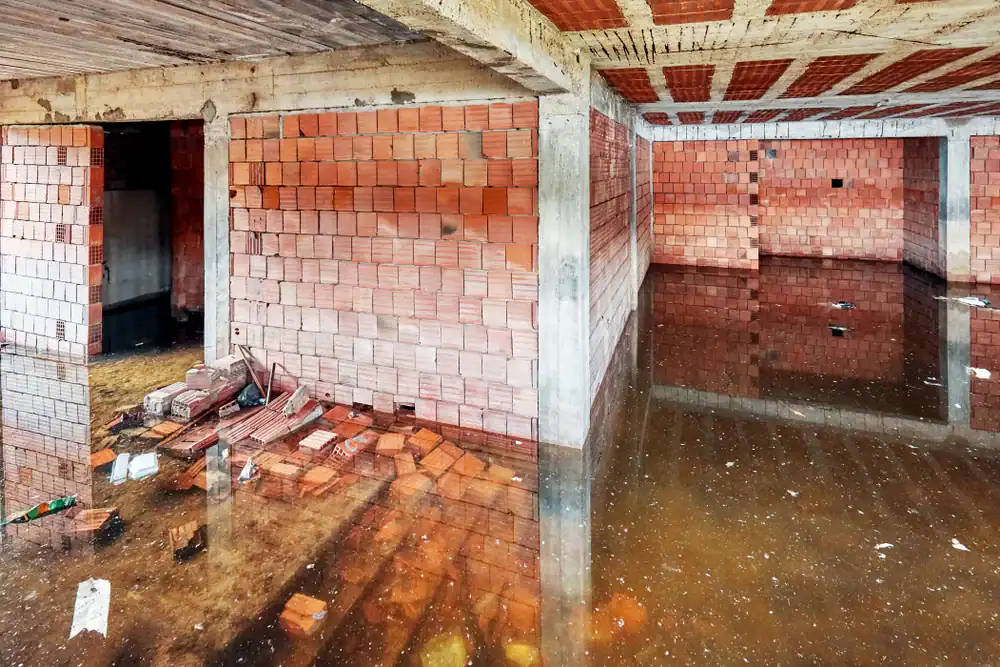
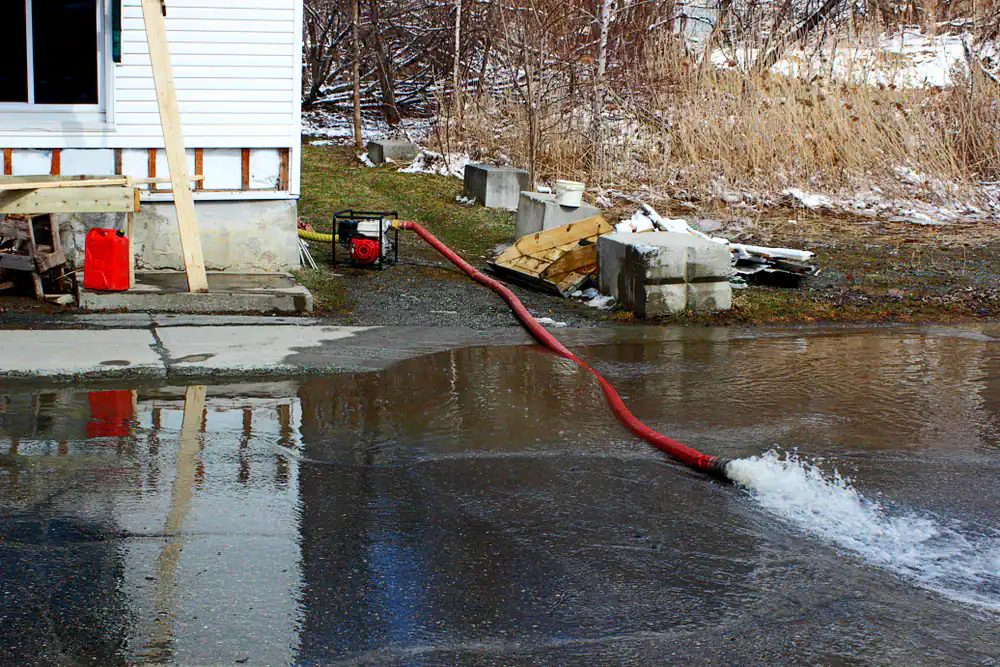
Fast response when water strikes your Macys Finance property. Professional flood restoration that handles everything from emergency extraction to complete rebuilding.
I needed a professional consultation explanation of procedure for safe removal of Asbestos in my apartment complex. Without having an account yet, I was very impressed with the caring, knowledgeable and generous advice offered by Jessica, and will look forward to doing business in the future. Thank you so much! I feel much more informed about a sometimes scary endeavor. Peace. Nancy Silva Mineola, NY.
Mia Munoz
Used this company to clean up some water flood in my house. They were fast and easy to work with.very professional, Would recommend to anyone!
Nini Valle
Great company, had a flood and they responded quickly and efficiently. Billed my insurance company directly. I highly recommend this company!
joe colapietro, jr
I had pipe freeze in my basement right before a snow storm and they made to within an hour to help start the clean up process. They we by our side throughout the entire process and even helped with the insurance company. They did such a great job with the cleanup, repair, remidiation, I contracted them to perform the repairs and finishes in the basement. They came with enough manpower and material to get the job done. Leo and Jessica were nothing but a pleasure to deal with!!
Cristian Arredondo c
I had some water damage in my home and Green Island was able to take care of my issue quickly and effectively. I am very pleased with the work they did. They responded quickly and were very professional.
Michael M
Outstanding service! From the office to the field crew everyone was friendly, helpful and responsive. I highly recommend Green Island Group.
You walk back into a home that feels like home again. No lingering moisture, no musty smells, no worries about what’s hiding behind the walls. Your basement stays dry during the next storm because we didn’t just clean up the water—we addressed what caused the problem.
Your insurance claim gets handled properly, with documentation that actually gets you paid. You’re not fighting with adjusters or wondering if you’ll have enough coverage. We work directly with your insurance company because we know exactly what they need to see.
The restoration process moves fast but never cuts corners. Every surface gets properly dried, every material gets tested for moisture, and every repair meets NYC building codes. You’re not dealing with callbacks or surprise problems six months later.
We’ve been handling NYC’s toughest water damage situations for years. We know how fast water moves through these older buildings, how basement flooding hits during every major storm, and exactly what it takes to get properties back to normal in a city that never stops moving.
We’ve seen what happens when water damage gets handled wrong—mold problems that surface months later, insurance claims that get denied, repairs that don’t hold up through the next flood season. That’s why we do this work the right way from day one.
Our team understands Macys Finance’s unique challenges. The aging infrastructure, the way water moves through these neighborhoods, and the building codes that govern every repair. We’re not learning on your property—we’re applying years of local experience to get you the results you need.
We start with an immediate response—typically within an hour of your call. Our team arrives with industrial-grade pumps, moisture detection equipment, and everything needed to stop the damage from getting worse. No waiting around while water keeps destroying your property.
Next comes complete water extraction and damage assessment. We use thermal imaging to find moisture you can’t see and document everything for your insurance claim. Every affected area gets mapped, every damaged material gets catalogued, and you get a clear picture of what needs to happen next.
The restoration phase moves systematically through drying, sanitizing, and rebuilding. Industrial dehumidifiers run around the clock, air movers keep circulation going, and moisture meters confirm everything is completely dry before we move to repairs. You see progress every day, and we keep you informed at every step.
Final inspection ensures everything meets our standards and yours. We don’t consider the job finished until moisture levels are back to normal, all repairs are complete, and your property is ready for whatever weather comes next.
Your flood restoration includes everything from emergency water extraction to complete reconstruction. We handle basement flooding, burst pipe cleanup, storm damage restoration, and sewage backup remediation. Every service uses the same industrial-grade equipment and follows the same thorough process.
Macys Finance properties face specific challenges that we address in every restoration. The high water table means basement flooding happens regularly during heavy rains. Aging plumbing systems can fail without warning. And being part of NYC’s coastal area means storm surge and coastal flooding are constant risks.
Our equipment handles these local challenges effectively. Truck-mounted extraction units remove standing water faster than portable equipment. Thermal imaging cameras find hidden moisture in older building materials. And our drying systems are sized for NYC’s humidity levels and building types.
Insurance coordination happens from day one. We document everything with photos, moisture readings, and detailed reports that insurance companies accept without question. Most of our customers get direct billing, which means you’re not paying upfront and waiting for reimbursement.
How quickly can you respond to flood damage in Macys Finance, NY?
We typically arrive within one hour of your call, 24 hours a day. Speed matters because every minute water sits in your property, it causes more damage and drives up restoration costs.
Our trucks stay loaded with extraction equipment, so we’re ready to start removing water immediately. We don’t need to go back to the shop for equipment or wait for parts to arrive. The faster we get water out, the less damage you’ll have and the lower your restoration costs will be.
Emergency response means we’re available every day of the year, including holidays and weekends. Floods don’t wait for business hours, and neither do we.
Will my insurance cover flood restoration and water damage cleanup?
Most homeowner’s insurance policies cover water damage from sudden events like burst pipes, appliance failures, and storm damage. We work directly with insurance companies and know exactly what documentation they need to approve claims quickly.
We handle the insurance paperwork from start to finish. That includes taking photos that show the extent of damage, providing moisture readings that prove the scope of work needed, and submitting detailed estimates that insurance adjusters can approve without delays.
For most customers, we can arrange direct billing with your insurance company. This means you don’t pay out of pocket and wait for reimbursement—we get paid directly by your insurer after the work is complete and approved.
How do you prevent mold growth during flood restoration?
Mold prevention starts with immediate water removal and continues through complete drying. We use industrial dehumidifiers and air movers to eliminate moisture within 48-72 hours, which prevents mold spores from taking hold.
Our moisture meters confirm that all materials are completely dry before we consider the job finished. We don’t just dry surface water—we eliminate moisture from inside walls, under flooring, and in other hidden areas where mold typically starts growing.
If we find existing mold during the restoration process, we handle remediation using EPA-approved methods. Our team is trained in proper containment procedures to prevent mold spores from spreading to unaffected areas of your property.
What makes NYC flood restoration different from other areas?
NYC buildings present unique challenges that require specific expertise. Many buildings are older with plumbing systems that are more prone to failure. In apartment buildings, water can travel through multiple units, making it harder to trace the source and extent of damage.
Our city’s high water table means basements flood regularly, especially in areas like Macys Finance. Coastal location increases storm surge risks, and NYC’s building codes require specific procedures for restoration work that many contractors don’t understand.
We’re experienced with these local challenges and follow all NYC, NYS, and EPA regulations. Our team knows which permits are needed for different types of restoration work and how to coordinate with building management in multi-unit properties.
How long does complete flood restoration take in Macys Finance?
Timeline depends on the extent of damage, but most residential flood restoration takes 5-10 days from start to finish. Emergency water extraction happens immediately, drying typically takes 3-5 days, and repairs can take another few days depending on what needs to be rebuilt.
Commercial properties or extensive damage can take longer, especially if structural repairs are needed. We provide realistic timelines upfront and keep you updated if anything changes during the restoration process.
The key is starting fast. Properties where we begin work within hours of the flooding typically restore much faster than situations where water sits for days. Quick response prevents secondary damage that would extend the timeline and increase costs.
Do you handle both residential and commercial flood restoration?
Yes, we restore both residential and commercial properties throughout Macys Finance and NYC. Commercial jobs often involve larger spaces, more complex building systems, and tighter deadlines to minimize business interruption.
Our equipment scales from single-family homes to large commercial buildings. We have truck-mounted extraction units for major flooding and smaller portable units for targeted water removal. Industrial dehumidifiers and air movers can handle spaces of any size.
Commercial restoration often requires working around business operations. We can work nights and weekends to minimize disruption to your operations, and we coordinate with building management to ensure all work meets commercial building codes and insurance requirements.