I needed a professional consultation explanation of procedure for safe removal of Asbestos in my apartment complex. Without having an account yet, I was very impressed with the caring, knowledgeable and generous advice offered by Jessica, and will look forward to doing business in the future. Thank you so much! I feel much more informed about a sometimes scary endeavor. Peace. Nancy Silva Mineola, NY.
Mia Munoz
Used this company to clean up some water flood in my house. They were fast and easy to work with.very professional, Would recommend to anyone!
Nini Valle
Great company, had a flood and they responded quickly and efficiently. Billed my insurance company directly. I highly recommend this company!
joe colapietro, jr
I had pipe freeze in my basement right before a snow storm and they made to within an hour to help start the clean up process. They we by our side throughout the entire process and even helped with the insurance company. They did such a great job with the cleanup, repair, remidiation, I contracted them to perform the repairs and finishes in the basement. They came with enough manpower and material to get the job done. Leo and Jessica were nothing but a pleasure to deal with!!
Cristian Arredondo c
I had some water damage in my home and Green Island was able to take care of my issue quickly and effectively. I am very pleased with the work they did. They responded quickly and were very professional.
Michael M
Outstanding service! From the office to the field crew everyone was friendly, helpful and responsive. I highly recommend Green Island Group.
Completely Dry, Structurally Sound, Air Quality Restored
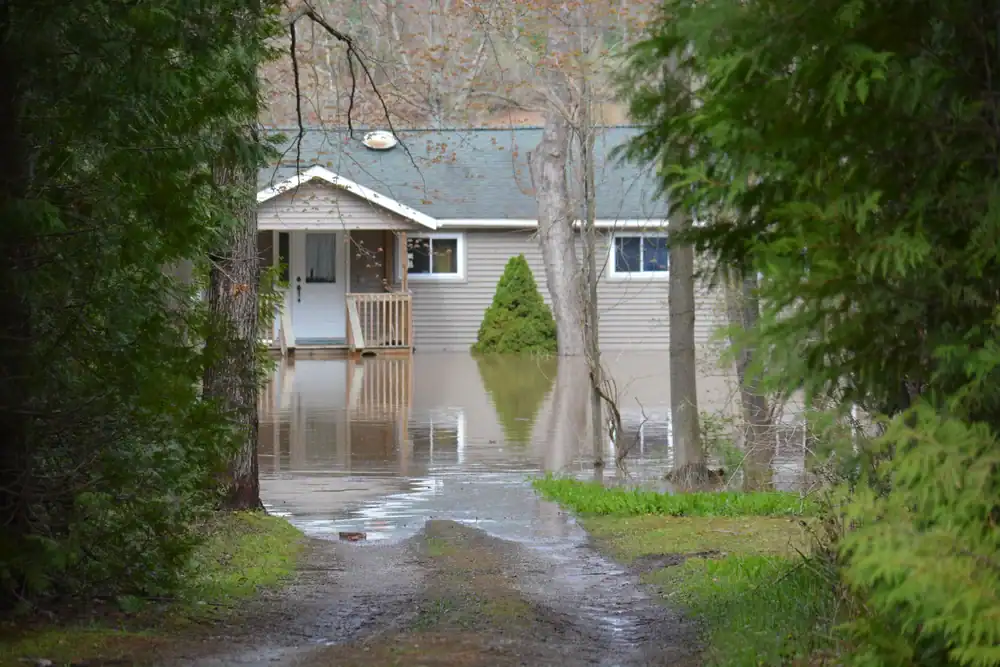
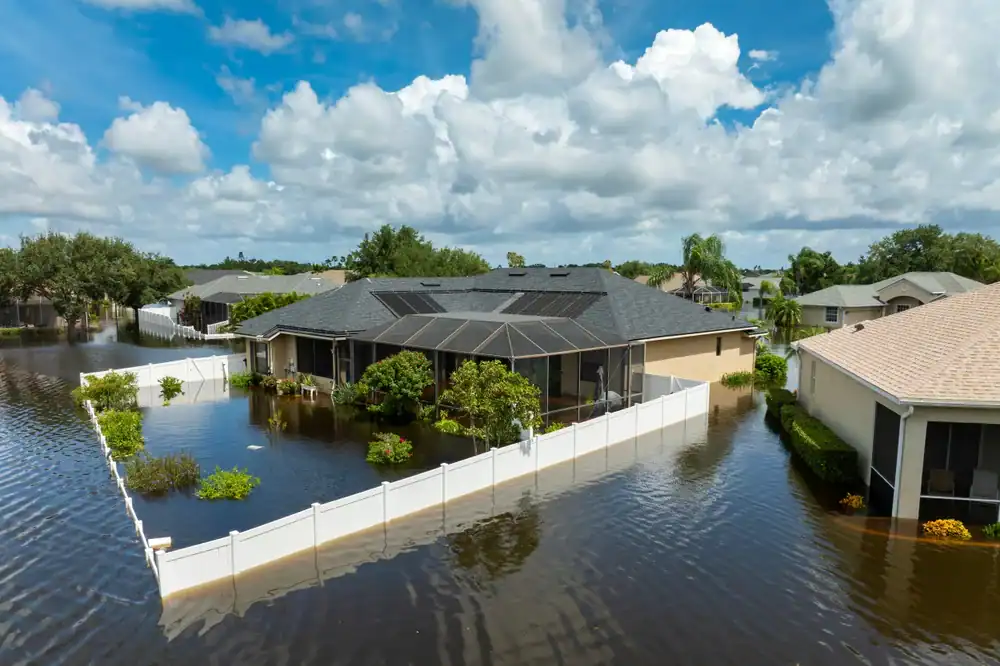
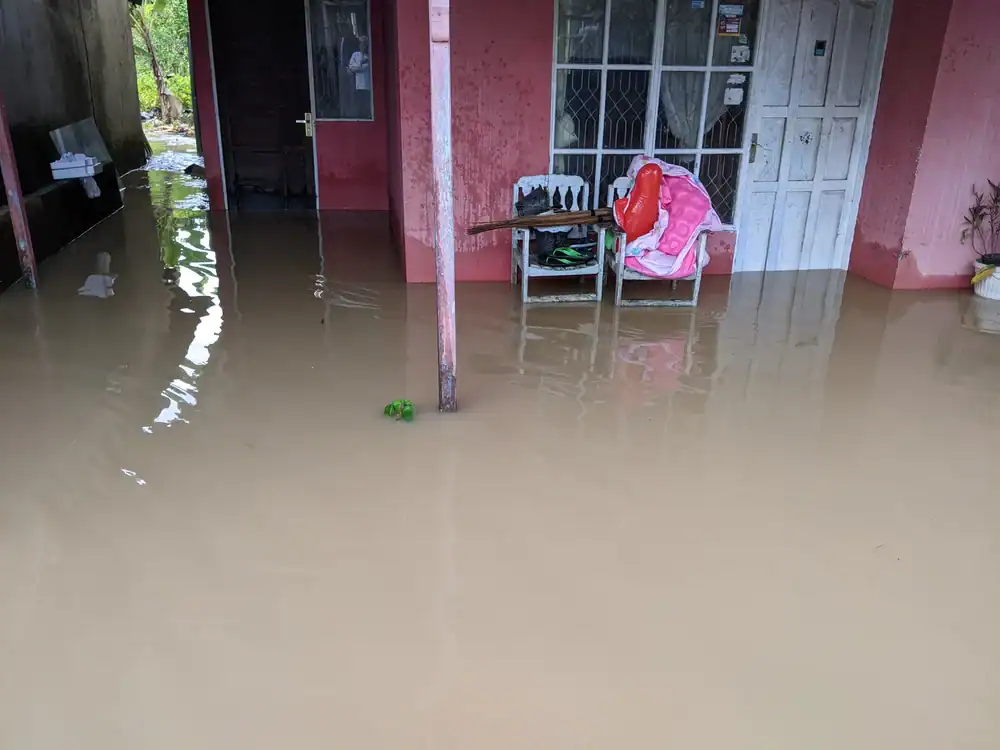
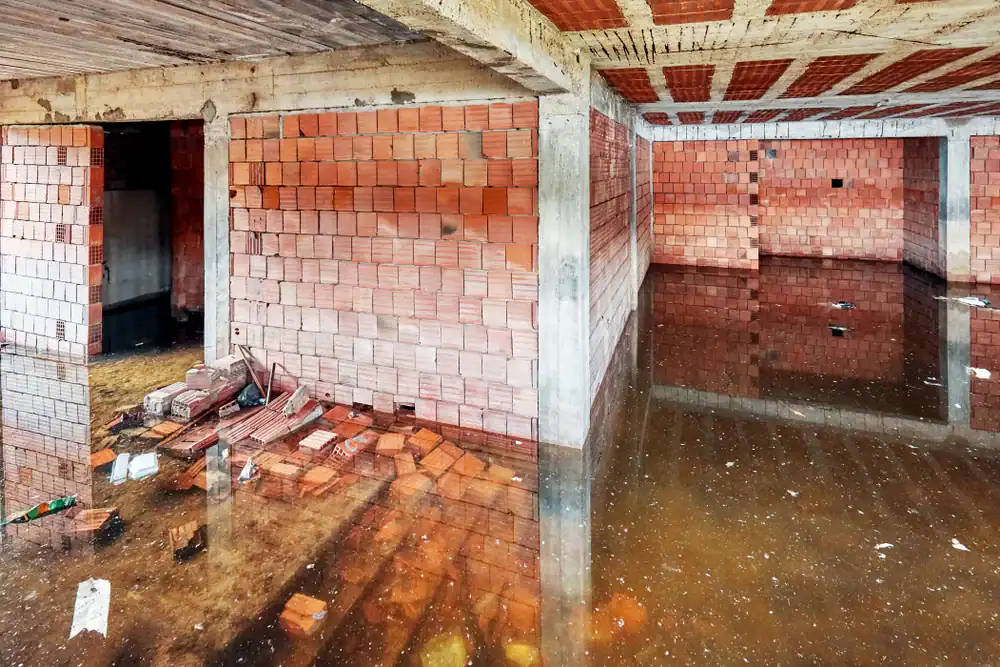
You’re not just dealing with standing water. You’re facing the reality that moisture seeps into walls, under flooring, and into structural elements where it causes long-term damage and creates perfect conditions for mold growth.
When we finish your flood restoration, the moisture is completely eliminated—not just the water you can see, but the hidden moisture that causes problems months later. Your air quality is back to normal, the structural integrity is preserved, and you don’t have to worry about surprise mold discoveries down the road.
The difference is thoroughness. While others might dry the surface and call it done, we use thermal imaging to find moisture you can’t see and industrial equipment to eliminate it completely. You get your property back in better condition than most people expect after water damage.
We’ve handled water emergencies throughout Manhattan for years, completing over 5,000 restoration projects across New York State. We know how water behaves in Peck Slip’s older buildings and understand the unique challenges that come with Lower Manhattan’s aging infrastructure.
Our team has seen every type of water damage Manhattan can dish out—from coastal flooding during nor’easters to burst pipes in pre-war buildings to sewer backups when the city’s drainage gets overwhelmed. We know which buildings flood first during heavy rains and which basement configurations create the biggest headaches.
You’re working with people who understand that in Manhattan, a water damage emergency isn’t just about your property—it’s about your life, your schedule, and often your business operations getting back to normal as quickly as possible.
Systematic Approach, No Hidden Moisture Left Behind
We start with a complete damage assessment using thermal imaging equipment that shows us exactly where moisture has penetrated, including areas you can’t see. This prevents surprises later and gives you an accurate picture of what needs to happen.
Water extraction comes next using industrial-grade pumps and truck-mounted equipment that removes water faster than standard shop vacuums. Then we strategically place commercial dehumidifiers and air movers to create controlled airflow that pulls moisture out of materials instead of just moving it around.
The process includes opening walls when necessary to ensure complete drying, because trapped moisture is what causes the expensive problems six months later. We monitor moisture levels with professional meters until everything reads normal, then document the entire process for your insurance claim.
Our emergency response team operates around the clock because water damage doesn’t pause for weekends or holidays. We typically arrive at Peck Slip properties within one hour of your call, fully equipped with extraction equipment, moisture detection tools, and everything needed to start mitigation immediately.
Manhattan’s water damage patterns are predictable if you know what to look for. Heavy rainfall overwhelms the sewer system and backs up into basements. Coastal storms push water inland through Lower Manhattan’s vulnerable areas. Older buildings have pipes that fail during temperature swings. We’ve responded to all of these scenarios countless times in your neighborhood.
We handle insurance documentation and work directly with your insurance company throughout the restoration process. This includes detailed moisture readings, photographic documentation, and the paperwork that gets claims approved quickly. Most customers are surprised how much easier the insurance process becomes when professionals handle the documentation correctly from day one.
How fast should I call for flood restoration in Peck Slip after water damage?
Call within the first few hours if possible, definitely within 24 hours. In Manhattan’s humid environment, mold spores can begin germinating within 24-48 hours, and what starts as a water cleanup quickly becomes a mold remediation project.
Every hour that water sits allows it to penetrate deeper into building materials. Drywall absorbs water like a sponge, hardwood flooring can cup and buckle, and moisture travels through wall cavities to areas you can’t even see. The longer you wait, the more extensive and expensive the restoration becomes.
We’ve seen situations where homeowners waited a few days thinking they could handle it themselves, only to discover moisture had spread throughout multiple rooms and mold was already growing behind walls. Early intervention saves both money and headaches.
Does insurance cover flood restoration services in Peck Slip, NY?
Most homeowner’s insurance policies cover sudden water damage from internal sources like burst pipes, appliance failures, or roof leaks. Flood damage from external sources like storm surge typically requires separate flood insurance coverage.
The key is proper documentation and immediate action. Insurance companies expect you to take reasonable steps to prevent further damage, which means calling professionals promptly and beginning mitigation work right away. Waiting can actually hurt your claim.
We work directly with insurance companies and handle the entire documentation process. This includes detailed moisture mapping, photographic evidence, and the technical documentation that adjusters need to approve claims quickly. Most customers find the insurance process much smoother when professionals handle the paperwork from the beginning.
What's included in complete flood restoration versus basic water cleanup?
Basic water cleanup removes standing water and sets up some fans. Complete flood restoration addresses the moisture that’s penetrated into walls, flooring, and structural elements using professional-grade equipment and systematic drying processes.
Real restoration includes moisture detection in hidden areas, controlled dehumidification, antimicrobial treatment when necessary, and monitoring moisture levels until they return to normal. It also includes any necessary repairs to bring your property back to pre-damage condition.
In Peck Slip’s older buildings, this often means opening walls to check for moisture migration, treating structural elements, and ensuring that humidity levels are completely normalized before reconstruction begins. The difference is thoroughness and the equipment to do the job properly.
How long does flood restoration take in Manhattan properties?
The drying phase typically takes 3-7 days depending on the extent of damage and the materials affected. Complete restoration including any reconstruction can range from one week for minor damage to several weeks for extensive flooding.
Manhattan properties often take longer to dry than suburban homes because of construction methods, building materials, and limited ventilation options. Older buildings may have plaster walls that hold moisture longer, or structural elements that require more time to dry completely.
We provide realistic timelines upfront based on our assessment of your specific situation. Most customers appreciate knowing what to expect rather than getting vague estimates that change as work progresses. We’ll keep you updated throughout the process so you can plan accordingly.
Can I stay in my Peck Slip property during the restoration process?
It depends on the extent of damage and which areas are affected. If water damage is contained to specific rooms like a basement or bathroom, you may be able to stay in unaffected areas during the drying process.
However, extensive moisture throughout the property or situations requiring mold remediation may make temporary relocation the safer choice. The industrial equipment we use is loud, and maintaining proper humidity control requires keeping windows closed and limiting access to affected areas.
We’ll assess your specific situation and give you honest advice about safety and practicality. Your health comes first, and most insurance policies include coverage for additional living expenses when staying in the property isn’t feasible during restoration.
What should I do immediately after discovering water damage in my property?
First priority is safety—turn off electricity to affected areas if you can do so safely, and stay out of flooded basements until power is confirmed off. Water and electricity don’t mix, and flooded areas can have hidden electrical hazards.
Document the damage with photos for insurance purposes, but don’t delay calling professionals while you’re taking pictures. Remove valuable items from affected areas if it’s safe to do so, but don’t risk your safety trying to salvage belongings in dangerous conditions.
Call us immediately after ensuring safety and taking basic photos. The sooner we can begin water extraction and controlled drying, the better your chances of avoiding structural damage and mold growth. In water damage situations, every hour counts toward limiting the extent of restoration needed.