I needed a professional consultation explanation of procedure for safe removal of Asbestos in my apartment complex. Without having an account yet, I was very impressed with the caring, knowledgeable and generous advice offered by Jessica, and will look forward to doing business in the future. Thank you so much! I feel much more informed about a sometimes scary endeavor. Peace. Nancy Silva Mineola, NY.
Mia Munoz
Used this company to clean up some water flood in my house. They were fast and easy to work with.very professional, Would recommend to anyone!
Nini Valle
Great company, had a flood and they responded quickly and efficiently. Billed my insurance company directly. I highly recommend this company!
joe colapietro, jr
I had pipe freeze in my basement right before a snow storm and they made to within an hour to help start the clean up process. They we by our side throughout the entire process and even helped with the insurance company. They did such a great job with the cleanup, repair, remidiation, I contracted them to perform the repairs and finishes in the basement. They came with enough manpower and material to get the job done. Leo and Jessica were nothing but a pleasure to deal with!!
Cristian Arredondo c
I had some water damage in my home and Green Island was able to take care of my issue quickly and effectively. I am very pleased with the work they did. They responded quickly and were very professional.
Michael M
Outstanding service! From the office to the field crew everyone was friendly, helpful and responsive. I highly recommend Green Island Group.
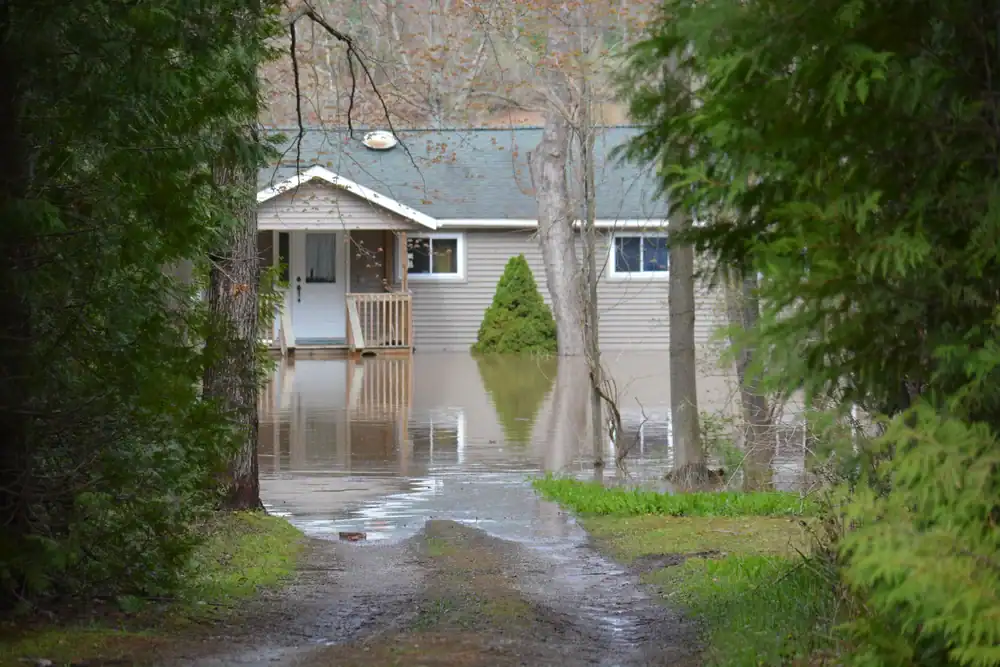
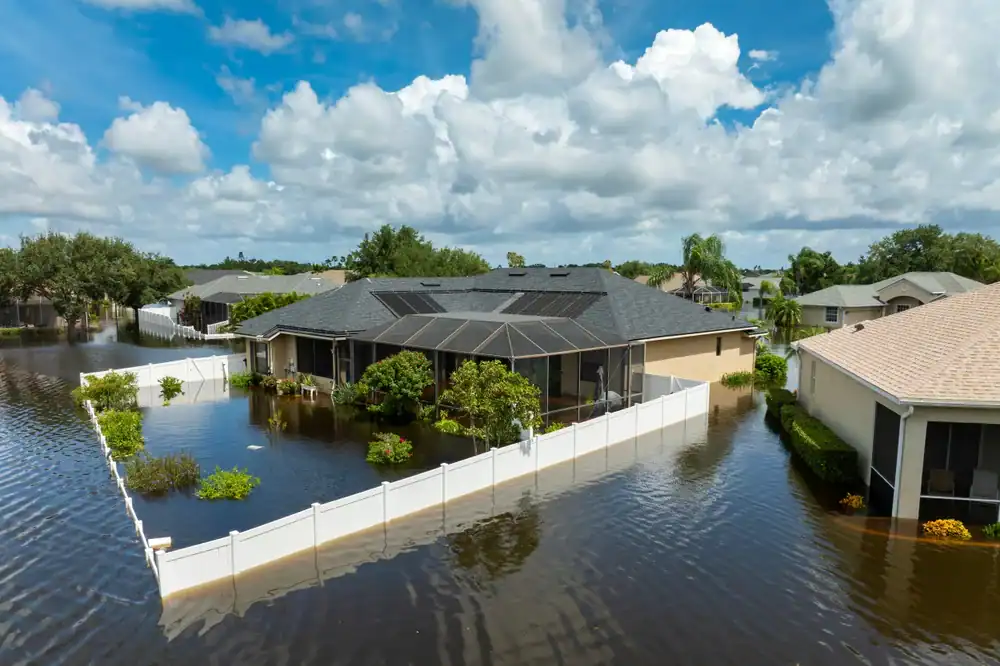
You’re looking at your flooded property wondering how bad this will get. The water’s already there—now it’s about preventing the nightmare that comes next.
Mold starts growing within 24 to 48 hours. Structural damage gets worse every day water sits. Your belongings become unsalvageable. Insurance claims get complicated when you wait.
Here’s what happens when you call us immediately: We extract every drop of standing water using industrial-grade equipment. We dry out hidden moisture in walls, floors, and spaces you can’t see. We prevent mold before it starts. We handle your insurance company directly so you don’t pay out of pocket.
We’ve been restoring flood-damaged properties in Nassau County for years. We know South Valley Stream’s unique challenges—the weather patterns, the drainage issues, the way water moves through your neighborhood.
Nassau County’s commercial development reduces the land’s natural ability to absorb water. Add in the canals, inlets, and proximity to waterways, and you’ve got a recipe for flooding that hits the same areas repeatedly. We’ve seen it all: nor’easters, hurricanes, burst pipes, basement floods.
That local knowledge matters when your property is underwater and you need someone who understands exactly what you’re dealing with.
First, we stop the water source if it’s still active. No point extracting water that keeps flowing in.
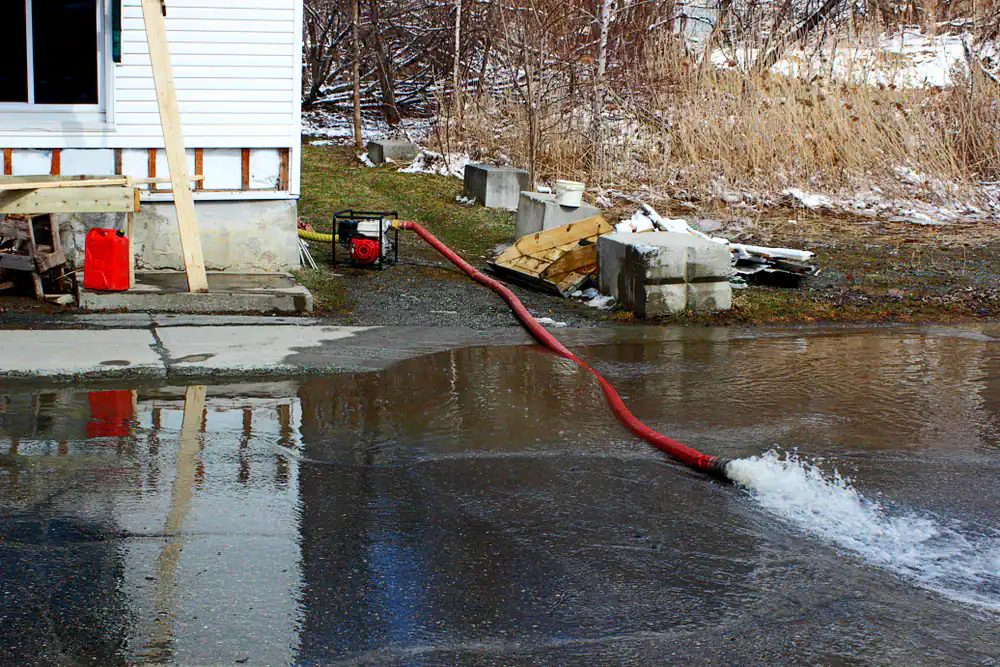
Next, we remove all standing water using high-powered pumps and extraction equipment. We’re talking about industrial-grade tools that most companies don’t have access to.
Then comes the drying process. We set up commercial dehumidifiers and air movers throughout your property. We use moisture meters and thermal imaging to find hidden water in walls, under floors, behind cabinets—anywhere moisture likes to hide.
We monitor the drying process daily, adjusting equipment as needed. Once everything’s completely dry, we assess what needs repair or replacement. We handle the insurance paperwork and billing throughout the entire process.
You get everything needed to restore your property to pre-damage condition. Emergency water extraction, structural drying, mold prevention, debris removal, and reconstruction services.
In South Valley Stream, we see specific patterns. Basement flooding from overwhelmed storm drains during heavy rains. Burst pipes in older homes during winter freezes. Storm surge damage in areas closer to waterways. Sump pump failures during power outages.
Each situation requires different approaches, which is why our technicians are trained in the latest IICRC standards. We use thermal imaging for moisture detection, industrial dehumidifiers for thorough drying, and antimicrobial treatments to prevent mold growth.
We also coordinate with your insurance company from day one. We document everything, provide detailed reports, and bill them directly so you’re not stuck paying upfront costs while waiting for reimbursement.
How quickly can you respond to flood damage in South Valley Stream?
We provide 24/7 emergency response and typically arrive within one hour of your call. Speed matters because water damage gets exponentially worse with time.
The first 24 hours are critical. After that, you’re looking at potential mold growth, structural damage, and much higher restoration costs. We keep crews on standby specifically for these emergencies because we know how quickly things can go from bad to worse.
When you call our emergency line at 631-256-5711, you’re talking to someone who can dispatch a crew immediately, not an answering service that takes messages.
Will my homeowner's insurance cover flood damage restoration costs?
Standard homeowner’s insurance policies specifically exclude flood damage—this catches many Nassau County residents off guard. However, if you have flood insurance through the National Flood Insurance Program, that will cover restoration costs.
We work directly with both types of insurance. For homeowner’s policies, we focus on water damage from sources like burst pipes, appliance leaks, or roof damage. For flood insurance claims, we handle rising water damage from storms or drainage failures.
We bill insurance companies directly in most cases, so you don’t have to pay out of pocket and wait for reimbursement. We also handle all the documentation and paperwork that insurance companies require for claims processing.
How do you prevent mold growth during the restoration process?
Mold prevention starts with immediate action and thorough drying. We use industrial-grade dehumidifiers, air movers, and moisture meters to ensure all affected materials are completely dried within the critical 24-48 hour window.
We also use thermal imaging to detect hidden moisture in walls, under floors, and in other areas where mold typically starts growing. If we find materials that can’t be thoroughly dried within that timeframe, we remove and replace them rather than risk mold development later.
Throughout the process, we monitor humidity levels and moisture content daily. We don’t consider a job complete until moisture readings are back to normal levels and we’re confident no mold growth will occur.
What's the typical timeline for complete flood restoration in South Valley Stream?
The timeline depends on the extent of damage and the type of water involved. Minor flooding from a burst pipe might be resolved in 3-5 days, while major storm flooding can take several weeks for complete restoration.
The drying process typically takes 3-7 days, depending on humidity levels and the amount of water involved. After that, we assess what needs repair or replacement. Simple repairs like drywall and flooring might add another week. More extensive reconstruction takes longer.
We provide you with a detailed timeline after our initial assessment, and we update you daily on progress. We also coordinate all the different trades needed for reconstruction so you’re not managing multiple contractors yourself.
Do you handle sewage cleanup and contaminated water situations?
Yes, we’re equipped to handle all categories of water damage, including sewage backups and contaminated water. These situations require specialized equipment and safety protocols that most companies aren’t prepared for.
Sewage water contains dangerous bacteria and pathogens that pose serious health risks. We use proper protective equipment, antimicrobial treatments, and disposal methods to safely clean and sanitize affected areas. We also follow all EPA and local health department guidelines for contaminated water cleanup.
These situations are more complex and take longer to resolve, but we handle everything from initial cleanup through final sanitization. We also work with your insurance company to ensure proper coverage for these more extensive restoration projects.
Why should I choose a local company over a national chain for flood restoration?
Local knowledge makes a huge difference in flood restoration. We understand Nassau County’s specific challenges—the soil conditions, drainage patterns, building types, and weather patterns that contribute to flooding in South Valley Stream.
National chains often send technicians from other areas who don’t understand local conditions. They might not know that certain neighborhoods flood repeatedly, or that older homes in the area have specific vulnerabilities. That local experience helps us work more efficiently and catch potential problems others might miss.
We also have established relationships with local insurance adjusters, contractors, and suppliers. That means faster approvals, quicker material delivery, and smoother coordination throughout the restoration process. When you need help fast, those relationships matter.