When Water Strikes Lake Mohegan Homes, We Respond in Hours
Water damage near Lake Mohegan moves fast and so does the cost of waiting. We respond 24/7 with certified restoration crews ready to stop the damage before it doubles.
I needed a professional consultation explanation of procedure for safe removal of Asbestos in my apartment complex. Without having an account yet, I was very impressed with the caring, knowledgeable and generous advice offered by Jessica, and will look forward to doing business in the future. Thank you so much! I feel much more informed about a sometimes scary endeavor. Peace. Nancy Silva Mineola, NY.
Mia Munoz
Used this company to clean up some water flood in my house. They were fast and easy to work with.very professional, Would recommend to anyone!
Nini Valle
Great company, had a flood and they responded quickly and efficiently. Billed my insurance company directly. I highly recommend this company!
joe colapietro, jr
I had pipe freeze in my basement right before a snow storm and they made to within an hour to help start the clean up process. They we by our side throughout the entire process and even helped with the insurance company. They did such a great job with the cleanup, repair, remidiation, I contracted them to perform the repairs and finishes in the basement. They came with enough manpower and material to get the job done. Leo and Jessica were nothing but a pleasure to deal with!!
Cristian Arredondo c
I had some water damage in my home and Green Island was able to take care of my issue quickly and effectively. I am very pleased with the work they did. They responded quickly and were very professional.
Michael M
Outstanding service! From the office to the field crew everyone was friendly, helpful and responsive. I highly recommend Green Island Group.
Living near Mohegan Lake is one of the things that makes this community worth staying in. But that same proximity to water combined with the area’s rolling terrain and aging housing stock means when something goes wrong, it tends to go wrong fast. Groundwater runs toward the lake. Drainage in the lower-lying areas near Mohegan Colony can back up quickly during heavy rain. And a lot of homes in Lake Mohegan were originally built as seasonal bungalows decades ago, not engineered for the freeze-thaw cycles and full-winter conditions they’re now expected to handle year-round.
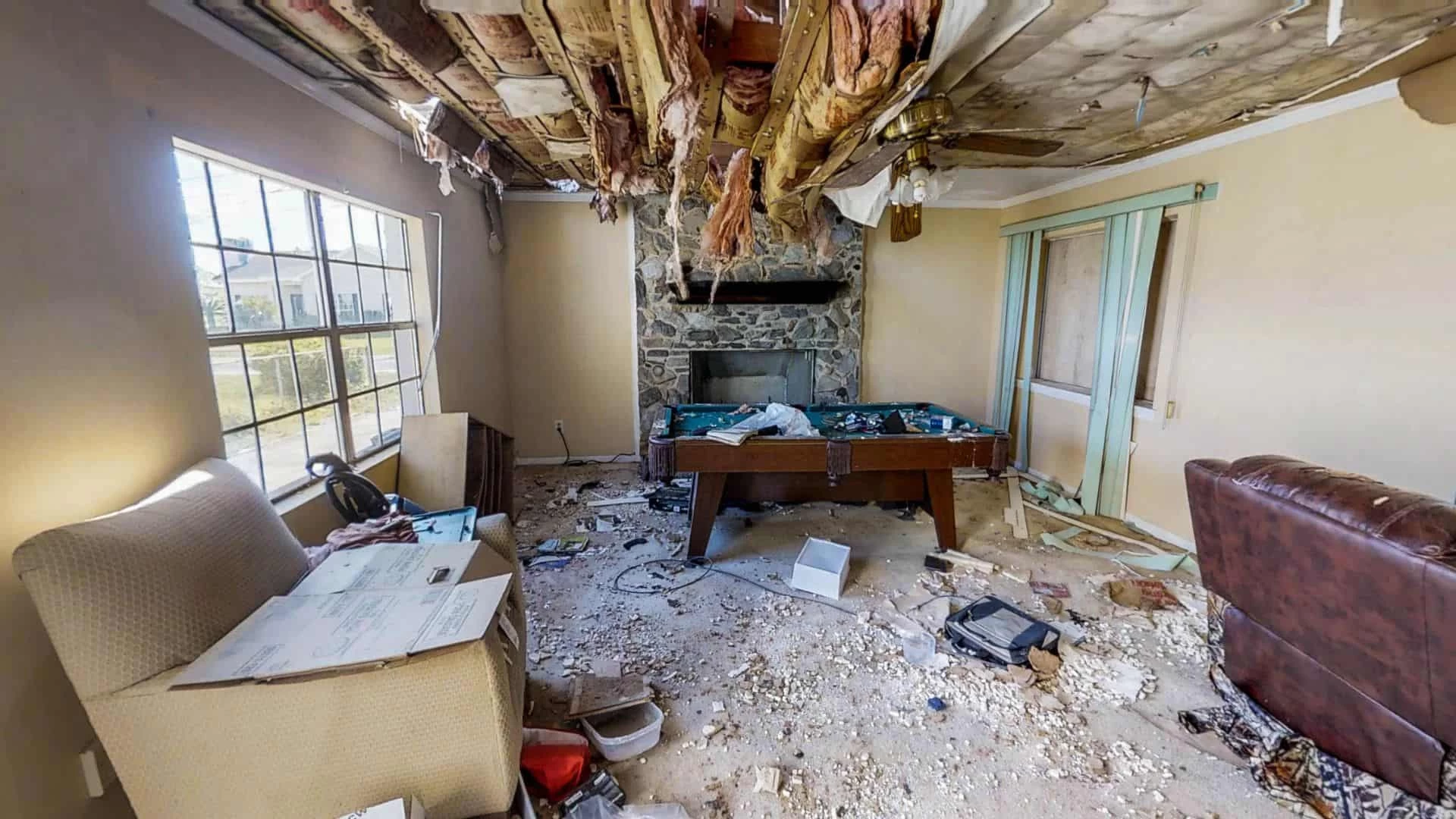
What that means practically is that water doesn’t just sit on the surface here. It finds the path of least resistance through original concrete block foundations, under aging slab edges, into partially finished basements that were never designed to stay dry. By the time you see it, it’s already been moving for a while. That’s the window that matters most.
When restoration is done right, you get more than a dry floor. You get documentation we’ll submit directly to your insurance company, a clear picture of what was affected and what wasn’t, and the confidence that mold isn’t quietly growing behind the drywall. That’s what a complete job looks like and it’s the difference between a problem that’s solved and one that comes back.
Water Damage Restoration Company near Lake Mohegan
Credentials That Hold Up When It Counts
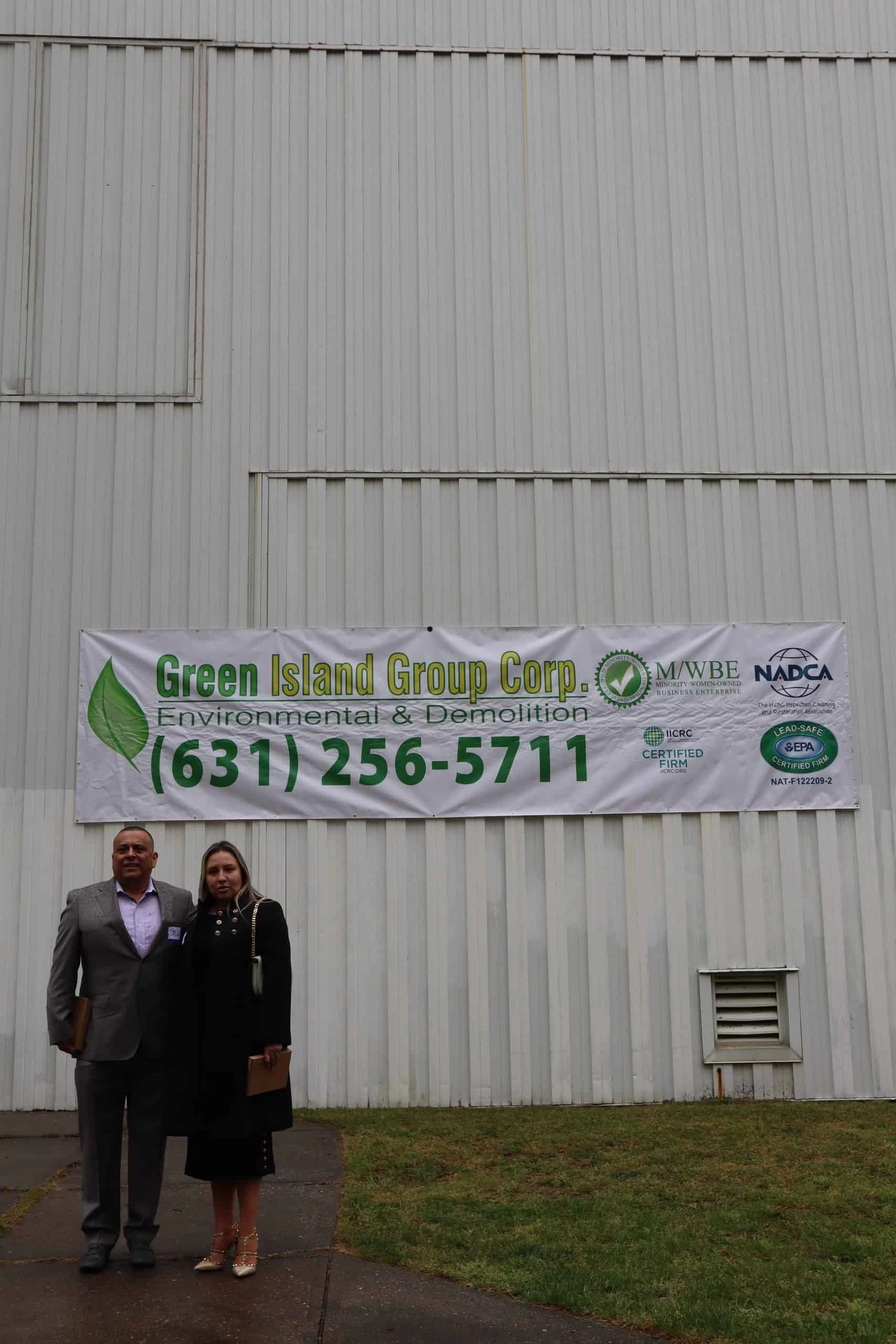
We’ve been doing this work for over 12 years throughout northern Westchester, including Lake Mohegan and the surrounding communities. Our team is IICRC-certified, fully insured liability and workers’ compensation and holds NYS and NYC M/WBE Certified Contractor status. That last one isn’t just a label. It means we’ve met formal state standards for licensing, insurance, and operations, and are authorized to work with agencies like the NYS Office of General Services. You can verify it.
In northern Westchester, that level of credentialing matters. Homeowners along Route 6, in the lake association communities around Lake Mohegan, and throughout the Yorktown area have seen enough franchise vans and lead-aggregator phone numbers to know the difference between a company with real accountability and one with a convincing website. We’re the former. The work is backed by a 100% satisfaction guarantee, and we handle everything from water extraction through full reconstruction no handoffs, no gaps.
What Happens From Your First Call to Final Walkthrough
When you call, someone picks up not a voicemail, not a callback queue. A crew is dispatched immediately, because the first few hours after water intrusion are when the most damage happens. Mold can begin developing within 24 to 48 hours, and in the older homes throughout Lake Mohegan many of them converted bungalows with limited basement ventilation and original framing that window closes fast.
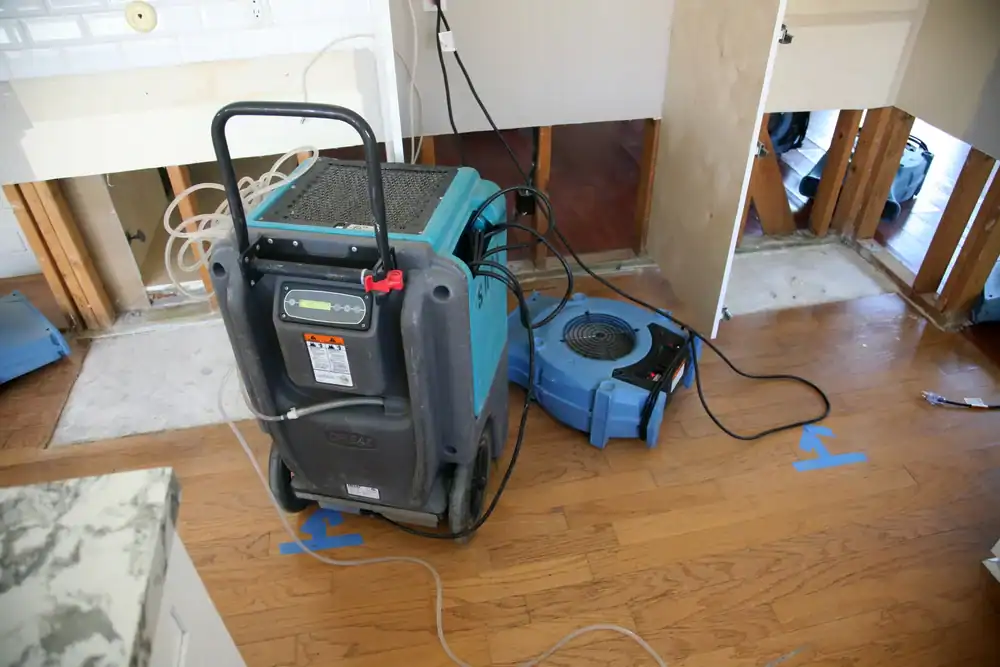
Once on-site, we do a full assessment before anything else. That means identifying the source, mapping how far the moisture has traveled, and documenting everything in a format your insurance company can work with directly. We handle insurer communication as part of the job, so you’re not left translating damage reports or chasing adjusters on your own.
From there, the process moves through water extraction, structural drying, and where needed mold remediation and reconstruction. If the work involves a property near the Lake Mohegan shoreline, we’re familiar with Article XXVII of the Yorktown Town Code, which requires a wetlands permit for construction within 150 feet of the lake. That’s not something every contractor knows or accounts for. Skipping it can leave a homeowner with unpermitted work and a code violation on top of an already stressful situation.
Full-Service Water Damage Restoration in Westchester
One Team, Every Step, No Loose Ends
We handle the full scope water extraction, structural drying, mold remediation, debris removal, and complete reconstruction. You’re not dealing with one company for the water and a different subcontractor for the rebuild. That matters because gaps between contractors are where things get missed, costs inflate, and timelines fall apart.
For homes in Lake Mohegan’s older neighborhoods, there’s another layer worth knowing about. A significant portion of the housing stock here was built before 1980 the era of asbestos-containing building materials. Pipe insulation, floor tiles, joint compound, and certain ceiling materials from that period can all contain asbestos. If water damage requires opening walls or replacing original flooring in one of these homes, that has to be handled correctly before any restoration work continues. We’re one of the very few restoration contractors in this market with in-house asbestos abatement capability. No separate subcontractor, no scheduling delay, no liability gap.
And for jobs that go beyond what insurance covers or where the deductible leaves a significant out-of-pocket balance we offer financing up to $200,000 at 0% APR. No competitor currently serving Lake Mohegan offers this. For a homeowner facing a $20,000 to $40,000 restoration on a property with $10,000-a-year in taxes already, having a real financing option changes what’s possible.
Does water damage restoration in Lake Mohegan require any special permits near the lake?
It can, and this is something a lot of homeowners don’t find out until it’s too late. Under Article XXVII of the Yorktown Town Code, any construction within 150 feet of the Mohegan Lake shoreline requires a wetlands permit from the Town of Yorktown. That applies to permanent structures, drainage modifications, and certain types of foundation or exterior work which restoration projects can absolutely involve.
If your property sits in Mohegan Colony, Lakeside Colony, or anywhere along Lake Mohegan’s shoreline, this regulation is relevant to your job. A contractor who doesn’t know about it or ignores it can leave you with unpermitted work that creates legal and financial headaches long after the water is gone. We’re familiar with these requirements and factor them into the project plan from the start, not as an afterthought.
How quickly does mold start growing after a basement flood in Lake Mohegan homes?
Mold can begin colonizing within 24 to 48 hours of water intrusion and in many Lake Mohegan homes, the conditions are especially favorable for it. A lot of the housing stock here originated as seasonal bungalows, which means original concrete block or stone foundations, limited basement ventilation, and partially finished lower levels where moisture can sit undetected. That combination accelerates mold growth significantly compared to a newer, tighter-built home.
The reason this matters is that visible mold is almost never the whole picture. By the time you see it on a wall or smell it in a room, it’s typically already spread into the framing, insulation, or subfloor behind the surface. Professional structural drying and moisture mapping done within that first 48-hour window is what prevents a manageable water event from becoming a full mold remediation project. Speed is not a sales pitch here. It’s just how the biology works.
Will my homeowner's insurance cover water damage restoration costs in Westchester County?
Most standard homeowners’ insurance policies cover sudden and accidental water damage a burst pipe, an appliance failure, or ice dam damage to your ceiling and walls. What they typically don’t cover is gradual damage, meaning water that’s been seeping in slowly over time without being reported. That distinction matters a lot in Lake Mohegan, where aging foundations and converted bungalow structures can allow moisture intrusion that builds gradually before it becomes obvious.
The other thing to understand is that coverage limits, deductibles, and what’s classified as “covered damage” versus “maintenance issue” vary significantly by policy. We work directly with insurance companies, document damage to professional standards, and manage the claims process on your behalf. That documentation is what gives adjusters what they need to approve a full claim and it’s something that a less thorough contractor can inadvertently undermine just by how they write up the initial assessment.
What causes pipes to burst in Lake Mohegan homes during winter, and how bad can the damage get?
Northern Westchester winters are hard on pipes especially in homes that weren’t originally built for year-round occupancy. Overnight temperatures in Lake Mohegan regularly drop below 24°F, and during nor’easters and extended cold snaps, that can hold for days. Pipes in uninsulated exterior walls, crawl spaces, or original bungalow-era construction are particularly vulnerable because they were never designed with freeze protection in mind.
When a pipe bursts, the damage depends almost entirely on how quickly the water is stopped and extracted. A pipe that bursts overnight and isn’t discovered until morning can release hundreds of gallons into walls, flooring, and ceilings before anyone notices. At that point, you’re not just dealing with wet surfaces you’re dealing with saturated framing, compromised drywall, and a mold clock that’s already ticking. The faster a certified crew gets on-site with professional extraction equipment, the smaller the final scope of damage tends to be.
My Lake Mohegan home was built in the 1950s do I need to worry about asbestos during water damage repairs?
Yes, and it’s worth taking seriously. Homes built before 1980 which covers a substantial portion of the housing stock in Lake Mohegan, including many of the properties in Mohegan Colony and surrounding neighborhoods may contain asbestos in pipe insulation, floor tiles, ceiling texture, joint compound, or roofing materials. When water damage requires opening walls, pulling up flooring, or disturbing any original building materials, the potential presence of asbestos has to be addressed before restoration work continues.
This isn’t just a precaution it’s a legal and health requirement. Disturbing asbestos-containing materials without proper abatement can expose your family and any workers on-site to serious health risks, and it can create significant liability. We handle asbestos abatement in-house, which means no separate contractor, no scheduling gap between abatement and restoration, and a single team accountable for the entire job from start to finish.
How does Green Island Group's financing work for large water damage restoration jobs?
Financing is available up to $200,000 at 0% APR, and it’s straightforward to access. If your restoration job exceeds your insurance coverage, comes with a significant deductible, or involves reconstruction costs that go beyond what your policy reimburses, this option lets you cover the full scope without paying everything out of pocket at once.
For homeowners in Lake Mohegan where property taxes regularly exceed $10,000 a year and the cost of living is already well above the national average a major restoration bill can feel like a financial emergency on top of an already stressful situation. A $25,000 or $35,000 job broken into manageable monthly payments at zero interest is a genuinely different conversation than a lump-sum invoice. No other water damage restoration company currently serving this area offers this. It’s not a promotional add-on it’s a real option that changes what a complete, properly done restoration looks like for a lot of families here.