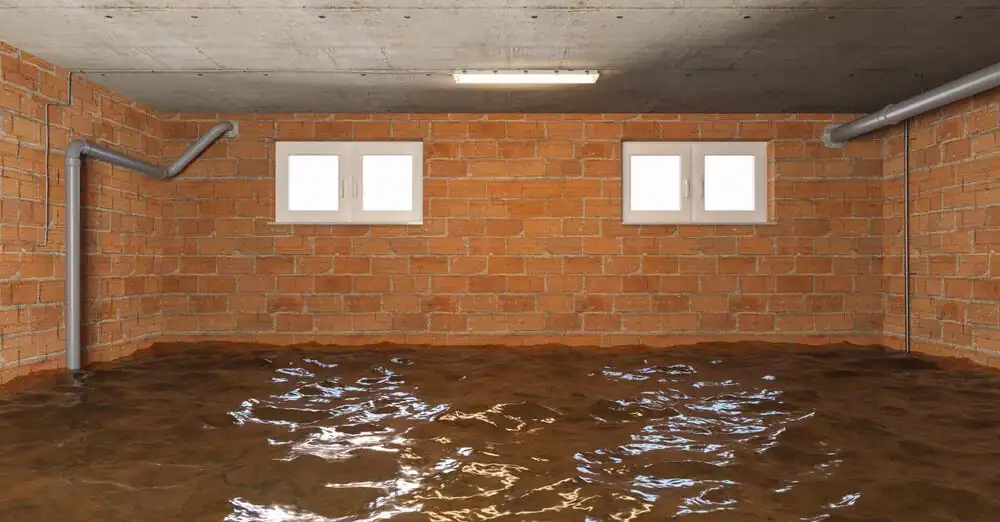
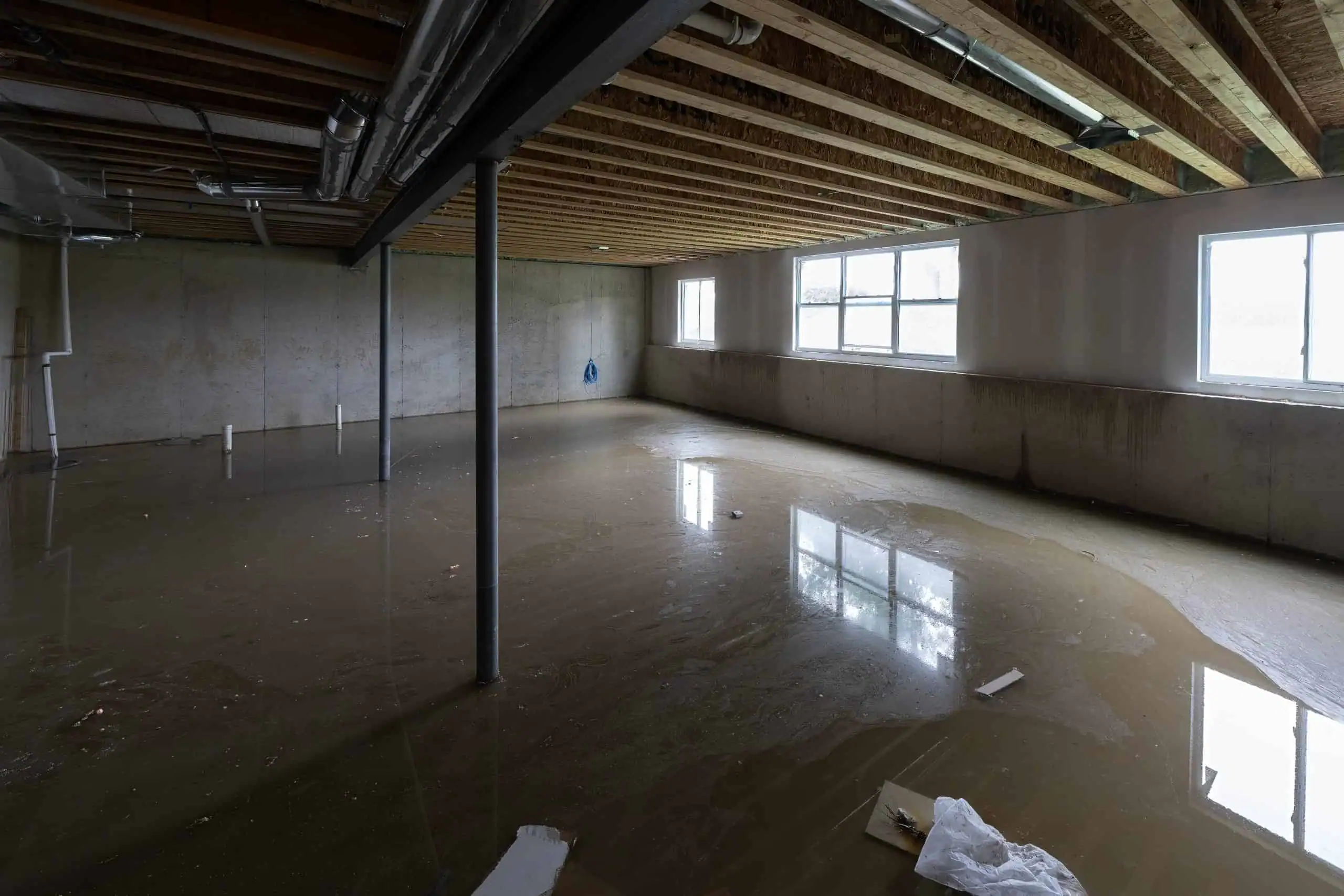
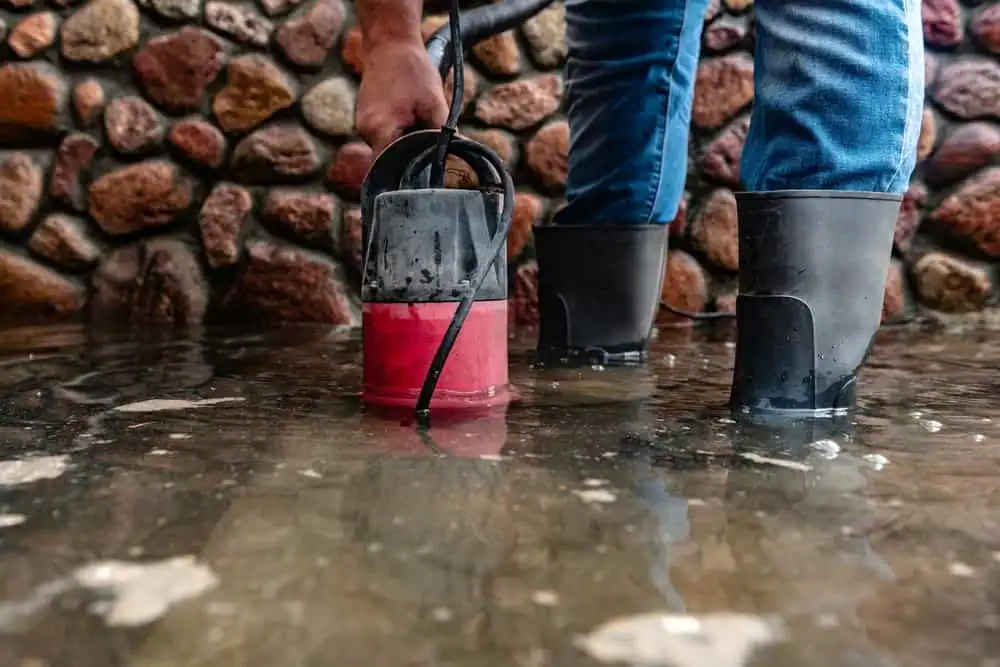
When Lake DeForest's Backyard Becomes Your Basement
Bardonia’s proximity to a 5-billion-gallon reservoir means groundwater doesn’t ask permission. When your basement floods, we respond 24/7 fast enough to stop mold before it starts.
I needed a professional consultation explanation of procedure for safe removal of Asbestos in my apartment complex. Without having an account yet, I was very impressed with the caring, knowledgeable and generous advice offered by Jessica, and will look forward to doing business in the future. Thank you so much! I feel much more informed about a sometimes scary endeavor. Peace. Nancy Silva Mineola, NY.
Mia Munoz
Used this company to clean up some water flood in my house. They were fast and easy to work with.very professional, Would recommend to anyone!
Nini Valle
Great company, had a flood and they responded quickly and efficiently. Billed my insurance company directly. I highly recommend this company!
joe colapietro, jr
I had pipe freeze in my basement right before a snow storm and they made to within an hour to help start the clean up process. They we by our side throughout the entire process and even helped with the insurance company. They did such a great job with the cleanup, repair, remidiation, I contracted them to perform the repairs and finishes in the basement. They came with enough manpower and material to get the job done. Leo and Jessica were nothing but a pleasure to deal with!!
Cristian Arredondo c
I had some water damage in my home and Green Island was able to take care of my issue quickly and effectively. I am very pleased with the work they did. They responded quickly and were very professional.
Michael M
Outstanding service! From the office to the field crew everyone was friendly, helpful and responsive. I highly recommend Green Island Group.
When the water is gone, the real work is just beginning. What you can’t see moisture trapped inside wall cavities, under your finished flooring, behind the framing of that basement family room is what turns a cleanup into a mold remediation project three weeks later. The goal isn’t just removing standing water. It’s making sure every inch of your basement is genuinely dry before anyone walks away.
Bardonia’s housing stock makes this especially important. The majority of homes here were built before 1980 split-levels and bi-levels with aging waterproofing, original drainage tile, and decades of freeze-thaw cycling on the foundation. That kind of wear doesn’t show up until water finds its way in. And when it does, you need someone who understands what’s behind those walls, not just what’s on the floor.
Living a short distance from Lake DeForest and the Hackensack River watershed also means groundwater pressure in Bardonia isn’t theoretical. When that reservoir pushes past capacity during a heavy storm which has happened the surrounding soil gets saturated fast. Sump pumps get overwhelmed. Basements flood. What you get from a thorough restoration is a dry, documented, and fully assessed space one you can actually trust again.
We’ve been doing restoration work across New York State for over 12 years. That’s more than 5,000 completed projects not a franchise count spread across dozens of locations, but one company with one standard of work. We hold NYS and NYC M/WBE certifications and work directly with the NYS Office of General Services. When state agencies trust you with their facilities, the bar is already set high.
For Bardonia homeowners in Clarkstown, that means you’re working with a contractor who understands local permit requirements, knows how to navigate New York’s mold remediation licensing laws, and is certified to handle asbestos abatement which matters a great deal in a hamlet where most homes were built in the 1960s and 70s. We’ve handled dozens of basement projects throughout Bardonia and the surrounding Rockland County area, and we know exactly what the older construction in this region requires.
We bill insurance directly, carry full liability and workers’ compensation coverage, and back every project with a 100% satisfaction guarantee. You’re not taking a chance on someone you found in a panic you’re calling a company that’s been through Rockland County’s worst storms and knows exactly what it takes to get a basement right.
What Actually Happens From First Call to Final Walkthrough
The first call triggers an emergency response 24 hours a day, seven days a week. We know that in Rockland County, the storms that flood basements don’t wait for business hours, and neither do we. When we arrive, the first thing we do is assess the full scope: not just the visible water, but where it came from, what category of contamination it carries, and whether any materials in your basement flooring, pipe insulation, ceiling tiles require asbestos evaluation before work begins. In a pre-1980 Bardonia home, that step isn’t optional.
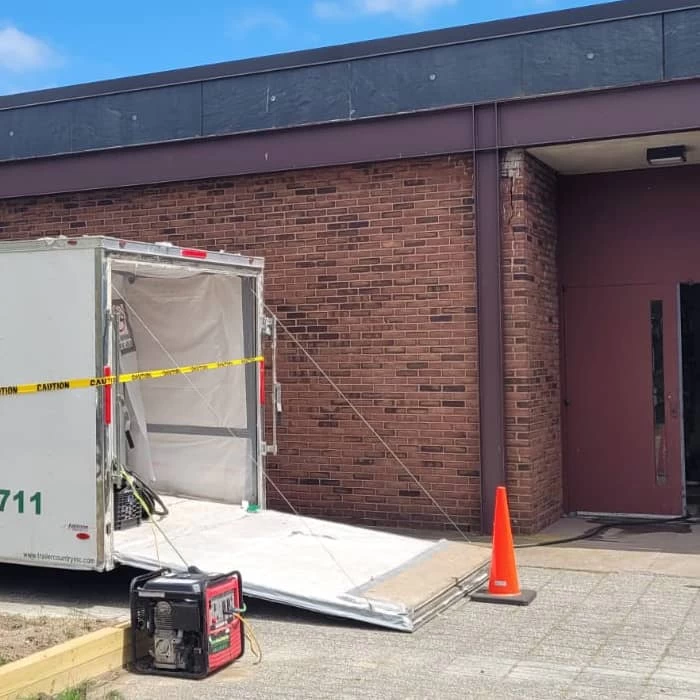
From there, we extract standing water using industrial equipment, then set up structural drying with commercial-grade dehumidifiers and air movers positioned to reach the areas consumer equipment never touches. Moisture meters and thermal imaging guide the process we’re not guessing, we’re measuring. Drying typically takes two to four days depending on the extent of saturation and the construction of your specific basement.
Once the space is confirmed dry, we assess for mold. If remediation is needed, we handle it in-house no referrals, no second contractor, no gap in accountability. If structural repairs are required, we do that too. The final walkthrough isn’t a handshake and a bill it’s a documented confirmation that your basement meets clearance standards and you’re satisfied with the result.
Everything Your Bardonia Basement Needs, Under One Roof
Flooded basement cleanup in Bardonia isn’t a single service it’s a sequence of connected steps that have to be handled correctly in the right order. We cover the full sequence: emergency water extraction, structural drying, dehumidification, mold assessment and remediation, sewage and biohazard cleanup, asbestos abatement, and full structural reconstruction when the damage goes that far. You don’t get handed off to a second or third contractor mid-project. One company, start to finish.
The asbestos piece is worth saying plainly. Homes in Bardonia built between 1960 and 1980 which accounts for the majority of the hamlet’s housing stock commonly contain asbestos-containing materials in basement floor tiles, pipe wrap, and ceiling products. Water contact can disturb those materials. A cleanup crew that isn’t certified for abatement shouldn’t be in that basement. We are, and we assess for it upfront.
On the financial side, the average insurance payout for water damage nationally sits around $13,954, and total restoration costs typically run between $3,864 and $16,000 depending on contamination level, square footage, and whether mold or structural damage is involved. If your claim is pending, if you’re underinsured, or if the scope is larger than expected, we offer financing up to $200,000 at 0% APR. No competitor serving the Clarkstown area offers anything close to that and it means you can authorize the work immediately, before more damage sets in.
How quickly does mold grow after a basement floods in Bardonia?
The EPA puts the window at 24 to 48 hours and that clock starts from the moment water enters the space, not from when you discover it. In a finished Bardonia basement with drywall, wood framing, and carpet, you’re dealing with materials that absorb moisture quickly and hold it well. By the time the water is visibly gone, the conditions for mold growth may already be in place inside the walls.
This is why response time matters more than most homeowners realize. A crew that arrives the same day and begins extraction and drying immediately is working within the window. A crew that shows up 48 hours later is often already doing mold remediation whether they’ve named it that or not. We respond 24/7 specifically because that window doesn’t move.
Will my homeowners insurance cover flooded basement cleanup in Bardonia, NY?
It depends on the cause, and that distinction matters. Standard homeowners insurance policies typically cover sudden and accidental water damage a burst pipe, a sump pump that failed during a storm, an appliance malfunction. What they generally don’t cover is groundwater flooding or gradual seepage. Given Bardonia’s location adjacent to Lake DeForest and the Hackensack River watershed, some homeowners in this area carry separate flood insurance through the National Flood Insurance Program. Many don’t.
The honest answer is that you need to check your policy, and you need to document the damage thoroughly before anything is touched. We handle insurance billing directly and help you build the documentation your carrier needs. We’ve worked through enough Rockland County claims to know what adjusters look for and how to present the damage accurately. If there’s coverage available to you, we’ll help you use it.
My Bardonia home was built in the 1970s do I need asbestos testing before cleanup?
If your home was built before 1980, it’s a reasonable question to ask and a responsible one. Homes of that era commonly contain asbestos in vinyl floor tiles, pipe insulation, ceiling tiles, and joint compound, all of which are materials you’re likely to find in a basement. When those materials are dry and undisturbed, they’re generally not an immediate hazard. When water contacts them, or when a crew starts pulling up flooring and cutting into walls, that changes.
New York State requires licensed contractors for asbestos abatement work, and the regulations are specific about testing, removal, and disposal procedures. We are certified for asbestos abatement and evaluate for it as part of the initial assessment on every project in older homes. If abatement is needed, we handle it in-house under proper NYS and USEPA protocols. You won’t be left managing that separately or wondering if the crew on-site knows what they’re dealing with.
What causes basements to flood in Bardonia even when there's no visible pipe damage?
The most common culprit is sump pump failure during or after heavy rain. Rockland County gets significant storm events the July 2025 flash flooding that hit Nanuet and surrounding communities is a recent example and when those storms knock out power or simply overwhelm a pump that hasn’t been serviced in a few years, water enters fast. Bardonia’s proximity to Lake DeForest and the Hackensack River headwaters means the water table in this area rises quickly during sustained rainfall, putting pressure on foundation walls and drainage systems that were installed decades ago.
Groundwater intrusion through foundation cracks, failed window well drains, and deteriorated waterproofing are also common in homes built in the 1960s and 70s. The infrastructure was adequate when it was installed it’s just old now. If your basement floods without an obvious source, a proper assessment will identify the entry point and give you a clear picture of what failed and why.
How long does flooded basement cleanup and drying actually take?
Water extraction itself is usually completed within a few hours depending on the volume and the size of your basement. The drying process is what takes time. Structural drying with commercial-grade equipment typically runs two to four days for a standard basement, though that range shifts based on how much of the space is finished, how saturated the building materials are, and whether any hidden moisture has gotten into wall cavities or under flooring.
We don’t set an arbitrary end date we use moisture meters and thermal imaging to confirm when the space has actually reached safe dryness levels. Pulling equipment early because it looks dry is one of the most common mistakes in this industry, and it’s how mold problems develop weeks after a cleanup. The timeline also depends on whether mold remediation or structural repairs are needed, which adds time but is handled by the same team without interruption.
Can Green Island Group handle sewage backup cleanup in a Bardonia basement?
Yes and it’s worth understanding why sewage backup requires a different level of response than a clean water flood. Sewage-contaminated water is classified as Category 3, or “black water,” under IICRC standards. It contains bacteria, pathogens, and biohazardous material that can remain in porous surfaces like drywall, insulation, and wood framing even after the visible water is gone. Standard drying procedures aren’t sufficient the space requires proper containment, disinfection, and in many cases removal of contaminated materials.
In Bardonia and throughout Clarkstown, aging municipal sewer infrastructure can contribute to backflow events during heavy rain, when storm systems and sanitary systems get overwhelmed simultaneously. It’s not a common occurrence, but it happens and when it does, the cleanup has to be handled by a team certified for biohazard work. We handle sewage backup cleanup in-house, following all applicable NYS and USEPA protocols, with full documentation for your insurance carrier.