When Whortlekill Creek Rises, Your East Fishkill Basement Shouldn't Pay for It
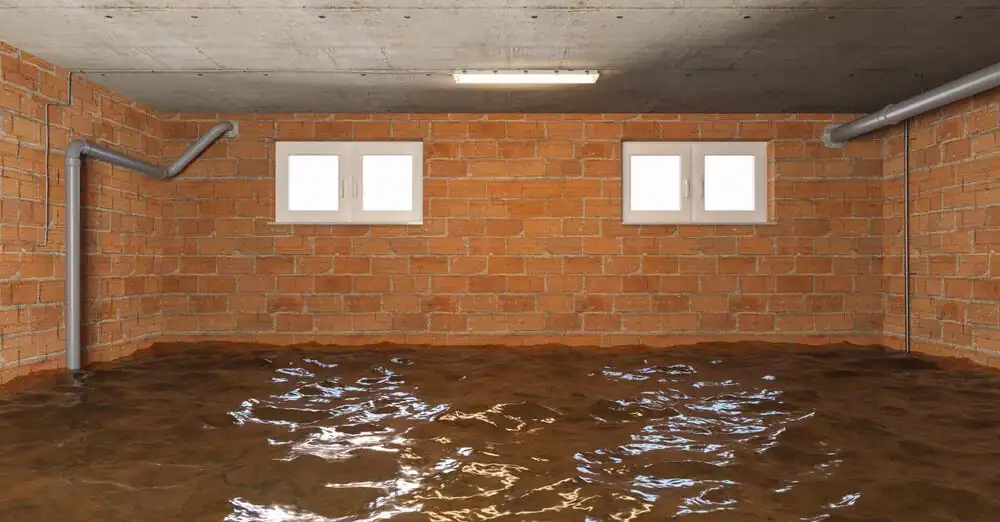
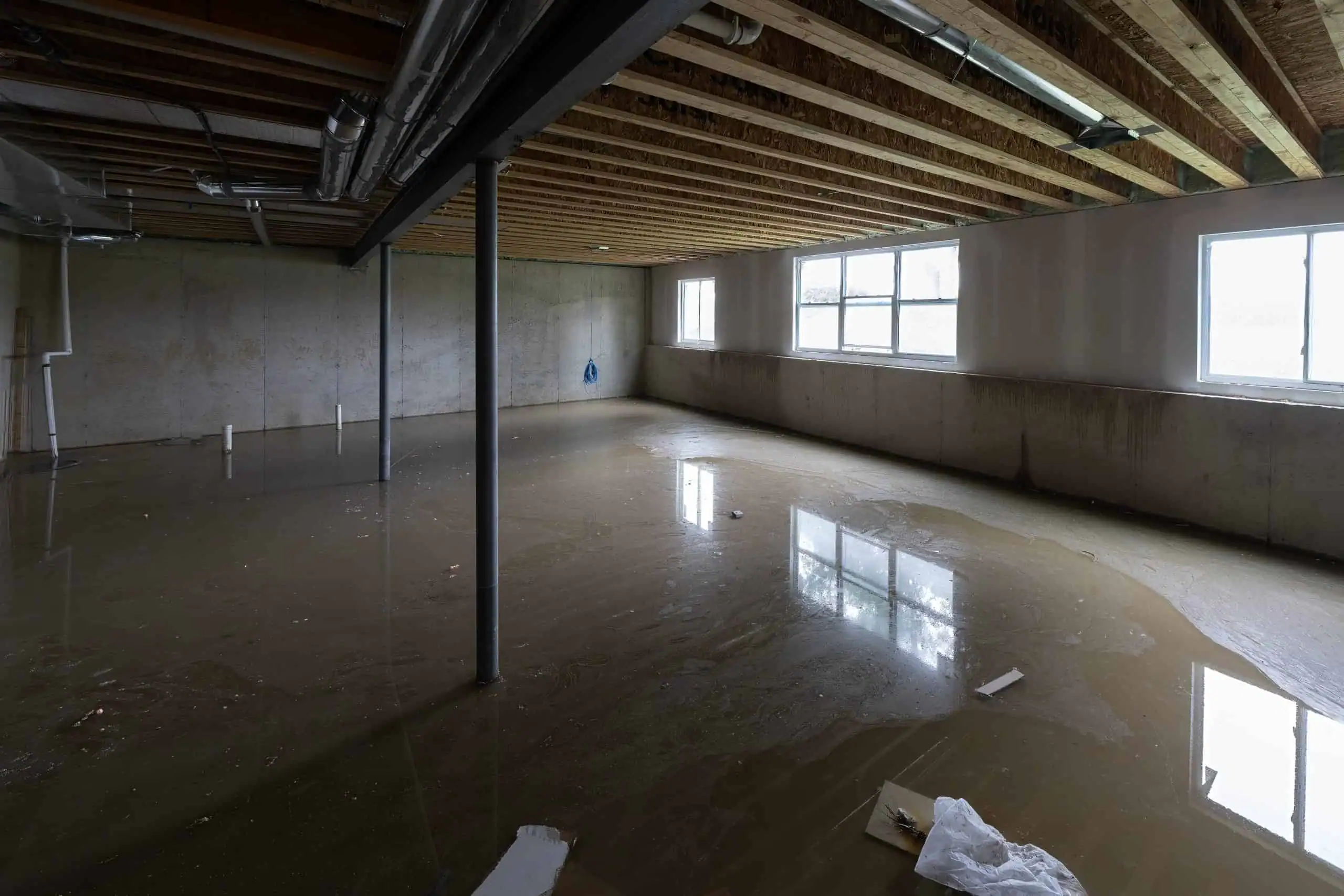
Flooded basement cleanup in East Fishkill starts with one call and a crew that can be there before the mold clock runs out. We dispatch 24/7, and we understand the specific flooding risks that East Fishkill homeowners face.
I needed a professional consultation explanation of procedure for safe removal of Asbestos in my apartment complex. Without having an account yet, I was very impressed with the caring, knowledgeable and generous advice offered by Jessica, and will look forward to doing business in the future. Thank you so much! I feel much more informed about a sometimes scary endeavor. Peace. Nancy Silva Mineola, NY.
Mia Munoz
Used this company to clean up some water flood in my house. They were fast and easy to work with.very professional, Would recommend to anyone!
Nini Valle
Great company, had a flood and they responded quickly and efficiently. Billed my insurance company directly. I highly recommend this company!
joe colapietro, jr
I had pipe freeze in my basement right before a snow storm and they made to within an hour to help start the clean up process. They we by our side throughout the entire process and even helped with the insurance company. They did such a great job with the cleanup, repair, remidiation, I contracted them to perform the repairs and finishes in the basement. They came with enough manpower and material to get the job done. Leo and Jessica were nothing but a pleasure to deal with!!
Cristian Arredondo c
I had some water damage in my home and Green Island was able to take care of my issue quickly and effectively. I am very pleased with the work they did. They responded quickly and were very professional.
Michael M
Outstanding service! From the office to the field crew everyone was friendly, helpful and responsive. I highly recommend Green Island Group.
When the water’s gone, the real risk is what you can’t see. Moisture trapped inside walls, under flooring, and behind insulation is where mold takes hold and in East Fishkill’s humid continental climate, it doesn’t take long. The EPA puts the window at 24 to 48 hours.
A lot of the homes in East Fishkill especially those built during the IBM-era boom of the 1960s and 70s in neighborhoods like Dogwood Knolls and Jefferson Park have basement materials that require more than a shop vac and a dehumidifier. Vinyl floor tiles, pipe insulation, ceiling texture from that era commonly contain asbestos. If floodwater disturbs those materials, you’re dealing with a hazardous situation that most restoration companies aren’t equipped to handle. We are.
The outcome you’re after isn’t just a dry basement. It’s a basement that’s been properly assessed, fully dried, and cleared of anything that could cause a health or structural problem down the road. That’s what a complete job looks like not just water out, but genuinely done.
We’ve been doing environmental restoration work across New York State for over 12 years and more than 5,000 completed projects. That experience means when something unexpected turns up mid-job, our crew knows what to do without stopping to figure it out.
East Fishkill sits in a part of Dutchess County where flooding isn’t a freak event it’s a documented, recurring reality. The town’s own Building Department acknowledges that a large portion of East Fishkill falls within FEMA’s Special Flood Hazard Area, and the Whortlekill Creek floodplain near Hopewell Junction has a history of inundating nearby properties. The Taconic State Parkway has closed in both directions during major storm events here. This isn’t generic Hudson Valley flooding it’s specific to East Fishkill, and our work reflects that understanding.
We hold NYS and NYC M/WBE Certification, work with the NYS Office of General Services, and carry full liability and workers’ compensation insurance. You’re not rolling the dice on who shows up.
What Actually Happens From Your First Call to the Final Inspection
The first call triggers a 24/7 emergency dispatch. Our crew heads to your location whether you’re near the Route 376 corridor in Hopewell Junction, out toward Stormville, or further into the eastern hamlets like Hortontown or Pecksville. Response time matters here, and verified customer reviews confirm crews arriving within an hour of contact.
On arrival, we assess the water category first. Rainwater intrusion, a burst pipe, and sewage backup are three completely different situations and the cleanup protocol changes accordingly. Category 3 black water, which can occur when East Fishkill’s private septic systems become overwhelmed during saturated ground conditions, requires full biohazard decontamination, not just extraction. If there’s any indication of asbestos-containing materials in the flooring or walls common in pre-1980 homes throughout this area that gets flagged and handled under proper abatement protocols before any demolition begins.
After extraction comes structural drying: industrial air movers, dehumidifiers, and moisture mapping to confirm that walls, subfloor, and framing have reached safe levels. If your property is in a FEMA Special Flood Hazard Area and the damage triggers a Floodplain Development Permit through the East Fishkill Building Department, we factor that process into the timeline. Nothing gets closed up until the readings confirm it’s done right.
Mold Remediation and Water Cleanup Dutchess County
Everything the Job Requires Not Just the Easy Parts
Flooded basement cleanup in East Fishkill isn’t a one-size situation. What’s included in the job depends on what the water brought with it, how long it sat, and what your basement is made of. For a standard clean-water event a failed sump pump, a burst pipe during one of this area’s deep winter freezes the scope covers extraction, drying, dehumidification, and a full moisture assessment before anything gets rebuilt. For sewage backup or Category 3 contamination, the scope expands to include full biohazard cleanup, antimicrobial treatment, and proper material disposal under NYS and EPA guidelines.
For homes in the older subdivisions the IBM-era builds that make up a significant portion of East Fishkill’s residential stock asbestos abatement is often part of the picture. We’re licensed to handle it in the same engagement, which means no coordinating a second contractor and no waiting weeks for someone else to clear the site before restoration can continue.
We handle insurance billing directly, including documentation support for homeowners navigating both a standard policy and a separate NFIP flood policy. And for situations where coverage falls short or a claim is delayed, we offer financing up to $200,000 at 0% APR a resource that no other restoration company currently serving Dutchess County offers. The job gets done completely, not just as far as the insurance check reaches.
Does homeowners insurance cover a flooded basement in East Fishkill, NY?
It depends on what caused the flooding and this distinction matters more in East Fishkill than people expect. Standard homeowners insurance typically covers sudden, internal water damage: a burst pipe, a failed water heater, an appliance leak. It does not cover flooding that originates outside the home, like storm surge, overland water from heavy rain, or creek overflow from the Whortlekill Creek floodplain near Hopewell Junction. That type of damage requires a separate flood insurance policy, typically through FEMA’s National Flood Insurance Program.
East Fishkill homeowners in designated Special Flood Hazard Areas may carry both policies simultaneously which means filing two separate claims with two different adjusters at the same time. We handle insurance billing directly and can document the damage in a way that satisfies both claim types. If your coverage has a gap or your claim is delayed, the 0% APR financing option up to $200,000 means the job doesn’t have to wait on a check.
How quickly can mold grow after a basement floods in East Fishkill?
The EPA documents that mold growth can begin within 24 to 48 hours of water exposure. In East Fishkill’s climate where summer storms drop several inches of rain in a matter of hours and basements in older homes often have limited airflow that window closes fast. If water sat for any length of time before cleanup started, mold may already be present inside wall cavities or under flooring even if the surface looks dry.
This is why the moisture assessment phase matters as much as the extraction itself. Industrial moisture meters and thermal imaging can detect elevated moisture levels behind drywall and under subfloor that a visual inspection would miss entirely. If mold is found during the assessment, remediation gets added to the scope before any reconstruction begins. Getting it right the first time is the only way this job actually ends.
My East Fishkill home was built in the 1960s is asbestos a concern during cleanup?
Yes, and it’s worth taking seriously. Homes built in the 1960s and 1970s which includes a significant portion of East Fishkill’s residential stock in neighborhoods like Dogwood Knolls and Jefferson Park, built during the IBM campus expansion era commonly contain asbestos in 9-inch vinyl floor tiles, pipe insulation, ceiling texture, and joint compound. These materials are generally stable when left undisturbed, but floodwater changes that equation. Wet tiles can lift, insulation can shift, and any demolition required to dry out the structure can disturb materials that then become a health hazard.
Most restoration companies are not licensed to handle asbestos abatement. We are. If there’s any indication that asbestos-containing materials are present in your basement, our team flags it before any demolition begins, handles the abatement under proper NYS protocols, and continues with the water damage restoration in the same engagement. You don’t need a second contractor, a second timeline, or a second round of coordination during what’s already a stressful situation.
What is Category 3 water damage and does it apply to basement flooding here?
Category 3 water also called black water refers to flooding that contains sewage, bacteria, or other biological contaminants. It’s not just dirty water. It’s a biohazard, and it requires a completely different cleanup protocol than a burst pipe or rainwater intrusion. In East Fishkill, this is a realistic scenario for a specific reason: a meaningful portion of the town relies on private septic systems rather than municipal sewer, particularly in the more rural and semi-rural sections. When the ground becomes saturated during heavy rain which happens regularly in the Hopewell Junction floodplain and near the Sylvan Lake Outlet corridor septic systems can back up into basements.
If your basement flooded and the water has any discoloration, odor, or came up through a floor drain, assume Category 3 until it’s tested otherwise. We handle black water cleanup under full NYS and EPA protocols: full extraction, antimicrobial treatment, contaminated material removal, and documentation of the decontamination process. This isn’t a situation where you want to cut corners the health risk to your family is real and it doesn’t go away just because the water is gone.
Do I need a permit to repair flood damage in East Fishkill?
Potentially, yes and it’s worth checking before any reconstruction begins. The East Fishkill Building Department at 330 Route 376 in Hopewell Junction administers Floodplain Development Permits for any construction or substantial improvement in FEMA-designated flood zones. If your property is in a Special Flood Hazard Area and the damage qualifies as a “substantial improvement” generally defined as repairs exceeding 50% of the structure’s pre-damage value additional compliance requirements may apply, including elevation standards.
This isn’t a bureaucratic technicality. If you complete unpermitted work in a flood zone and later file an insurance claim or sell the property, the lack of permits can create serious complications. The Building Department can be reached at (845) 221-9191 to verify your property’s flood zone status and permit requirements. We factor local permit requirements into the project timeline so the restoration process doesn’t create a compliance problem you find out about later.
How much does flooded basement cleanup cost in East Fishkill, NY?
The honest answer is that it depends on what you’re dealing with. A clean-water event a sump pump failure, a burst pipe with no mold and no hazardous materials typically runs between $2,000 and $7,000 for extraction, drying, and assessment. When sewage contamination is involved, or when mold remediation is needed, or when asbestos abatement is required in an older East Fishkill home, costs can reach $12,000 or more. The national average insurance payout for water damage claims is around $13,954, which gives you a realistic benchmark.
What affects your out-of-pocket cost most is coverage. Standard homeowners insurance may cover some scenarios but not others, and NFIP flood policies have their own limits and exclusions. We bill insurance directly and help document the damage thoroughly to support the strongest possible claim. For anything not covered or for homeowners who want the work done completely before the insurance process resolves we offer financing up to $200,000 at 0% APR. In a town where flooding is a documented, recurring reality and older homes carry compounding risk factors, having that option matters.