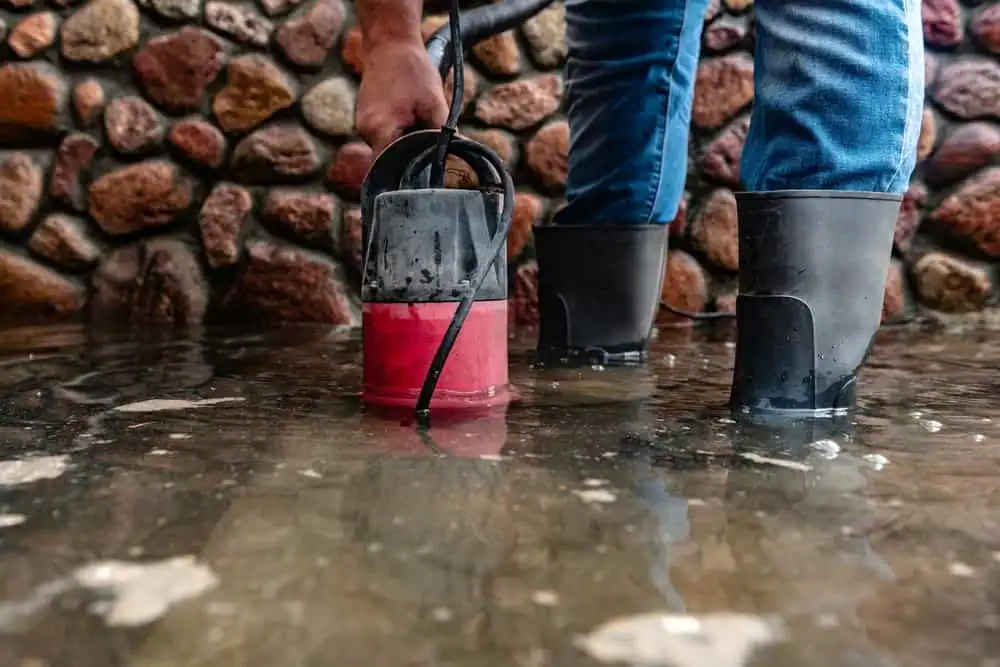
When the Hudson Valley Floods, Beacon Basements Pay the Price
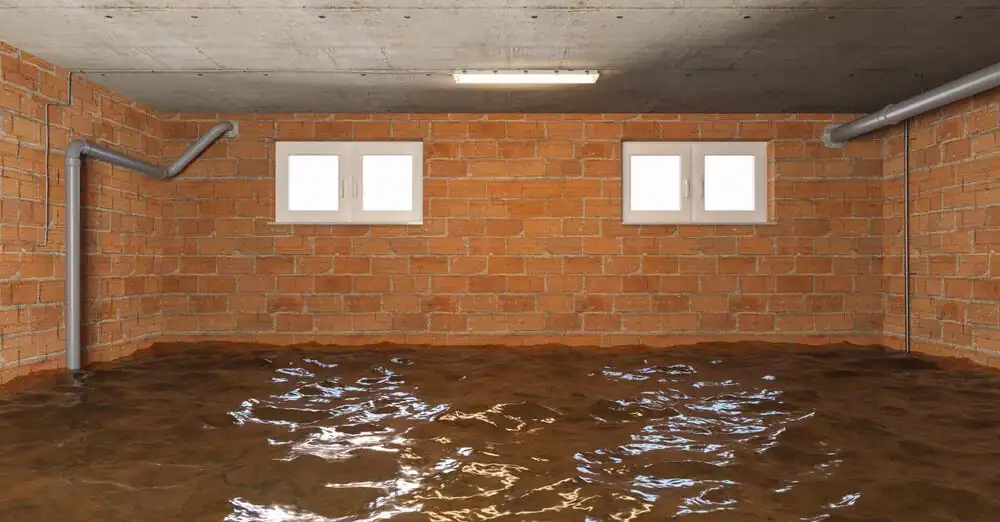
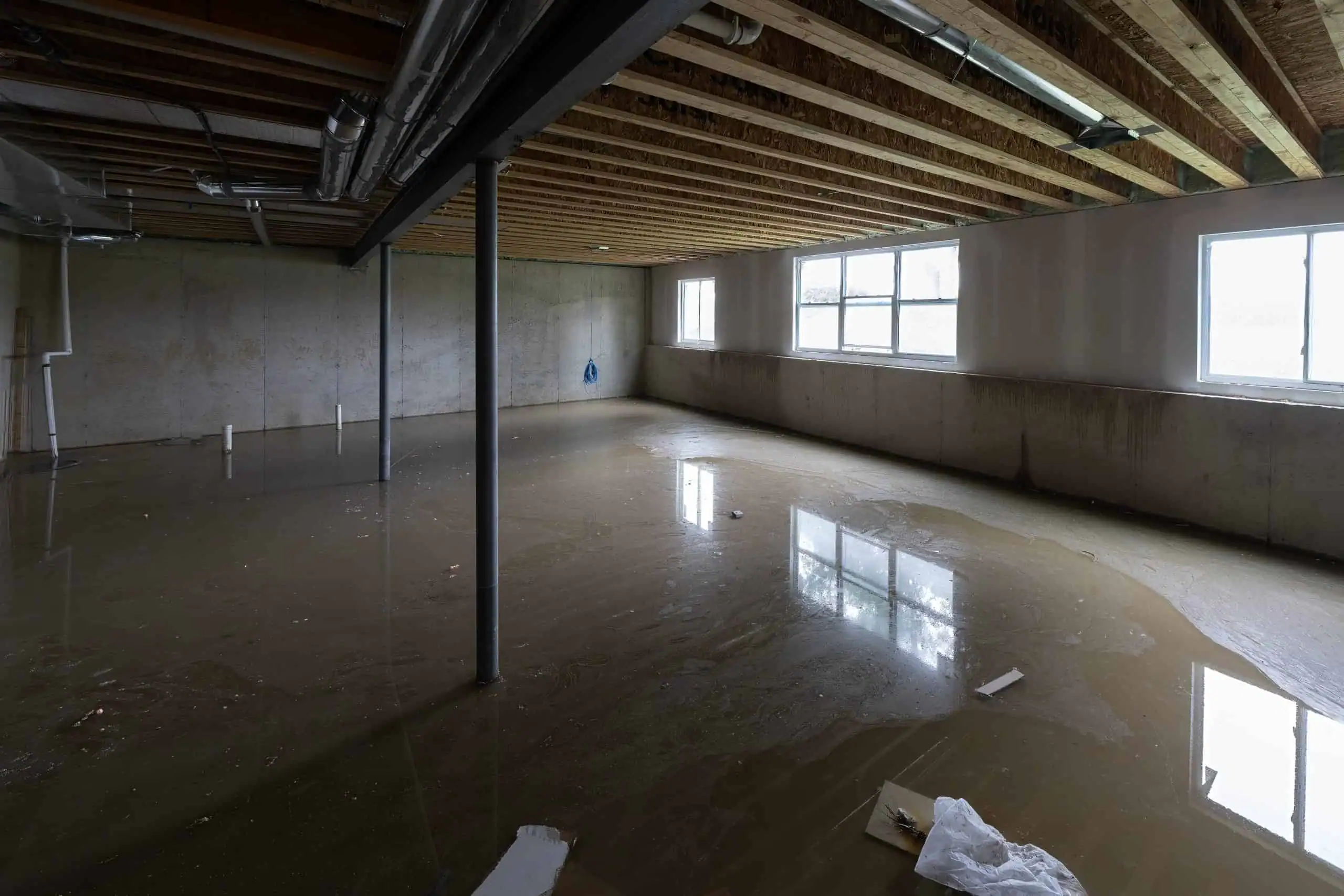
Fishkill Creek doesn’t warn you. Neither does a backed-up sewer line at 2 AM. We respond 24/7 to flooded basement cleanup in Beacon, NY with direct insurance billing and financing up to $200,000 at 0% APR.
I needed a professional consultation explanation of procedure for safe removal of Asbestos in my apartment complex. Without having an account yet, I was very impressed with the caring, knowledgeable and generous advice offered by Jessica, and will look forward to doing business in the future. Thank you so much! I feel much more informed about a sometimes scary endeavor. Peace. Nancy Silva Mineola, NY.
Mia Munoz
Used this company to clean up some water flood in my house. They were fast and easy to work with.very professional, Would recommend to anyone!
Nini Valle
Great company, had a flood and they responded quickly and efficiently. Billed my insurance company directly. I highly recommend this company!
joe colapietro, jr
I had pipe freeze in my basement right before a snow storm and they made to within an hour to help start the clean up process. They we by our side throughout the entire process and even helped with the insurance company. They did such a great job with the cleanup, repair, remidiation, I contracted them to perform the repairs and finishes in the basement. They came with enough manpower and material to get the job done. Leo and Jessica were nothing but a pleasure to deal with!!
Cristian Arredondo c
I had some water damage in my home and Green Island was able to take care of my issue quickly and effectively. I am very pleased with the work they did. They responded quickly and were very professional.
Michael M
Outstanding service! From the office to the field crew everyone was friendly, helpful and responsive. I highly recommend Green Island Group.
When your basement floods in Beacon, the water you can see is only part of the problem. Moisture hides inside walls, under flooring, and behind old plaster and in a city where nearly 40% of homes were built before 1939, that moisture finds more places to go and more damage to do than in a newer build. If it isn’t pulled out completely, you’re looking at mold within 48 hours, structural deterioration over time, and a property value that quietly takes a hit.
Beacon’s flood risk isn’t a single thing. You’ve got the Hudson River on one side, Fishkill Creek cutting right through the middle of the city, and Mount Beacon pushing runoff down toward foundations on the east end. A home near the Matteawan uplands floods differently than one near Long Dock Park and both flood differently than a row house on East Main Street that catches sewer backpressure during a heavy rain event. The cleanup has to match the cause, not just the symptom.
What you get on the other side of a proper remediation is a basement that’s genuinely dry, documented, and ready whether that means handing photos to your insurance adjuster, having mold clearance for a sale, or simply not worrying every time a storm rolls in off the river. That’s the outcome worth working toward.
We’ve been doing environmental restoration work across New York State for over 12 years, with more than 5,000 completed projects behind us. We hold dual NYS and NYC M/WBE Certification and work directly with the NYS Office of General Services which means the State of New York has vetted our work, our compliance, and our insurance before trusting us with its own facilities. That’s not a marketing line. It’s a verifiable credential.
For Beacon specifically, that background matters. This city sits in Dutchess County with a housing stock that predates most of the regulatory frameworks that govern modern restoration work. Pre-war Victorians on High Street, mid-century buildings near the Matteawan section, converted industrial spaces near the waterfront these aren’t standard jobs. They require a contractor who understands asbestos risk in older materials, knows how to document work for historic preservation review, and carries full liability and workers’ compensation insurance when things get complicated.
We’re fully insured, we bill insurance directly, and we back every project with a 100% Satisfaction Guarantee. You don’t have to manage the paperwork nightmare while your basement is still wet.
What Actually Happens From the First Call to the Final Clearance
The moment you call, we’re moving. We operate 24/7 because flooding in Beacon doesn’t follow a schedule and the 24 to 48-hour window before mold sets in is real. When we arrive, the first thing we do is assess the source and category of the water. That distinction matters more in Beacon than most places. Water from a burst pipe is a different remediation than water that backed up through a floor drain during a storm that overwhelmed the city’s sewer system. Category 3 sewage contamination requires containment, licensed extraction, and sanitization protocols not just a wet vac and a fan.
Once the source is identified, we extract standing water, set industrial drying equipment, and begin moisture mapping using thermal imaging and calibrated meters. In a pre-war Beacon home, moisture hides in original plaster, behind old wainscoting, and under hardwood floors that look dry on the surface. We find it before it becomes a mold problem. If the assessment turns up asbestos-containing materials floor tiles, pipe insulation, ceiling material common in pre-1980 basements we handle abatement in-house. No subcontractors, no coordination gaps, no delays.
Throughout the process, we document everything for your insurance claim. If your Beacon property sits in a FEMA-designated flood zone along the Hudson or near Fishkill Creek, and you’re navigating both a standard homeowners policy and a separate NFIP flood policy, we’ve done this before. We know what adjusters need and we make sure it’s there.
Full-Scope Cleanup Built for Beacon's Specific Flood Profile
Beacon isn’t a one-size-fits-all flood market. The city has four distinct flooding mechanisms Hudson River overflow, Fishkill Creek surges, mountain runoff from the east slope, and sewer backpressure from aging infrastructure and each one creates a different cleanup scenario. What we bring to Beacon is a full-service capability that covers every layer of that picture: water extraction and drying, mold remediation, asbestos abatement, sewage decontamination, and complete structural reconstruction when the damage goes that deep.
For homeowners in Dutchess County dealing with older properties, the asbestos question comes up more often than people expect. Nine-inch vinyl floor tiles, pipe wrap on old steam heating systems, and joint compound in pre-1980 walls all have a realistic chance of containing asbestos in a city where the majority of homes predate 1980. When those materials get wet and need to come out, you need a licensed abatement contractor not just a restoration crew. We handle both under one roof, which keeps your project on a single timeline with one point of accountability.
If your coverage has gaps and many Beacon homeowners discover that standard policies don’t cover external flooding from the river or the creek our financing option covers up to $200,000 at 0% APR. The cleanup doesn’t stall because of an insurance dispute. Your home gets restored on your timeline, not the adjuster’s.
Does homeowners insurance cover a flooded basement in Beacon, NY?
It depends entirely on where the water came from and this is where a lot of Beacon homeowners get caught off guard. Standard homeowners insurance typically covers sudden and accidental water damage from inside the home: a burst pipe, a failed water heater, an appliance that overflows. What it does not cover is flooding that originates outside the home, which includes water that enters your basement from the Hudson River, from Fishkill Creek overflowing its banks, or from stormwater saturating the ground around your foundation.
For that kind of flooding, you need a separate National Flood Insurance Program policy. Some Beacon properties in FEMA-designated Special Flood Hazard Areas along the riverfront are required to carry it; many others are not required but probably should. If you’re unsure whether your property is in a flood zone, Dutchess County’s ParcelAccess tool at gis.dutchessny.gov lets you check by address. We document the full scope of damage from the moment we arrive, which protects your claim regardless of which policy applies or whether you’re navigating both at once.
How quickly does mold start growing after a basement flood?
The EPA puts the window at 24 to 48 hours under the right conditions and Beacon’s climate creates those conditions reliably. Humid Hudson Valley summers, wet springs fed by snowmelt off Mount Beacon, and the general moisture load that comes with living next to a tidal river mean that a flooded basement here isn’t sitting in a dry environment while you figure out your next move. Mold doesn’t need much. It needs a damp surface, organic material drywall, wood framing, old plaster and a little time.
The other factor specific to Beacon’s older housing stock is that mold in a pre-war home has more places to hide. Original plaster walls, tongue-and-groove subfloors, and older insulation all absorb moisture differently than modern materials, and they hold it longer. Surface drying isn’t enough. Proper remediation means pulling moisture data from inside wall cavities, under flooring, and behind structural elements not just what’s visible. That’s what prevents a cleanup job from turning into a mold remediation job six weeks later.
Is sewage backup in a Beacon basement covered by insurance?
Sewage backup is typically not covered under a standard homeowners policy unless you’ve added a specific sewer or drain backup endorsement and many homeowners don’t realize that gap exists until they’re standing in contaminated water. Beacon’s aging sewer infrastructure and the documented history of the city’s wastewater system being overwhelmed during heavy rain events make this a realistic risk, not a theoretical one. When more than four inches of rain falls in a short window, backpressure in the sanitary system can push sewage up through basement floor drains.
That water is classified as Category 3, or black water biohazardous contamination that requires licensed extraction, containment, and sanitization under NYS and USEPA protocols. It is not a cleanup you want to attempt yourself, and it’s not something a standard water extraction crew is equipped to handle properly. If you have a sewer backup endorsement on your policy, we document the event and bill directly. If you don’t have coverage, our 0% APR financing up to $200,000 means you can get the job done safely without waiting on a coverage dispute.
What should I do the moment I discover a flooded basement?
The first thing is to stay out of the water if there’s any chance your electrical panel, outlets, or appliances are submerged or near the water line. Electrocution is a real risk in a flooded basement, and it’s not worth the gamble. If you can safely reach your breaker panel from a dry area and cut power to the basement, do it. If you can’t reach it safely, don’t try.
After that, call a professional before you start moving things or running a shop vac. The reason that matters is documentation. Your insurance adjuster will want to see the original damage not a partially cleaned-up version of it. We photograph and document the full scope before extraction begins, which protects your claim and prevents disputes about what was actually damaged. In Beacon, where a single storm can flood dozens of basements simultaneously city records show at least 19 basements requiring emergency pumping in one event getting on the phone early matters. Response windows fill up fast during major weather events, and the 48-hour mold clock doesn’t pause while you wait.
My Beacon home was built before 1940 does that affect the cleanup process?
Yes, and it’s worth understanding before work begins. Beacon has one of the oldest housing stocks in the country roughly 40% of homes were built before 1939, according to NeighborhoodScout data. That means a significant portion of the city’s basements contain materials that were standard before asbestos was regulated: nine-inch vinyl floor tiles, pipe insulation on old steam heating systems, ceiling tiles, and joint compound in walls. When those materials get wet and need to be removed, the job requires a licensed asbestos abatement contractor, not just a water damage crew.
We handle asbestos abatement in-house, which means a flooded pre-war Beacon basement doesn’t require you to hire two separate contractors, manage two separate timelines, or wait for an abatement crew to clear the site before restoration can begin. We assess for hazardous materials during the initial inspection, communicate clearly about what we find, and proceed under full NYS compliance protocols. If your home is also subject to Beacon’s Historic Preservation review requirements which applies to properties in designated historic areas we’re familiar with working within that framework as well.
How much does flooded basement cleanup typically cost in Beacon, NY?
For a standard residential basement with clean water damage a burst pipe, a failed sump pump costs typically run between $2,000 and $7,000 depending on the size of the space, how long the water sat, and how much material needs to come out. When sewage contamination is involved, or when mold remediation is needed on top of water extraction, that range can reach $10,000 to $12,000 or more. Beacon’s older housing stock adds another variable: if asbestos-containing materials are present and need to be abated as part of the cleanup, that work is factored into the overall scope.
The honest answer is that the final number depends on what we find when we get there and that’s true for any legitimate contractor, not just us. What we can tell you is that we provide a clear scope before work begins, bill insurance directly when coverage applies, and offer financing up to $200,000 at 0% APR for homeowners whose coverage doesn’t cover the full loss. In a city where standard policies routinely exclude external flooding from the Hudson River or Fishkill Creek, that financing option exists because the gap between what insurance pays and what the job actually costs is a real problem for real Beacon homeowners not a hypothetical one.