I needed a professional consultation explanation of procedure for safe removal of Asbestos in my apartment complex. Without having an account yet, I was very impressed with the caring, knowledgeable and generous advice offered by Jessica, and will look forward to doing business in the future. Thank you so much! I feel much more informed about a sometimes scary endeavor. Peace. Nancy Silva Mineola, NY.
Mia Munoz
Used this company to clean up some water flood in my house. They were fast and easy to work with.very professional, Would recommend to anyone!
Nini Valle
Great company, had a flood and they responded quickly and efficiently. Billed my insurance company directly. I highly recommend this company!
joe colapietro, jr
I had pipe freeze in my basement right before a snow storm and they made to within an hour to help start the clean up process. They we by our side throughout the entire process and even helped with the insurance company. They did such a great job with the cleanup, repair, remidiation, I contracted them to perform the repairs and finishes in the basement. They came with enough manpower and material to get the job done. Leo and Jessica were nothing but a pleasure to deal with!!
Cristian Arredondo c
I had some water damage in my home and Green Island was able to take care of my issue quickly and effectively. I am very pleased with the work they did. They responded quickly and were very professional.
Michael M
Outstanding service! From the office to the field crew everyone was friendly, helpful and responsive. I highly recommend Green Island Group.
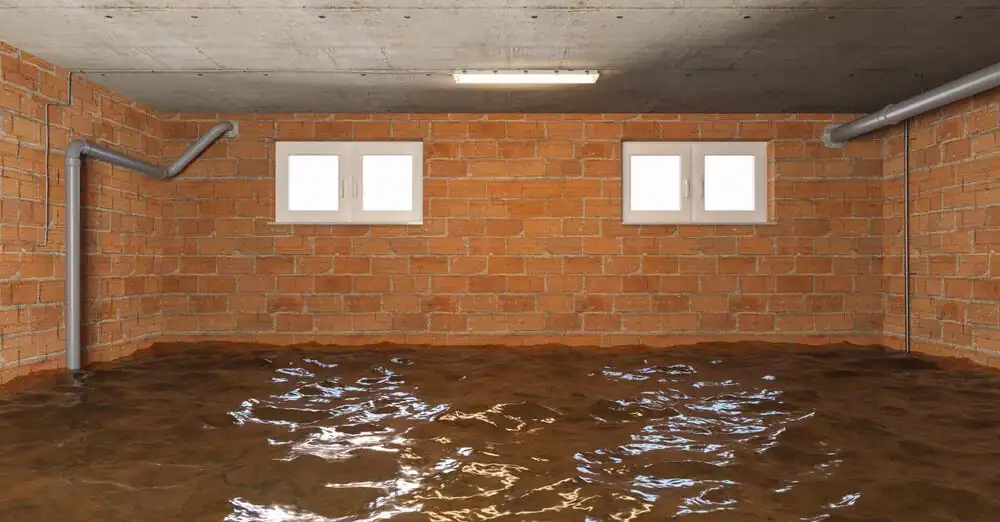
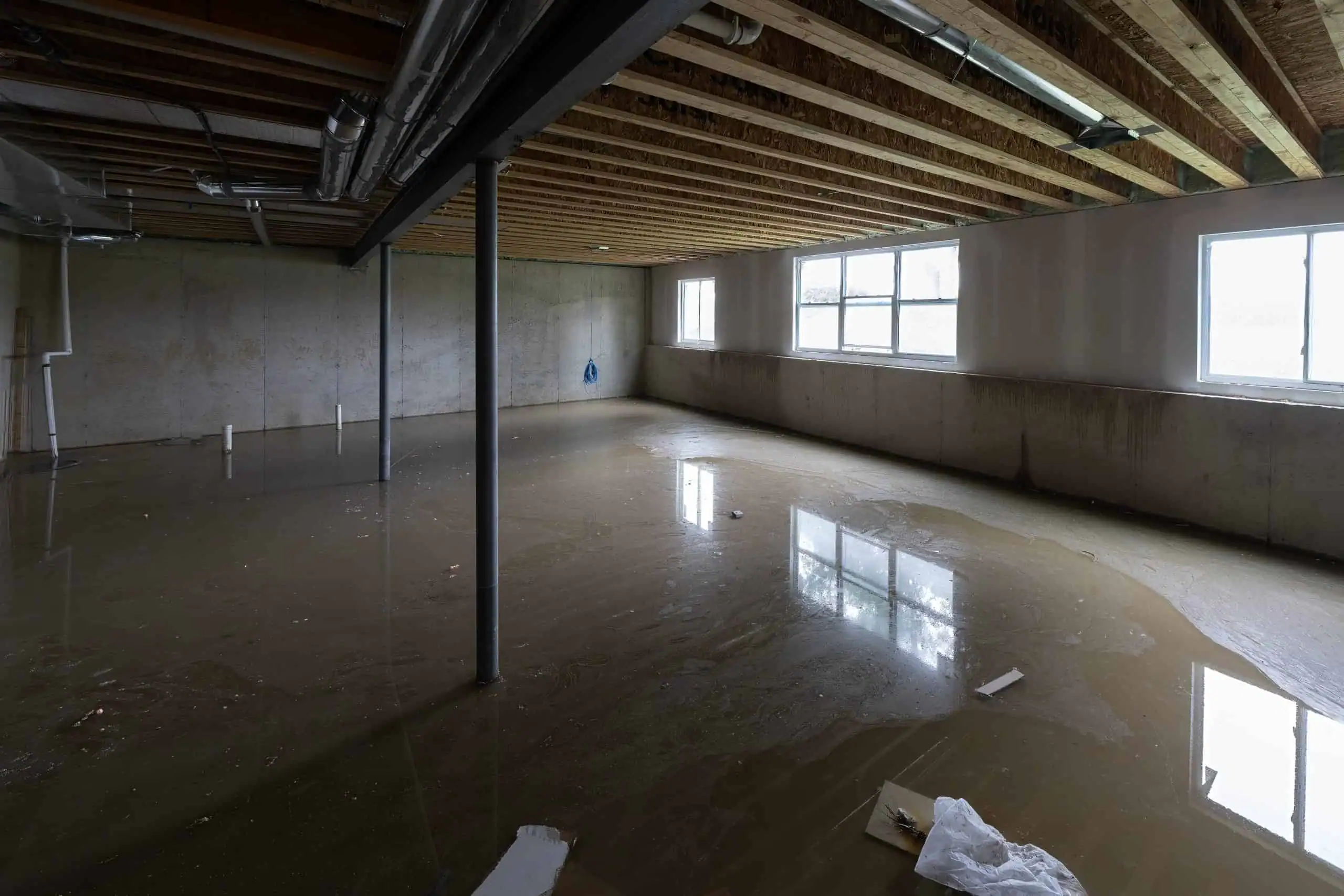
A Dry Basement and a Clear Head Here's What That Looks Like
When the water is gone and the basement is properly dried, you stop worrying about what’s growing behind the drywall. You stop second-guessing whether the smell is normal. You get your storage back, your finished rec room back, and in a lot of cases, your peace of mind back too. That’s the actual outcome not just “water removed,” but a home that’s safe to live in again.
For Beekman homeowners specifically, that matters more than it might somewhere else. A lot of homes here sit on terrain shaped by glacial activity the same geological history that formed Sylvan Lake. That means clay-heavy subsoil, elevated groundwater near the lake, and hillside runoff that builds pressure against foundation walls faster than most homeowners expect. When a heavy storm rolls through on Route 55 or the back roads off Clove Valley, the water doesn’t just come in from one direction. It seeps, it pushes, and it finds every weak point.
The other thing worth knowing: Beekman has a meaningful portion of older housing stock, particularly in areas like Clove Valley and Beekmanville. Pre-1980 homes can have asbestos in basement floor tiles, pipe insulation, or ceiling texture. A flood that disturbs those materials turns a water damage call into something more complex and most restoration companies aren’t equipped to handle both. We are.
5,000 Projects In. We've Seen What Dutchess County Throws at Basements.
We’ve been doing environmental restoration work in New York State for over 12 years, with more than 5,000 completed projects across the region. That’s not a number pulled from a brochure it’s the actual volume of flooded basements, sewage backups, mold remediations, and structural restorations we’ve handled as a team that shows up, does the work, and stands behind it.
We hold NYS and NYC M/WBE Certification and work directly with the NYS Office of General Services the same agency that manages New York’s public buildings and infrastructure. That level of government vetting means something. It’s a bar most contractors in Dutchess County haven’t cleared.
For Beekman residents, one thing stands out in particular: we bill your insurance carrier directly. Multiple customers have described this specifically in reviews not just “they helped with insurance,” but actual direct billing and real support through the claims process. When you’re dealing with a flooded basement off Route 216 near Green Haven or a sump pump failure in a Dalton Farm colonial, the last thing you need is to also become your own insurance adjuster.
From the First Call to a Fully Dried Basement No Guesswork
It starts with a call any time, day or night. We operate 24/7, which matters in a town like Beekman where the nearest urban service hubs are 15 to 20 minutes out on Route 55 and waiting until morning isn’t always an option. When our crew arrives, the first step is assessment: where the water came from, what category it is, and what it’s already affected.
Category matters a lot here. Clean water from a burst pipe is handled differently than gray water from a failed sump pump, and both are handled differently than Category 3 black water from a sewage backup or exterior floodwater intrusion which is a real scenario in Beekman given the county’s documented flood history and the spring snowmelt patterns that affect this area every year. The assessment determines the full scope before any equipment gets set up.
From there, it’s extraction first, then structural drying using industrial dehumidifiers and air movers placed strategically to pull moisture out of walls, subfloors, and insulation not just the visible surface water. Moisture readings are taken throughout the process to confirm the structure is actually dry, not just dry-looking. If mold is present or asbestos-bearing materials were disturbed, that gets addressed under the same contract. Beekman’s Building Code Chapter 51 is actively enforced, so any structural repairs that follow will need to meet local code something we account for from the start.
One Call Covers Water, Mold, Sewage, and Asbestos All of It
Most water damage companies stop at water removal. We handle the full chain: extraction, structural drying, dehumidification, sanitization, mold remediation, asbestos abatement if needed, and full reconstruction. For Beekman homeowners, that full-service scope isn’t just convenient it’s often necessary.
Take a finished basement in one of Beekman’s post-1980 subdivisions like Dalton Farm. Flooring, drywall, insulation, built-in shelving all of it becomes a casualty in a serious flooding event. The cost of restoring a finished basement is significantly higher than cleaning an unfinished utility space, and the work requires coordination across multiple trades. Having one company handle all of it means one point of contact, one contract, and one team accountable for the outcome.
For older homes in Clove Valley or near the Beekmanville area, the asbestos abatement capability is the piece that most other companies simply can’t offer. Pre-1980 construction commonly contains asbestos in floor tiles, pipe wrap, and joint compound materials that get disturbed during a flood event and can’t be ignored. We’re licensed and equipped to handle abatement alongside the restoration, so you’re not trying to coordinate two separate contractors while your basement is still wet. We offer financing up to $200,000 at 0% APR, because an emergency like this shouldn’t force you into a corner financially.
How quickly does mold start growing after a basement floods in Beekman?
Mold can begin developing within 24 to 48 hours of a flooding event and that timeline doesn’t slow down because you’re waiting on an insurance adjuster or trying to figure out who to call. In Beekman, where spring snowmelt and summer thunderstorms can produce significant water intrusion events, that window closes fast. The Dutchess County Hazard Mitigation Plan specifically identifies Beekman as a flood-affected community, which means this isn’t a rare edge case it’s a recurring seasonal reality for homeowners here.
The practical implication is straightforward: the longer you wait, the more expensive the job gets. What starts as a $3,000 to $5,000 water extraction and drying project can become a $10,000-plus mold remediation if the response is delayed by even a day or two. Acting within that first 24-hour window calling a company that actually responds at midnight or on a Sunday is the single most important thing you can do to control the outcome and the cost.
Does homeowners insurance cover flooded basement cleanup in Dutchess County, NY?
It depends on the source of the water, and this is where a lot of Beekman homeowners get caught off guard. Standard homeowners insurance typically covers sudden and accidental water damage a burst pipe, an appliance failure, a sudden sump pump overflow. What it usually does not cover is flooding from an external source, like groundwater pushing through your foundation walls during a heavy storm or Sylvan Lake-area water table rise. That type of damage typically requires a separate flood insurance policy through the National Flood Insurance Program.
The distinction matters because Beekman’s terrain creates both types of risk. A home on a hillside off Clove Valley Road might experience internal pipe failure in February and external water intrusion in April two separate events with potentially different coverage outcomes. We bill insurance carriers directly and help you navigate the claims process, which means you’re not left trying to parse policy language while your basement is still wet. Getting a professional assessment on-site quickly also helps establish the documentation your adjuster will need.
What is the difference between Category 1, 2, and 3 water damage in a basement?
The category of water damage determines how the cleanup is handled, what safety protocols are required, and ultimately what the job costs. Category 1 is clean water a burst supply pipe or an overflowing sink. It’s the most straightforward to address and carries the lowest health risk. Category 2 is gray water, which includes discharge from a failed sump pump, a washing machine overflow, or an HVAC condensate line. It contains contaminants that can cause illness and requires proper sanitization beyond just drying.
Category 3 is black water sewage backup, toilet overflow, or exterior floodwater that has picked up contaminants from the ground. This is the most serious category and requires full protective protocols, antimicrobial treatment, and in many cases the removal and disposal of porous materials like drywall and insulation that can’t be effectively sanitized. In Beekman, exterior flooding events particularly the kind documented in the county’s hazard records near Stormville frequently produce Category 3 conditions. Knowing what category you’re dealing with before any work begins is the only way to make sure the job is done safely and completely.
My Beekman home was built before 1980 does that affect the flood cleanup process?
Yes, and it’s something that gets overlooked more often than it should. Homes built before 1980 and there are a meaningful number of them in Beekman, particularly in areas like Clove Valley and Beekmanville commonly contain asbestos in materials that are frequently present in basements: floor tiles, pipe insulation, joint compound, and sometimes ceiling texture. A flooding event that disturbs those materials creates a situation where standard water damage cleanup isn’t enough. Disturbed asbestos fibers become airborne and can’t simply be dried out and ignored.
Most water damage restoration companies are not licensed for asbestos abatement. That means if they start work without testing or identifying the risk, they may inadvertently spread contamination and you could end up with a more serious problem than the flood itself. We hold the licensing and equipment to handle asbestos abatement alongside the water damage restoration under a single contract. That matters practically: one crew, one scope of work, and one company accountable for both the water and the hazardous materials, without you having to coordinate separate contractors while the clock is ticking on mold growth.
How much does flooded basement cleanup typically cost in Beekman, NY?
The range is wide, and it’s driven almost entirely by the severity of the event and how quickly you respond. A minor Category 1 event clean water from a burst pipe, caught early, in an unfinished basement might run in the $1,500 to $3,000 range for extraction and drying. A Category 2 or Category 3 event involving a finished basement, delayed response, or sewage contamination can reach $8,000 to $12,000 or more. The national average insurance payout for water damage claims is approximately $13,954, which gives you a rough sense of what serious events actually cost.
For Beekman homeowners specifically, the finished basement factor is worth noting. A lot of homes in developments like Dalton Farm have finished lower levels used as living space, home offices, or recreation rooms. When those flood, you’re not just drying concrete you’re replacing flooring, drywall, insulation, and sometimes built-ins. The cost scales with what was down there. We offer financing up to $200,000 at 0% APR precisely because an emergency like this doesn’t come with a savings plan attached. You can act immediately which protects you from mold escalation and manage the cost over time.
Can I dry out my flooded basement myself instead of calling a professional?
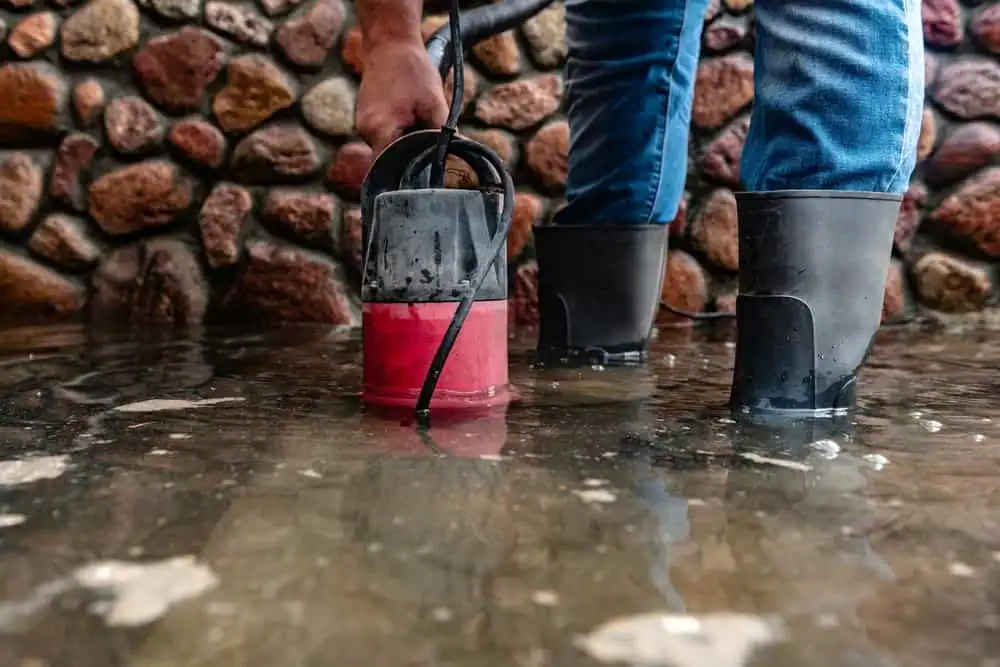
You can remove standing water with a wet-vac or a submersible pump, and that’s a reasonable first step if the volume is manageable and the water source is clean. But drying a basement properly meaning actually dry, not just surface dry requires industrial dehumidifiers and air movers that pull moisture out of wall cavities, subfloor assemblies, and insulation. Consumer-grade equipment doesn’t get there. What looks dry to the eye can have moisture readings inside the wall that are still well above safe thresholds, and that’s exactly where mold starts.
The Dutchess County Emergency Management Division actually advises against draining a flooded basement too quickly rapid drainage when the surrounding soil is saturated can cause structural damage to the foundation itself. Their guidance recommends staged drainage of roughly one-third of the water volume per day. That’s not something most homeowners know, and it’s the kind of detail that separates a proper remediation from one that creates a new problem. In a town like Beekman, where older homes on glacially deposited soils can have foundation vulnerabilities that aren’t obvious, getting a professional assessment before you start pumping aggressively is genuinely worth the call.