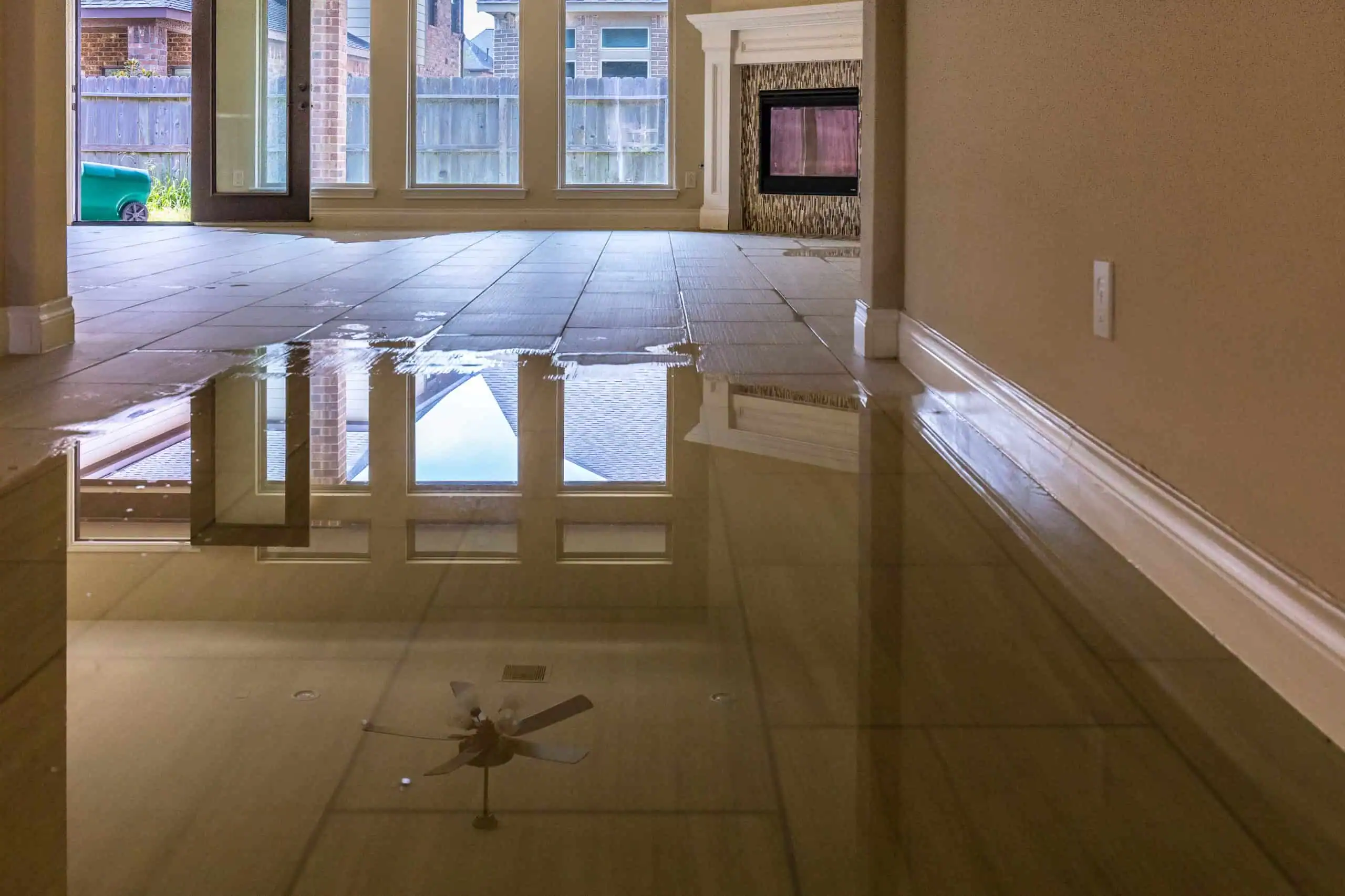
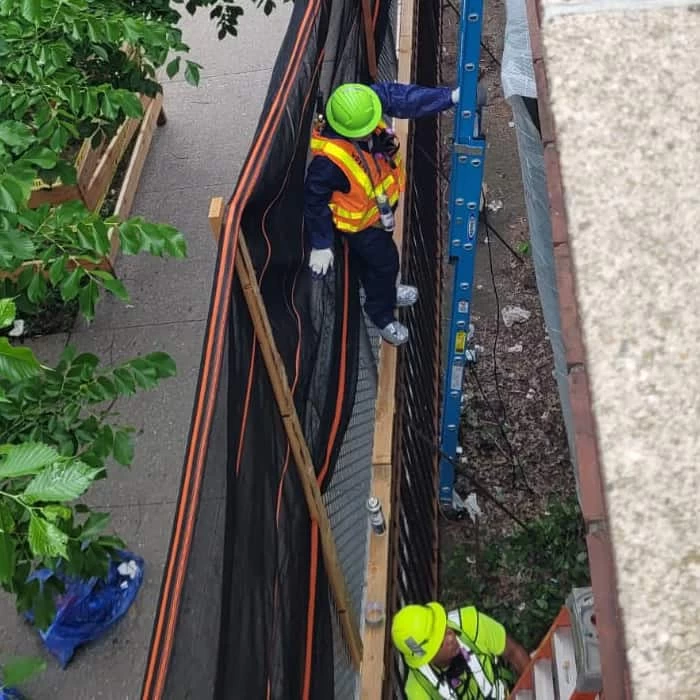
Rye floods fast — and the damage compounds faster. We’re on-site within 60 minutes, ready to handle everything from water extraction to full reconstruction. When Blind Brook overflows into Indian Village or a Long Island Sound storm surge pushes water through a Milton Point basement, we know exactly what you’re facing and how to fix it.
I needed a professional consultation explanation of procedure for safe removal of Asbestos in my apartment complex. Without having an account yet, I was very impressed with the caring, knowledgeable and generous advice offered by Jessica, and will look forward to doing business in the future. Thank you so much! I feel much more informed about a sometimes scary endeavor. Peace. Nancy Silva Mineola, NY.
Mia Munoz
Used this company to clean up some water flood in my house. They were fast and easy to work with.very professional, Would recommend to anyone!
Nini Valle
Great company, had a flood and they responded quickly and efficiently. Billed my insurance company directly. I highly recommend this company!
joe colapietro, jr
I had pipe freeze in my basement right before a snow storm and they made to within an hour to help start the clean up process. They we by our side throughout the entire process and even helped with the insurance company. They did such a great job with the cleanup, repair, remidiation, I contracted them to perform the repairs and finishes in the basement. They came with enough manpower and material to get the job done. Leo and Jessica were nothing but a pleasure to deal with!!
Cristian Arredondo c
I had some water damage in my home and Green Island was able to take care of my issue quickly and effectively. I am very pleased with the work they did. They responded quickly and were very professional.
Michael M
Outstanding service! From the office to the field crew everyone was friendly, helpful and responsive. I highly recommend Green Island Group.
Your Home Dried, Cleared, and Rebuilt — Not Just Pumped Out
Most flood restoration calls in Rye aren’t simple. When Blind Brook overflows into Indian Village, or a Long Island Sound storm surge pushes water through a Milton Point basement, you’re not dealing with a clean water problem. You’re dealing with contaminated floodwater, saturated walls, and a 24-hour clock ticking toward mold growth behind surfaces that look dry to the touch.
What you actually need after a flood in Rye is someone who can handle the full picture — water out, structure dried, moisture mapped with thermal imaging, mold stopped before it starts, and any asbestos or lead materials in your older home handled safely and legally. A large share of Rye’s housing stock was built between 1900 and 1940, which means disturbing flood-damaged walls without the right licenses isn’t just sloppy — it’s a health and legal liability.
When the work is done right, you get your home back — not a dried-out shell with hidden moisture problems waiting to surface six months later. You get documentation our insurance adjusters can actually use, a structure that’s been cleared by licensed professionals, and the confidence that nothing was missed.
12 Years, 5,000+ Restorations Across Rye and Westchester
We’ve been doing environmental restoration work across Rye and Westchester County for over 12 years. More than 5,000 completed projects. That’s not a number pulled from a brochure — it’s the kind of volume that means our technicians have seen what’s behind the walls of a 1920s Tudor in Indian Village, know what Blind Brook floodwater looks like when it backs up through a floor drain, and understand exactly what New York State requires before, during, and after the work.
The license stack matters here. NYS DOL Mold, NYS DOL Asbestos, USEPA Lead/RRP, IICRC Water Damage Certification — we hold all of it. That’s not common among restoration contractors serving Rye and the surrounding Westchester area. Most can extract water. Far fewer can legally handle what they find inside the walls of a pre-war home once the water recedes.
We’re NYS and NYC M/WBE Certified and work with the NYS Office of General Services — credentials that require real vetting, not just a registration fee. You’re not hiring a franchise. You’re hiring a company that New York State itself has approved for complex restoration work.
From the First Call to the Final Walkthrough — Here's What We Do
When you call, the clock starts. We commit to being on-site within 60 minutes — not “as soon as possible,” not “within a few hours.” Sixty minutes. That response time matters in Rye specifically because the flooding events that hit this city — whether it’s Blind Brook backing up through the Beaver Swamp Brook corridor or a coastal storm pushing surge into Milton Harbor neighborhoods — tend to move fast and deposit a lot of water in a short window.
The first thing our team does on arrival is assess the full scope of the damage — not just the visible water, but what’s behind it. Thermal imaging and moisture detection equipment map saturation inside wall cavities, under subfloors, and in insulation that looks fine from the outside. In Rye’s older homes, that step also includes identifying whether flood-disturbed materials contain asbestos or lead, which affects how demolition and removal are handled. Skipping that assessment is how restoration jobs turn into remediation emergencies six months later.
From there: water extraction, industrial drying equipment, contamination protocols appropriate to the water category (clean water, grey water, or Category 3 black water from brook overflow or sewage backup), mold prevention treatment, and then reconstruction. If permits are required through the City of Rye Building Department — which they often are for structural repairs in flood-damaged homes — that’s handled as part of the process, not handed back to you to figure out. One call, one company, start to finish.
Full-Service Water Damage Restoration Westchester County
Everything a Rye Home Actually Needs After a Flood — Under One Roof
Flood restoration in Rye isn’t a one-size job. A finished basement in Indian Village that took five feet of Blind Brook overflow needs a different approach than a Milton Point first floor that absorbed coastal storm surge. Saltwater intrusion from Long Island Sound carries different contamination than freshwater brook flooding, and both require different handling than a burst pipe or a failed sump pump. We’re equipped for all of it.
The full scope of what we cover: emergency water extraction, structural drying with industrial-grade equipment, thermal imaging and moisture mapping, mold remediation (NYS DOL licensed), asbestos abatement (NYS DOL licensed) for the pipe insulation, floor tiles, and plaster commonly found in Rye’s pre-war homes, lead-safe demolition under USEPA RRP protocols, sewage backup cleanup, and complete structural reconstruction. Insurance documentation and direct billing are handled in-house — including navigating the difference between standard homeowners coverage and NFIP flood insurance, which trips up a lot of Rye homeowners who discover mid-claim that their policy doesn’t cover storm surge or brook overflow.
For losses that aren’t fully covered, we offer financing up to $200,000 at 0% APR. That’s not a gimmick — it’s a real option for homeowners who find out after Hurricane Ida-level flooding that their coverage has a gap. The 100% Satisfaction Guarantee applies to every job, regardless of size or complexity.
Does homeowners insurance cover flood damage from Blind Brook overflowing in Rye?
This is one of the most common and most painful surprises Rye homeowners face after a major flood event. Standard homeowners insurance typically does not cover flooding caused by an overflowing body of water — including Blind Brook, Beaver Swamp Brook, or storm surge from Long Island Sound. That type of damage falls under flood insurance, which is a separate policy issued through the National Flood Insurance Program (NFIP) or a private flood insurer.
The confusion is understandable because homeowners insurance does cover certain types of water damage — like a burst pipe or a washing machine overflow. But when the source is an external flood, whether from brook overflow, coastal surge, or overwhelmed stormwater infrastructure, you’re in NFIP territory. Many Rye homeowners discovered this gap during Hurricane Ida in September 2021, when neighborhoods that had never flooded before took on water for the first time and found themselves without flood coverage.
If you’re in a FEMA-designated Special Flood Hazard Area — which includes parts of the Indian Village and Milton Harbor corridors in Rye — and you received FEMA assistance after Ida, you’re now required to maintain flood insurance for as long as you own the property. We document damage in a format that works for both claim types and communicate directly with adjusters on your behalf, so you’re not managing that process alone while also dealing with a flooded home.
How quickly does mold start growing after a flood in my Rye home?
Mold can begin developing within 24 to 48 hours of a flood event under the right conditions — and Rye’s climate creates those conditions reliably. Warm, humid summers combined with the moisture that saturates the older building materials found in most Rye homes (wood framing, horsehair plaster, original hardwood subfloors) give mold exactly what it needs to establish quickly and spread behind surfaces that appear dry.
The more dangerous scenario isn’t the mold you can see — it’s the mold that grows inside wall cavities, under flooring, and in insulation that was never fully dried. Surfaces can feel dry to the touch within days of a flood while materials behind them remain saturated for weeks. That hidden moisture is what produces the mold problem that appears months after the flood event, often after a homeowner thought the situation was resolved.
We use thermal imaging and professional moisture detection equipment to find saturation that visual inspection misses. In a home with the kind of dense, layered construction common in Rye’s pre-war housing stock, that step isn’t optional — it’s the difference between a complete restoration and a remediation job that shows up on your doorstep next spring.
My Rye home was built in the 1930s — should I be worried about asbestos after flood damage?
Yes, and it’s worth taking seriously. Homes built before the 1980s — which describes a large portion of Rye’s residential stock, particularly in neighborhoods like Indian Village, along the Milton Road corridor, and near the Blind Brook watershed — commonly contain asbestos in pipe insulation, floor tiles, textured ceiling coatings, plaster, and roofing materials. When flood damage requires demolition or removal of these materials, asbestos can be disturbed and aerosolized if the work isn’t handled by a licensed contractor.
In New York State, asbestos abatement must be performed by a contractor holding a current NYS Department of Labor Asbestos license, with proper notification to the NYS Department of Environmental Conservation before work begins. This is not something a general handyman or an unlicensed restoration crew can legally do — and it’s not something you want done incorrectly, because the liability and health consequences of improper asbestos disturbance are significant.
We hold the NYS DOL Asbestos license and have handled asbestos abatement as part of flood restoration in older Westchester homes throughout our 12+ years of operation. If your home was built before 1980 and you’ve had flood damage that requires wall or floor demolition, the safest approach is to have a licensed contractor assess the materials before any removal work begins.
What is the difference between water mitigation and flood restoration — and do I need both?
Water mitigation and flood restoration are related but distinct phases of the recovery process, and yes — most serious flood events require both. Mitigation is the emergency phase: stopping the damage from getting worse. That means water extraction, deploying drying equipment, removing saturated materials that can’t be saved, and treating for mold prevention. The goal is to stabilize the property as quickly as possible.
Restoration is everything that comes after — rebuilding what was removed, replacing structural components, finishing surfaces, and returning the home to its pre-loss condition. In Rye, where a significant flood event often means damaged drywall, ruined flooring, compromised insulation, and potentially disturbed asbestos or lead materials in older homes, the restoration phase can be as extensive as a full interior renovation of the affected areas.
Many homeowners hire a mitigation company first and then discover they need a separate contractor for reconstruction — which creates gaps in documentation, delays in timeline, and friction with insurance adjusters who want a single accountable party. We handle both phases under one contract, which keeps the project moving, keeps documentation clean, and removes the burden of coordinating multiple crews during an already stressful situation.
How long does flood restoration typically take for a home in Rye, NY?
The honest answer is that it depends on the scope of the damage, but most residential flood restoration jobs in Rye fall into a range of one to three weeks for the mitigation and drying phase, with reconstruction adding additional time depending on what needs to be rebuilt. A finished basement that took on two feet of water from a Blind Brook overflow event — with drywall, flooring, and insulation that need to come out — is a different timeline than a crawl space with minor moisture intrusion.
A few Rye-specific factors can affect the timeline. If the home is in a FEMA Special Flood Hazard Area and structural repairs require permits from the City of Rye Building Department, that permitting process adds time that needs to be factored in before reconstruction begins. If asbestos or lead materials are identified during the demolition phase, the abatement work follows a regulated process with its own timeline and DEC notification requirements. Neither of these are reasons to delay starting — they’re reasons to work with a company that knows how to manage them in sequence without losing days to coordination gaps.
We’ll give you a realistic timeline assessment during the initial on-site evaluation, not an optimistic estimate designed to get you to sign. The goal is to set accurate expectations from the start so there are no surprises mid-project.
Can Green Island Group work directly with my insurance company on a flood claim in Rye?
Yes — and for most Rye homeowners dealing with a significant flood event, having a restoration company that handles insurance communication directly is genuinely valuable, not just a convenience. Flood claims in Rye are often more complicated than standard water damage claims because they frequently involve multiple coverage questions: what’s covered under homeowners insurance versus NFIP flood insurance, whether the damage source qualifies under each policy’s definitions, and how to document the full scope of loss in a way that supports the maximum legitimate claim.
We bill insurance directly, prepare the documentation adjusters need, and communicate with your carrier on your behalf throughout the process. That means you’re not the go-between trying to translate restoration terminology into insurance language while also managing a crew working in your home.
For situations where coverage falls short — whether because a homeowner doesn’t carry NFIP flood insurance, has a high deductible, or finds that a portion of the loss isn’t covered — we offer financing up to $200,000 at 0% APR. After Hurricane Ida, a number of Rye homeowners in areas that had never previously flooded found themselves with significant uninsured losses simply because they had no reason to anticipate the risk. That financing option exists specifically for situations like those — so a coverage gap doesn’t mean the restoration doesn’t happen.