When the Sing Sing Kill Rises, You Need Someone There Fast
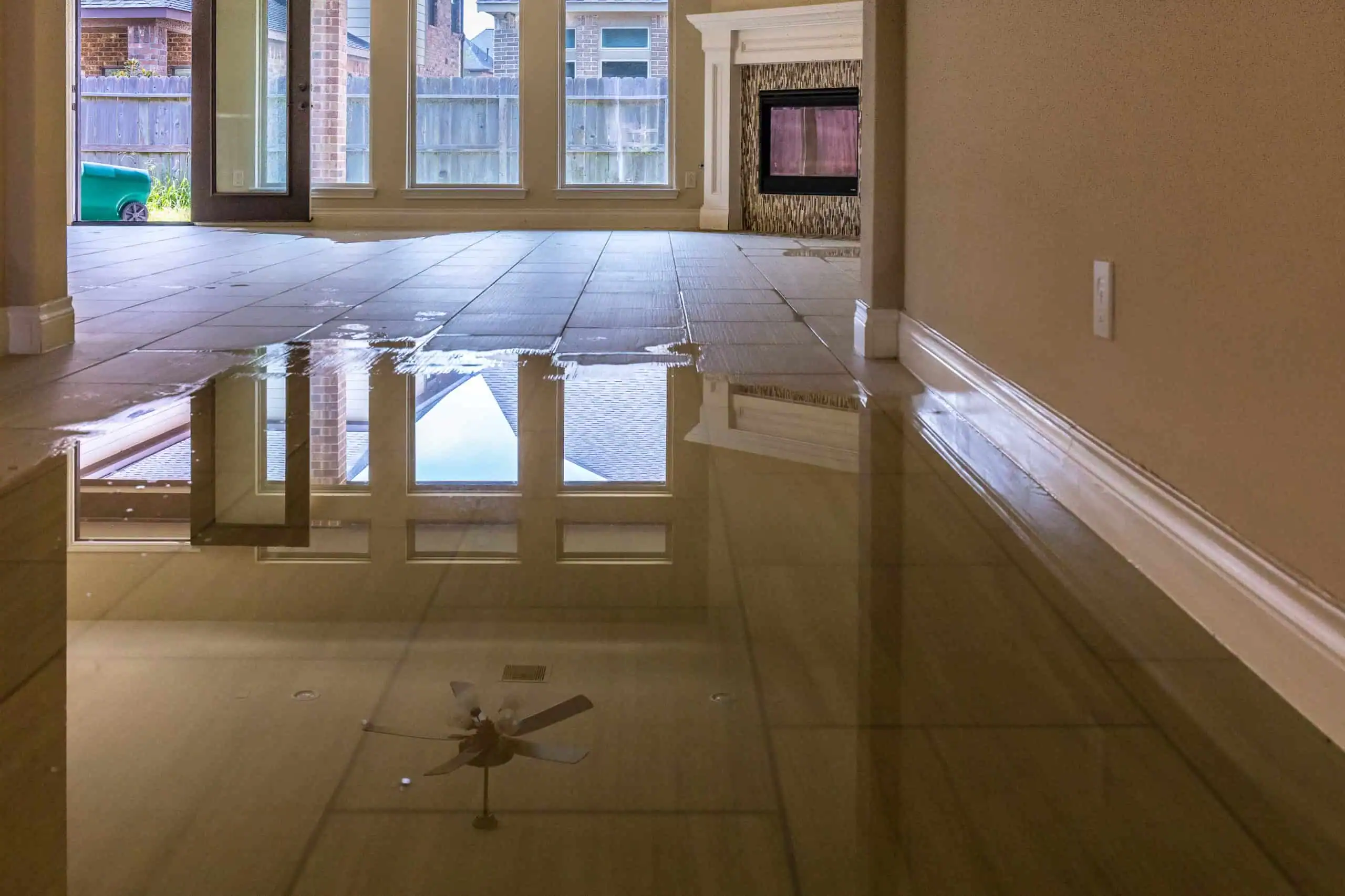
We respond in 60 minutes — extracting water, stopping mold, and handling your insurance so you don’t have to manage any of it alone. When flooding hits Ossining, whether it’s from the Sing Sing Kill, the Hudson waterfront, or a storm surge along Route 9A, the clock starts immediately. The longer water sits in your home, the faster mold colonizes and structural damage spreads.
I needed a professional consultation explanation of procedure for safe removal of Asbestos in my apartment complex. Without having an account yet, I was very impressed with the caring, knowledgeable and generous advice offered by Jessica, and will look forward to doing business in the future. Thank you so much! I feel much more informed about a sometimes scary endeavor. Peace. Nancy Silva Mineola, NY.
Mia Munoz
Used this company to clean up some water flood in my house. They were fast and easy to work with.very professional, Would recommend to anyone!
Nini Valle
Great company, had a flood and they responded quickly and efficiently. Billed my insurance company directly. I highly recommend this company!
joe colapietro, jr
I had pipe freeze in my basement right before a snow storm and they made to within an hour to help start the clean up process. They we by our side throughout the entire process and even helped with the insurance company. They did such a great job with the cleanup, repair, remidiation, I contracted them to perform the repairs and finishes in the basement. They came with enough manpower and material to get the job done. Leo and Jessica were nothing but a pleasure to deal with!!
Cristian Arredondo c
I had some water damage in my home and Green Island was able to take care of my issue quickly and effectively. I am very pleased with the work they did. They responded quickly and were very professional.
Michael M
Outstanding service! From the office to the field crew everyone was friendly, helpful and responsive. I highly recommend Green Island Group.
Flood damage in Ossining doesn’t look the same as it does in newer construction towns. When water gets into a Victorian-era home with original plaster walls, a stone foundation basement, and old-growth hardwood floors, it doesn’t just sit there — it travels. It moves behind walls, under flooring, into places a standard shop vac and a few box fans will never reach. By the time you notice the smell, mold has usually been growing for days.
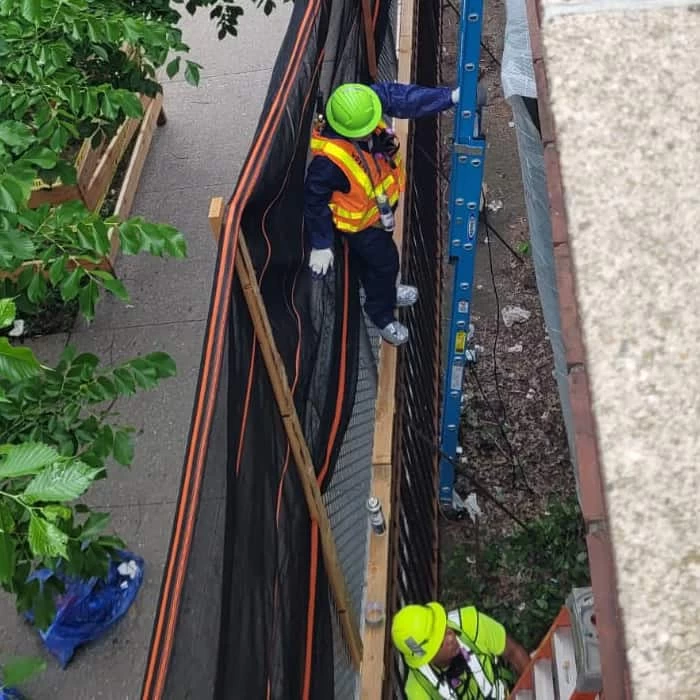
What changes when the job is done correctly is that you’re not dealing with a callback three months later. We use thermal imaging to find the moisture your eyes miss. Industrial drying equipment pulls the saturation out of the structure itself, not just the surface. And because Ossining’s housing stock is heavily pre-1940, any restoration work that disturbs older materials — pipe insulation, floor tiles, wall compounds — gets handled by contractors who are actually licensed to touch them. That means asbestos and lead don’t become a second crisis on top of the first one.
For homeowners near the Route 9A corridor, the Sing Sing Kill gorge, or the waterfront along the Hudson, flooding can happen fast and without much warning. The outcome you want isn’t just a dry basement — it’s a home that’s been properly assessed, fully dried, cleared for mold, and documented for your insurance claim from start to finish.
State-Certified, Locally Experienced, and Actually Accountable
We’ve been doing environmental restoration work across New York State for over 12 years — more than 5,000 completed projects. We hold NYS and NYC M/WBE Certification, work directly with the NYS Office of General Services, and carry the full licensing stack that flood restoration in Ossining actually requires: NYS DOL Mold Remediation License, NYS DOL Asbestos Contractor License, and USEPA Lead/RRP Certification. That combination matters here more than it does in newer communities because Ossining’s housing stock demands it.
Westchester County properties near the Hudson waterfront, the Croton River corridor, and the Sing Sing Kill drainage area come with conditions that out-of-area aggregators and national franchise call centers simply aren’t equipped to handle. We’re a New York-based contractor — not a lead-generation site with a San Diego phone number and a subcontractor showing up at your door. We’re fully insured for liability and workers’ compensation, and backed by a 100% Satisfaction Guarantee.
From Standing Water to Finished Restoration — No Gaps, No Handoffs
The first thing that happens when you call is a guaranteed 60-minute on-site response. Our crew arrives, assesses the full scope of the damage — including areas you can’t see — and begins water extraction immediately. In Ossining’s older homes, that assessment includes checking for material hazards. Pre-1940 construction frequently contains asbestos in pipe insulation, floor tiles, and ceiling materials. Lead paint is common in Victorian-era woodwork. Before demolition or removal begins, those materials are identified and handled under the proper NYS licensing. That step alone separates a legitimate restoration from a liability waiting to happen.
Once extraction is complete, we set industrial-grade drying equipment and monitor it over the following days. Thermal imaging and moisture meters track what’s happening inside the walls and subfloor — not just on the surface. In a town with FEMA-designated flood hazard areas along the Hudson and Croton River corridors, structural restoration work in regulated floodway zones also requires licensed professional involvement under the Town of Ossining’s flood damage control ordinance. We carry the contractor licensing to operate in those areas legally.
After drying is confirmed, we apply mold prevention treatment, and the reconstruction phase begins — drywall, flooring, structural repairs, finish work. One company handles all of it. Your insurance is billed directly throughout the process, and if coverage falls short, we offer financing up to $200,000 at 0% APR so the project doesn’t stall.
Everything the Job Needs — Including What Most Companies Can't Do
Flood restoration in Ossining covers a wider scope than most homeowners expect going in. Emergency water extraction and structural drying are the starting point, but in a community with two National Register Historic Districts, significant pre-1900 building stock in the Downtown and Sparta neighborhoods, and documented flood risk along three separate water bodies — the Hudson, the Croton, and the Sing Sing Kill — the job routinely involves environmental hazard management alongside the standard restoration work.
We handle the full range under one roof: emergency water extraction, industrial structural drying, thermal imaging and moisture mapping, mold remediation under NYS DOL licensure, asbestos abatement under NYS DOL licensure, lead paint remediation under USEPA Lead/RRP certification, sewage backup cleanup, and complete structural reconstruction. There’s no point in the process where you’re handed off to a different company or left to find your own subcontractor.
For homeowners in FEMA-mapped flood zones — particularly those near Louis Engel Waterfront Park, the Ryder Road area off Route 9A, or properties backing up to the Sing Sing Kill gorge — documentation matters as much as the physical work. Every job is documented thoroughly for insurance claims, whether you’re filing under a standard homeowners policy or a separate National Flood Insurance Program policy. We bill your insurance directly. No upfront costs, no chasing reimbursements.
Does homeowners insurance cover flood damage from the Sing Sing Kill or Route 9A flooding in Ossining?
It depends on the source of the water, and this is one of the most important distinctions to understand before you file a claim. Standard homeowners insurance typically covers sudden, internal water events — a burst pipe, a failed sump pump, an appliance leak. It does not cover flooding from an external source, which includes overflow from the Sing Sing Kill, surface flooding from Route 9A during a storm event like Hurricane Ida in 2021, or rising water from the Hudson River.
For that type of flooding, you need a separate flood insurance policy through the National Flood Insurance Program (NFIP). The Town of Ossining has FEMA-designated special flood hazard areas, particularly along the Hudson waterfront and the Croton River corridor, so if your property sits in one of those zones, there’s a real chance you were required to carry flood insurance as a condition of your mortgage. We work with both standard homeowners claims and NFIP claims, billing the insurer directly so you’re not navigating that process on your own while your basement is still wet.
How quickly does mold start growing after a flood in an older Ossining home?
Mold can begin colonizing within 24 to 48 hours of water intrusion — and in Ossining’s older housing stock, the conditions are particularly favorable for it. Original plaster walls, stone foundation basements, old-growth wood framing, and unfinished crawl spaces all retain moisture longer than modern construction materials do. That means the window between a flood event and an active mold problem is shorter than most people expect.
The bigger issue is that mold in a pre-1940 home often starts in places you can’t see — behind original plaster, under hardwood subfloor, inside wall cavities that were never designed to be opened. By the time there’s a visible patch or a noticeable smell, the colony is usually already established. That’s why thermal imaging and moisture mapping at the time of restoration matters so much. Finding and eliminating the moisture source completely — not just drying the visible surfaces — is what prevents a mold problem from showing up three months after a “finished” cleanup. We hold the NYS DOL Mold Remediation License, which is a legal requirement for this work in New York State, not just a credential to display.
Should I be worried about asbestos or lead paint when restoring a flooded Victorian home in Ossining?
Yes, and it’s worth taking seriously before any demolition or material removal begins. Ossining has a significant concentration of pre-1940 homes, particularly in the Downtown and Sparta National Register Historic Districts, and many of those properties contain asbestos in original floor tiles, pipe insulation, ceiling materials, and joint compounds. Lead paint is common in Victorian-era woodwork, window frames, and original trim. When floodwater damages these materials and restoration work begins, there’s a real risk of disturbing them if the contractor isn’t licensed to handle them properly.
New York State requires a NYS DOL Asbestos Contractor License for any asbestos abatement work — it’s not optional, and it’s not something a general handyman or unlicensed restoration crew can legally perform. The USEPA Lead/RRP Certification governs lead-safe work practices during renovation and restoration. We hold both credentials, which means the environmental hazard side of the job is handled legally and safely within the same restoration project. You don’t need to hire a separate abatement contractor or delay the work while you track one down.
How long does flood restoration typically take in Ossining, NY?
The honest answer is that it varies based on the severity of the water intrusion, how long the moisture was present before mitigation started, and what the structure is made of. For a straightforward basement flooding event with no hazardous materials involved, the drying phase alone typically takes three to five days using industrial equipment. Full restoration — including any necessary demolition, mold treatment, and reconstruction — can range from one to three weeks depending on scope.
In Ossining’s older homes, the timeline can extend because the structure itself is more complex. Original plaster walls take longer to dry than modern drywall. Stone foundation basements hold moisture differently than poured concrete. If asbestos or lead materials are identified and need to be abated before reconstruction can begin, that adds time to the process — but it’s time that protects you legally and physically. The most important factor affecting timeline is how quickly mitigation starts. Every hour of delay after a flood event increases both the drying time and the likelihood of secondary mold growth, which adds scope to the job. A 60-minute response and same-day extraction is the single best way to keep the project timeline manageable.
What happens if my flood damage in Ossining isn't fully covered by insurance?
This is a real and common situation, especially for Ossining homeowners who experienced flooding from an external source — the Hudson River, the Croton River corridor, or surface flooding during a storm — and were carrying only a standard homeowners policy without separate NFIP flood coverage. In those cases, the insurance payout may be partial, limited, or nonexistent depending on the policy language.
We offer financing up to $200,000 at 0% APR specifically because this gap exists. Flood restoration in an older Westchester home is not a small expense — a serious event can easily run $10,000 to $20,000 or more once drying, mold remediation, hazardous material handling, and reconstruction are factored in. Waiting until financing is sorted out before starting mitigation is one of the most expensive decisions a homeowner can make, because the longer water sits, the more the scope grows. The financing option exists so the project can start immediately and the payment structure gets worked out without stalling the work. No upfront costs are required to begin.
Can Green Island Group handle flood restoration in Ossining's FEMA flood zone areas?
Yes, and the regulatory side of that work is something to understand before hiring any contractor. The Town of Ossining has FEMA-designated special flood hazard areas — particularly along the Hudson River waterfront and the Croton River corridor — and the town’s flood damage control ordinance requires that structural restoration work in regulated floodway zones be supported by a licensed professional engineer’s evaluation. That’s not a formality — it’s a legal requirement under Chapter 102 of the Town Code, and it’s something that unlicensed operators or out-of-area aggregators are often not equipped to navigate.
We hold the full contractor licensing stack required to operate in regulated flood hazard areas in New York State, including the credentials needed to work within the Town of Ossining’s floodway requirements. If your property sits near Louis Engel Waterfront Park, the Ryder Road area, the Sing Sing Kill gorge, or anywhere else in a mapped flood zone, the restoration work needs to be done by a contractor who understands those requirements — not one who finds out about them after the work is already underway. Getting that right from the start protects your home, your insurance claim, and your ability to get permits for future work on the property.