When the Hudson Backs Up, Tarrytown Homes Pay the Price
We deliver 24/7 flood restoration in Tarrytown, NY — with direct insurance billing, zero upfront costs, and a team that knows exactly what Westchester water damage looks like.
I needed a professional consultation explanation of procedure for safe removal of Asbestos in my apartment complex. Without having an account yet, I was very impressed with the caring, knowledgeable and generous advice offered by Jessica, and will look forward to doing business in the future. Thank you so much! I feel much more informed about a sometimes scary endeavor. Peace. Nancy Silva Mineola, NY.
Mia Munoz
Used this company to clean up some water flood in my house. They were fast and easy to work with.very professional, Would recommend to anyone!
Nini Valle
Great company, had a flood and they responded quickly and efficiently. Billed my insurance company directly. I highly recommend this company!
joe colapietro, jr
I had pipe freeze in my basement right before a snow storm and they made to within an hour to help start the clean up process. They we by our side throughout the entire process and even helped with the insurance company. They did such a great job with the cleanup, repair, remidiation, I contracted them to perform the repairs and finishes in the basement. They came with enough manpower and material to get the job done. Leo and Jessica were nothing but a pleasure to deal with!!
Cristian Arredondo c
I had some water damage in my home and Green Island was able to take care of my issue quickly and effectively. I am very pleased with the work they did. They responded quickly and were very professional.
Michael M
Outstanding service! From the office to the field crew everyone was friendly, helpful and responsive. I highly recommend Green Island Group.
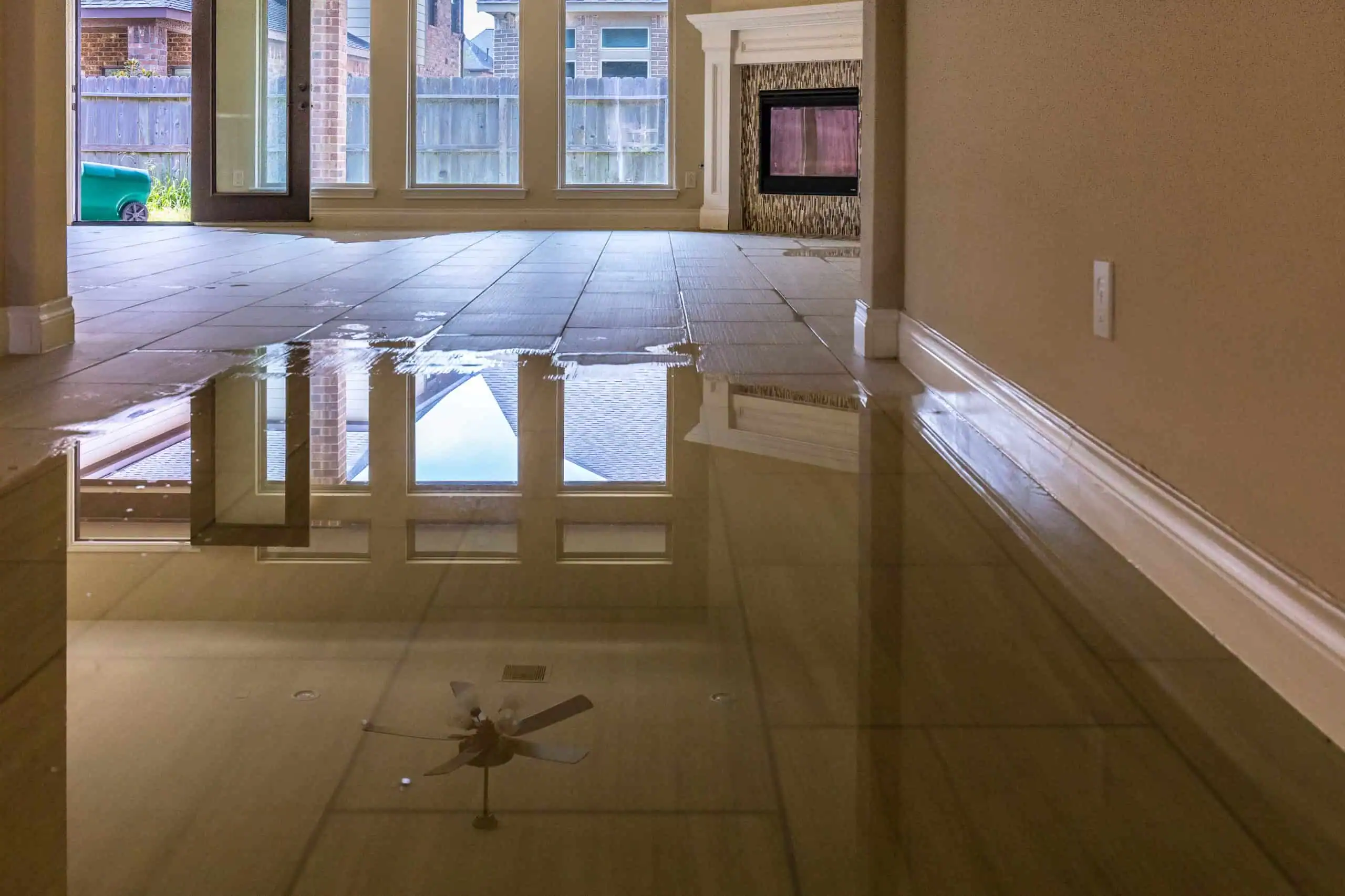
When flooding hits a Tarrytown home, the visible damage is rarely the whole story. Water works fast — into plaster walls, under original hardwood floors, behind the tile in a pre-war bathroom. By the time it looks dry, it often isn’t. What you can’t see is usually what costs the most to fix later.
That’s especially true in Tarrytown. A lot of homes here were built before 1980, which means older construction, older materials, and a higher likelihood that flood water has reached something that needs more than a fan and a dehumidifier. On top of that, Tarrytown’s hillside topography pushes stormwater downhill fast — and when the storm sewer system gets overwhelmed, as it did during Hurricane Ida in 2021, that water doesn’t stay outside.
What you get when this is handled correctly is a home that’s actually dry — not surface dry. Moisture readings that confirm what the equipment confirmed, not what it looked like. And if mold, asbestos, or lead-containing materials are part of the picture in an older Tarrytown property, those get addressed by licensed professionals before anything else moves forward. That’s the difference between a restoration and a redo.
We’ve been doing environmental restoration work in the New York area for over 12 years. More than 5,000 completed projects across the state. That’s not a number pulled from a brochure — it means we’ve seen the full range of what water damage looks like in Tarrytown and throughout this region, from Hudson River tidal flooding to the kind of combined sewer overflow that had manhole covers bobbing on Sunnyside Avenue the night Ida came through.
We hold IICRC Water Damage Certification, NYS DOL Mold and Asbestos Licenses, USEPA Lead and RRP Certifications, and we’re approved contractors for the NYS Office of General Services. We’re also NYS and NYC M/WBE Certified. These aren’t checkboxes — they’re the reason we can legally and safely handle the full scope of what a flood event in a pre-1980 Tarrytown home actually involves.
We bill your insurance company directly. You pay nothing upfront. And if the insurance falls short, we offer financing up to $200,000 at 0% APR.
What Actually Happens From First Call to Finished Restoration
You call, and we’re on-site within 60 minutes. That window matters — mold can begin developing within 24 hours of a water event, and in an older Tarrytown home with plaster walls and original wood framing, that clock moves fast. The first thing we do on arrival is assess — not just what’s visible, but what’s behind it. Thermal imaging and moisture meters tell us where the water actually went, not just where it pooled.
From there, we extract standing water and begin industrial drying. This isn’t a shop vac and a box fan — it’s commercial-grade equipment calibrated to the specific moisture load in your home. If your property is in a designated flood hazard area under Tarrytown’s Flood Damage Prevention ordinance, we handle the floodplain development permit process as part of the job. That’s a $500 application fee and a review process that many restoration companies aren’t even aware exists.
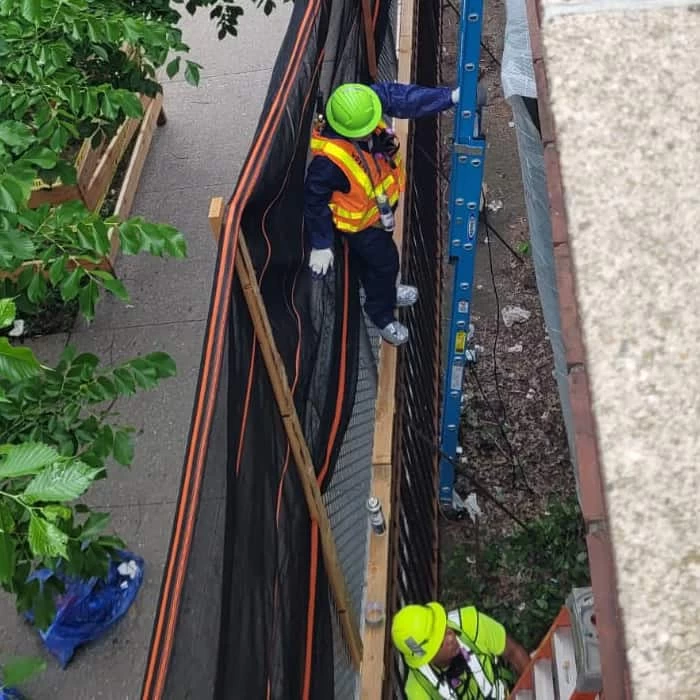
Once the structure is confirmed dry, we move into remediation — mold, asbestos, lead, whatever the situation calls for. Then reconstruction: drywall, flooring, painting, finish work. One company, start to finish. You don’t hand off to a second crew or manage a general contractor on top of everything else. When we’re done, your home is restored — not just dried out.
Flood restoration in Tarrytown isn’t one-size-fits-all, and it shouldn’t be treated that way. The village sits on the eastern bank of the Hudson — a tidal river — which means water events here can involve storm surge, riverfront flooding, and the kind of combined sewer overflow that pushes sewage-contaminated water into basements. That’s a Category 3 black water event, and it requires a different remediation protocol than a burst pipe. We handle both, and everything in between.
For homes built before 1978 — and there are many in Tarrytown, from the Victorian-era properties on the hillside streets to the pre-war buildings near Main Street — we test for asbestos and lead before any demolition or removal begins. This isn’t optional under New York State law, and it’s not something every restoration company is licensed to manage. We are. NYS DOL Asbestos License, USEPA Lead and RRP Certification — both in-house, not subcontracted.
The full scope of what we cover includes emergency water extraction, structural drying, moisture documentation, mold remediation, asbestos abatement, lead remediation, sewage cleanup, and complete structural reconstruction. If your home is near the waterfront corridor along Route 9 or in one of the lower-lying neighborhoods that drain toward Andre Brook, we know the flood patterns in those areas and we factor that into how we approach the job.
Does homeowners insurance cover flood damage from Tarrytown's storm sewer backups?
It depends on your policy, and the distinction matters more than most people realize. Standard homeowners insurance typically covers sudden, accidental water damage from internal sources — like a burst pipe. But flooding caused by an external source, including storm sewer backup or surface water from a heavy rain event, is usually excluded unless you have a separate flood insurance policy or a sewer backup rider.
In Tarrytown, this gap is a real issue. During Hurricane Ida, the storm sewer system was overwhelmed to the point where manhole covers were displaced by the pressure. That’s an external flood event — and many homeowners in the village discovered after the fact that their standard policy didn’t cover it. If you’re not sure what your policy covers, we can help you read the language and document the damage in a way that gives your claim the strongest possible foundation. We bill insurance directly and work with adjusters regularly.
How quickly does mold start growing after a flood in my home?
Mold can begin developing within 24 hours of a water event. Visible patches can appear within 24 to 48 hours, particularly on drywall, wood framing, insulation, and carpet — the materials found throughout most Tarrytown homes. The speed depends on temperature and humidity, and a closed-up home in warm weather creates ideal conditions for rapid mold growth.
This is why the response window matters so much. A homeowner who spends the first day trying to dry things out with consumer equipment and then calls a restoration company on day two is already behind. By that point, moisture has had time to migrate deeper into wall cavities and subfloor assemblies. In older Tarrytown homes with plaster walls and original wood construction, those materials hold water longer and are harder to dry without professional equipment. Getting a licensed team on-site within the first few hours isn’t overcautious — it’s the difference between remediation and full-scale reconstruction.
My Tarrytown home was built in the 1960s — do I need to worry about asbestos during flood restoration?
Yes, and it’s worth taking seriously. Homes built before 1980 commonly contain asbestos in pipe insulation, floor tiles, ceiling tiles, joint compound, and roofing materials. Homes built before 1978 may also have lead-based paint on walls, trim, and window frames. When flood water saturates these materials, the restoration process can disturb them — and disturbing asbestos or lead without proper protocols isn’t just a health risk, it’s a legal liability.
Under New York State law, any company performing asbestos abatement must hold a NYS DOL Asbestos License. Mold remediation requires a separate NYS DOL Mold License. We hold both, along with USEPA Lead and RRP Certification. We test before we touch anything, and we remediate before reconstruction begins. If you’re in one of Tarrytown’s older hillside neighborhoods or in a pre-war building near the Main Street corridor, this isn’t a hypothetical concern — it’s a real part of what flood restoration in your home requires.
Does Tarrytown require any permits for flood restoration work on my property?
Yes. The Village of Tarrytown has a Flood Damage Prevention ordinance that requires a floodplain development permit for restoration or repair work in designated flood hazard areas. The application fee is $500, and there are additional costs for review, inspection, and approval — all of which the property owner is responsible for.
Most homeowners don’t know this requirement exists until it becomes a problem. And many restoration companies — particularly national franchise operators and out-of-area lead-generation services — aren’t familiar with Tarrytown’s specific municipal code. We are. If your property falls within a designated flood hazard area, we handle the permit process as part of the job. You don’t have to figure out the ordinance language or make separate calls to the village building department on top of everything else you’re already dealing with.
What's the difference between water damage restoration and flood restoration?
The terms get used interchangeably, but they describe different situations with different scopes of work. Water damage restoration typically refers to damage from an internal source — a burst pipe, an overflowing appliance, a roof leak. Flood restoration refers to damage from an external water source: rising groundwater, storm surge, surface water intrusion, or sewer backup. The distinction matters because the contamination level, the required remediation protocol, and often the insurance coverage differ between the two.
In Tarrytown specifically, flood events frequently involve Category 3 contamination — meaning the water carries sewage, bacteria, or other hazardous material. This happens when the storm sewer system is overwhelmed and backs up into homes through floor drains and basement walls, which is exactly what occurred during Ida. Category 3 events require full protective protocols, proper disposal of contaminated materials, and licensed remediation. It’s a more involved process than drying out a clean water leak, and it needs to be treated that way.
How much does flood restoration typically cost for a home in Tarrytown?
The national average insurance payout for water damage is around $13,954, but that number moves significantly depending on the size of the affected area, the contamination category, the age of the home, and whether hazardous materials like asbestos or lead are involved. In Tarrytown, where detached single-family homes average close to $960,000 in value and a large share of the housing stock predates 1980, the scope of a serious flood event can push well past that average.
The honest answer is that cost depends on what the moisture readings show, what materials were affected, and what the remediation requires. We give you a clear, documented assessment before work begins — no vague estimates. We bill your insurance company directly, so you’re not fronting anything out of pocket while the claim processes. And for situations where insurance doesn’t cover the full scope — which is common when external flooding is involved and a homeowner doesn’t carry separate flood insurance — we offer financing up to $200,000 at 0% APR. The goal is to make sure cost isn’t the reason a Tarrytown homeowner delays getting the help they need.