When the Saw Mill River Rises, You Need Someone There Now
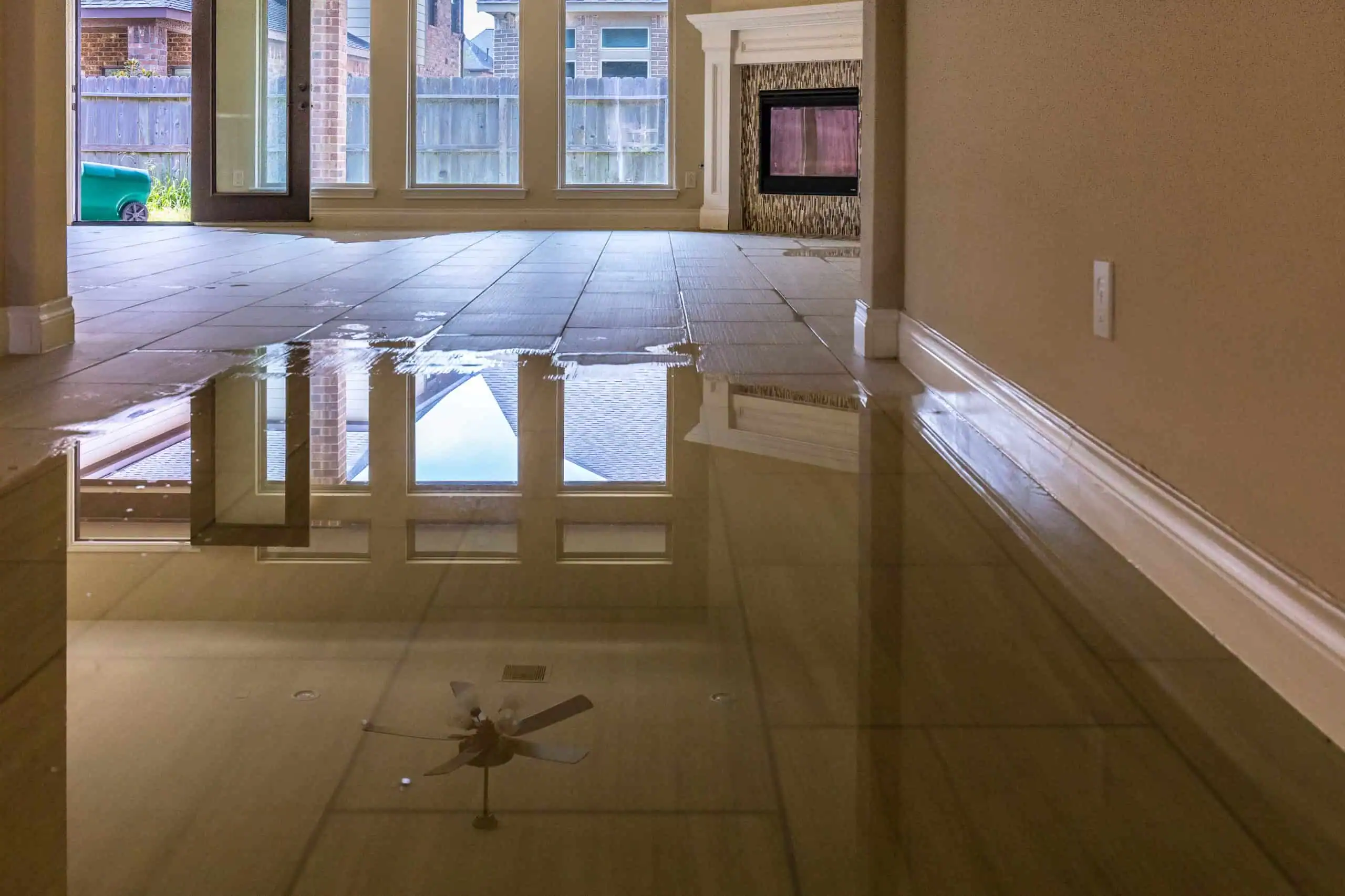
Ardsley floods fast — and the damage spreads faster. We’re on-site within 60 minutes, handle your insurance directly, and don’t leave until the job is done right.
I needed a professional consultation explanation of procedure for safe removal of Asbestos in my apartment complex. Without having an account yet, I was very impressed with the caring, knowledgeable and generous advice offered by Jessica, and will look forward to doing business in the future. Thank you so much! I feel much more informed about a sometimes scary endeavor. Peace. Nancy Silva Mineola, NY.
Mia Munoz
Used this company to clean up some water flood in my house. They were fast and easy to work with.very professional, Would recommend to anyone!
Nini Valle
Great company, had a flood and they responded quickly and efficiently. Billed my insurance company directly. I highly recommend this company!
joe colapietro, jr
I had pipe freeze in my basement right before a snow storm and they made to within an hour to help start the clean up process. They we by our side throughout the entire process and even helped with the insurance company. They did such a great job with the cleanup, repair, remidiation, I contracted them to perform the repairs and finishes in the basement. They came with enough manpower and material to get the job done. Leo and Jessica were nothing but a pleasure to deal with!!
Cristian Arredondo c
I had some water damage in my home and Green Island was able to take care of my issue quickly and effectively. I am very pleased with the work they did. They responded quickly and were very professional.
Michael M
Outstanding service! From the office to the field crew everyone was friendly, helpful and responsive. I highly recommend Green Island Group.
Mold starts growing within 24 hours of a water event. In Ardsley’s older split-levels and colonials — many built in the 1950s through 1970s — that clock matters more than most people realize. Walls with older insulation, complex framing cavities, and decades-old vapor barriers give moisture more places to hide and more material to feed on. Catching it early is the difference between a manageable restoration and a months-long ordeal.
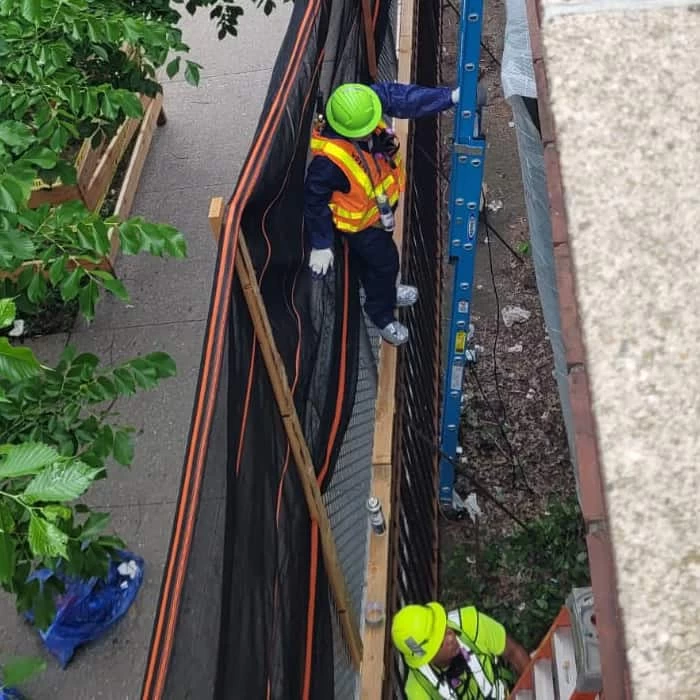
What most homeowners don’t think about until it’s too late is what’s behind those walls. A significant portion of Ardsley’s housing stock predates 1980, which means flood damage that requires opening walls or pulling up flooring can disturb asbestos-containing materials or lead-based paint. Most restoration companies aren’t licensed to handle that. We are — holding the NYS DOL Asbestos License, NYS DOL Mold License, and USEPA Lead and RRP certifications. One company handles everything, legally and safely, from water extraction through final restoration.
And because we bill your insurance carrier directly, you’re not fronting costs or chasing reimbursements while your home is still drying out. You make one call. Everything else gets handled.
12 Years In, 5,000 Jobs Done — Credentials That Actually Matter in Ardsley
We’ve been doing environmental restoration work across New York for over 12 years and have completed more than 5,000 projects. That’s not a number pulled from a brochure — it’s the kind of track record that means your situation isn’t new to us. We’ve worked in Westchester County homes, navigated local building codes, dealt with Westchester insurance adjusters, and restored houses that look exactly like yours in Ardsley.
The credentials are worth knowing about, especially in a town like Ardsley where mid-century construction is the norm. We hold the NYS and NYC M/WBE Certification, which is state-audited — not self-declared. We also work with the NYS Office of General Services, which means we operate at a level of accountability that most local restoration companies simply don’t. We carry full liability and workers’ compensation insurance, offer a 100% Satisfaction Guarantee, and back large-scope jobs with financing up to $200,000 at 0% APR.
When you’re dealing with a flooded basement off the Saw Mill River corridor or a burst pipe in a 1965 colonial near Ashford Avenue, you want a company that has seen it before and has the paperwork to prove we can handle all of it.
From the First Call to a Dry, Safe Home — Here's What Happens
When you call, we dispatch a crew immediately — the goal is to be on your property within 60 minutes. The first priority is stopping the spread. That means identifying the water source if it’s still active, extracting standing water, and getting industrial drying equipment in place before moisture migrates further into walls, subfloors, and structural framing.
Once the immediate threat is contained, our team uses thermal imaging and professional moisture detection equipment to find water that’s already moved into hidden spaces — the kind your eyes won’t catch and a consumer fan won’t reach. In Ardsley’s mid-century homes, this step is especially important. Older construction methods mean water travels in unexpected directions, and a missed pocket of moisture behind a wall is exactly how a manageable job turns into a mold remediation six weeks later.
From there, the scope of work is documented thoroughly — both for your records and for the insurance claim. If the restoration uncovers materials that require asbestos abatement or lead paint handling under NYS and EPA regulations, we’re already licensed to manage that without bringing in a second contractor. Reconstruction and finishing work are handled in-house as well, so there’s no coordination gap between the mitigation phase and getting your home back to normal.
Full-Scope Restoration Built for Ardsley's Specific Risk Profile
Flood restoration in Ardsley isn’t a one-size situation. The Saw Mill River runs directly through the village, the downtown commercial district sits in the 100-year flood zone, and the Saw Mill River Parkway at Exit 17 has closed during major storm events. The Army Corps of Engineers built flood walls and detention basins in Ardsley specifically because the flooding is real and recurring. Our service scope reflects that — this isn’t a basic water extraction operation.
What you get is a complete response: emergency water removal, structural drying, mold prevention treatment, and where required by law, licensed asbestos abatement and lead paint handling for Ardsley’s pre-1980 housing stock. Insurance documentation is handled from start to finish, and direct billing to your carrier means no out-of-pocket costs during the active restoration phase. For homeowners who discover their standard policy doesn’t cover rising water from the Saw Mill River — which is more common than most people expect, since NFIP flood insurance is a separate product — we offer financing up to $200,000 at 0% APR.
We also handle sewage backup cleanup, storm damage restoration, burst pipe water damage, and sump pump failure recovery. Whether the event is a summer thunderstorm that overwhelms the stormwater system on Ashford Avenue or a spring thaw that pushes water through your foundation, our response is the same: fast, licensed, and fully documented.
Does homeowners insurance cover Saw Mill River flooding in Ardsley?
This is one of the most important questions Ardsley homeowners can ask — and the answer catches a lot of people off guard. Standard homeowners insurance policies generally do not cover flooding caused by rising water from an external source like the Saw Mill River. That type of damage falls under flood insurance, which is a separate policy issued through the National Flood Insurance Program (NFIP) or a private flood insurer. Many Ardsley homeowners — even those living near the river corridor or in areas the Army Corps of Engineers has documented as flood-prone — don’t carry a separate flood policy because they weren’t required to purchase one at closing.
What your standard homeowners policy typically does cover is sudden and accidental water damage from internal sources — a burst pipe, a failed sump pump, or an appliance leak. If you’re unsure what your policy covers, we can help you work through the documentation during the claims process. And if you find yourself facing a flood loss that isn’t covered, we offer financing up to $200,000 at 0% APR so your home gets restored on your timeline, not the insurance company’s.
How quickly does mold start growing after a basement flood in Ardsley?
Mold can begin colonizing within 24 to 48 hours of a water event — and in Ardsley’s older housing stock, that window feels even shorter. Homes built in the 1950s through 1970s often have older insulation materials, less efficient vapor barriers, and more complex wall cavities than newer construction. Those conditions give moisture more surface area to penetrate and more organic material to feed on, which means mold establishes faster and spreads further before it’s visible or detectable by smell.
The practical implication is that response time matters enormously. A crew that arrives six hours after you call is working against a clock that’s already running. Our 60-minute on-site guarantee exists specifically because the first hour after a flood event is when the most meaningful damage prevention happens. Industrial extraction equipment, professional-grade drying systems, and thermal imaging to locate hidden moisture pockets — all of that deployed quickly — is what separates a contained restoration from a mold remediation job that drags on for weeks.
My Ardsley home was built in the 1960s — does that affect flood restoration?
It does, and it’s something most restoration companies won’t bring up until they’re already inside your walls. Homes built before 1978 may contain lead-based paint, and homes built before 1980 may contain asbestos in floor tiles, pipe insulation, ceiling tiles, or joint compound. When flood damage requires opening walls, pulling flooring, or disturbing any of those materials, New York State law requires a licensed contractor to handle the work — not a general restoration crew operating without the proper credentials.
We hold the NYS DOL Asbestos License, NYS DOL Mold License, and USEPA Lead and RRP certifications. That means if your 1960s split-level near Ashford Avenue has asbestos-containing floor tiles under the water-damaged subfloor, the same company that extracted the water is legally authorized to handle what’s underneath. You don’t need to pause the job, bring in a separate abatement contractor, and restart — the whole scope is managed under one roof, which keeps the timeline tight and the liability exposure off your plate.
What's the difference between water damage mitigation and full flood restoration?
Mitigation is the emergency phase — stopping the damage from getting worse. That includes water extraction, deploying drying equipment, and stabilizing the structure. A lot of companies stop there and hand the job off, which leaves you coordinating between a mitigation crew, a mold remediator, and a general contractor to handle reconstruction. That coordination gap is where jobs stall, costs climb, and homeowners get frustrated.
Full flood restoration covers the entire scope from the moment water enters your home to the moment your home looks and functions the way it did before — or better. We handle mitigation, drying, mold prevention, licensed abatement if needed, reconstruction, and final finishes in-house. For Ardsley homeowners dealing with the aftermath of a Saw Mill River overflow or a major storm event that hit the village’s stormwater system hard, that continuity matters. One point of contact, one consistent crew, one job with a clear beginning and end.
How does Green Island Group handle the insurance claim process?
We bill your insurance carrier directly, which means you’re not fronting restoration costs and waiting for reimbursement. The documentation process starts from the moment our crew arrives — moisture readings, thermal imaging results, photo documentation of damage, and a detailed scope of work are all compiled in a format that supports the claims process. If your adjuster needs additional information or a supplemental estimate, we handle that communication as well.
For Ardsley homeowners, this matters in a specific way. Westchester County flood events often affect multiple properties simultaneously, which means adjusters are managing high claim volumes after a major storm. Having a restoration company that submits complete, well-documented claims from the start — rather than piecemeal paperwork — tends to move the process faster. And if your policy has gaps, particularly around flood coverage for rising water events tied to the Saw Mill River, our 0% APR financing option ensures your home doesn’t sit in a damaged state while you sort out the coverage question.
Is Green Island Group available for flood emergencies during nights and weekends in Ardsley?
Yes — 24/7, including nights, weekends, and holidays. Flooding in Ardsley doesn’t follow a schedule. Summer thunderstorms that overwhelm the stormwater infrastructure along the Saw Mill River corridor tend to hit fast and hard, often in the evening hours. Spring thaw events that push water through foundations or overwhelm sump pumps frequently happen overnight when temperatures drop and then rise again. Burst pipes during a cold snap don’t wait for Monday morning.
The 60-minute on-site response guarantee applies regardless of when you call. That means a crew with extraction equipment, drying systems, and moisture detection tools — not a scheduler taking down your information to pass along in the morning. For a village where documented flood events have closed the Saw Mill River Parkway and affected both residential and commercial properties, having a restoration company that actually shows up at 2 AM isn’t a luxury. It’s the only response that makes sense given how quickly water damage compounds in the hours after an event.