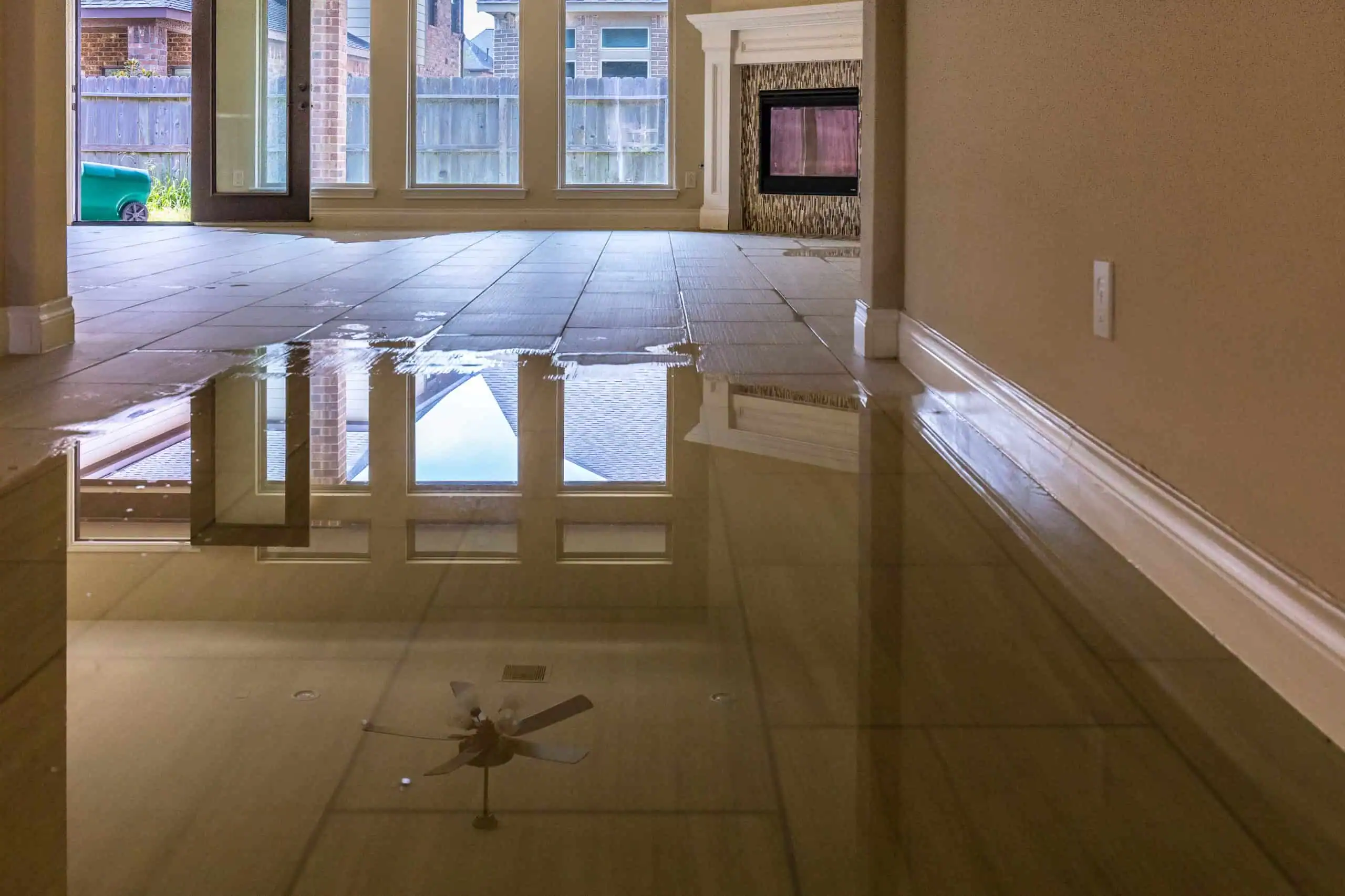
When the Hudson Pushes Back, You Need Someone Here Fast
Flood damage in a 1950s Montrose home doesn’t wait for business hours — and neither do we. We’re on-site within 60 minutes, handle your insurance directly, and take the whole thing off your plate.
I needed a professional consultation explanation of procedure for safe removal of Asbestos in my apartment complex. Without having an account yet, I was very impressed with the caring, knowledgeable and generous advice offered by Jessica, and will look forward to doing business in the future. Thank you so much! I feel much more informed about a sometimes scary endeavor. Peace. Nancy Silva Mineola, NY.
Mia Munoz
Used this company to clean up some water flood in my house. They were fast and easy to work with.very professional, Would recommend to anyone!
Nini Valle
Great company, had a flood and they responded quickly and efficiently. Billed my insurance company directly. I highly recommend this company!
joe colapietro, jr
I had pipe freeze in my basement right before a snow storm and they made to within an hour to help start the clean up process. They we by our side throughout the entire process and even helped with the insurance company. They did such a great job with the cleanup, repair, remidiation, I contracted them to perform the repairs and finishes in the basement. They came with enough manpower and material to get the job done. Leo and Jessica were nothing but a pleasure to deal with!!
Cristian Arredondo c
I had some water damage in my home and Green Island was able to take care of my issue quickly and effectively. I am very pleased with the work they did. They responded quickly and were very professional.
Michael M
Outstanding service! From the office to the field crew everyone was friendly, helpful and responsive. I highly recommend Green Island Group.
When water gets into a Montrose home, it doesn’t just sit there. It moves — into plaster walls, under hardwood floors, through the wood framing of a 1958 Cape Cod or Ranch that was never built with modern moisture barriers. The longer it stays, the deeper it goes, and the more expensive the fix becomes. Mold can start in as little as 24 hours. That window closes fast.
What you get on the other side of a proper restoration isn’t just a dry basement. It’s a home that’s been fully assessed with moisture detection equipment, dried to industry standards, tested for hidden contamination, and documented in a way your insurance company will actually accept. No guesswork. No missed pockets of moisture that turn into a mold problem six months later.
Montrose’s position along the Hudson River corridor adds a layer of risk that most inland Westchester towns don’t face. The tidal wetlands at Montrose Point State Forest influence local water tables, and the steep wooded hills above the hamlet funnel runoff directly toward lower-elevation properties near the river. When a nor’easter or a heavy summer storm hits, the flooding here isn’t just from above — it comes from saturated ground and rising water tables too. Restoring a home in this environment requires someone who understands what’s actually happening, not just someone with a shop vac and a dehumidifier.
12 Years, 5,000 Projects, and Every License That Matters
We’ve been doing environmental restoration work across New York State for over 12 years. More than 5,000 completed projects. We’re fully insured — liability and Workers’ Compensation. NYS and NYC M/WBE Certified, which means the state has vetted and verified our business, not just taken our word for it.
What sets us apart in a market like Montrose isn’t just experience — it’s the licensing stack. We hold the NYS DOL Mold license, the NYS DOL Asbestos license, and the USEPA Lead/RRP certification. In a hamlet where close to half the homes were built before 1960, those credentials aren’t a bonus. They’re the difference between a restoration that’s done legally and one that creates new liability for you down the road.
We also work directly with the NYS Office of General Services and other state agencies. When the state of New York trusts a contractor with public infrastructure, that’s a track record you can actually rely on — not a tagline.
From the First Call to the Final Walkthrough — No Gaps
The process starts the moment you call. Our 24/7 emergency line connects you to a real person, and a crew is dispatched with a 60-minute on-site commitment. When we arrive, the first priority is stopping the damage from spreading — water extraction, containment, and an immediate assessment of what you’re dealing with.
From there, we use industrial moisture detection equipment and thermal imaging to find every pocket of saturation that isn’t visible to the eye. This matters especially in Montrose’s older housing stock, where moisture hides inside plaster walls, beneath original hardwood floors, and in the cellulose insulation that was standard in mid-century construction. Consumer-grade equipment misses these areas. That’s where mold starts.
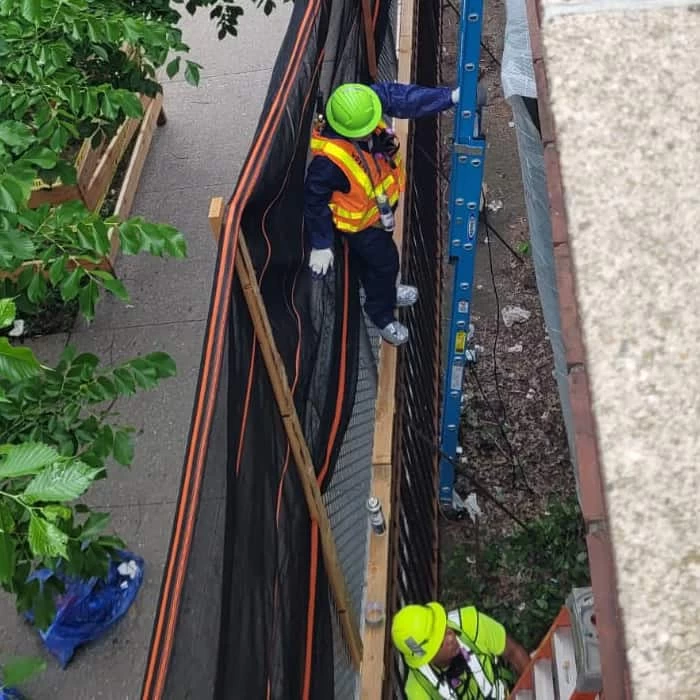
If the assessment turns up asbestos-containing materials or lead paint — which is common in pre-1960 homes throughout the Town of Cortlandt — we handle abatement in-house under the required NYS DOL licenses, with proper notifications filed with the state before work begins. After drying and remediation, we move into structural repairs and reconstruction, coordinating directly with your insurance carrier throughout. You don’t manage multiple contractors or chase down paperwork. One company handles everything, start to finish.
Flood restoration here isn’t a single service — it’s a complete scope of work that adapts to what your home actually needs. Emergency water extraction and industrial drying come first. Then full moisture mapping, mold assessment, and remediation under a state-issued mold license. If testing reveals asbestos or lead paint in the affected areas — a real possibility in the Raised Ranch and Cape Cod homes that make up most of Montrose’s housing stock — we handle that work under the appropriate NYS DOL and USEPA certifications, not subcontracted to someone else.
Structural repairs, drywall replacement, insulation, flooring, and finish work are all part of the scope. The goal is a fully restored home, not a dried-out shell that still needs three other contractors before you can live in it normally again. All of this is documented in a format that insurance adjusters recognize and accept, because we bill your carrier directly — no upfront cost to you.
For homeowners who are uninsured, underinsured, or dealing with flood damage that falls outside a standard homeowners policy — which is more common than most people expect, since standard policies typically don’t cover storm-driven flooding — we offer financing up to $200,000 at 0% APR. The cost of doing nothing, or doing it wrong, always exceeds the cost of doing it right the first time.
Does homeowners insurance cover flood damage in Montrose, NY?
This is one of the most important questions to understand before you’re in the middle of a crisis. Standard homeowners insurance policies typically do not cover flooding caused by storm surge, overland water flow, or rising groundwater — which are exactly the types of flooding that Montrose properties near the Hudson River corridor are most exposed to. For that kind of coverage, you need a separate flood insurance policy, either through the National Flood Insurance Program (NFIP) or a private carrier. The Town of Cortlandt participates in the NFIP, so that coverage is available to Montrose homeowners.
What standard homeowners insurance usually does cover is sudden and accidental water damage — a burst pipe, a failed sump pump, or an appliance leak. The line between what’s covered and what isn’t can get complicated fast, especially after a major storm event. We handle insurance billing directly, which means we know how to document and present claims in a way that gives you the best chance of a fair outcome with your carrier. You don’t have to figure that out on your own.
How fast does mold actually start growing after a flood in an older Montrose home?
Mold can begin to develop in as little as 24 to 48 hours after a water event — and in the older homes that make up most of Montrose’s housing stock, that timeline can move even faster. Pre-1960 construction typically used plaster walls, wood framing, and cellulose-based insulation, all of which are far more porous and mold-susceptible than the drywall and fiberglass insulation found in newer builds. Moisture penetrates these materials quickly and deeply, which means surface drying alone won’t stop the problem.
The 24-hour window is the reason response time matters so much. A crew that arrives six hours after you call is working with a significantly smaller window than one that arrives in 60 minutes. Once mold takes hold inside a wall cavity or under a subfloor, the remediation scope — and the cost — expands considerably. Getting someone on-site fast isn’t just about convenience. It’s about keeping a manageable problem from becoming a major one.
My Montrose home was built in the 1950s — do I need to worry about asbestos during flood restoration?
Yes, and it’s worth taking seriously. Homes built before 1980 — which includes the vast majority of Montrose’s housing stock — commonly contain asbestos in floor tiles, pipe insulation, ceiling tiles, joint compound, and roofing materials. When flood water saturates these materials or when restoration work disturbs them, asbestos fibers can become airborne. At that point, you’re dealing with a regulated abatement situation, not just a water damage cleanup.
New York State law requires that asbestos abatement be performed by a licensed contractor, with mandatory notifications filed with the NYS Department of Environmental Conservation at least seven days before work begins. A contractor who disturbs asbestos-containing materials without that license — even unintentionally — creates legal and health liability for both themselves and the homeowner. We hold the NYS DOL Asbestos license and handle abatement in-house. If testing during the assessment turns up asbestos, that finding gets addressed properly within the same scope of work, not handed off to a third party or ignored.
What's the difference between water damage classes, and why does it affect my restoration cost?
Water damage is categorized by both class and category, and both affect how the restoration is scoped and priced. Class refers to how much moisture has absorbed into materials. Class 1 is minimal absorption — maybe a small area of wet carpet. Class 4 means water has penetrated deeply into dense materials like hardwood, concrete, or plaster — the kind of saturation that happens in a Montrose home after a prolonged flood event or a slow leak that went undetected. Class 4 restoration can cost anywhere from $20,000 to $100,000 depending on scope.
Category refers to the contamination level of the water itself. Category 1 is clean water from a pipe. Category 3 — called black water — is storm-driven flood water, sewage backup, or water that has been sitting long enough to become heavily contaminated. Storm flooding in Montrose, particularly from runoff that travels through the wooded hillsides above the hamlet and into low-lying residential areas, frequently qualifies as Category 3. That classification affects how materials are handled, what can be dried versus what must be removed, and what safety protocols are required during the work.
How long does flood restoration typically take from start to finish?
The timeline depends on the scope of damage, but most residential flood restoration projects move through a few distinct phases. Emergency water extraction and initial drying typically take three to five days using industrial equipment. Mold assessment and any necessary remediation adds time depending on what’s found — usually several additional days for a contained situation, longer if the mold has spread into structural materials. Structural repairs and reconstruction vary the most, from a week for minor work to several weeks for significant damage to framing, flooring, or wall systems.
In Montrose specifically, pre-1960 homes can add time to the process because older materials — plaster, original hardwood, older insulation — require more careful handling than modern drywall and fiberglass. If asbestos or lead paint is identified during assessment, proper abatement procedures add time but cannot be skipped. The full process from first call to final walkthrough for a moderately affected home typically runs two to four weeks. We keep you informed at every stage and coordinate directly with your insurance carrier so delays on the claims side don’t stall the physical work.
Can you handle the insurance claim process, or do I have to manage that myself?
We bill your insurance company directly — you don’t pay upfront and you don’t manage the back-and-forth with your adjuster on your own. We document the damage, the remediation scope, and the completed work in a format that insurance carriers recognize, which matters more than most homeowners realize. An underdocumented claim is one of the most common reasons payouts come in lower than expected or get disputed entirely.
This is especially relevant for Montrose homeowners navigating claims after a major weather event, when insurance companies are handling high claim volumes and looking closely at documentation. Having a licensed, state-verified contractor with 12 years of claims experience presenting your case makes a real difference. And for situations where insurance doesn’t cover the full scope — or where coverage gaps leave you responsible for part of the cost — we offer financing up to $200,000 at 0% APR so the work isn’t delayed while you sort out the financial side.