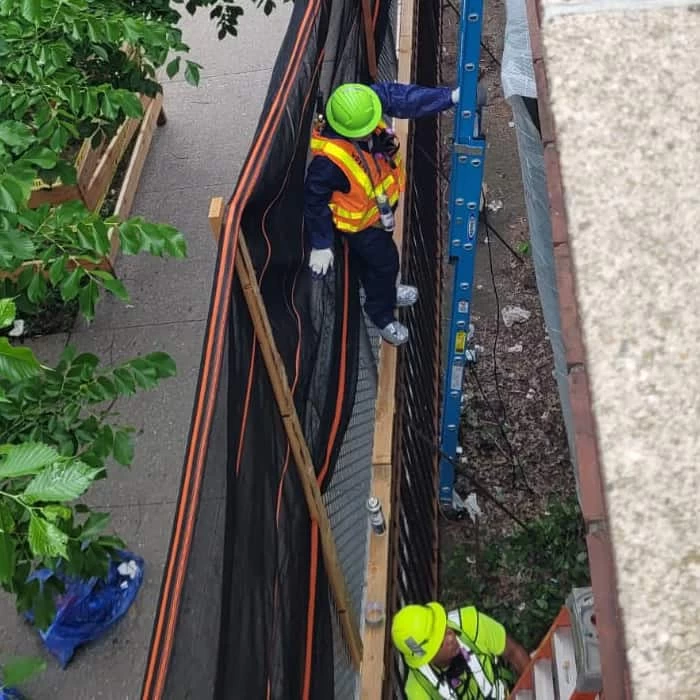
I needed a professional consultation explanation of procedure for safe removal of Asbestos in my apartment complex. Without having an account yet, I was very impressed with the caring, knowledgeable and generous advice offered by Jessica, and will look forward to doing business in the future. Thank you so much! I feel much more informed about a sometimes scary endeavor. Peace. Nancy Silva Mineola, NY.
Mia Munoz
Used this company to clean up some water flood in my house. They were fast and easy to work with.very professional, Would recommend to anyone!
Nini Valle
Great company, had a flood and they responded quickly and efficiently. Billed my insurance company directly. I highly recommend this company!
joe colapietro, jr
I had pipe freeze in my basement right before a snow storm and they made to within an hour to help start the clean up process. They we by our side throughout the entire process and even helped with the insurance company. They did such a great job with the cleanup, repair, remidiation, I contracted them to perform the repairs and finishes in the basement. They came with enough manpower and material to get the job done. Leo and Jessica were nothing but a pleasure to deal with!!
Cristian Arredondo c
I had some water damage in my home and Green Island was able to take care of my issue quickly and effectively. I am very pleased with the work they did. They responded quickly and were very professional.
Michael M
Outstanding service! From the office to the field crew everyone was friendly, helpful and responsive. I highly recommend Green Island Group.
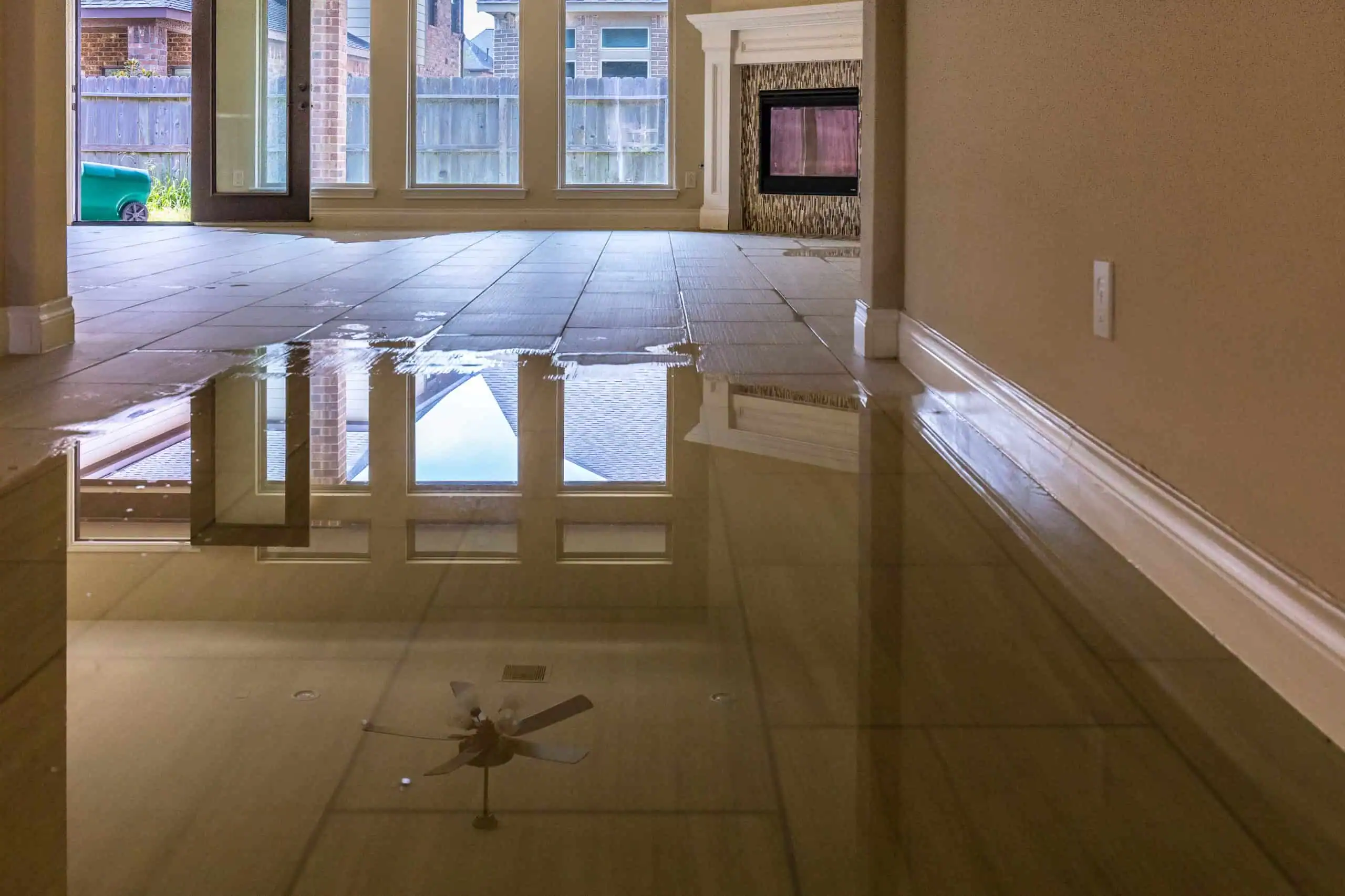
Standing water is the part you can see. What it leaves behind is what costs you. Moisture travels into wall cavities, soaks into subfloors, and saturates insulation long before mold becomes visible — and in the wooded, high-humidity terrain of northern Westchester, that process moves fast. Homes built in the 1950s, 60s, and 70s — which make up a significant portion of the housing stock in Yorktown Heights and surrounding hamlets like Crompond and Shrub Oak — weren’t built with modern moisture barriers. Water finds its way in, and it doesn’t announce itself.
When the job is done right, you get your home back without the anxiety of wondering what’s still wet inside the wall. No musty smell six weeks later. No mold remediation call in the spring. No disclosure headache when it’s time to sell. With median home values in Yorktown Heights exceeding $644,000, the cost of a half-finished restoration isn’t just the repair bill — it’s the long-term damage to an asset you’ve spent years building.
The other thing that changes is the insurance process. Most homeowners dread dealing with adjusters, especially after a major event like the July 2023 flash flooding that triggered a joint State of Emergency from Governor Hochul and Westchester County Executive Latimer. We document everything, communicate directly with your carrier, and handle the billing so you’re not fronting money while the claim works its way through. You focus on your family. We handle the paperwork.
12 Years, 5,000 Projects, Every License That Matters in Northern Westchester
We’ve been doing environmental restoration work across New York State for over 12 years. That’s more than 5,000 completed projects — not across the country, across New York. We know northern Westchester’s terrain, its housing stock, and the specific flood patterns that come with living near the Croton River watershed. We’ve worked extensively throughout Yorktown Heights, Jefferson Valley, Crompond, and Shrub Oak, restoring homes built across multiple decades with different vulnerabilities and code requirements.
The credentials aren’t just wall decorations. We hold IICRC Water Damage Certification, a NYS DOL Mold License, a NYS DOL Asbestos License, USEPA Lead/RRP Certification, and active contractor status with the NYS Office of General Services. That last one matters — the state of New York has vetted and approved us for restoration work on its own properties. For a community like Yorktown Heights, where the IBM Watson Research Center has shaped a highly technical, credential-conscious professional demographic, that’s not a small thing.
We’re also NYS and NYC M/WBE Certified, fully insured with Liability and Workers’ Compensation coverage, and back every project with a 100% Satisfaction Guarantee.
From First Call to Final Walkthrough — No Surprises
It starts with a call. From there, we dispatch a crew and arrive on-site within 60 minutes — day or night, weekday or weekend. The first priority is stopping the damage from spreading. That means water extraction, containment, and a full moisture assessment using industrial meters and thermal imaging to find what isn’t visible to the eye. In older Yorktown Heights homes, that step also includes testing for asbestos and lead before any demolition begins — a legal requirement in New York State that many contractors quietly skip.
Once the scope is clear, the drying process begins. Industrial air movers and dehumidifiers run continuously until moisture readings confirm the structure is dry — not surface dry, but structurally dry. That distinction matters in a climate like northern Westchester, where seasonal humidity and wooded surroundings keep ambient moisture levels high even after a flood event has passed. Rushing this step is how mold problems start.
After structural drying is confirmed, the reconstruction phase begins. Drywall, subfloor, insulation, framing — whatever was removed comes back. We handle the full scope in-house, so there’s no handoff between a mitigation company and a separate general contractor. The project is managed start to finish by one team, and the insurance documentation is handled in parallel the entire time. When the final walkthrough is done, your home is restored — not just dried out.
Mold Remediation and Water Extraction Yorktown Heights
Full-Scope Restoration Built for Yorktown Heights Homes
Flood restoration in Yorktown Heights isn’t a one-size job. The rolling terrain, the wooded lots, the older housing stock, and the proximity to the Croton River watershed all shape what a complete restoration actually requires here. We handle the full range — water extraction, structural drying, mold remediation, asbestos abatement, lead-safe demolition, and complete reconstruction — under one roof, with one licensed team.
For homeowners in Yorktown Heights, Crompond, Jefferson Valley, and the surrounding hamlets of the Town of Yorktown, the asbestos and lead piece is not optional fine print. Homes built before 1980 — and there are many in this area, given the development wave that followed the IBM Watson Research Center’s opening in 1961 — frequently contain asbestos in pipe insulation, floor tiles, drywall compound, and ceiling materials. Disturbing those materials during flood restoration without a licensed abatement contractor creates real health and legal exposure. We hold the NYS DOL Asbestos License and USEPA Lead/RRP Certification to handle exactly that — legally, safely, and completely.
Financing is available up to $200,000 at 0% APR for situations where insurance coverage has gaps, claims are delayed, or the damage is uninsured. We’re the only restoration company identified in the Yorktown Heights market that offers this. The work gets started immediately — not after the check clears.
How quickly can flood restoration start for a Yorktown Heights home?
We commit to being on-site within 60 minutes of your call, 24 hours a day, every day of the year. That’s not a target — it’s the standard. In Yorktown Heights, where flash flooding events can develop quickly off the Croton River watershed and saturate finished basements within hours, that response window makes a real difference in how much damage you’re dealing with at the end of the job.
The faster extraction begins, the less moisture has time to migrate into wall cavities, subfloors, and structural framing. Every hour of delay increases the likelihood of mold growth, which New York State research confirms can begin in as little as 24 hours after a water event. If you’re calling at midnight after a summer storm, the response is the same as if you called at noon. Our crew comes out, assesses the damage, and gets to work.
Does homeowners insurance cover flood damage in Yorktown Heights, NY?
Standard homeowners insurance typically covers sudden and accidental water damage — like a burst pipe or a failed appliance — but it usually does not cover flooding caused by external stormwater, overflowing waterways, or groundwater intrusion. That distinction matters in Yorktown Heights, where many flood events are driven by surface runoff, creek overflow, and saturated hillside soils rather than internal plumbing failures. Separate flood insurance through the National Flood Insurance Program (NFIP) is required to cover those events.
Following the July 2023 flash flooding, New York State activated an emergency assistance program for Westchester homeowners offering up to $50,000 for qualified flood repairs — in part because so many residents were underinsured or had coverage gaps they weren’t aware of. We work directly with your insurance carrier, document all damage for the adjuster, and manage the claims process on your behalf. If there’s a coverage gap, financing up to $200,000 at 0% APR is available so the restoration can begin immediately without waiting for the claim to resolve.
How do I know if my Yorktown Heights home has asbestos before restoration begins?
You don’t — not without testing. And that’s exactly why it matters. Homes built before 1980 in Yorktown Heights, Crompond, Shrub Oak, and the surrounding hamlets of the Town of Yorktown frequently contain asbestos in pipe insulation, floor tiles, joint compound, ceiling tiles, and roofing materials. The residential development in this area followed the IBM Watson Research Center’s opening in 1961, which means a large share of the local housing stock falls squarely in the at-risk era.
New York State law requires that asbestos-containing materials be tested and properly abated before demolition or disturbance — including the kind of demolition that happens during flood restoration when drywall and flooring are removed. We hold the NYS DOL Asbestos License and perform testing before any demolition begins. If asbestos is present, it’s abated by our licensed team following all NYS Department of Environmental Conservation notification requirements. This protects your family, the workers on-site, and your legal standing as a homeowner.
How long does flood restoration typically take for a finished basement?
The honest answer is that it depends on how much moisture is present and how deeply it has penetrated the structure. A finished basement in a Yorktown Heights colonial or split-level — with drywall, carpet, drop ceilings, and insulated framing — can hold moisture in ways that aren’t visible from the surface. The drying phase alone typically runs three to five days using industrial air movers and dehumidifiers, and it doesn’t end until moisture meter readings confirm the structure is dry throughout — not just at the surface.
If asbestos or lead testing is required, that adds time upfront — but it’s non-negotiable under New York State law and protects everyone involved. Reconstruction of a finished basement, depending on scope, generally runs one to three weeks. We manage the full process in-house, so there’s no delay between the mitigation phase and the reconstruction phase. One team, one timeline, one point of contact from start to finish.
What causes basement flooding in Yorktown Heights specifically?
The geography of Yorktown Heights is the main driver. The town sits in hilly, wooded terrain with multiple reservoirs, lakes, and tributaries of the Croton River watershed running through it. When heavy rain hits — especially the kind of intense summer thunderstorms that produced the July 2023 flash flooding — water moves quickly off the hillsides, saturates the soil, and overwhelms drainage systems faster than most basements can handle. Sump pump failures are common during these events, and homes on hillside lots face direct runoff intrusion that flat-terrain homes don’t deal with.
The Westchester County Hazard Mitigation Plan formally identifies the Yorktown Heights commercial district as a recurring flood zone, with documented flooding at two to five inch depths from wetland and watercourse overflow. Seasonally, spring snowmelt creates a second wave of risk as the water table rises through the wooded hillside terrain. Winter brings burst pipe risk — a cold-weather reality that affects many properties in this area. Understanding which mechanism caused your flooding matters, because it affects both the restoration approach and the insurance coverage that applies.
Why should I hire a licensed restoration contractor instead of a general contractor in Yorktown Heights?
A general contractor can rebuild a wall. What they typically can’t do — legally — is test for asbestos, perform licensed mold remediation, or handle lead-safe demolition under New York State regulations. In Yorktown Heights, where a significant portion of the housing stock predates 1980, those aren’t edge cases. They’re routine considerations in any flood restoration job that involves removing drywall, flooring, or insulation.
New York State requires a dedicated NYS DOL Mold License for mold remediation work and a NYS DOL Asbestos License for abatement — separate from a general contractor’s license. Hiring someone without these credentials doesn’t just create a quality risk; it creates a legal and health exposure for you as the homeowner. We hold both licenses, along with USEPA Lead/RRP Certification and IICRC Water Damage Certification. The full scope of a flood restoration job in an older Yorktown Heights home can be completed legally and completely by one licensed team — without subcontracting out the parts that require credentials the general contractor doesn’t have.