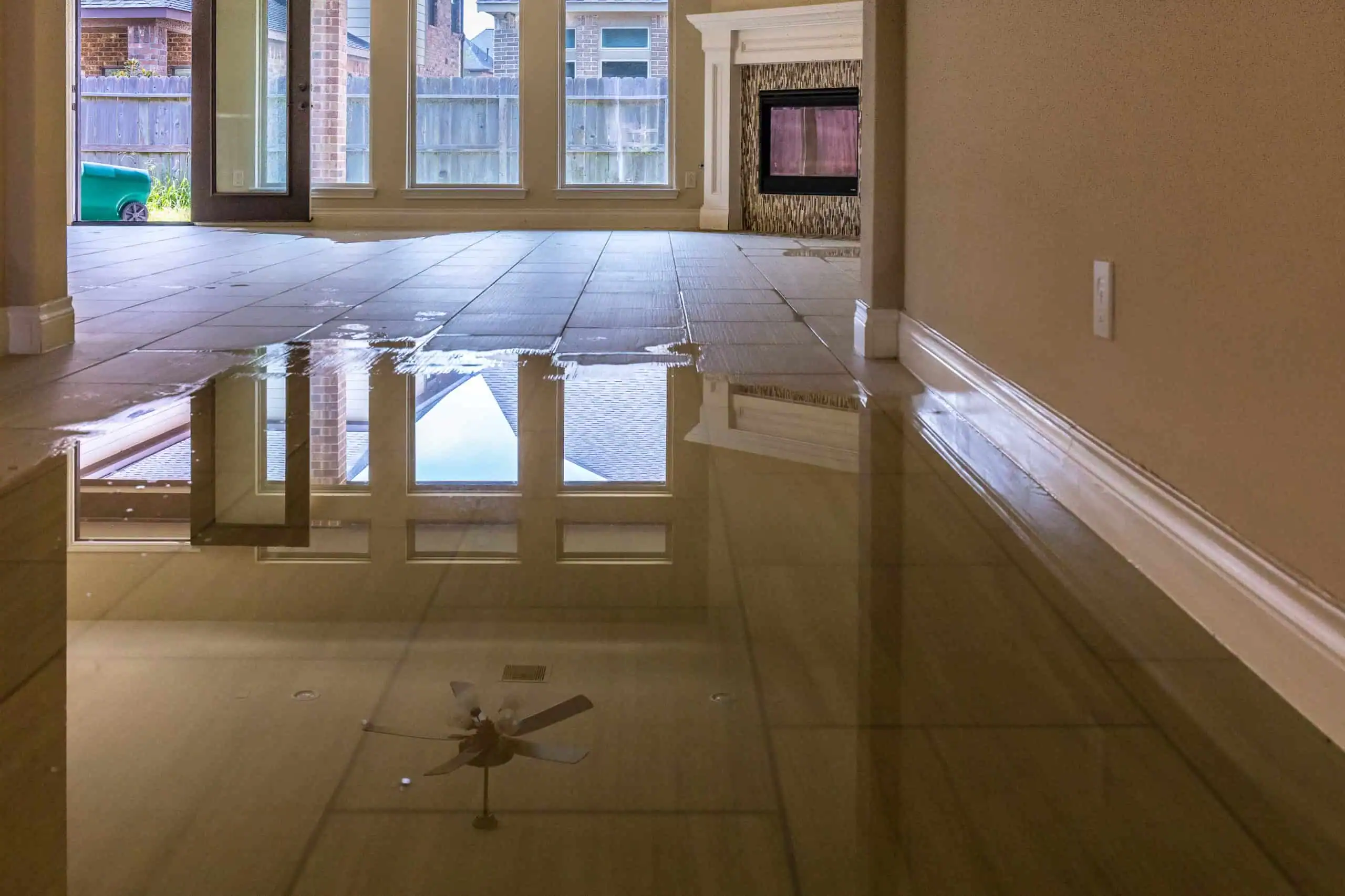
Nanuet basements don’t wait — and neither do we. We’re on-site within 60 minutes, handling everything from emergency water extraction to full reconstruction, with direct insurance billing so you’re not fronting a dime.
I needed a professional consultation explanation of procedure for safe removal of Asbestos in my apartment complex. Without having an account yet, I was very impressed with the caring, knowledgeable and generous advice offered by Jessica, and will look forward to doing business in the future. Thank you so much! I feel much more informed about a sometimes scary endeavor. Peace. Nancy Silva Mineola, NY.
Mia Munoz
Used this company to clean up some water flood in my house. They were fast and easy to work with.very professional, Would recommend to anyone!
Nini Valle
Great company, had a flood and they responded quickly and efficiently. Billed my insurance company directly. I highly recommend this company!
joe colapietro, jr
I had pipe freeze in my basement right before a snow storm and they made to within an hour to help start the clean up process. They we by our side throughout the entire process and even helped with the insurance company. They did such a great job with the cleanup, repair, remidiation, I contracted them to perform the repairs and finishes in the basement. They came with enough manpower and material to get the job done. Leo and Jessica were nothing but a pleasure to deal with!!
Cristian Arredondo c
I had some water damage in my home and Green Island was able to take care of my issue quickly and effectively. I am very pleased with the work they did. They responded quickly and were very professional.
Michael M
Outstanding service! From the office to the field crew everyone was friendly, helpful and responsive. I highly recommend Green Island Group.
When water gets into your home, the damage doesn’t stop when the water does. It keeps moving — soaking into wall cavities, saturating insulation, and working its way under subfloors in ways you can’t see from the surface. By the time visible mold appears, the problem has usually been growing for weeks. That’s the part most homeowners don’t find out until it’s much worse than it needed to be.
For Nanuet residents specifically, this hits differently. More than 40% of homes here were built before 1970 — split-levels, ranches, and colonials on residential streets off Route 304 and throughout the Clarkstown neighborhoods that make up this hamlet. Those homes weren’t built with today’s storm intensity in mind, and their wall systems, insulation, and older plumbing absorb and hold moisture in ways that newer construction doesn’t. What looks like a contained basement flood in a 1965 home can turn into a mold and asbestos situation faster than most people expect.
What you get when the job is done right: dry walls, clean air, no hidden moisture, and a home that’s structurally sound — not just visually dry. We use industrial thermal imaging and moisture detection to find what’s hiding behind the drywall, not just what’s visible on the floor. The work doesn’t stop until the readings confirm it’s done.
Licensed Credentials Built for Nanuet's Older Homes
We’ve been doing environmental restoration work in New York for over 12 years, with more than 5,000 completed projects across the state. That’s not a number pulled from a marketing sheet — it’s the kind of volume that means we’ve seen what flooding does to homes exactly like yours, in communities exactly like Nanuet.
What sets us apart in this market isn’t just experience — it’s the credential stack. We hold NYS DOL Mold, NYS DOL Asbestos, USEPA Lead/RRP, and IICRC Water Damage certifications simultaneously. For a Nanuet homeowner in a pre-1980 home, that matters more than most people realize. Flood water in an older Clarkstown-area home can disturb asbestos floor tiles, lead paint, and aging pipe insulation — materials that require licensed abatement, not just a shop vac and a dehumidifier. Most water damage companies in Rockland County are not licensed to handle those materials. We are.
We’re also NYS and NYC M/WBE Certified and work directly with the NYS Office of General Services — a state-audited designation that signals accountability, not just availability.
From the First Call to the Final Walkthrough — One Contractor, One Timeline
When you call, the clock starts. Our 60-minute on-site response guarantee means a crew is at your door fast — not “within 24 hours,” not “as soon as possible.” That response window matters in Nanuet because the flash flooding events that hit this community, like the July 2025 storm that dumped over five inches of rain and flooded parts of Route 59 and the Rockland Plaza parking lot, move fast and leave standing water in basements that begins activating mold within 24 hours.
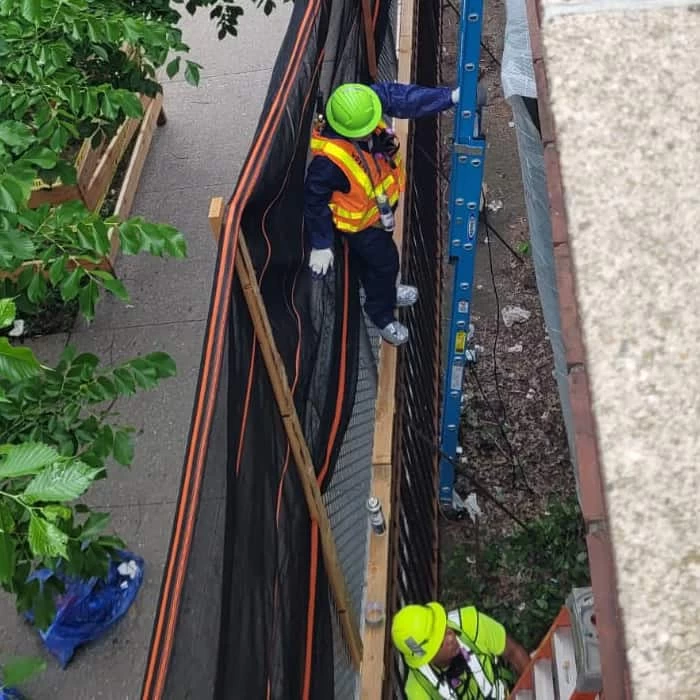
Once on-site, the first step is assessment — not guessing. Industrial moisture meters and thermal imaging cameras identify exactly where water has traveled, including inside walls and under flooring where it isn’t visible. From there, the extraction and structural drying process begins using commercial-grade equipment that goes far beyond what rental fans and consumer dehumidifiers can do. If the assessment reveals asbestos-containing materials or lead paint that have been disturbed — a real possibility in Nanuet’s pre-1978 housing stock — we handle licensed abatement in-house, without bringing in a separate contractor or adding days to your timeline.
After drying and any necessary abatement, the reconstruction phase begins: framing, drywall, flooring, and finishes. All permits required by the Town of Clarkstown Building Department are pulled directly by us. You don’t manage the paperwork. You don’t coordinate multiple crews. One company takes it from standing water to finished walls, and the job isn’t signed off until the final walkthrough confirms everything is done.
Full-Service Restoration Built for Nanuet's Reality
Flood restoration in Nanuet isn’t a one-size-fits-all job. The combination of aging housing stock, a storm drainage infrastructure built in the 1950s that wasn’t designed for today’s rainfall intensity, and a commuter community where homeowners don’t have time to manage a drawn-out, multi-contractor process — all of that shapes what a proper restoration job actually looks like here.
Our scope covers the full range: emergency water extraction, structural drying, mold remediation, asbestos abatement, lead paint containment, sewage backup cleanup, and complete reconstruction. That’s not a list of add-ons — it’s the reality of what a flood in a Nanuet home often requires. When water gets into a 1960s split-level and the floor tiles turn out to contain asbestos, or when the drywall behind a finished basement wall tests positive for elevated moisture and mold, you need a contractor who can legally and safely handle all of it under one roof. That’s not common in Rockland County. It’s what we bring to every job.
On the financial side: we bill insurance directly, so you’re not fronting costs while waiting for a claim to process. For situations where standard homeowners insurance doesn’t cover storm-origin flooding — which is more common than most Nanuet homeowners realize until it’s too late — financing up to $200,000 at 0% APR is available. The work is backed by a 100% Satisfaction Guarantee, and we carry full liability insurance and Workers’ Compensation coverage on every job.
Does homeowners insurance cover flood damage from storms in Nanuet, NY?
This is one of the most common — and most painful — discoveries Nanuet homeowners make after a storm. Standard homeowners insurance typically does not cover flooding caused by outside water entering your home, which is exactly what happens when a heavy storm overwhelms the drainage infrastructure along Route 59 or backs water into basements on residential streets throughout Clarkstown. That type of flooding is generally only covered by a separate flood insurance policy, often through the National Flood Insurance Program (NFIP).
If you don’t carry separate flood insurance, you’re not necessarily out of options. Damage caused by a sudden internal failure — a burst pipe, a failed sump pump, or a backed-up drain — may fall under your standard policy’s water damage coverage, depending on the cause and your specific policy language. We work directly with insurance carriers and can help document the damage in a way that supports your claim. For situations where coverage falls short, financing up to $200,000 at 0% APR is available so the restoration doesn’t get delayed while you sort out the financial side.
How quickly does mold start growing after a basement flood in Nanuet?
Mold can begin activating within 24 to 48 hours of water exposure, depending on temperature, humidity, and the materials affected. In a Nanuet basement during a summer storm event — warm, humid conditions with saturated drywall, wood framing, and insulation — that timeline is on the faster end. The July 2025 flash flooding event is a good reference point: homes that took on water during that storm had conditions ideal for rapid mold growth within the first day.
The bigger issue is that mold doesn’t always show up where you can see it. It grows inside wall cavities, behind finished drywall, under flooring, and in insulation — places that look dry from the outside but are still holding moisture. By the time you see mold on a surface, it’s usually been growing behind it for a while. That’s why the 24-hour response window matters, and why thermal imaging and moisture detection are part of the assessment process from the start — not something added later when a problem becomes visible.
My Nanuet home was built in the 1960s — does that affect the restoration process?
Yes, significantly. Homes built before 1978 have a real probability of containing lead paint, and homes built before approximately 1980 commonly contain asbestos in floor tiles, pipe insulation, ceiling tiles, and joint compound. In Nanuet, where more than 40% of the housing stock was built before 1970, this isn’t a rare edge case — it’s the baseline reality for a large share of the homes that flood restoration calls come from.
When flood water disturbs these materials, the job shifts from a standard water mitigation job to a regulated environmental abatement job. New York State requires licensed contractors for both asbestos abatement (NYS DOL Asbestos license) and mold remediation (NYS DOL Mold license). The USEPA’s RRP Rule also requires Lead/RRP certification for contractors disturbing lead paint during renovation or restoration work. We hold all three of these certifications, which means we can legally and safely handle the full scope of what an older Nanuet home often requires — without stopping the job to bring in a separate licensed subcontractor.
What's the difference between water mitigation and full flood restoration?
Water mitigation refers specifically to the emergency response phase — extracting standing water, setting up drying equipment, and stopping the damage from spreading further. It’s the first step, and it’s critical. But mitigation alone doesn’t restore your home. Once the water is out and the structure is dry, you still need mold testing and remediation if growth has occurred, repairs or replacement of damaged drywall, flooring, insulation, and framing, and in older homes, testing and abatement of any hazardous materials that were disturbed.
Full flood restoration covers the entire process from that first emergency call through final reconstruction — including all permits required by the Town of Clarkstown Building Department. For Nanuet homeowners, the distinction matters because many water damage companies only offer the mitigation phase and then hand you off to a separate contractor for reconstruction. That means two separate scopes of work, two separate billing relationships, and a gap in accountability when something doesn’t line up between the drying phase and the rebuild. We handle both under one roof, which is why the job has one point of contact from start to finish.
How long does flood restoration typically take for a Nanuet home?
The timeline depends on the extent of the damage, but there’s a general framework that applies to most residential flood restoration jobs. The emergency extraction and initial drying phase typically takes two to five days using commercial-grade drying equipment — significantly faster than consumer fans and dehumidifiers, which don’t have the airflow or dehumidification capacity to dry wall cavities and subfloor systems properly. Moisture readings are taken throughout this phase to confirm when structural drying is actually complete, not just when the floor looks dry.
If mold remediation is required, that adds time depending on the scope — typically a few additional days for a contained area, longer if the mold has spread into framing or insulation. In Nanuet’s older homes, if asbestos or lead abatement is needed, that phase follows specific regulatory protocols that include containment, removal, and air clearance testing before reconstruction can begin. The reconstruction phase — drywall, flooring, framing, finishes — varies based on how much was removed. A realistic total timeline for a moderate basement flood in a Clarkstown-area home runs two to four weeks from first call to final walkthrough, assuming no major structural surprises.
Can you handle flood restoration for commercial properties on Route 59?
Yes. We handle both residential and commercial flood restoration, and the Route 59 commercial corridor in Nanuet is a documented flood zone. The Rockland Plaza parking lot flooding during the July 2025 storm — where multiple vehicles were stranded and the Town of Clarkstown supervisor was on scene — is a clear example of how quickly commercial properties along that corridor can take on water. Retail spaces, office suites, and mixed-use buildings along Route 59 face the same moisture, mold, and structural risks as residential properties, often with the added complexity of commercial flooring systems, drop ceilings, and HVAC configurations that require different drying approaches.
For commercial jobs, our direct insurance billing capability and financing options are particularly relevant — business interruption is real, and delays in starting the restoration process extend the time a commercial space is unusable. The same full-service scope applies: water extraction, structural drying, mold remediation, asbestos and lead abatement if applicable, and complete reconstruction, all permitted through the Town of Clarkstown Building Department. One contractor, one timeline, one point of accountability.