Your 1970s Wesley Hills Home Needs More Than a Wet Vac
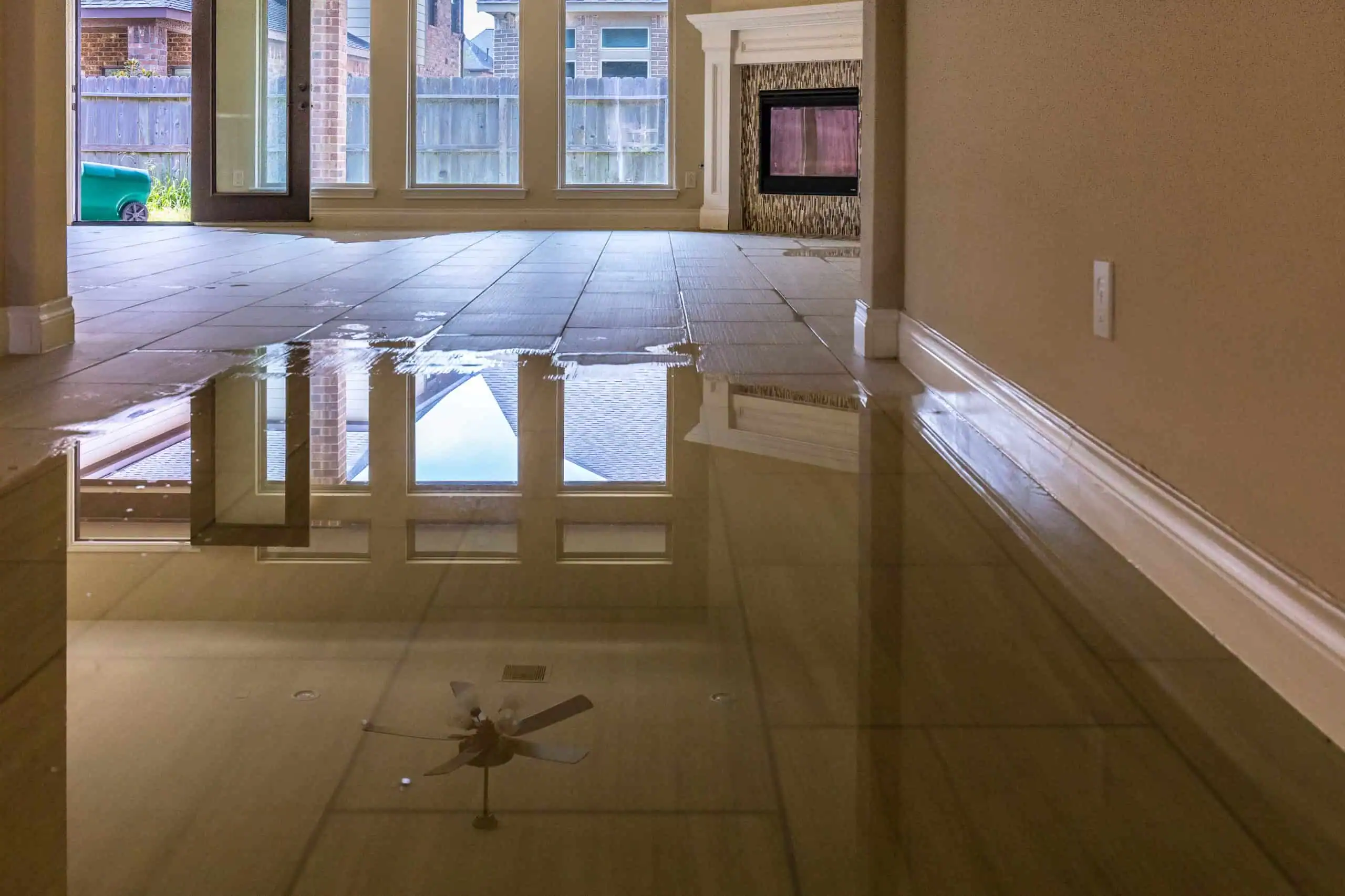
Most homes in Wesley Hills were built around 1971 — and when they flood, water doesn’t just sit on the floor. It moves into walls, under subfloors, and into materials that may contain asbestos or lead. We handle all of it, start to finish, and we’re on-site within 60 minutes.
I needed a professional consultation explanation of procedure for safe removal of Asbestos in my apartment complex. Without having an account yet, I was very impressed with the caring, knowledgeable and generous advice offered by Jessica, and will look forward to doing business in the future. Thank you so much! I feel much more informed about a sometimes scary endeavor. Peace. Nancy Silva Mineola, NY.
Mia Munoz
Used this company to clean up some water flood in my house. They were fast and easy to work with.very professional, Would recommend to anyone!
Nini Valle
Great company, had a flood and they responded quickly and efficiently. Billed my insurance company directly. I highly recommend this company!
joe colapietro, jr
I had pipe freeze in my basement right before a snow storm and they made to within an hour to help start the clean up process. They we by our side throughout the entire process and even helped with the insurance company. They did such a great job with the cleanup, repair, remidiation, I contracted them to perform the repairs and finishes in the basement. They came with enough manpower and material to get the job done. Leo and Jessica were nothing but a pleasure to deal with!!
Cristian Arredondo c
I had some water damage in my home and Green Island was able to take care of my issue quickly and effectively. I am very pleased with the work they did. They responded quickly and were very professional.
Michael M
Outstanding service! From the office to the field crew everyone was friendly, helpful and responsive. I highly recommend Green Island Group.
When flood restoration is handled correctly in a Wesley Hills home, you’re not just drying out a basement — you’re protecting a property worth close to or well over a million dollars. The difference between a $4,000 extraction job and a $40,000 structural remediation often comes down to how fast a qualified crew arrived and how thoroughly they found the water you couldn’t see. Thermal imaging catches moisture hiding behind original 1970s drywall and under hardwood floors before it becomes a mold colony three weeks later.
Wesley Hills sits on the eastern slope of the Ramapo Hills, with Harriman State Park’s watershed draining toward residential areas every time a major storm rolls through. That hillside runoff, combined with aging sump pumps and 50-year-old waterproofing systems, is why basements here flood differently than they do in flat suburban communities. A company that understands the local drainage pattern and the housing stock it’s working in will get you a better outcome — not just a drier floor, but a structurally sound, mold-free, fully restored home.
And because most homes in Wesley Hills predate the 1978 lead paint ban, a flood event here isn’t just a water problem. Saturated walls in a pre-1978 home can disturb lead paint and asbestos-containing materials that have been stable for decades. Getting that handled by a company licensed for all three — water, mold, and environmental hazards — means you’re not left coordinating a second contractor after the fact.
We’ve been doing environmental restoration work in New York for over 12 years, with more than 5,000 completed projects across the state — including extensive work throughout Rockland County and Wesley Hills specifically. That’s not a number to impress you. It means the crew showing up to your home near Lime Kiln Road or Willow Tree Park has seen this before, knows what older homes in Wesley Hills typically hide, and won’t be caught off guard by what’s behind your walls.
The credentials matter here more than they do in most places. We hold the NYS DOL Mold License, NYS DOL Asbestos License, USEPA Lead/RRP certification, and IICRC Water Damage certification — the full stack required to legally and correctly restore a pre-1978 home after a flood. We’re also NYS and NYC M/WBE Certified, fully insured with liability and workers’ compensation coverage, and carry a 100% Satisfaction Guarantee on every job.
When the state of New York trusts a contractor with public infrastructure through the NYS Office of General Services, that’s a level of institutional verification that a franchise operator or a generic local crew simply can’t match.
From the First Call to a Fully Restored Wesley Hills Home
The process starts the moment you call. Our 24/7 emergency response means someone picks up regardless of when the water appears — whether it’s a July thunderstorm draining off the Ramapo Hills at midnight or a burst pipe on a January morning. The goal is to be on-site within 60 minutes, because in a Wesley Hills home with finished basement square footage and older construction, every hour of standing water is actively worsening the damage.
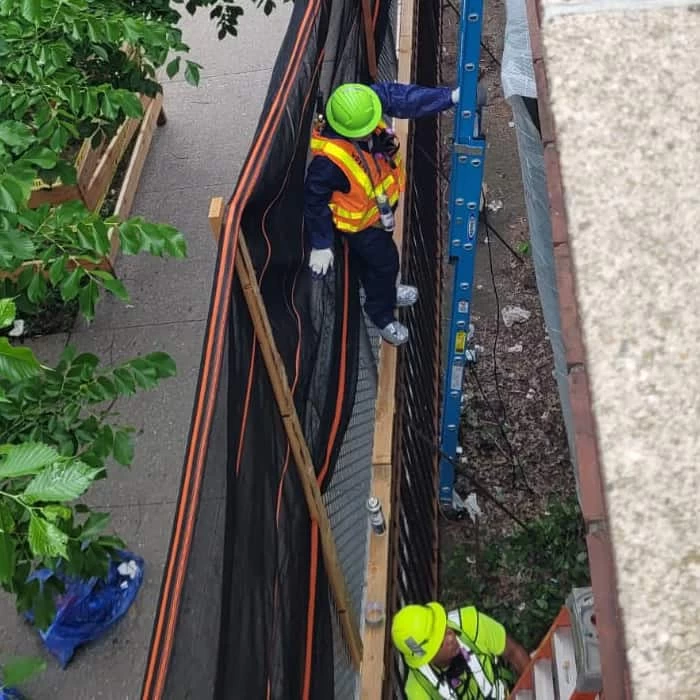
Once on-site, the first step is assessment — not just what’s visible, but what’s hidden. Industrial moisture meters and thermal imaging equipment map saturation behind walls, under floors, and inside structural cavities before any equipment is staged. In a home built around 1971, that assessment also includes checking for asbestos-containing materials and lead paint in any area where flood water has made contact, because disturbing those materials without proper protocols creates a separate liability. If abatement is needed, we handle it in the same mobilization — no second contractor, no delay.
From there, commercial-grade extraction and drying equipment runs until moisture readings confirm the structure is dry, not just surface-dry. Mold prevention treatment follows. Then, depending on the scope, structural repairs — drywall, flooring, framing, whatever the water reached — are completed under one roof. Any work requiring permits is filed through the Village of Wesley Hills building department, which operates independently from the Town of Ramapo. We handle that process so you don’t have to.
Flood restoration in Wesley Hills isn’t a one-size service. The scope depends on what the water reached, how long it sat, and what materials it came into contact with. We cover the full range — emergency water extraction, structural drying, mold remediation, asbestos abatement, lead-safe repair, sewage backup cleanup, and complete structural reconstruction. If the water touched it, we can restore it. No handoffs, no gaps in coverage.
The environmental piece is especially relevant for Wesley Hills. With a median build year of 1971, a significant portion of homes in the area contain asbestos in pipe insulation, floor tiles, ceiling materials, and wall compounds — and lead paint on trim, walls, and structural surfaces. When flood water saturates those areas, New York State law requires that remediation be performed by a licensed contractor. We hold both the NYS DOL Asbestos License and USEPA Lead/RRP certification, which means the work is done legally, documented correctly, and won’t create a disclosure problem if you ever sell.
Insurance coordination is built into the process from day one. We bill your insurance carrier directly, document everything required for your claim, and offer financing up to $200,000 at 0% APR for situations where coverage gaps or high deductibles leave you with out-of-pocket costs. The goal is to remove every obstacle between the call and the restoration — including the financial ones.
How quickly can flood restoration start for a Wesley Hills home?
We guarantee on-site response within 60 minutes of your call, 24 hours a day, seven days a week. For Wesley Hills specifically, that response time matters more than it might in other areas — the village’s hillside position relative to Harriman State Park means stormwater can move fast and in volume, and once water is inside a home built in the early 1970s, it migrates into wall cavities, insulation, and subfloor systems quickly.
The faster a qualified crew arrives with extraction and drying equipment, the smaller the scope of the job. Water that’s addressed within the first few hours typically stays a water damage event. Water that sits for 24 to 48 hours becomes a mold remediation event. In a home valued near or above a million dollars, that distinction is worth tens of thousands of dollars. Calling immediately — even if you’re not sure how serious it is — is always the right move.
Does homeowners insurance cover flood damage in Rockland County, NY?
Standard homeowners insurance typically does not cover flooding caused by weather events — that’s a separate flood insurance policy, usually through the National Flood Insurance Program (NFIP). However, water damage caused by internal failures — a burst pipe, a failed sump pump, an overflowing appliance — is generally covered under a standard homeowners policy. The distinction matters, and it’s one of the first things to clarify with your carrier when you call.
What we do is handle the documentation and direct billing process so you’re not managing that conversation while also managing a flooded home. We work with your insurance carrier, provide the scope of work and moisture documentation your adjuster needs, and bill directly. For situations where coverage is denied, delayed, or insufficient — which happens — the 0% APR financing up to $200,000 is available to bridge the gap. You don’t have to wait for the insurance process to resolve before the restoration starts.
How do I know if my Wesley Hills home has asbestos or lead paint after flooding?
If your home was built before 1978 — which describes the majority of Wesley Hills’s housing stock, given the median build year of 1971 — you should assume the presence of both until testing confirms otherwise. Asbestos was commonly used in pipe insulation, floor tiles, ceiling tiles, joint compound, and exterior siding in homes of that era. Lead paint was standard on trim, walls, and structural elements prior to the federal ban. Flood water that saturates those materials can disturb them in ways that aren’t visible to the eye.
The right approach is to have a licensed contractor assess the affected areas before any demolition or drywall removal begins. In New York State, mold remediation and asbestos abatement must be performed by a NYS DOL licensed contractor — it’s not optional, and performing that work without the proper license exposes the homeowner to liability. We hold both licenses, conduct the assessment as part of the initial response, and handle any required abatement within the same project scope. You won’t need a second company.
How long does flood restoration typically take for a home in Wesley Hills?
The timeline depends on the scope of the damage, but there are two distinct phases: the drying phase and the repair phase. Structural drying in a residential space typically takes three to five days, though older homes with thicker plaster walls, original hardwood flooring, or dense insulation — common in Wesley Hills’s 1970s-era construction — can take longer because those materials hold moisture more stubbornly than modern building materials.
Once moisture readings confirm the structure is dry, the repair phase begins. For a basement with drywall damage, flooring loss, and some structural framing involvement, two to three weeks is a reasonable estimate for full restoration. If asbestos abatement is required, New York State mandates a seven-day notification period before abatement work can begin — that’s a regulatory requirement, not a scheduling choice, and it’s built into the project timeline. We manage the permit filings with the Village of Wesley Hills building department so that process doesn’t add unexpected delays on your end.
What causes basement flooding in Wesley Hills, and can it be prevented after restoration?
The most common causes in Wesley Hills are hillside stormwater runoff, sump pump failures, and degraded foundation waterproofing in homes that are now 50 or more years old. The village’s position on the eastern slope of the Ramapo Hills — with Harriman State Park’s watershed to the west — means that during heavy rain events, significant water volume moves toward residential foundations. The July 2023 storms that triggered a Governor’s State of Emergency across Rockland County are a clear example of what that looks like at scale.
After restoration, the most effective preventive steps are sump pump replacement or backup installation, exterior drainage grading, and foundation waterproofing membrane application. We assess the source of entry as part of every restoration job — not just what the water damaged, but how it got in. Addressing the entry point is what separates a permanent fix from a temporary one, and in a home of this age and value, that’s a conversation worth having before the next storm season.
Can mold grow in my Wesley Hills home after a flood, even if it looks dry?
Yes — and this is one of the most common misconceptions homeowners run into after a flood. Mold can begin growing within 24 to 48 hours of a water intrusion event, and it almost always starts in places you can’t see: inside wall cavities, behind baseboards, under flooring, and within insulation. A surface that looks and feels dry to the touch can still have moisture content well above the threshold where mold colonies establish.
In Wesley Hills homes built in the 1970s, this risk is compounded by the building materials of that era — fiberglass batt insulation, original drywall, and wood framing that absorbs and retains moisture longer than modern materials. We use industrial moisture meters and thermal imaging to confirm actual moisture levels throughout the affected area, not just surface readings. Mold remediation, when needed, is handled under the NYS DOL Mold License — which is a legal requirement in New York and not something every company operating in Rockland County actually holds. If you’ve had any water event in the last several weeks and didn’t have a licensed crew confirm dry readings, an inspection is worth scheduling before the problem becomes structural.