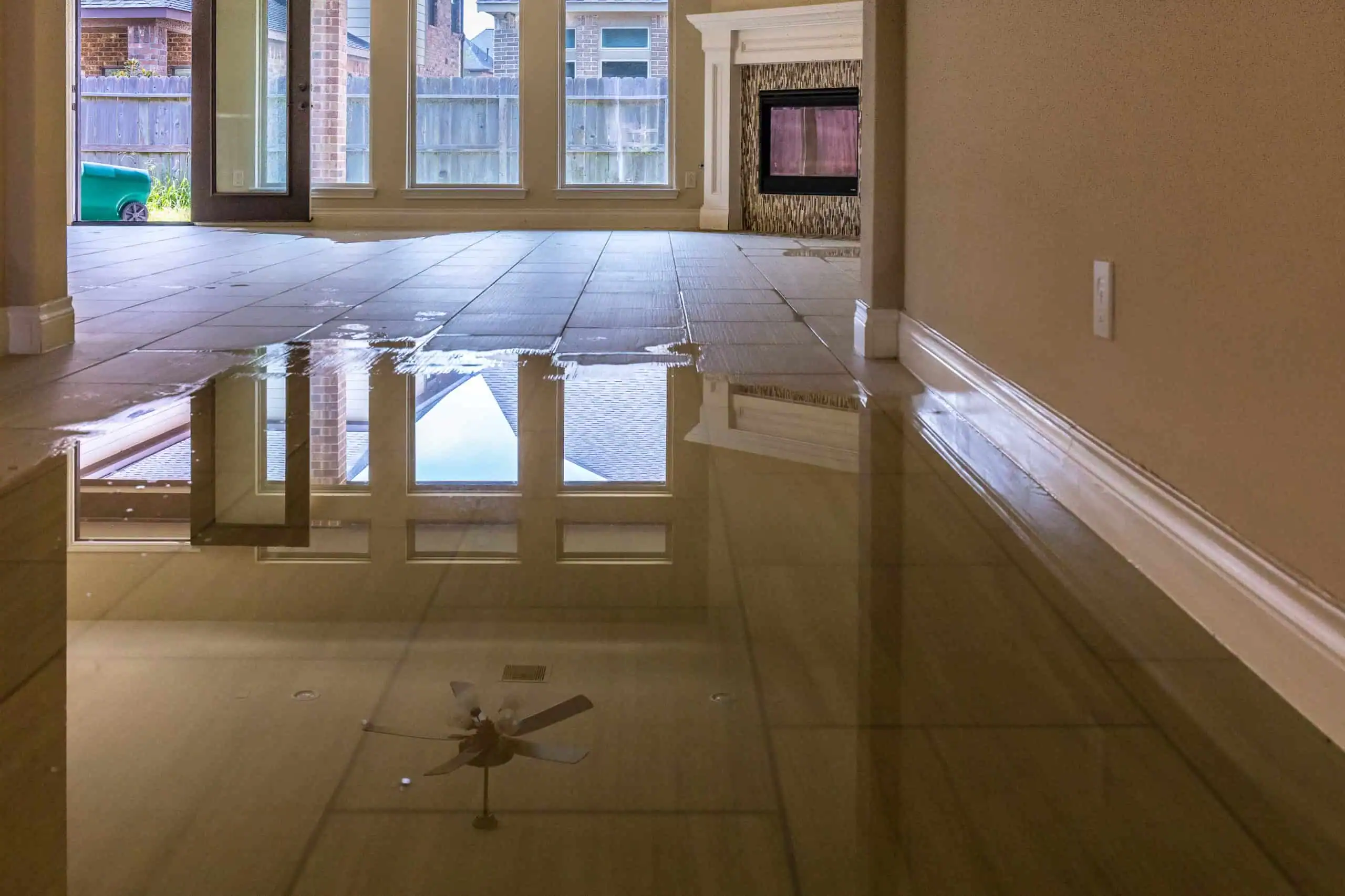
When Thiells Basements Flood, Every Hour Costs You
Water in your home doesn’t wait — and in a North Rockland hamlet where homes run 50 years deep, the damage compounds fast. We’re on-site within 60 minutes, handle everything from water extraction to full rebuild, and bill your insurance directly so you pay nothing upfront.
I needed a professional consultation explanation of procedure for safe removal of Asbestos in my apartment complex. Without having an account yet, I was very impressed with the caring, knowledgeable and generous advice offered by Jessica, and will look forward to doing business in the future. Thank you so much! I feel much more informed about a sometimes scary endeavor. Peace. Nancy Silva Mineola, NY.
Mia Munoz
Used this company to clean up some water flood in my house. They were fast and easy to work with.very professional, Would recommend to anyone!
Nini Valle
Great company, had a flood and they responded quickly and efficiently. Billed my insurance company directly. I highly recommend this company!
joe colapietro, jr
I had pipe freeze in my basement right before a snow storm and they made to within an hour to help start the clean up process. They we by our side throughout the entire process and even helped with the insurance company. They did such a great job with the cleanup, repair, remidiation, I contracted them to perform the repairs and finishes in the basement. They came with enough manpower and material to get the job done. Leo and Jessica were nothing but a pleasure to deal with!!
Cristian Arredondo c
I had some water damage in my home and Green Island was able to take care of my issue quickly and effectively. I am very pleased with the work they did. They responded quickly and were very professional.
Michael M
Outstanding service! From the office to the field crew everyone was friendly, helpful and responsive. I highly recommend Green Island Group.
Most Thiells homeowners don’t realize mold can start activating within 24 hours of a flood event. What looks dry on the surface — your drywall, your subfloor, the insulation behind your walls — can stay saturated for weeks if it isn’t pulled out with industrial equipment. By the time you smell it, the problem is already weeks old.
That timeline matters even more in Thiells because of the housing stock here. A significant portion of homes and condos in this area were built between the 1950s and 1980s. Green Mountain Condominiums on Crescent Drive, for example, date back to around 1973. When water gets into a home that age, you’re not just dealing with moisture — you’re potentially dealing with asbestos-containing materials and lead paint that get disturbed during cleanup. Most restoration companies aren’t licensed to handle that. We are.
The Ramapo watershed drainage corridor that runs through North Rockland also means your basement is dealing with more than just rain from above. Clay-heavy soils reduce absorption, runoff funnels toward foundations, and aging sump pumps in older Thiells homes fail exactly when you need them most — during a power outage in the middle of a storm. Getting the right company on-site fast isn’t just about convenience. It’s about stopping a manageable problem from becoming a structural one.
We’ve been doing environmental restoration work in New York State for over 12 years and have completed more than 5,000 projects. That’s not a franchise number — that’s one company, one standard, built over time across exactly the kind of housing stock you’ll find in Rockland County and throughout Thiells.
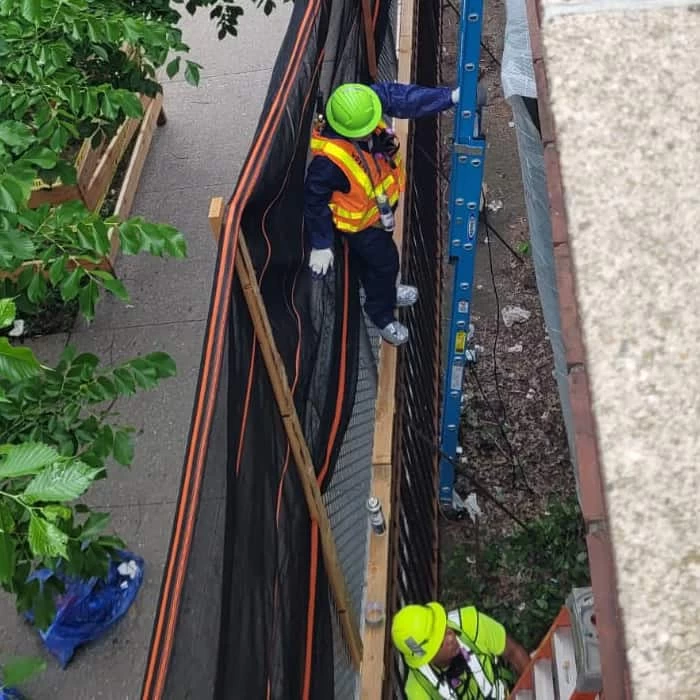
What separates us in the Thiells market specifically is the licensing stack. We hold the NYS DOL Mold Remediation Contractor license, the NYS DOL Asbestos Contractor license, and the USEPA Lead/RRP certification. In a hamlet where most of the housing predates 1980, that combination isn’t a bonus — it’s the baseline for doing the job legally and safely. No other identified restoration company serving the Haverstraw area holds all three.
We’re also NYS and NYC M/WBE Certified, fully insured for both liability and workers’ compensation, and work with the NYS Office of General Services. When the state of New York has vetted your contractor, that’s a different level of accountability than a franchise call center routing a technician to your address.
What Actually Happens From First Call to Finished Home
When you call, the clock starts. We commit to being on-site within 60 minutes. The first priority is stopping the source if it’s still active — a burst pipe, a backed-up sewer line, or ongoing water intrusion from a storm event. From there, industrial extraction equipment removes standing water immediately. This isn’t a shop vac situation. It’s truck-mounted extraction that removes volume fast.
Once the water is out, the real diagnostic work begins. Thermal imaging cameras and professional moisture meters scan your walls, floors, and ceiling cavities for hidden saturation — the kind that looks dry to the eye but stays wet inside your framing for weeks. In a Thiells home built before 1980, that scan also informs whether asbestos or lead materials have been disturbed, which triggers a separate licensed abatement process before any reconstruction begins. The Town of Haverstraw Building Department may require permits for structural repairs, and we handle that coordination as part of the job.
Structural drying comes next — industrial air movers and dehumidifiers running until moisture readings confirm the structure is genuinely dry, not just surface-dry. After that, mold prevention treatment is applied, and reconstruction begins. Framing, drywall, flooring, insulation, paint — whatever was removed gets rebuilt to match. One company handles the full process. You don’t coordinate between a mitigation crew, a mold remediator, and a general contractor. It all runs through one team.
Full-Scope Restoration Built for North Rockland Homes
Flood restoration in Thiells isn’t a single-trade job. The age of the housing here — and the specific flood risk profile of the Ramapo watershed corridor — means that what starts as a basement water event can quickly involve mold remediation, asbestos abatement, lead paint compliance, and full structural reconstruction. We cover all of it under one roof, which matters both for speed and for legal compliance under New York State law.
Our service includes emergency water extraction, industrial structural drying, thermal imaging moisture detection, mold prevention and remediation, asbestos abatement where required, lead paint handling per USEPA RRP rules, and complete reconstruction through final finishes. For homeowners in older Thiells properties — including the condo units along Crescent Drive or the Colonial-style homes throughout the hamlet — that full-scope capability is the difference between a complete restoration and a patchwork job that leaves hidden problems behind.
On the financial side, we bill insurance directly so there’s no upfront cost during the emergency. For situations where insurance doesn’t cover the full scope — storm flooding from outside sources, for example, which standard homeowners policies often exclude — we offer financing up to $200,000 at 0% APR. No other restoration company serving the Haverstraw area offers anything close to that. Rockland County was included in FEMA’s Major Disaster Declaration after Hurricane Ida in 2021, and when the next significant storm system moves through this corridor, having a contractor with both the credentials and the financing capacity to handle the full job is not a minor detail.
Does homeowners insurance cover basement flooding in Thiells, NY?
It depends on the cause, and the answer matters a lot before you file a claim. Standard homeowners insurance typically covers sudden and accidental water damage — like a burst pipe or a washing machine overflow. What it usually does not cover is flooding from outside your home: storm surge, overland flooding, or water that backs up through a municipal sewer line during a heavy rain event. In Thiells, where the Ramapo watershed drainage pattern and clay-heavy soils increase surface runoff toward basement foundations, that distinction is significant.
If you don’t have a separate flood insurance policy through the National Flood Insurance Program (NFIP) or a private flood rider, storm-driven basement flooding may not be covered at all. Sewer backup coverage is also typically a separate add-on that many homeowners don’t carry until after they’ve needed it. We work directly with insurance carriers and can help document the damage in a way that supports your claim — and for costs that fall outside coverage, we offer financing up to $200,000 at 0% APR so the restoration doesn’t have to wait on an adjuster’s timeline.
How fast does mold actually grow after a flood in my home?
Faster than most people expect. Mold spores are already present in virtually every home — what a flood does is give them the moisture they need to activate. That process can begin within 24 hours of initial water exposure, and visible mold growth can appear within 24 to 48 hours on porous materials like drywall paper, wood framing, carpet padding, and insulation batts — all of which are common in Thiells homes.
The more dangerous scenario is hidden moisture. A basement floor can feel dry within 48 hours while the wall cavity behind it stays saturated for weeks. That’s where mold colonies establish themselves out of sight, and it’s why thermal imaging and professional moisture meters are part of every assessment we conduct — not optional add-ons. By the time you smell mold in a Thiells home, the remediation scope is already larger than it would have been if the hidden moisture had been caught and dried out immediately after the flood event.
Does flood damage in older homes require asbestos or lead testing before cleanup?
In New York State, if your home was built before 1980, the answer is effectively yes — and skipping that step isn’t just a health risk, it’s a legal one. Homes built before 1978 are presumed to contain lead-based paint under USEPA RRP rules, and homes built before 1980 may contain asbestos in floor tiles, pipe insulation, joint compound, ceiling texture, and other common building materials. When flood water saturates these materials and they need to be removed or disturbed during restoration, they must be handled by licensed contractors.
In New York State, asbestos abatement requires a NYS DOL Asbestos Contractor license. Mold remediation requires a separate NYS DOL Mold Remediation Contractor license. Lead paint work during restoration requires USEPA RRP certification. We hold all three. For Thiells residents — where Green Mountain Condominiums date to 1973 and a large portion of the single-family housing stock was built in the 1950s through 1970s — this isn’t an edge case. It’s the likely scenario in most flood restoration jobs in this hamlet.
What's the difference between water mitigation and full flood restoration?
Water mitigation is the emergency phase — extraction, drying, and preventing further damage. It stops the bleeding. Full flood restoration goes further: it rebuilds everything that was damaged or removed, from framing and insulation to drywall, flooring, and paint. The two are often handled by different companies, which creates a coordination gap that slows the process and blurs accountability when something goes wrong.
We handle both under one roof. That matters practically because the mitigation findings directly inform the reconstruction scope — if the thermal imaging during drying reveals that a wall cavity stayed wet longer than expected, the reconstruction plan adjusts accordingly. When those two phases are managed by the same team, nothing gets missed in the handoff. For Thiells homeowners dealing with a significant flood event — especially in an older home where the damage assessment is more complex — having one company own the entire process from first extraction to final finish is a meaningful operational difference, not just a convenience.
How long does flood restoration typically take for a Thiells home?
The honest answer is that it depends on the extent of the damage and what the moisture assessment reveals once drying begins. A straightforward basement flooding event with no structural damage and no hazardous materials involvement can move through the mitigation and drying phase in three to five days, with reconstruction following from there depending on scope. A more significant event — one involving saturated wall cavities, damaged framing, or asbestos and lead abatement requirements — takes longer, and the timeline shouldn’t be rushed.
In Thiells specifically, the age of the housing stock adds a variable that isn’t present in newer construction. Pre-1980 homes often have original drainage systems, older insulation types, and building materials that respond differently to water exposure than modern materials. The structural drying phase needs to be confirmed by moisture meter readings, not estimated by eye or by a set number of days. We monitor drying progress throughout and don’t move to reconstruction until the structure is genuinely dry — because cutting that phase short is exactly how hidden mold problems develop in the months after a restoration.
Why does Green Island Group offer 0% financing for flood restoration in Thiells?
Because flood damage and insurance coverage don’t always line up the way homeowners expect — and the gap between what you need done and what your policy actually pays can be substantial. Rockland County was included in FEMA’s Major Disaster Declaration following Hurricane Ida in 2021, and many homeowners in the Haverstraw area discovered during that event that their standard policy didn’t cover storm-driven flooding from outside the home. That’s a real and recurring gap for Thiells residents, where the Ramapo watershed drainage pattern and aging infrastructure create genuine flood exposure that falls outside standard coverage.
The financing option — up to $200,000 at 0% APR — exists so that a coverage gap doesn’t force you into incomplete repairs or a long wait while an insurance dispute gets sorted out. A home sitting with incomplete restoration in a damp North Rockland winter is a home developing a mold problem. The financing removes the financial barrier to doing the job fully and immediately, which is ultimately the cheaper outcome for most homeowners when you account for what deferred or incomplete restoration ends up costing down the road.