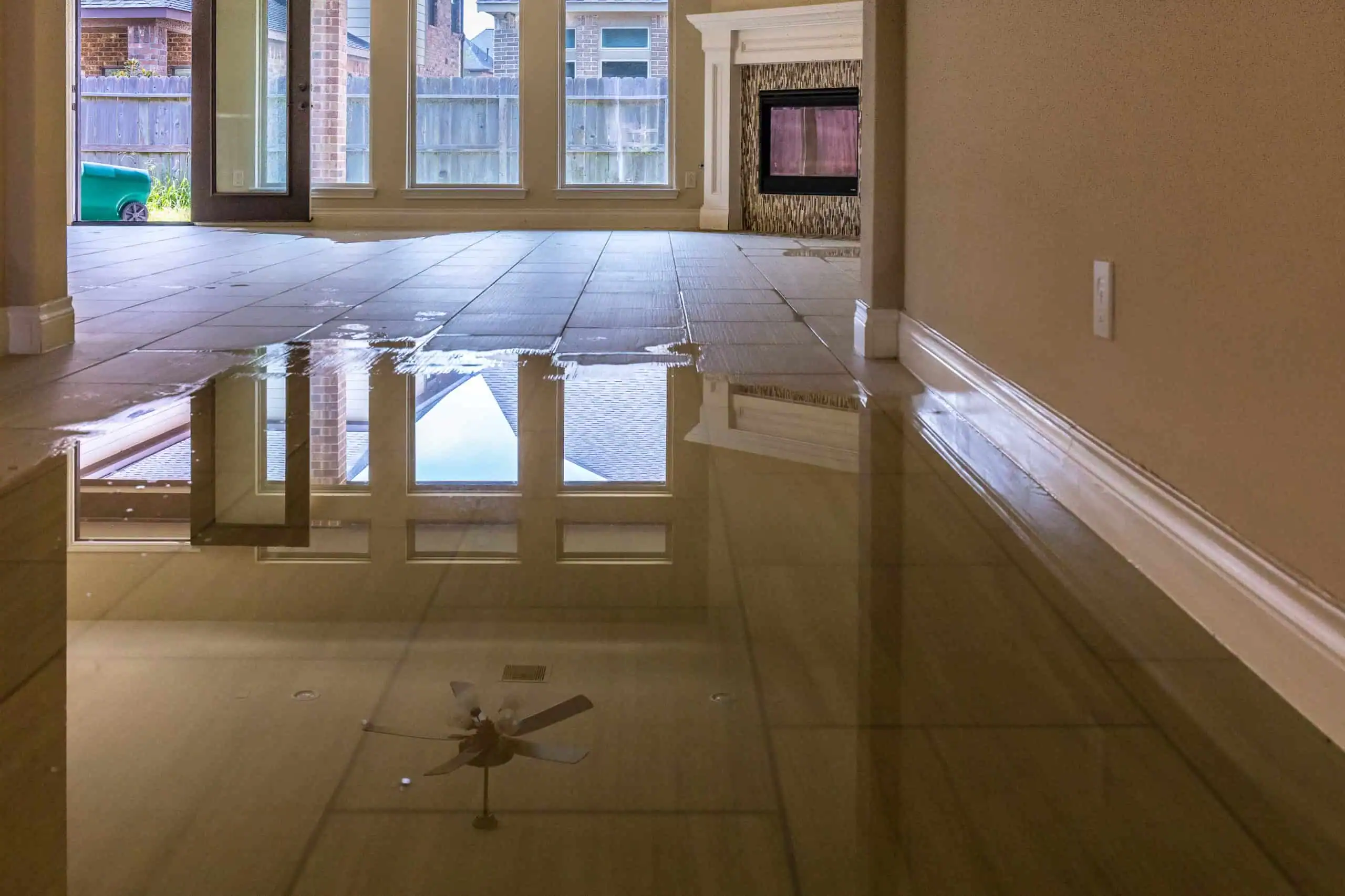
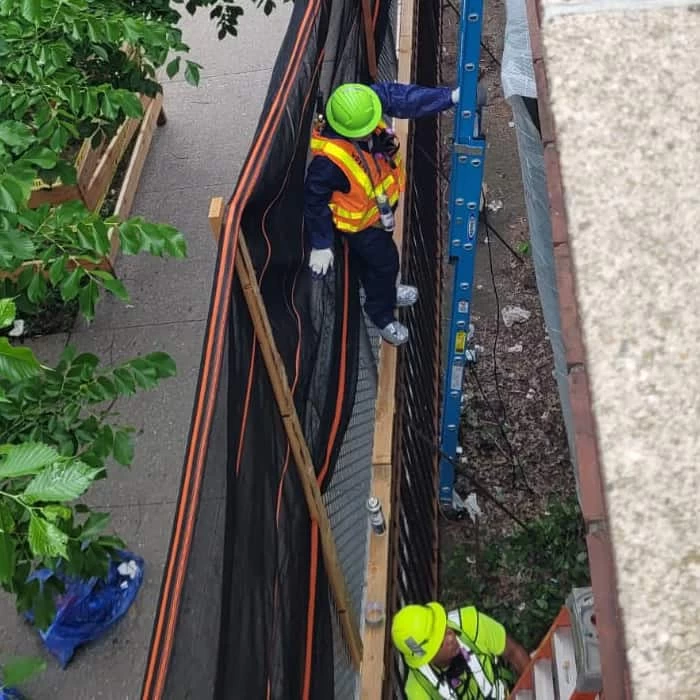
Piermont floods differently than most towns — and restoring it takes more than a shop vac and a few fans. We respond in 60 minutes, handle everything from water extraction to full reconstruction, and bill your insurance directly.
I needed a professional consultation explanation of procedure for safe removal of Asbestos in my apartment complex. Without having an account yet, I was very impressed with the caring, knowledgeable and generous advice offered by Jessica, and will look forward to doing business in the future. Thank you so much! I feel much more informed about a sometimes scary endeavor. Peace. Nancy Silva Mineola, NY.
Mia Munoz
Used this company to clean up some water flood in my house. They were fast and easy to work with.very professional, Would recommend to anyone!
Nini Valle
Great company, had a flood and they responded quickly and efficiently. Billed my insurance company directly. I highly recommend this company!
joe colapietro, jr
I had pipe freeze in my basement right before a snow storm and they made to within an hour to help start the clean up process. They we by our side throughout the entire process and even helped with the insurance company. They did such a great job with the cleanup, repair, remidiation, I contracted them to perform the repairs and finishes in the basement. They came with enough manpower and material to get the job done. Leo and Jessica were nothing but a pleasure to deal with!!
Cristian Arredondo c
I had some water damage in my home and Green Island was able to take care of my issue quickly and effectively. I am very pleased with the work they did. They responded quickly and were very professional.
Michael M
Outstanding service! From the office to the field crew everyone was friendly, helpful and responsive. I highly recommend Green Island Group.
After a flood in Piermont, the visible damage is rarely the whole story. Water from Hudson River storm surge doesn’t just sit on your floor — it moves into plaster walls, under hardwood subfloors, behind original woodwork, and into stone foundations that were never designed to keep it out. By the time the floor looks dry, moisture has already been working on your structure for hours. That’s where the real damage happens, and it’s exactly where most restoration jobs fall short.
Piermont’s older housing stock makes this especially important. More than one in four homes here was built before 1940. Those homes carry asbestos in pipe insulation and floor tiles, lead paint behind the drywall, and foundations that absorb floodwater far more deeply than modern construction. A company without the right licenses isn’t just cutting corners — they’re creating liability and leaving your home at risk. Getting the restoration right the first time protects your property value, your health, and your ability to sell or insure the home down the road.
The other thing that changes after proper restoration is your relationship with the next storm. Piermont has a Waterfront Resiliency Commission for a reason. NOAA monitors water levels at this specific stretch of the Hudson for a reason. When you work with a contractor who understands what this village actually faces, you get more than cleanup — you get documentation, proper drying protocols, and a finished result that holds up to scrutiny from your insurance adjuster and your own peace of mind.
12 Years, 5,000 Projects, and the Licenses That Matter in Piermont
We’ve been handling environmental restoration across New York State for over 12 years and more than 5,000 completed projects. We hold IICRC Water and Fire Damage Certification, a NYS DOL Mold Remediation License, NYS DOL Asbestos Contractor Certification, and USEPA Lead/RRP Certification — every credential that matters when you’re restoring a pre-1940 home in the Mine Hole district or a waterfront unit at Piermont Landing after a storm surge event.
We’re NYS and NYC M/WBE Certified, fully insured for both liability and workers’ compensation, and we work directly with the NYS Office of General Services. That’s not a marketing line — it means we’ve been vetted, audited, and approved at the state level. We also back every job with a 100% Satisfaction Guarantee and offer financing up to $200,000 at 0% APR for homeowners navigating gaps in flood insurance coverage.
Rockland County is part of our core service area. We know what Orangetown’s housing stock looks like, we understand the flood dynamics along the Sparkill Creek corridor, and we’ve worked in communities up and down this stretch of the Hudson. When you call us, you’re not getting a franchise dispatcher routing a crew from three counties away.
When you call, we’re on-site within 60 minutes. The first priority is stopping the damage from spreading — that means industrial water extraction, identifying all affected areas, and setting up containment if there’s any risk of contamination. Hudson River storm surge is classified as Category 3 Black Water, which means it carries sewage, biological hazards, and residue that requires proper handling from the start. We don’t treat it like a standard water loss, because it isn’t one.
Once the water is out, we bring in thermal imaging and professional moisture detection equipment to find everything your eyes can’t see. In Piermont’s older homes — especially those with plaster walls, original wood framing, and stone or brick foundations — moisture migrates into places that look completely dry on the surface. Missing those pockets is how mold gets established within 24 hours, and how a manageable restoration turns into a much larger remediation project. We map every affected area before anything gets dried or demolished.
From there, the process moves through structural drying, mold prevention treatment, and — where the building stock requires it — asbestos testing and abatement before any demolition begins. New York State requires a seven-day notification period before asbestos abatement work starts, so identifying that early matters. We handle the permits, coordinate with your insurance adjuster, and carry the job through full reconstruction and finishing. One company, one contract, no handoffs.
Flood restoration in Piermont isn’t a single-trade job. Between the age of the housing stock, the contamination category of Hudson River flooding, and the mold risk that comes with a humid riverfront microclimate, a complete restoration here typically involves water extraction, structural drying, Black Water sanitation, mold remediation, asbestos abatement, lead-safe demolition and rebuild, and full reconstruction — sometimes all in the same property. We hold every license required to perform all of it legally in New York State.
For homeowners at Piermont Landing, the process also involves coordination with HOA management and shared infrastructure, which adds a layer of complexity that a standard residential crew isn’t prepared for. For older homes in the village core — particularly those near the Sparkill Creek corridor or along the lower streets that took the most direct hit during Sandy — the foundation and structural drying component often requires more time and more equipment than a newer home would. We don’t estimate based on square footage alone. We assess based on what’s actually in front of us.
On the insurance side, we bill directly and work with your adjuster from day one. If your standard homeowners policy doesn’t cover storm surge flooding — which is common in Piermont’s tidal flood zone — our 0% APR financing up to $200,000 keeps the restoration moving without putting you in a position where you’re waiting on coverage decisions before the work can start. The damage doesn’t pause for paperwork, and neither do we.
Does homeowners insurance cover Hudson River flood damage in Piermont?
Standard homeowners insurance policies do not cover flooding from an external water source — including Hudson River storm surge. For that type of coverage, you’d need a separate flood insurance policy, typically through FEMA’s National Flood Insurance Program (NFIP). The challenge in Piermont is that many homes were flooded during Superstorm Sandy at levels one to two feet above the FEMA 100-year flood zone elevation, meaning properties that had never been required to carry flood insurance suddenly faced catastrophic, uninsured damage.
If you have NFIP coverage, we work directly with your adjuster and document everything the policy requires. If you’re uninsured or underinsured for this event, our financing option — up to $200,000 at 0% APR — exists specifically for this scenario. The restoration needs to start immediately regardless of where the coverage conversation lands, and we make sure the financial side doesn’t become the reason you wait.
How quickly does mold grow after a flood in my home?
Mold can begin establishing within 24 to 48 hours of a flood event under the right conditions — and Piermont’s riverfront microclimate provides exactly those conditions. The humidity along this stretch of the Hudson is consistently higher than inland Rockland County communities, and the older housing stock here retains moisture in ways that modern construction doesn’t. Plaster walls, original wood framing, and stone foundations absorb water deeply and release it slowly, which extends the window of active mold risk well beyond what you’d see in a newer home.
The key is getting moisture detection done quickly and thoroughly. Mold doesn’t grow where you can see the water — it grows where the water went after you stopped seeing it. That’s why we use thermal imaging on every job rather than relying on visual inspection. Finding the hidden saturation in the first 12 to 24 hours is the single most effective thing you can do to prevent a mold remediation project from layering on top of an already significant water damage claim.
What makes flood restoration in Piermont more complicated than other towns?
A few things combine to make Piermont genuinely more complex than most inland Rockland County communities. First, the flood source matters. Storm surge from the Hudson River is Category 3 Black Water — contaminated with sewage, biological material, and industrial residue. That’s the most demanding category of water damage to remediate, and it requires licensed professionals with specific training and equipment, not just a water extraction crew.
Second, the housing stock. Over 23% of homes in Piermont were built before 1940, and the median construction year is 1970. That means a high probability of asbestos-containing materials and lead paint in any home that takes flood damage. New York State requires asbestos abatement to be performed by a licensed contractor with proper agency notification before work begins — and any contractor who skips that step is creating a serious legal and health liability for the homeowner. Third, the geography itself. Properties near the Sparkill Creek face dual flood exposure from both the creek and tidal backflow, and the low-lying streets in the village core drain slowly. All of that adds up to a job that needs a contractor with the full licensing stack, not just a general restoration crew.
How do you handle asbestos if it's found during flood restoration?
If asbestos-containing materials are identified — or suspected — during a flood restoration job, work in that area stops until proper testing and abatement protocols are in place. In New York State, asbestos abatement requires a licensed contractor and a minimum seven-day notification to the relevant environmental agency before work begins. That timeline is non-negotiable, and it’s one of the reasons identifying asbestos risk early in the assessment process matters so much.
In Piermont, this isn’t a rare edge case. Pipe insulation, floor tiles, ceiling tiles, and joint compound in pre-1980 homes commonly contain asbestos, and flood damage disturbs those materials in ways that make them hazardous. We hold NYS DOL Asbestos Contractor Certification, which means we handle the testing, the notification, the abatement, and the clearance testing in-house — without requiring you to find a separate abatement contractor and coordinate between multiple crews. The job stays on one timeline and under one point of accountability throughout.
What should I do in the first hour after discovering flood damage in my home?
The first thing to assess is safety — if there’s any possibility that the floodwater has reached electrical panels, outlets, or appliances, don’t enter the space until power has been confirmed off. In Piermont’s older homes, electrical systems in basements and crawl spaces are often not updated to modern standards, and standing water near electrical sources is a serious hazard. If the flooding is from Hudson River storm surge or Sparkill Creek overflow, treat the water as contaminated until confirmed otherwise — that means no direct contact without protection.
Once you’ve confirmed it’s safe to be in the space, call for professional extraction immediately. Don’t run fans or open windows as a DIY drying attempt — that can spread contaminated water and airborne particles into unaffected areas of the home. Document everything with photos and video before any cleanup begins, since your insurance adjuster will need that documentation. Then call us. We’re on-site within 60 minutes, and the faster extraction starts, the more of your home’s structure — and your home’s value — we can protect.
How much does flood restoration typically cost in Piermont, NY?
The honest answer is that it depends heavily on the category of flooding, the size of the affected area, and what’s found during the assessment. For Category 3 Black Water events — which is what Hudson River storm surge produces — costs are meaningfully higher than a standard pipe burst or appliance leak, because the sanitation and safety protocols are more involved. A moderate-sized basement flood from a contaminated source in an older Piermont home can run anywhere from $15,000 to $40,000 once you factor in extraction, structural drying, mold prevention, and any asbestos or lead abatement that the building requires. A more extensive event affecting multiple floors or structural materials can go higher.
What affects cost most in Piermont specifically is the age and construction type of the home. Stone foundations, plaster walls, and original wood framing take longer to dry and require more careful handling than modern materials — and if asbestos or lead is present, the abatement process adds both time and cost before reconstruction can begin. The best way to get an accurate number is a proper on-site assessment, which we do before quoting anything. We also work directly with your insurance carrier and offer 0% APR financing up to $200,000, so the path forward is clear regardless of where your coverage lands.