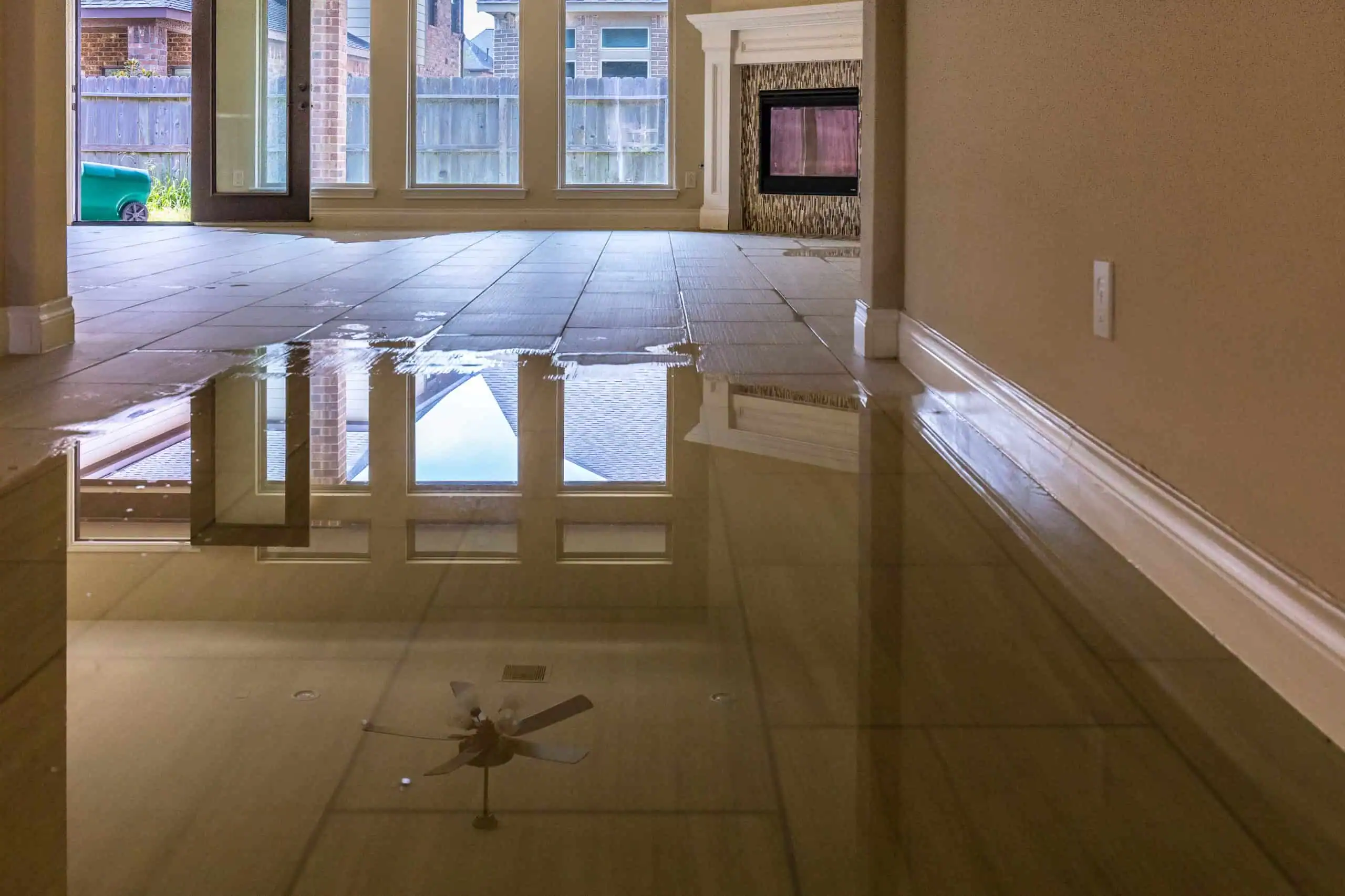
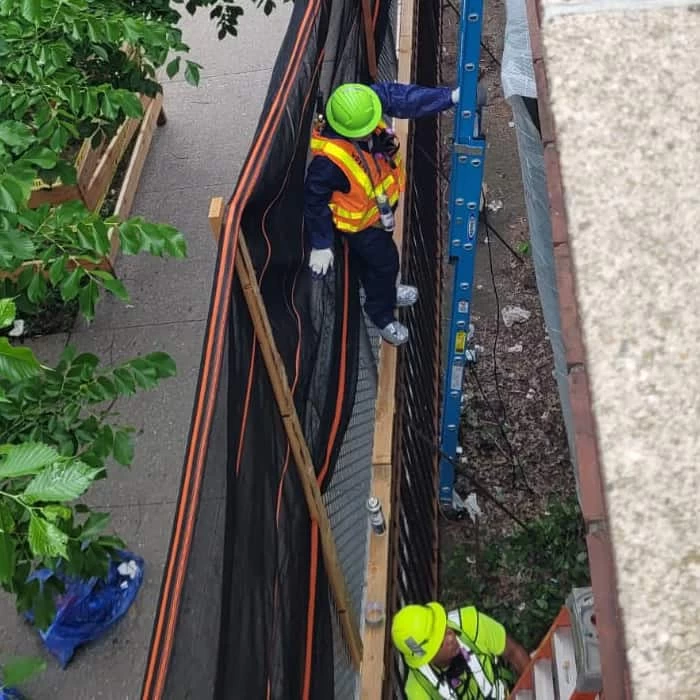
We reach your door in 60 minutes — no upfront costs, direct insurance billing, and full restoration from water extraction to rebuilt walls. When flood water enters your Carmel home, the clock doesn’t stop working against you. That’s why we show up fast.
I needed a professional consultation explanation of procedure for safe removal of Asbestos in my apartment complex. Without having an account yet, I was very impressed with the caring, knowledgeable and generous advice offered by Jessica, and will look forward to doing business in the future. Thank you so much! I feel much more informed about a sometimes scary endeavor. Peace. Nancy Silva Mineola, NY.
Mia Munoz
Used this company to clean up some water flood in my house. They were fast and easy to work with.very professional, Would recommend to anyone!
Nini Valle
Great company, had a flood and they responded quickly and efficiently. Billed my insurance company directly. I highly recommend this company!
joe colapietro, jr
I had pipe freeze in my basement right before a snow storm and they made to within an hour to help start the clean up process. They we by our side throughout the entire process and even helped with the insurance company. They did such a great job with the cleanup, repair, remidiation, I contracted them to perform the repairs and finishes in the basement. They came with enough manpower and material to get the job done. Leo and Jessica were nothing but a pleasure to deal with!!
Cristian Arredondo c
I had some water damage in my home and Green Island was able to take care of my issue quickly and effectively. I am very pleased with the work they did. They responded quickly and were very professional.
Michael M
Outstanding service! From the office to the field crew everyone was friendly, helpful and responsive. I highly recommend Green Island Group.
Carmel’s flooding isn’t a fluke. It’s geography. Lake Mahopac, Lake Gleneida, the West Branch Reservoir, the Croton Falls Reservoir — the town is surrounded by water, and when a summer storm drops eight inches of rain the way it did in July 2023, that water goes somewhere. Sometimes it goes into your basement, your walls, or under your floors. The question isn’t whether it can happen. It’s how fast you move when it does.
When you call us, the first thing that changes is the clock stops working against you. Water sitting in a finished basement isn’t just wet drywall — it’s the beginning of a mold cycle that can start in as little as 24 hours. For homeowners in Carmel’s older neighborhoods, where a lot of the housing stock was built between the 1960s and 1980s, that wet drywall might also be sitting next to pipe insulation or floor tiles that contain asbestos. That changes what the restoration process needs to look like — and it’s why the company you call matters.
What you get on the other side of this is a home that’s been fully dried, tested, treated, and restored. Not just surface-level dry. Dry behind the walls, under the subfloor, and inside the cavities where moisture hides and mold grows quietly for months before you notice it. That’s what a real restoration outcome looks like — and it’s what we deliver.
We’ve been doing environmental restoration work across New York for over 12 years and more than 5,000 completed projects. That’s not a volume stat for the sake of it — it means our team has worked through major storm events, handled complex older housing stock in Carmel and throughout Putnam County, navigated insurance claims, and dealt with the kind of layered damage that shows up in communities like yours, where the flooding is real, the homes are older, and the regulatory requirements are specific.
The licensing stack matters here. We hold the NYS DOL Mold License, NYS DOL Asbestos License, USEPA Lead and RRP Certification, and IICRC Water Damage Certification — credentials that most restoration companies operating in Putnam County simply don’t carry. When flood water intrudes into a home near Lake Carmel or in the older neighborhoods off Routes 6 and 52, and that home was built before 1980, you need a contractor who is legally qualified to handle what they find. We are that contractor.
We’re also NYS and NYC M/WBE Certified and work with the NYS Office of General Services — which means the state has vetted us at an institutional level. That accountability carries over to every residential job we take.
When you call, the response starts immediately. We commit to being on-site within 60 minutes — not a window, not a callback to schedule something for tomorrow. Within that first hour, our team assesses the full scope of the damage: where the water came from, how far it traveled, what materials it contacted, and whether there are any environmental concerns that need to be addressed before standard drying begins. In a town where a significant portion of homes were built before 1980, that assessment step is not optional — it’s what separates a safe restoration from one that creates a bigger problem.
From there, industrial water extraction removes standing water from the affected areas, followed by structural drying using commercial-grade dehumidifiers and air movers placed strategically to pull moisture out of wall cavities, subfloors, and insulation — not just the surface. Thermal imaging and moisture meters verify what your eyes can’t see. This matters especially in Carmel, where the Town’s own Hazard Mitigation Plan acknowledges that stormwater infrastructure throughout the community is under ongoing stress, meaning flood events here tend to be deeper and more saturating than a simple surface overflow.
Once the structure is confirmed dry, our team moves into mold prevention treatment, any required asbestos or lead abatement under proper NYS DOL notification protocols, full reconstruction of damaged areas, and final finishing. Everything under one roof. No subcontractors to coordinate, no gaps in accountability, and no separate bills from three different companies. We handle the insurance documentation throughout the entire process, so your claim is supported from day one.
The flooding that hits Carmel is almost always Category 3 Black Water — storm-driven, ground-saturated, and carrying everything the runoff picks up on its way into your home. That’s the most serious water category, and it requires licensed handling. Our full-service restoration covers emergency water extraction, structural drying, mold prevention and remediation, asbestos and lead assessment and abatement where required, full reconstruction, and final paint and finishing. That full scope is available under one contractor, which is not something most companies operating in Putnam County can offer.
For homeowners in Carmel’s active adult communities — Heritage Hills, The Retreat at Carmel, Stoneleigh Woods — the financial side of a major flood event can be just as disruptive as the physical damage. We offer financing up to $200,000 at 0% APR for homeowners who are uninsured or underinsured, and handle direct billing with your insurance carrier for those who have coverage. Standard homeowners policies in New York typically do not cover storm-driven flooding, which creates a gap that leaves many Carmel residents facing large out-of-pocket costs they weren’t expecting. The financing option exists specifically for that situation.
It’s also worth knowing that flood restoration work in designated special flood hazard areas within the Town of Carmel falls under Chapter 86 of the town’s municipal code — the Flood Damage Prevention ordinance under FEMA Community Number 360669. We’re familiar with these local requirements and ensure all work is permitted and compliant. You won’t be left managing that piece on your own.
Does homeowners insurance cover flood damage from storms in Carmel, NY?
This is one of the most common and most painful surprises Carmel homeowners face after a flood event. Standard homeowners insurance policies typically do not cover flooding caused by storms, surface water, or overland runoff — which is exactly the type of flooding that hit Mahopac and Lake Carmel during the July 2023 storm event that triggered a Putnam County State of Emergency. That type of damage is classified as flood damage and normally requires a separate flood insurance policy through the National Flood Insurance Program or a private flood insurer.
That said, there are situations where your homeowners policy does apply — burst pipes, sump pump failure with the right rider, or water backup coverage if you’ve added it. The lines between what’s covered and what isn’t can be genuinely confusing, and insurance companies don’t always make it easy to get a straight answer. We handle direct billing with your insurance carrier and help document the damage in a way that supports your claim. If you have a coverage gap, the 0% APR financing up to $200,000 exists specifically for that situation — so cost doesn’t stop you from getting the work done correctly.
How fast does mold actually start growing after a basement floods?
Faster than most people expect. Mold can begin colonizing wet materials within 24 to 48 hours of a flood event — and it doesn’t need a lot of standing water to get started. It needs moisture, organic material like drywall or wood framing, and the right temperature. Carmel’s warm, humid summers create exactly those conditions, and a basement that looks “mostly dry” after surface water is removed can still have enough residual moisture inside walls and under subfloors to support mold growth for weeks.
The reason this matters so much in Carmel specifically is the town’s housing stock. A lot of homes here were built in the 1960s and 1970s, which means they often have paper-faced drywall, wood-paneled finishes, and insulation types that hold moisture well and give mold a strong foothold. We use thermal imaging and calibrated moisture meters to find saturation that isn’t visible to the eye — because the goal isn’t just to dry what you can see. It’s to dry what you can’t. That’s what prevents a flood event from turning into a mold remediation project three months later.
My Carmel home was built in the 1970s — does that affect how flood restoration is handled?
Yes, and it’s an important distinction. Homes built before 1980 in Carmel — and roughly 40% of the town’s housing stock falls in that range — may contain asbestos in floor tiles, pipe insulation, ceiling tiles, drywall joint compound, and roofing materials. Homes built before 1978 may have lead-based paint on walls, trim, and window frames. When flood water saturates these materials, the restoration process can’t simply involve ripping out wet drywall and running dehumidifiers. Disturbing asbestos-containing materials without proper handling creates a serious health hazard and is a violation of New York State law.
New York State requires all asbestos abatement to be performed by licensed contractors who file the proper notifications with the Department of Environmental Protection at least seven days before work begins. We hold the NYS DOL Asbestos License and the USEPA Lead and RRP Certification — credentials that most water damage companies operating in Putnam County do not carry. If you’re in an older home near Lake Mahopac or in the hamlet of Carmel and you’ve had flood damage, the safest call you can make is to a contractor who is legally qualified to assess and handle what they find — not just dry what’s visible.
What is Category 3 Black Water and why does it matter for flood cleanup?
Water damage is classified on a scale from Category 1 (clean water from a supply line) to Category 3 (grossly contaminated water, also called Black Water). Storm-driven flooding — the kind that comes from heavy rainfall, overland runoff, flash floods, and stormwater overflow — is classified as Category 3. That’s the most serious category, and it’s the type of flooding that Carmel and Mahopac residents dealt with during the July 2023 event that dropped eight inches of rain and triggered a countywide State of Emergency.
Category 3 water carries bacteria, sewage, chemicals, and other contaminants picked up from the ground, roads, and drainage systems as it moves. It cannot be treated the same way as a burst pipe or appliance leak. Materials that have been saturated by Category 3 water — drywall, insulation, carpet, wood framing — typically need to be removed and disposed of properly rather than simply dried in place. The cleanup process also requires antimicrobial treatment of affected surfaces to prevent bacterial growth and mold colonization. This is a licensed, regulated process, and it’s one that we are fully certified and equipped to handle correctly.
How long does flood restoration typically take for a home in Putnam County?
The honest answer is that it depends on how much water got in, how long it sat, what materials were affected, and whether any environmental hazards like mold or asbestos are involved. A straightforward basement flood with no structural damage and no hazardous materials might be dried and treated within three to five days. A more significant event — like the kind of flooding that came through Mahopac and Lake Carmel in July 2023, where roads washed out and homes took on serious water — can involve two to four weeks or more when you factor in drying, testing, abatement if needed, and full reconstruction.
The single biggest factor in how long restoration takes is how quickly you start. Every hour that water sits in a structure, it moves further into wall cavities, subfloors, and insulation. That increases drying time, increases the risk of mold, and increases the scope of materials that need to be removed and replaced. Our 60-minute on-site response is designed specifically to compress that timeline — getting extraction and drying equipment in place before the damage has a chance to spread. The faster the response, the shorter the restoration, and the lower the overall cost.
Can we handle the entire restoration, or will I need to hire other contractors too?
We handle the full scope — from the moment we arrive on-site through the final coat of paint. That includes emergency water extraction, structural drying, moisture testing, mold prevention and remediation, asbestos and lead abatement where required, full reconstruction of damaged walls, floors, and ceilings, and final finishing. Everything is done under one contractor, with one point of contact, and one accountability chain throughout the entire project.
This matters more in Carmel than in a lot of other markets, because the combination of older housing stock, lake-adjacent flooding patterns, and New York State’s licensing requirements for mold and asbestos work means that a flood restoration here can easily involve multiple regulated trades. Most water damage companies are not licensed for mold remediation or asbestos abatement — which means they either skip those steps, refer you to someone else, or perform work they’re not legally qualified to do. We hold the NYS DOL Mold License, NYS DOL Asbestos License, USEPA Lead Certification, and general contractor licenses, which means we can legally and safely handle everything the job requires. For Carmel homeowners — especially those in older homes near Lake Mahopac or in Heritage Hills — that full-service capability is the difference between a clean, complete restoration and a project that drags on because you’re trying to coordinate three different licensed contractors at once.