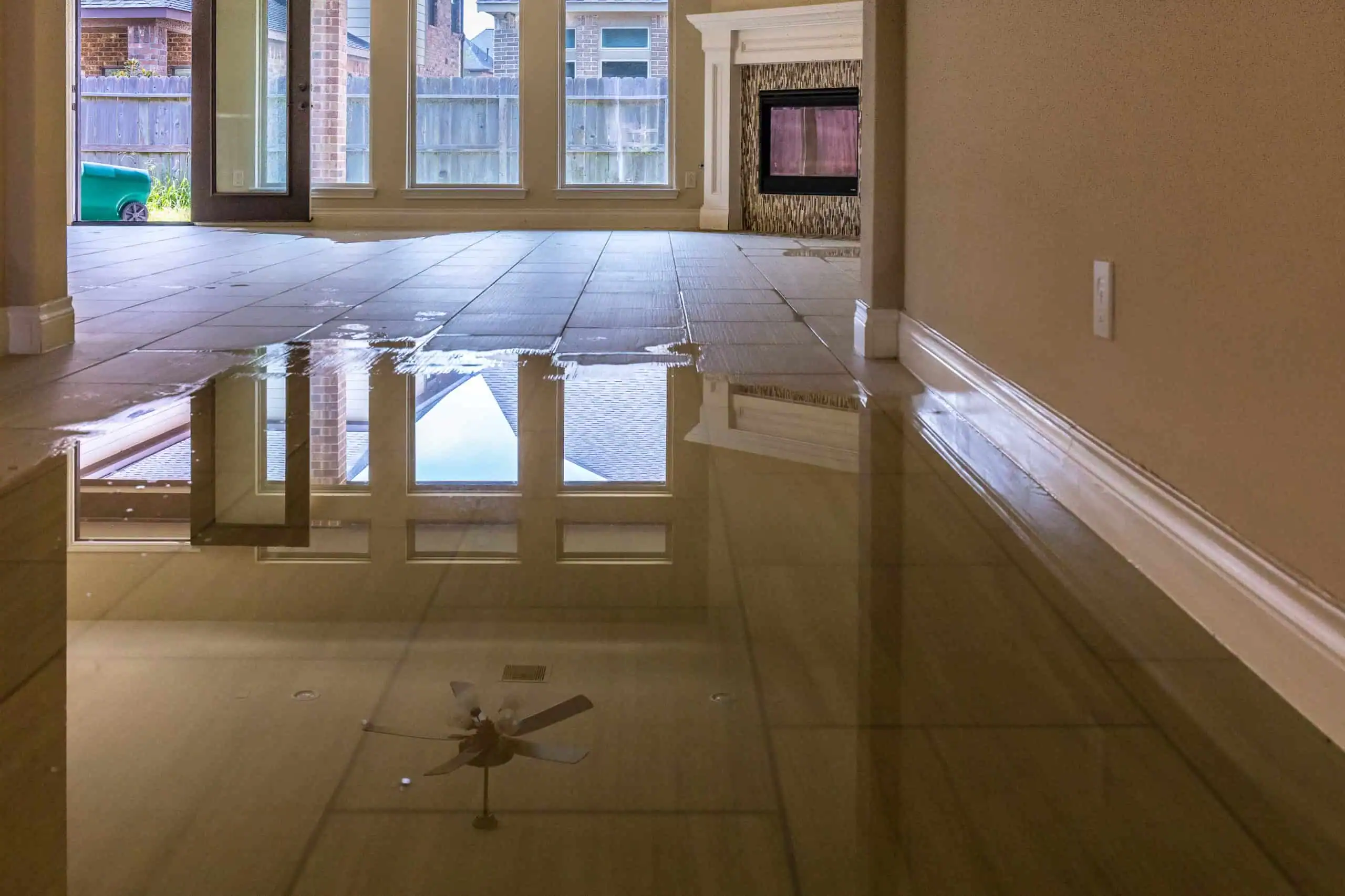
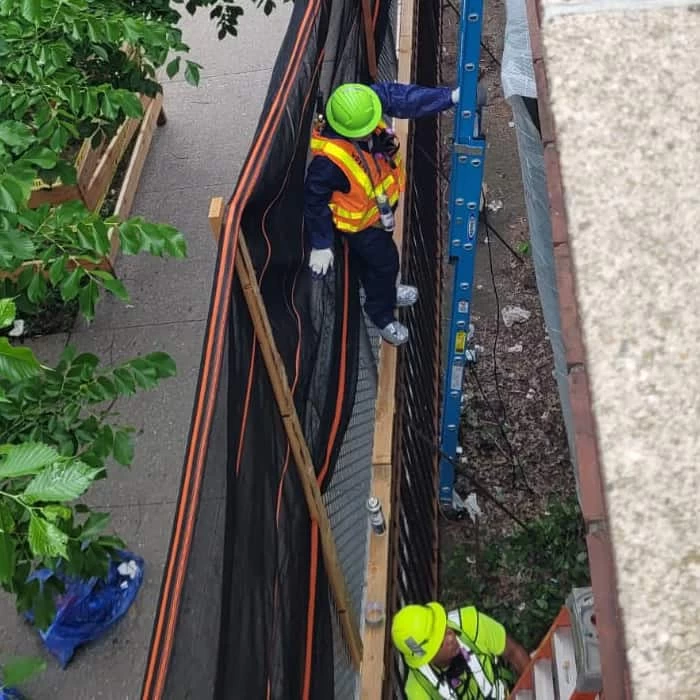
Firthcliffe homes are old, tight, and built right along the creek — when water gets in, it doesn’t wait. Neither do we. We’re on-site in 60 minutes, bill your insurance directly, and handle everything from water extraction to mold and asbestos — one call, one company.
I needed a professional consultation explanation of procedure for safe removal of Asbestos in my apartment complex. Without having an account yet, I was very impressed with the caring, knowledgeable and generous advice offered by Jessica, and will look forward to doing business in the future. Thank you so much! I feel much more informed about a sometimes scary endeavor. Peace. Nancy Silva Mineola, NY.
Mia Munoz
Used this company to clean up some water flood in my house. They were fast and easy to work with.very professional, Would recommend to anyone!
Nini Valle
Great company, had a flood and they responded quickly and efficiently. Billed my insurance company directly. I highly recommend this company!
joe colapietro, jr
I had pipe freeze in my basement right before a snow storm and they made to within an hour to help start the clean up process. They we by our side throughout the entire process and even helped with the insurance company. They did such a great job with the cleanup, repair, remidiation, I contracted them to perform the repairs and finishes in the basement. They came with enough manpower and material to get the job done. Leo and Jessica were nothing but a pleasure to deal with!!
Cristian Arredondo c
I had some water damage in my home and Green Island was able to take care of my issue quickly and effectively. I am very pleased with the work they did. They responded quickly and were very professional.
Michael M
Outstanding service! From the office to the field crew everyone was friendly, helpful and responsive. I highly recommend Green Island Group.
The flooding itself is only part of the problem. What most Firthcliffe homeowners don’t realize until it’s too late is that water doesn’t just sit on the surface — it moves. Into plaster walls. Under wood subfloors. Behind the old pipe insulation in the basement. In a home built before 1960, moisture hides in places no fan or shop vac will ever reach, and mold can start growing in as little as 24 hours after a water event.
When restoration is done right, you get your home back — not just dried out, but actually safe. No hidden moisture sitting behind walls waiting to turn into a mold problem three months from now. No disturbed asbestos materials left unaddressed because the contractor wasn’t licensed to handle them. The homes along Firth Street and Willow Avenue were built for mill workers, not for modern flood conditions, and they deserve a restoration approach that accounts for what’s actually inside them.
For Firthcliffe residents who’ve dealt with Moodna Creek flooding or the kind of flash events that hit eastern Orange County in July 2023, the outcome that matters most is confidence — knowing the job was done completely, not just quickly. That’s the difference between a restoration and a temporary fix.
Every Credential That Firthcliffe's Older Homes Actually Need
We’ve been doing environmental restoration work across New York for over 12 years and more than 5,000 completed projects. That’s not a number pulled from a brochure — it reflects the kind of experience that comes from working in older homes like those throughout Firthcliffe, complicated insurance situations, and real emergencies where cutting corners isn’t an option.
What sets us apart in a market like Firthcliffe is the credential stack. IICRC Water Damage Certification, NYS DOL Mold License, NYS DOL Asbestos License, USEPA Lead and RRP certifications, and NYS/NYC M/WBE status. In a neighborhood where the majority of homes were built before 1970, those licenses aren’t extras — they’re requirements. A flood event in a pre-1940 mill worker home can disturb asbestos pipe insulation, lead paint, and mold-prone building materials all at the same time. Most contractors can handle one of those. We handle all of them, legally and completely, under one roof.
We’re also fully insured — liability and workers’ compensation — and back every project with a 100% Satisfaction Guarantee.
From Flooded Basement to Finished Restoration — Here's the Process
The first call triggers an immediate response. We commit to being on-site within 60 minutes, which matters significantly in Firthcliffe where creek flooding and flash storm events can push significant water volume into a basement fast. The first thing that happens on arrival is a complete moisture assessment — not just a visual walkthrough, but thermal imaging and moisture metering to find water that has already migrated into walls, subfloors, and structural cavities. In older homes, that hidden saturation is almost always present and almost always missed by contractors who skip this step.
Once the full scope is mapped, we deploy extraction and industrial drying equipment. Containment is set up where needed, particularly when the water source is external — storm water and creek flooding is classified as Category 3, meaning it carries biological and chemical contamination that requires proper handling, not just removal. If asbestos-containing materials or lead paint are disturbed during the event, those are addressed under the appropriate NYS and federal protocols before any reconstruction begins. Because Firthcliffe falls under the Town of Cornwall’s building department jurisdiction, any structural repairs that require permits are handled with full code compliance — no shortcuts that could create problems at resale or during a future inspection.
The final phase is documentation — a complete record of what was found, what was done, and what was restored, formatted for your insurance claim so the adjuster has everything they need.
Mold Remediation and Flood Cleanup Orange County NY
Full Restoration Built for Homes That Predate Modern Flood Standards
Flood restoration in Firthcliffe isn’t a single-service job. The age of the housing stock, the proximity to the Moodna Creek, and the density of the neighborhood mean that a serious water event typically involves water damage, mold risk, and hazardous material concerns simultaneously. Our service scope covers all of it — water extraction and structural drying, mold testing and licensed remediation, asbestos abatement, lead-safe protocols, and full reconstruction once the hazards are cleared.
The zero-upfront-cost model applies across the board. We bill insurance directly, manage the adjuster communication, and handle the documentation. For homeowners who don’t carry flood insurance — which is common in Firthcliffe since standard homeowners policies typically don’t cover external flooding from sources like the Moodna Creek — we offer financing up to $200,000 at 0% APR. That’s a real option for a community where median household incomes sit around $55,000 and an uninsured flood event could otherwise mean choosing between full restoration and financial stability.
Our 24/7 emergency response line is staffed around the clock, every day of the year. Spring snowmelt, summer flash storms, burst pipes in January — whenever water enters a Firthcliffe home, the response timeline starts immediately.
Does homeowners insurance cover Moodna Creek flooding in Firthcliffe, NY?
This is one of the most important questions Firthcliffe homeowners can ask, and the answer is almost always no — at least not with a standard homeowners policy. Standard homeowners insurance covers sudden, internal water damage like a burst pipe or an appliance failure. It does not cover flooding that originates from outside the home, which includes creek overflow, storm surge, and surface water runoff. If the Moodna Creek backs up into your basement, that’s an external flood event, and your standard policy likely won’t pay for it.
Coverage for that type of flooding typically requires a separate National Flood Insurance Program policy or a private flood insurance rider. Many Firthcliffe homeowners don’t carry one, which is why we offer 0% APR financing — it’s a real fallback for homeowners who find themselves facing the full cost of restoration without insurance support. The first step after any flood event is to call your insurance carrier and confirm exactly what your policy covers before assuming anything.
How quickly does mold start growing after a basement flood?
Mold can begin developing in as little as 24 hours after a water event, and visible growth can appear within 24 to 48 hours in the right conditions. In a Firthcliffe home built before 1970, those conditions are almost always present — plaster walls, wood lath, wood subfloors, and limited vapor barriers create an environment where moisture absorbs quickly and dries slowly. The problem is that the surfaces you can see may look and feel dry while the materials behind them are still saturated.
This is exactly why professional moisture detection matters. Thermal imaging and calibrated moisture meters find the saturation that’s hidden inside wall cavities and under flooring before it becomes a mold colony. By the time you can see mold on a wall, it’s typically been growing for days and has already spread beyond the visible patch. Addressing moisture completely in the first 24 to 48 hours after a flood is the single most effective thing you can do to prevent a mold remediation project from becoming necessary.
My Firthcliffe home was built in the 1950s — does flooding mean I have an asbestos problem?
Not automatically, but it’s a real concern worth taking seriously. Homes built before 1980 — which covers the vast majority of Firthcliffe’s housing stock — commonly contain asbestos in pipe insulation, floor tiles, ceiling tiles, textured coatings, and roofing materials. The presence of asbestos isn’t dangerous on its own. The risk comes when those materials are disturbed, damaged, or broken apart — which is exactly what can happen during a flood event when water undermines flooring, saturates walls, or causes structural movement.
Before any demolition, cutting, or removal work begins in a pre-1980 home, a licensed asbestos inspector should assess the affected materials. In New York State, asbestos abatement must be performed by a contractor holding a valid NYS Department of Labor Asbestos License. We hold that license, which means we can legally assess, contain, and remove asbestos-containing materials as part of the flood restoration process — without you needing to hire a separate abatement contractor and coordinate between multiple companies.
How long does flood restoration typically take for an older home?
The honest answer is that it depends on how much water entered, how long it sat, and what materials were affected. For a straightforward basement flooding event with no structural damage and no hazardous materials involved, the drying phase alone typically takes three to five days using industrial dehumidifiers and air movers. Reconstruction of affected materials — drywall, flooring, insulation — adds time on top of that, usually one to two weeks for a contained area.
In Firthcliffe’s older homes, the timeline often extends because of the building materials involved. Plaster walls take longer to dry than modern drywall. If asbestos or lead-containing materials are identified during the assessment, abatement has to be completed before reconstruction can begin, and that work requires proper notification filings with New York State. Any structural repairs that require a permit from the Town of Cornwall Building Department also add time to the process. The right answer is always to get a complete assessment done first — that gives you a realistic timeline and a clear scope before any work begins.
What is Category 3 water damage and why does it matter for Firthcliffe residents?
Water damage is classified into three categories based on contamination level. Category 1 is clean water — a broken supply line or an overflowing sink. Category 2 involves some contamination, like a washing machine discharge or a toilet overflow without solids. Category 3, also called Black Water, is the most serious — it includes water from external flooding, sewage backups, and any water that has been standing long enough to become heavily contaminated with bacteria, chemicals, and biological matter.
When the Moodna Creek overflows, when storm water pours in through a basement window, or when a sewer backs up during a heavy rain event, that’s Category 3 water in your home. It cannot be safely managed with a shop vac and a box fan. It requires proper containment, extraction with appropriate equipment, antimicrobial treatment, and in many cases, removal of porous materials that cannot be adequately sanitized. The health risks from improperly handled Category 3 water are real — respiratory issues, skin irritation, and long-term contamination of building materials. IICRC-certified remediation exists specifically to address this type of damage safely and completely.
We offer financing — how does that actually work for a flood restoration job?
Our financing program offers up to $200,000 at 0% APR, and it’s available for homeowners who are uninsured, underinsured, or waiting on an insurance claim to process. The application process is straightforward and doesn’t require you to have the full cost figured out before work begins. We can assess the damage, provide a documented scope of work, and help you understand the financing terms before anything is committed.
For Firthcliffe homeowners, this matters for a specific reason. Standard homeowners insurance typically does not cover flooding from external sources like the Moodna Creek, and many residents in this area don’t carry a separate flood insurance policy. That means a significant flood event — the kind that’s become more common in eastern Orange County since the July 2023 storms — can leave a homeowner facing the full restoration cost out of pocket. With median household incomes around $55,000, that’s not a bill most families can absorb without help. The financing option exists so that getting your home fully restored doesn’t have to wait for a financial situation to sort itself out first.