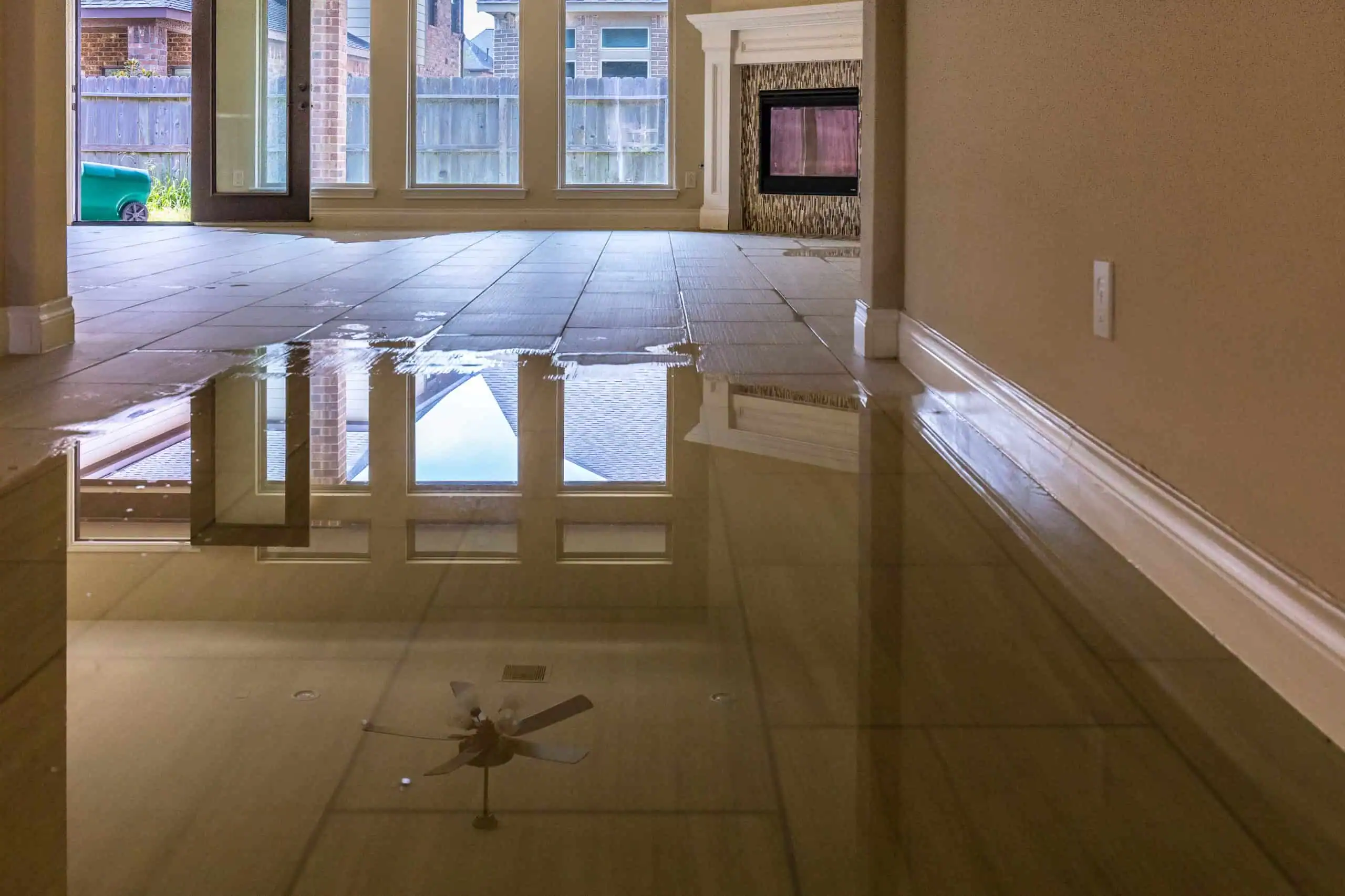
Cornwall-on-Hudson floods fast — and the older your home, the more there is to lose. We’re on-site within 60 minutes, ready to handle everything from water extraction to full reconstruction.
I needed a professional consultation explanation of procedure for safe removal of Asbestos in my apartment complex. Without having an account yet, I was very impressed with the caring, knowledgeable and generous advice offered by Jessica, and will look forward to doing business in the future. Thank you so much! I feel much more informed about a sometimes scary endeavor. Peace. Nancy Silva Mineola, NY.
Mia Munoz
Used this company to clean up some water flood in my house. They were fast and easy to work with.very professional, Would recommend to anyone!
Nini Valle
Great company, had a flood and they responded quickly and efficiently. Billed my insurance company directly. I highly recommend this company!
joe colapietro, jr
I had pipe freeze in my basement right before a snow storm and they made to within an hour to help start the clean up process. They we by our side throughout the entire process and even helped with the insurance company. They did such a great job with the cleanup, repair, remidiation, I contracted them to perform the repairs and finishes in the basement. They came with enough manpower and material to get the job done. Leo and Jessica were nothing but a pleasure to deal with!!
Cristian Arredondo c
I had some water damage in my home and Green Island was able to take care of my issue quickly and effectively. I am very pleased with the work they did. They responded quickly and were very professional.
Michael M
Outstanding service! From the office to the field crew everyone was friendly, helpful and responsive. I highly recommend Green Island Group.
When water gets into a Cornwall-on-Hudson home, the clock starts immediately. Mold can begin forming in as little as 24 hours, and in a house built before World War II — which describes most of the village — it spreads behind plaster walls, under original hardwood floors, and into wood framing that has stood for over a century. Getting the water out fast matters, but getting it all out is what actually protects your home long-term.
The steep slopes of Storm King Mountain don’t give water anywhere to go except down — and fast. When a storm rolls through, that runoff concentrates directly into the drainage systems, basements, and crawl spaces of homes along Mountain Road, Hasbrouck Avenue, and the Cornwall Landing waterfront. That’s a specific topographic reality that affects how water enters your home, where it pools, and how long it stays.
What you get on the other side of a proper restoration isn’t just a dry basement. It’s a home that’s been fully assessed with industrial moisture detection, treated for mold prevention, tested for asbestos and lead disturbance if the structure warrants it, and rebuilt to code — with one company handling all of it, start to finish. No juggling contractors. No gaps in accountability. Just a home you can walk back into with confidence.
Credentials That Match What Your Home Actually Needs
We’ve been doing environmental restoration work across New York State for over 12 years, with more than 5,000 completed projects. That’s not a number to impress you — it’s context for why we know exactly what we’re walking into when we arrive at a pre-1900 home in Cornwall-on-Hudson with water in the basement and original plaster on the walls.
We hold the full credential stack required by New York State for this type of work: IICRC Water Damage Certification, NYS DOL Mold License, NYS DOL Asbestos License, and USEPA Lead/RRP Certification. In a village where the Town of Cornwall’s own emergency management website tells residents to verify contractor qualifications before hiring anyone, those licenses aren’t a bonus — they’re the baseline. Any contractor without them can’t legally complete the full scope of work in most homes here.
We’re NYS and NYC M/WBE Certified, fully insured with liability and workers’ compensation coverage, and we back every job with a 100% Satisfaction Guarantee. You’re not taking a risk hiring us. You’re removing one.
Emergency Flood Cleanup Process Cornwall-on-Hudson
What Happens From Your First Call to Your Front Door
You call, and we’re on-site within 60 minutes. That’s the starting point — not a window, not a range, not “as soon as possible.” When you’re dealing with water in a home on the Hudson River waterfront or at the base of Storm King Mountain, the difference between a 60-minute response and a four-hour wait can mean the difference between saving your floors and losing them.
Once we arrive, the first priority is stopping the damage from spreading. We use industrial water extraction equipment to remove standing water, followed by thermal imaging and moisture detection tools to find water that’s already moved into walls, subfloors, and structural cavities. In Cornwall-on-Hudson’s older housing stock — homes with plaster walls, original wood framing, and materials that predate modern construction standards — this step is critical. Water hides in places you can’t see, and drying only what’s visible leaves the rest to mold.
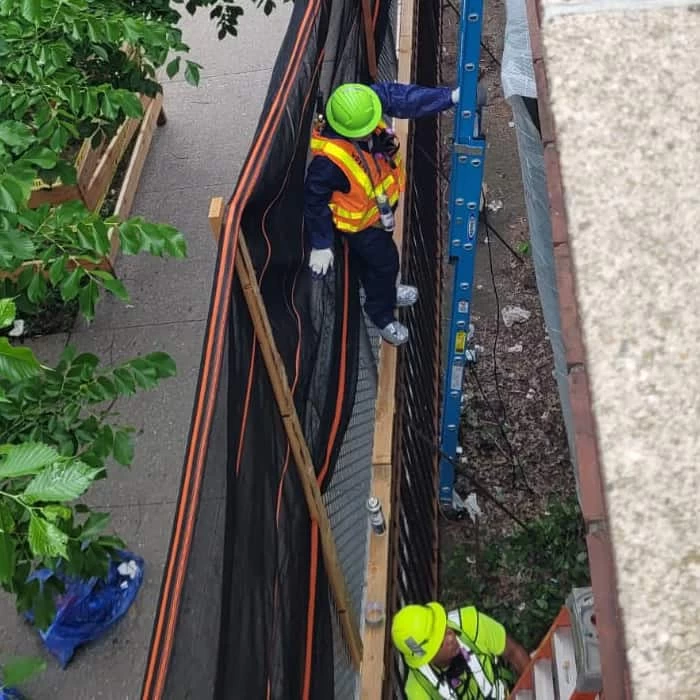
From there, we set up commercial-grade drying equipment and monitor moisture levels until the structure is fully dry. If asbestos-containing materials or lead paint have been disturbed by the water event — which is common in pre-1978 homes and nearly universal in pre-1960 construction — we handle abatement and remediation in-house, under our NYS DOL licenses, before any reconstruction begins. Then we rebuild. Drywall, flooring, trim, structural repairs — whatever the home needs to be whole again.
Flood Damage Repair Services Cornwall-on-Hudson NY
Everything the Flood Left Behind, Handled in One Scope
Flood restoration in Cornwall-on-Hudson isn’t a single service — it’s a sequence of interconnected steps that have to be done in the right order by the right people. We cover the entire sequence: emergency water extraction, structural drying, advanced moisture detection, mold remediation, asbestos abatement, lead-safe work practices, and complete reconstruction. Every phase, one company.
That matters more here than in most places. The village’s housing stock is among the oldest in the country — NeighborhoodScout has specifically identified Cornwall-on-Hudson as having one of the largest concentrations of pre-World War II architecture in the nation. When water enters a home like that, it doesn’t just wet modern materials. It saturates plaster, soaks original wood, and disturbs building materials that require licensed abatement before any rebuild can legally begin. A restoration company without an NYS DOL Asbestos License and USEPA Lead/RRP Certification cannot finish the job. We can.
For homeowners without flood insurance — a gap that became painfully clear for several Mountain Road residents after the July 2023 storm — we offer financing up to $200,000 at 0% APR. For those with coverage, we bill your insurance carrier directly, so you pay nothing out of pocket while the work is underway. The financial barrier to calling us is zero. The risk of waiting is not.
Does homeowners insurance cover flood damage from the July-type storms in Cornwall-on-Hudson?
This is one of the most painful lessons homeowners in Cornwall-on-Hudson learned after the July 9, 2023 storm. Standard homeowners insurance generally does not cover flood damage caused by surface water — meaning water that enters your home from outside due to heavy rain, runoff, or rising water. That type of damage falls under a separate flood insurance policy, typically through FEMA’s National Flood Insurance Program. Several Mountain Road residents discovered this distinction the hard way when they found they didn’t qualify for flood coverage and had to rely on FEMA disaster assistance instead.
What homeowners insurance typically does cover is sudden and accidental water damage from internal sources — a burst pipe, an appliance failure, or an overflowing bathtub. If your basement flooded because your sump pump failed during the storm rather than because surface water entered, that’s a different claim category entirely. The line between the two isn’t always obvious, and insurance adjusters don’t always make it easy to figure out.
We work with both types of claims. We bill insurance carriers directly, help document damage for the claims process, and for homeowners with coverage gaps, our 0% APR financing up to $200,000 ensures the work doesn’t stall while you sort out the insurance side.
How quickly does mold start growing after a basement floods in an older home?
Mold can begin to develop in as little as 24 hours after a flood event — and in Cornwall-on-Hudson’s older homes, that timeline is more consequential than it sounds. Modern homes are largely built with drywall, which dries relatively predictably. Homes built before World War II — which make up the majority of the village’s housing stock — have plaster walls, original wood framing, horsehair insulation, and subfloor materials that absorb and hold moisture differently. Water moves into those materials quickly and stays there longer, giving mold more surface area and more time to establish.
Within 48 hours, visible mold colonies can appear on wood framing, insulation, and behind walls where you can’t see them yet. By the time you notice a musty smell or visible growth, the remediation scope has already grown significantly. The older and more complex the structure, the more important it is to get professional moisture detection done immediately — not just to dry what’s visible, but to find what’s already migrated into the building envelope.
That’s why the 60-minute response time matters as much as it does in this village specifically. The faster water extraction and drying begin, the more of your original materials can be saved — and the less likely you are to be dealing with a full mold remediation project on top of the flood restoration.
My Cornwall-on-Hudson home was built in the 1920s — does that mean there's asbestos to worry about after a flood?
Very likely, yes. Homes built before 1980 — and especially those built before 1950 — commonly contain asbestos in pipe insulation, floor tiles, joint compound, exterior siding, and ceiling materials. In a pre-1920s or 1920s-era home in Cornwall-on-Hudson, you could have asbestos in multiple locations throughout the structure. Under normal conditions, undisturbed asbestos-containing materials don’t pose an immediate risk. The problem with a flood event is that water doesn’t leave things undisturbed.
When water soaks into flooring, saturates walls, or damages pipe insulation, it can disturb asbestos-containing materials and release fibers. At that point, New York State law requires that any abatement work be performed only by a contractor holding an NYS DOL Asbestos License — and the contractor must file proper notifications before work begins. A general contractor or a restoration company without that license cannot legally handle that scope of work.
We hold the NYS DOL Asbestos License and handle abatement in-house, as part of the same restoration project. You don’t need to find a separate abatement contractor, wait for them to schedule, and then bring a restoration company back in. We carry the full credential set to take your home from flooded to fully restored without any gaps in the process.
What's the difference between water extraction and structural drying — aren't they the same thing?
They’re related but not the same, and skipping or shortcutting the second step is one of the most common reasons flood damage leads to long-term mold and structural problems. Water extraction is the physical removal of standing water — using pumps and wet vacuums to pull water off floors, out of basements, and away from surfaces. It’s the first step, and it’s fast. But it doesn’t dry the building.
Structural drying is what happens after the visible water is gone. It involves placing industrial air movers and dehumidifiers throughout the affected space to pull moisture out of walls, subfloors, framing, and building materials — the water that soaked in and can’t be pumped out. In Cornwall-on-Hudson’s older homes, this phase is especially important because original construction materials like plaster, old-growth wood framing, and masonry hold moisture differently than modern materials and require longer, more carefully monitored drying cycles.
We use thermal imaging cameras and calibrated moisture meters to track drying progress in real time, checking inside walls and under floors — not just at the surface. The drying phase isn’t complete until the moisture readings in the structure return to acceptable levels. Calling it done when the floor looks dry is how you end up with a mold problem three weeks later.
How long does full flood restoration take for a typical home in Cornwall-on-Hudson?
The honest answer is that it depends on three things: how much water entered the home, how long it sat before extraction began, and what materials were affected. For a straightforward basement flood caught quickly — sump pump failure, pipe burst, water extracted within a few hours — the drying phase typically takes three to five days, and any reconstruction work that follows depends on the scope of damage. Total project time in a best-case scenario might be one to two weeks.
For homes where water sat longer, where mold has already begun to develop, or where asbestos or lead abatement is required before reconstruction can start, the timeline extends. Abatement in New York State requires advance notification to the relevant authorities before work can begin, which adds scheduling time that can’t be compressed. In Cornwall-on-Hudson’s older homes, this is a realistic part of the process — not an exception.
What we can tell you is that every day of delay adds to the scope. The July 2023 storm left some Cornwall-on-Hudson homeowners navigating remediation for over a year, in part because the damage was severe and the process was complex. Starting restoration immediately — with a company that can handle every phase without handoffs — is the single biggest factor in keeping the timeline as short as possible.
Are there specific flood risks in Cornwall-on-Hudson that make professional restoration more important than a DIY cleanup?
Cornwall-on-Hudson has a flood risk profile that’s genuinely different from most Orange County communities, and it affects what a proper cleanup actually requires. The steep slopes of Storm King Mountain concentrate rainfall into fast-moving surface runoff that can overwhelm residential drainage in minutes. The Hudson River waterfront properties near Cornwall Landing face tidal and riverine flooding that combines upstream rainfall with downstream surge. And the Moodna Creek watershed that drains the broader area is documented as being particularly prone to rapid flooding during wet conditions. These aren’t abstract risk factors — they’re the specific conditions that sent four to eight inches of rain into the village on July 9, 2023, flooded basements on Mountain Road, and triggered a USDA floodplain buyout program for homes on Hasbrouck Avenue and Clara Avenue.
Beyond the geography, the village’s housing stock creates specific hazards that make DIY cleanup genuinely risky. Pre-1978 homes — which is the majority of Cornwall-on-Hudson — likely contain lead paint, and pre-1980 homes frequently contain asbestos. Disturbing those materials during a flood cleanup without proper credentials and containment procedures creates a hazardous situation that can be more damaging than the flood itself. New York State law exists precisely because these materials require trained, licensed handling.
A shop vac and a box fan won’t find moisture inside a plaster wall, won’t identify whether your pipe insulation contains asbestos, and won’t stop mold from colonizing your floor joists. Professional restoration in a home like this isn’t a luxury — it’s what the work actually requires.