Brightwaters was literally built around water and when that water gets inside your home, every hour you wait makes the damage worse. We provide 24/7 emergency water damage restoration for Brightwaters homeowners who need a real local team, not a call center.
I needed a professional consultation explanation of procedure for safe removal of Asbestos in my apartment complex. Without having an account yet, I was very impressed with the caring, knowledgeable and generous advice offered by Jessica, and will look forward to doing business in the future. Thank you so much! I feel much more informed about a sometimes scary endeavor. Peace. Nancy Silva Mineola, NY.
Mia Munoz
Used this company to clean up some water flood in my house. They were fast and easy to work with.very professional, Would recommend to anyone!
Nini Valle
Great company, had a flood and they responded quickly and efficiently. Billed my insurance company directly. I highly recommend this company!
joe colapietro, jr
I had pipe freeze in my basement right before a snow storm and they made to within an hour to help start the clean up process. They we by our side throughout the entire process and even helped with the insurance company. They did such a great job with the cleanup, repair, remidiation, I contracted them to perform the repairs and finishes in the basement. They came with enough manpower and material to get the job done. Leo and Jessica were nothing but a pleasure to deal with!!
Cristian Arredondo c
I had some water damage in my home and Green Island was able to take care of my issue quickly and effectively. I am very pleased with the work they did. They responded quickly and were very professional.
Michael M
Outstanding service! From the office to the field crew everyone was friendly, helpful and responsive. I highly recommend Green Island Group.
Your Home Dried Out, Cleared Out, and Back to Normal
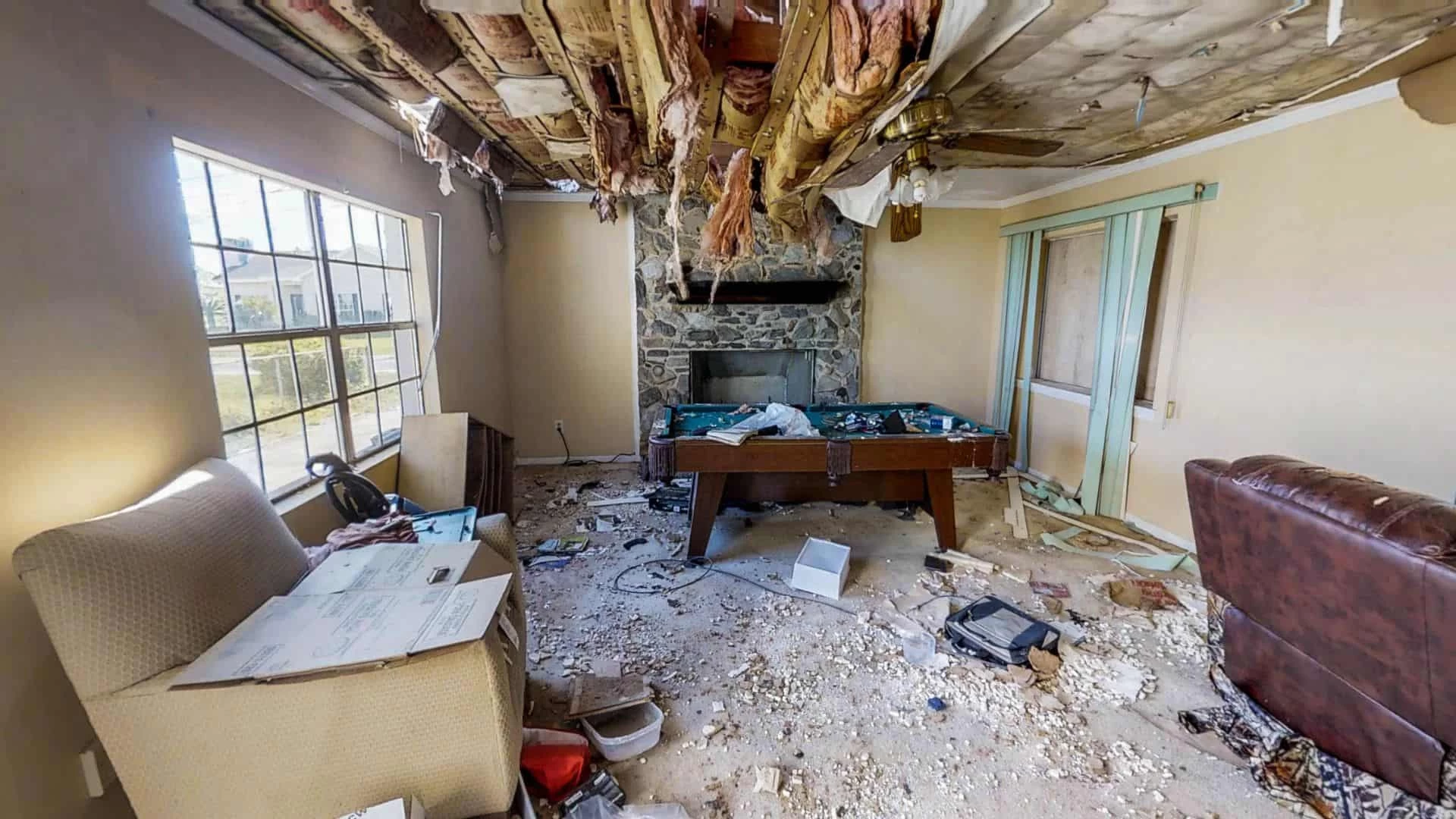
Water damage doesn’t just leave things wet it starts a clock. Within 24 to 48 hours, mold can begin growing inside your walls, under your floors, and behind the plaster that’s been there since your home was built in the 1930s. By the time you can smell it, the problem is already bigger than a dehumidifier can fix.
For homeowners in Brightwaters’ Canal District, that clock runs fast. When a nor’easter pushes water up through the Great South Bay and into the canal, properties along the waterway don’t get a slow drip they get a surge. The same goes for the Lakes District, where four spring-fed lakes keep the water table elevated year-round and basements feel it first during heavy rain.
What changes after professional water damage restoration is more than just dry floors. It’s knowing the moisture has been fully mapped not just what you can see, but what’s hiding inside the structure. It’s having the mold risk addressed before it becomes a health issue. And for a home that may be 80 or 100 years old, it’s having someone who understands what’s inside those walls before they start tearing into them.
Water Restoration Companies Serving Brightwaters, NY
Local Knowledge That Actually Changes the Outcome
We’re a Long Island-based environmental and restoration company serving Brightwaters and the surrounding South Shore communities in the Town of Islip. This isn’t a franchise territory. There’s no national call center routing your emergency to whoever’s available. When you call, you reach a team that knows Brightwaters, works in it regularly, and understands what restoration looks like in a canal village with century-old homes.
That matters more here than it might somewhere else. A home in Brightwaters isn’t a standard Long Island split-level. It might have original plaster walls, cast-iron plumbing, and materials that require careful handling before any demo begins. We handle water damage, mold remediation, asbestos abatement, and lead paint removal all in-house. That means one call covers the full scope of what a water event in an older Brightwaters home can uncover, without handing you off to three different contractors along the way.
Emergency Water Damage Service in Brightwaters, NY
What Happens From Your First Call to a Dry, Restored Home
It starts with the call any time, day or night. When you reach out, the first thing that happens is a rapid response to your property. Not a scheduled estimate for next week. An actual deployment, because the first 24 hours determine how much of your home can be saved versus how much has to be rebuilt.
Once on-site, our team does a full moisture assessment using thermal imaging cameras and calibrated moisture meters. This is where a lot of restoration jobs go wrong visible water gets extracted, surfaces appear dry, and the job gets called done. But in a Brightwaters home with original plaster walls and old-growth wood framing, water migrates deep into the structure and stays there. The assessment maps every pocket of hidden saturation before any drying equipment is placed.
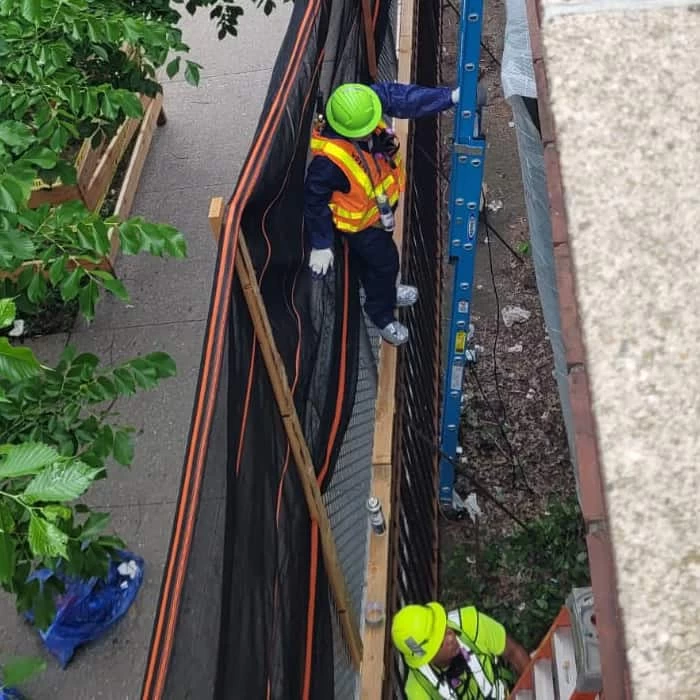
From there, the extraction and structural drying process begins industrial-grade equipment running until moisture readings confirm the structure is genuinely dry, not just surface-dry. If the assessment reveals mold, asbestos-containing materials, or lead paint all common in pre-1950s Brightwaters homes that work is handled in-house under proper New York State licensing, without subcontracting delays. Throughout the process, we manage the documentation your insurance company needs, whether you’re filing under a standard homeowners policy, an NFIP flood policy, or both.
Water Restoration Service for Brightwaters, NY Homes
Built for South Shore Homes, Not Generic Restoration Jobs
Water damage restoration in Brightwaters covers a wider scope than it does in most Long Island towns and that’s a direct result of the village’s geography and its housing stock. Canal-adjacent properties in the southern district face storm surge exposure that connects directly to the Great South Bay. The four lakes in the central village keep groundwater pressure elevated against basement walls and floor drains in ways that newer inland communities simply don’t experience. And homes throughout Brightwaters many built between the 1920s and 1950s carry the specific restoration challenges that come with age: original materials, aging plumbing, and the regulated substances that were standard in construction before modern codes caught up.
Our water damage restoration service includes emergency water extraction, structural drying with professional-grade equipment, full moisture mapping with thermal imaging, mold assessment and remediation, and where needed asbestos abatement and lead paint removal handled in-house under New York State Department of Labor licensing. For Brightwaters homeowners in FEMA-designated flood zones, we also manage the documentation and adjuster communication for both standard homeowners insurance and NFIP flood insurance claims simultaneously.
This isn’t a one-size approach. What your home needs after a canal flooding event is different from what it needs after a burst pipe in an upstairs bathroom. The scope is assessed on-site, explained clearly, and handled completely so you’re not left managing a half-finished job when the next storm season arrives.
Does water damage restoration in Brightwaters cover canal flooding specifically?
Yes and it’s worth understanding how canal flooding differs from other water damage types, because it affects both the restoration approach and your insurance coverage. Water that enters a home from an overflowing canal or storm surge is typically classified as flood damage under insurance definitions, which means it falls under a separate NFIP flood insurance policy rather than your standard homeowners policy. These are two different claims processes, and many Brightwaters homeowners don’t realize that until they’re already in the middle of a loss.
On the restoration side, canal flooding often brings in water that’s been in contact with outdoor contaminants sediment, bacteria, and debris which elevates the category of water damage and changes the remediation protocols. We handle the full scope: extraction, structural drying, contamination assessment, and the documentation required for both insurance policies. If you’re in the Canal District or anywhere near the waterway, it’s worth having a team that knows exactly what that type of event looks like on the ground.
How quickly does mold grow after a basement floods in my Brightwaters home?
According to IICRC standards the industry benchmark for water damage restoration mold can begin colonizing within 24 to 48 hours of water exposure. That’s not a worst-case scenario. That’s the standard window under normal indoor conditions. In a Brightwaters home with original plaster walls, old-growth wood framing, and decades of organic material in the structure, the conditions for mold growth are often even more favorable once water gets in.
The part that catches most homeowners off guard is that mold doesn’t start where you can see the water. It starts where the moisture migrated inside wall cavities, under original hardwood floors, behind plaster that looks completely dry on the surface. By the time you notice discoloration or a musty smell, the colony is already established. This is exactly why professional moisture mapping matters as much as the extraction itself. Finding hidden saturation before it becomes a mold problem is what separates a contained water damage job from a much larger remediation project weeks later.
My Brightwaters home was built in the 1930s does that complicate water damage restoration?
It does, and it’s important to know that going in. Homes built in the 1920s through 1950s which make up a significant portion of Brightwaters’ housing stock, particularly in the Canal District frequently contain materials that require special handling during any restoration work that involves demolition or material removal. Asbestos was commonly used in pipe insulation, floor tiles, and certain wall materials in homes of this era. Lead paint is standard in pre-1978 construction. Neither of these is a reason to panic, but both require licensed abatement protocols under New York State Department of Labor regulations before they can be disturbed.
What this means practically is that a restoration company without in-house environmental capabilities will need to pause the job, bring in a separate abatement contractor, wait for clearance, and then resume adding days or weeks to your timeline. We handle asbestos abatement and lead paint removal in-house, under proper NYSDOL licensing, as part of the same restoration engagement. For a Brightwaters homeowner with a historic property, that integrated capability isn’t a luxury it’s what keeps the job moving and keeps your family safe throughout the process.
What's the difference between water mitigation and full water damage restoration?
Mitigation is the emergency phase stopping the damage from getting worse. It includes water extraction, removing saturated materials that can’t be saved, and setting up drying equipment to stabilize the structure. It’s the immediate response that happens in the first 24 to 72 hours, and it’s what prevents a manageable water event from turning into a full structural loss.
Restoration is everything that comes after. Once the structure is dry and the damage is fully assessed, restoration covers repairing or replacing what was damaged drywall, flooring, insulation, trim, and any structural elements that were compromised. In a Brightwaters home, restoration often involves working with original materials that aren’t easy to match or replace: plaster walls, old-growth hardwood floors, and period millwork. A restoration company that understands historic construction approaches this differently than one that defaults to standard modern replacements. The goal is to bring your home back to its pre-damage condition not just make it structurally functional again.
Will my homeowners insurance cover water damage from a burst pipe in Brightwaters?
Generally, yes sudden and accidental water damage from a burst pipe is covered under standard homeowners insurance policies. The key word is sudden. Insurance companies distinguish between damage that happens quickly and unexpectedly like a pipe that bursts overnight during a cold snap and damage that developed gradually over time due to a slow leak or deferred maintenance. The latter is often denied as a maintenance issue rather than a covered loss.
For Brightwaters homeowners, winter is the most common season for burst pipe claims. Long Island’s freeze-thaw cycles put real stress on older plumbing systems, and homes with cast-iron or galvanized pipes common in the village’s pre-war housing stock are particularly vulnerable. When a pipe lets go, the damage can spread through walls and ceilings before anyone realizes what’s happening. Documenting the damage thoroughly and quickly is critical to a successful claim, and we handle that documentation as part of the restoration process, so you’re not trying to reconstruct a timeline for your adjuster after the fact.
How do I know if water damage behind my walls has already caused mold in my home?
The honest answer is that you usually can’t tell by looking. Mold behind walls, under floors, or inside ceiling cavities doesn’t announce itself until it’s been growing long enough to either become visible at the surface or produce enough spore activity to affect your air quality. By that point, what might have been a contained remediation job has often grown into something significantly larger.
The signs that suggest hidden mold even when you can’t see it include a persistent musty odor that doesn’t go away after the visible water is cleaned up, unexplained allergy-like symptoms in family members, or walls and ceilings that feel soft or show slight discoloration in areas that were previously wet. In Brightwaters homes that have experienced flooding before particularly those near the canal or the lakes there’s also the possibility of older, pre-existing mold growth that a new water event has reactivated. A professional moisture assessment with thermal imaging is the only reliable way to know what’s actually inside your walls. We include that assessment as part of the initial response, so there’s no guessing about what’s been left behind.