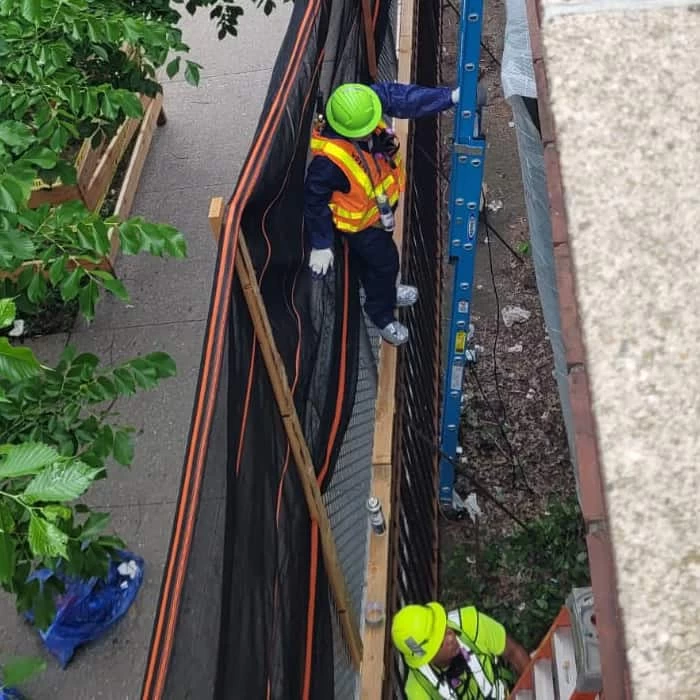
When water gets into your Speonk home near Moriches Bay, every hour counts. We provide 24/7 water damage restoration in Speonk, NY from emergency extraction to full structural drying.
I needed a professional consultation explanation of procedure for safe removal of Asbestos in my apartment complex. Without having an account yet, I was very impressed with the caring, knowledgeable and generous advice offered by Jessica, and will look forward to doing business in the future. Thank you so much! I feel much more informed about a sometimes scary endeavor. Peace. Nancy Silva Mineola, NY.
Mia Munoz
Used this company to clean up some water flood in my house. They were fast and easy to work with.very professional, Would recommend to anyone!
Nini Valle
Great company, had a flood and they responded quickly and efficiently. Billed my insurance company directly. I highly recommend this company!
joe colapietro, jr
I had pipe freeze in my basement right before a snow storm and they made to within an hour to help start the clean up process. They we by our side throughout the entire process and even helped with the insurance company. They did such a great job with the cleanup, repair, remidiation, I contracted them to perform the repairs and finishes in the basement. They came with enough manpower and material to get the job done. Leo and Jessica were nothing but a pleasure to deal with!!
Cristian Arredondo c
I had some water damage in my home and Green Island was able to take care of my issue quickly and effectively. I am very pleased with the work they did. They responded quickly and were very professional.
Michael M
Outstanding service! From the office to the field crew everyone was friendly, helpful and responsive. I highly recommend Green Island Group.
Dry Walls, Clean Air, No Hidden Damage Left Behind
When water damage gets handled the right way, you stop worrying about what’s growing inside your walls. Mold can begin forming within 24 to 48 hours of water exposure and in a coastal environment like Speonk, where humidity off Moriches Bay is already elevated, that window closes even faster than it does inland. The goal isn’t just to dry what you can see. It’s to find and eliminate every pocket of moisture before it becomes a bigger problem.
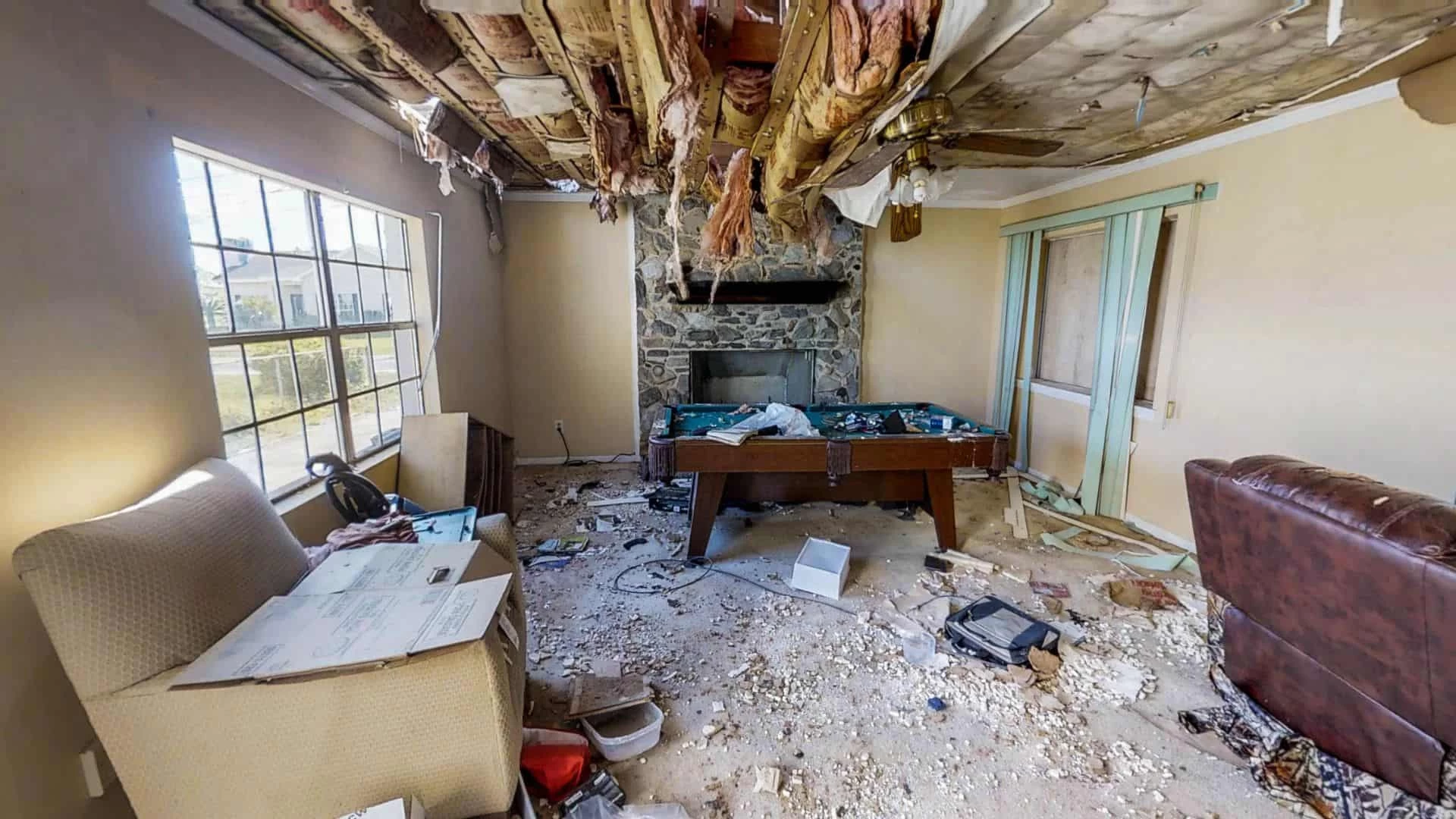
For homeowners in Speonk and Remsenburg, the risk doesn’t always come from a dramatic event. Sometimes it’s a slow pipe leak behind a wall in a home that sat vacant after Labor Day. Sometimes it’s a sump pump that gave out during a nor’easter while no one was there to catch it. Either way, the damage compounds quickly in an unoccupied home and by the time it’s discovered, you’re dealing with saturated framing, warped floors, and conditions that are ideal for mold growth.
What you get at the end of this process is a home that’s been dried to a measurable standard not just wiped down and left to chance. Moisture readings are taken throughout. Equipment is placed based on where the water actually traveled, not just where it pooled. And when the job is done, you have documentation that supports your insurance claim and confirms the work was done right.
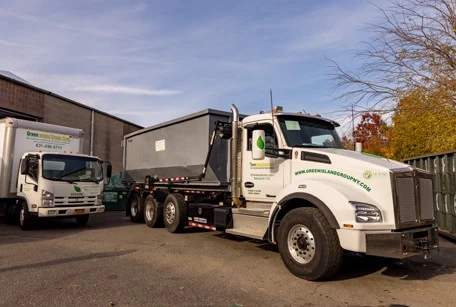
Green Island Group is a Long Island-based environmental and restoration company not a national franchise with a call center routing your job to whoever’s available. When you call, you’re reaching a team that actually serves the South Shore corridor, including Southampton Town communities like Speonk and Remsenburg.
That matters here. Southampton Town has its own building permit requirements for structural repairs. Older homes throughout Speonk many built mid-century may contain asbestos insulation or lead paint that becomes a regulated concern the moment water damage restoration requires opening walls or removing flooring. We handle water damage, mold remediation, asbestos testing and abatement, and lead paint removal in-house. No subcontractors. No handoffs. No gaps in accountability.
The reviews that come back consistently mention the same thing: real people, honest assessments, and a process that doesn’t leave you guessing. That’s what you should expect from a restoration company working in a community like Speonk.
What Actually Happens From First Call to Finished Job
The first call sets everything in motion. You describe what you’re dealing with flooding, a burst pipe, a leak discovered after weeks of vacancy and a real person assesses the situation with you. If it’s an emergency, we move immediately. If it’s something that was discovered after the fact, we schedule an inspection and give you an honest read on what you’re working with before any work begins.
On-site, the first priority is stopping any active water source and beginning extraction. From there, professional-grade drying equipment dehumidifiers, air movers, and in some cases desiccant systems is placed based on moisture mapping, not guesswork. Thermal imaging helps identify water that migrated behind walls or beneath flooring, which is especially common in older homes throughout Speonk where building materials absorb and hold moisture differently than newer construction. If the assessment uncovers asbestos-containing materials or lead paint a real possibility in homes built before 1978 that work is handled in-house under proper regulatory compliance, without stopping the job to find a separate contractor.
Throughout the drying process, moisture readings are taken and logged. When the structure reaches its dry standard, the documentation is compiled for your insurance carrier. If you need structural repairs drywall, flooring, framing that work is coordinated as part of the same project. You don’t manage multiple vendors. The job gets done, and you get a clear record of everything that was done.
Every Step Covered, Including What Most Companies Miss
Water damage restoration isn’t one task it’s a sequence of interconnected steps, and skipping any one of them creates problems down the road. We cover the full scope: emergency water extraction, structural drying, moisture mapping, mold prevention and remediation, air quality testing, and final documentation for insurance purposes. For Speonk homeowners dealing with the aftermath of a coastal storm or a frozen pipe in a seasonal property, having all of that under one roof matters.
The South Shore’s older housing stock adds a layer of complexity that not every restoration company is equipped to handle. Homes in and around Speonk that predate 1980 may have asbestos in insulation, floor tile adhesive, or pipe wrap materials that become a regulated hazard the moment they’re disturbed during restoration. We are licensed to test for and abate asbestos, and to handle lead paint removal under EPA RRP guidelines, so the restoration doesn’t stall when those materials are found. That’s a meaningful difference from operators who have to stop work and bring in a separate environmental contractor.
For seasonal and second homeowners a significant part of the Speonk-Remsenburg community remote management of the restoration process is something we handle regularly. Insurance documentation, adjuster communication, and status updates throughout the job mean you don’t have to be on-site to stay informed and in control of what’s happening to your property.
How quickly can mold grow after water damage in a Speonk home?
Mold can begin to colonize within 24 to 48 hours of water exposure that’s the industry standard established by the IICRC, and it’s not a worst-case scenario. It’s a typical one. In a coastal environment like Speonk, where ambient humidity is higher than in inland communities due to proximity to Moriches Bay and the Atlantic, conditions for mold growth are already more favorable than average. That means the clock starts moving faster, and surface drying alone isn’t enough to stop it.
The mold risk is especially serious in seasonal or unoccupied homes. A property that’s been closed up for the winter with no climate control, no ventilation, and undetected moisture from a slow leak or burst pipe is essentially a controlled environment for mold development. By the time the damage is discovered sometimes weeks later remediation is no longer optional. It’s urgent. Getting professional extraction and drying started within that first 24-hour window is the single most effective thing you can do to prevent a water damage situation from becoming a mold situation.
Does homeowners insurance typically cover water damage repair in New York?
Most standard homeowners insurance policies in New York cover sudden and accidental water damage a burst pipe, an appliance failure, a roof leak from a storm. What they typically don’t cover is flooding from an external source, like storm surge or rising groundwater, which requires a separate flood insurance policy. For Speonk homeowners, that distinction matters. The area’s proximity to Moriches Bay and the South Shore’s history with coastal storm events including Hurricane Sandy in 2012 means flood insurance is worth having if you don’t already carry it.
When a covered water damage claim is filed, the insurance company will send an adjuster to assess the damage. What that adjuster documents and how it’s documented directly affects the payout. We work with insurance carriers regularly and handle the documentation process in a way that captures the full scope of damage, including hidden moisture that wouldn’t show up in a visual inspection. You’re not required by New York law to use your insurance company’s preferred contractor, and having a restoration company that advocates for the full scope of covered work can make a real difference in what your claim ultimately covers.
What should I do first if I find water damage in my Speonk home?
The first thing to do is stop the water source if it’s still active shut off the main water supply if it’s a pipe issue, or stop using any fixtures connected to the affected area. If it’s storm-related and there’s no active source to stop, focus on getting the area ventilated if conditions outside allow. Don’t run standard household fans into a saturated space and assume that’s drying it that can actually spread moisture to unaffected areas and create new problems.
Call a restoration professional before you start pulling up flooring or cutting into walls. It’s a natural instinct to start cleaning up immediately, but disturbing water-damaged materials in an older Speonk home especially one built before 1978 can unknowingly expose asbestos or lead paint. A professional assessment first protects your health and keeps the scope of the job from expanding unnecessarily. Document everything with photos before anything is moved or removed, and notify your insurance carrier as soon as possible to start the claims process. The more documentation you have from the earliest point, the stronger your claim.
Can water damage in a vacant or seasonal home be restored successfully?
Yes but the timeline and complexity depend heavily on how long the damage went undetected. Speonk and Remsenburg have a significant number of seasonal and second homes, and unoccupied properties are among the most vulnerable to severe water damage. A pipe that bursts in January and isn’t discovered until April has had months to saturate structural materials, promote mold growth, and potentially affect multiple floors or rooms. That’s a more involved restoration than a burst pipe caught within hours.
The good news is that even significant long-term water damage can be restored with the right process. It requires thorough moisture mapping to find every affected area, controlled demolition of materials that can’t be dried in place, mold remediation if growth has already started, and structural repairs once the environment is clean and dry. We handle all of that in sequence, without requiring you to coordinate multiple contractors. For seasonal homeowners who aren’t local, we manage the full process and keep you informed throughout so you’re not flying blind on what’s happening to your property.
How do I know if water damage has caused mold inside my walls?
The honest answer is that you usually can’t tell from the outside. Mold growing inside wall cavities, behind baseboards, or beneath subfloors doesn’t always produce visible signs until the colony is well-established. By the time you see discoloration on a wall surface or smell something musty, the growth behind it has typically been there for a while. That’s why professional moisture assessment not a visual inspection is the only reliable way to know what’s actually happening inside a structure.
Thermal imaging cameras and calibrated moisture meters allow a trained technician to detect elevated moisture levels behind finished surfaces without tearing everything open unnecessarily. If readings indicate active moisture in a wall cavity, that area gets opened, assessed, and treated appropriately. Air quality testing can also confirm whether mold spores are present in the indoor environment at levels that pose a health concern. For a family living full-time in Speonk, or for a property owner preparing to reopen a seasonal home after winter, that confirmation matters not just for the property, but for the people inside it.
Does water damage restoration in Southampton Town require building permits?
It depends on the scope of the work. Water extraction, drying, and mold remediation typically don’t require a permit on their own. But once the restoration moves into structural repairs replacing drywall, repairing or replacing framing, restoring flooring systems the Southampton Town Building Department may require a permit before that work begins. This is something that catches homeowners off guard, especially when they’re focused on getting the damage fixed quickly and aren’t thinking about the permitting side of the process.
Working with a restoration company that understands Southampton Town’s requirements means the repair work is done in compliance from the start which matters when it comes time to sell the property or file a final insurance settlement. Unpermitted structural work in a high-value market like Speonk can complicate a future sale or create liability issues down the road. We’re familiar with Long Island’s South Shore municipalities, including Southampton Town, so the restoration is managed with that regulatory context in mind not as an afterthought once the work is already done.