Water damage in a seasonal property doesn’t wait for you to arrive and in Wainscott, the window between a slow leak and a full mold problem closes faster than most people expect.
I needed a professional consultation explanation of procedure for safe removal of Asbestos in my apartment complex. Without having an account yet, I was very impressed with the caring, knowledgeable and generous advice offered by Jessica, and will look forward to doing business in the future. Thank you so much! I feel much more informed about a sometimes scary endeavor. Peace. Nancy Silva Mineola, NY.
Mia Munoz
Used this company to clean up some water flood in my house. They were fast and easy to work with.very professional, Would recommend to anyone!
Nini Valle
Great company, had a flood and they responded quickly and efficiently. Billed my insurance company directly. I highly recommend this company!
joe colapietro, jr
I had pipe freeze in my basement right before a snow storm and they made to within an hour to help start the clean up process. They we by our side throughout the entire process and even helped with the insurance company. They did such a great job with the cleanup, repair, remidiation, I contracted them to perform the repairs and finishes in the basement. They came with enough manpower and material to get the job done. Leo and Jessica were nothing but a pleasure to deal with!!
Cristian Arredondo c
I had some water damage in my home and Green Island was able to take care of my issue quickly and effectively. I am very pleased with the work they did. They responded quickly and were very professional.
Michael M
Outstanding service! From the office to the field crew everyone was friendly, helpful and responsive. I highly recommend Green Island Group.
Mold can start growing within 24 to 48 hours of water exposure. In a home that’s been sitting closed since October, that timeline doesn’t start when you arrive in the spring. It started the day the pipe burst or the roof let water in.
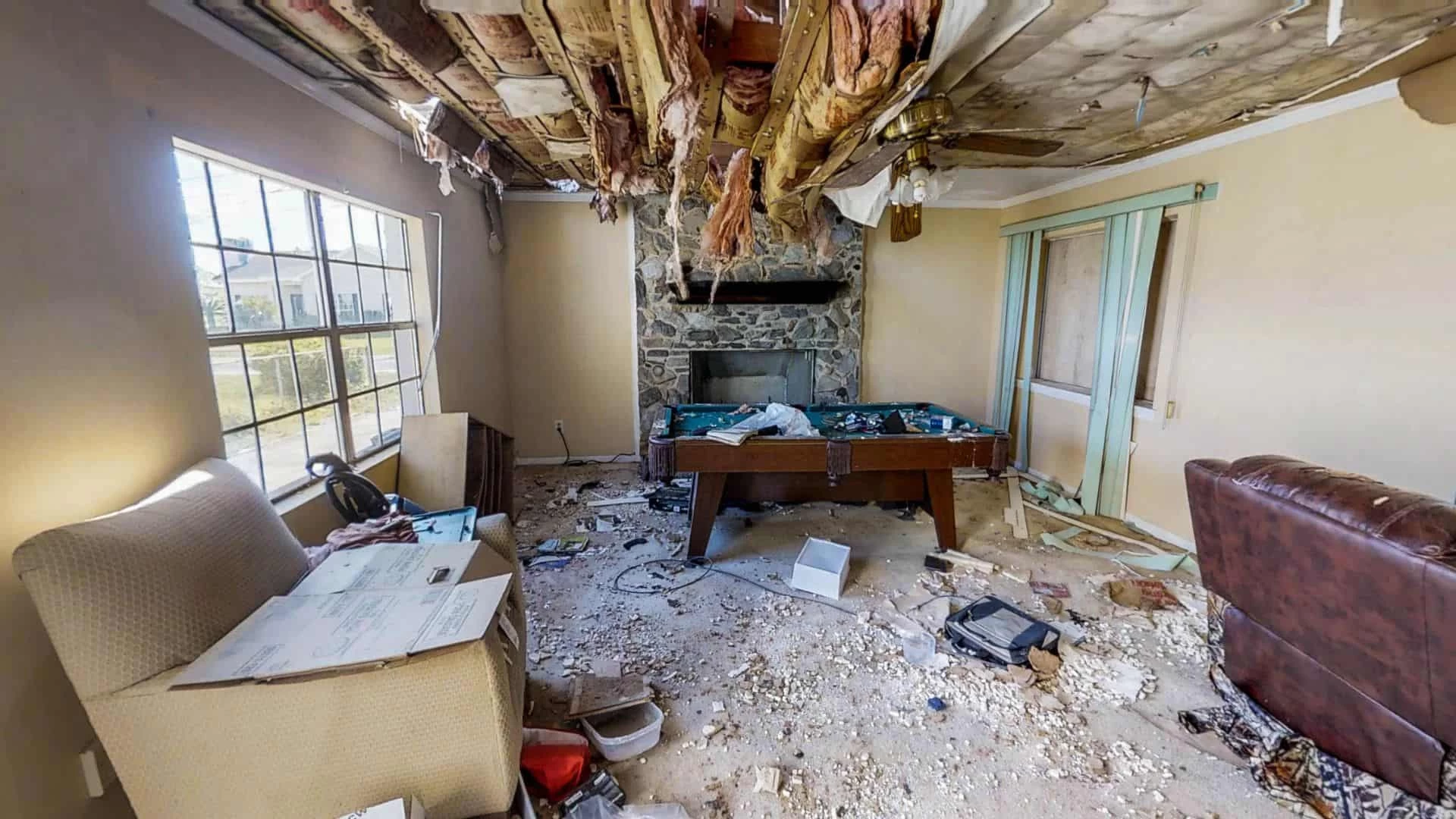
For Wainscott homeowners, the real risk isn’t just the water itself it’s the gap between when damage happens and when anyone finds out. A significant share of properties here are seasonal, which means a slow leak behind a wall or a failed sump pump in a crawl space can go untouched for weeks. By the time you’re walking through the door, what could have been a straightforward extraction job has often turned into a structural drying and mold remediation project.
What changes when you call early or when a property manager catches it fast is the scope of what needs to happen. Wet framing that gets dried within the first 48 to 72 hours can often be saved. Wet framing that sits for three weeks usually can’t. That difference isn’t just about cost, though in a Wainscott home it can easily be the difference between a $6,000 job and a $40,000 one. It’s about whether your home comes back to the condition it was in before or whether it comes back to something that just looks like it.
Local Accountability in a Market Full of Franchises
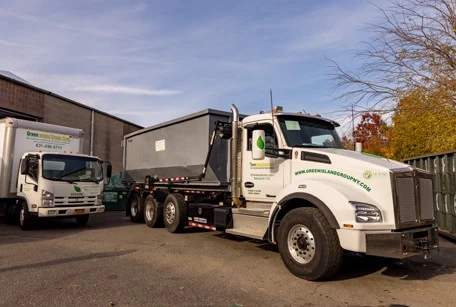
Green Island Group is a full-service environmental and property restoration company serving Long Island, Queens, and the broader New York metro area. Unlike the national franchise operators that populate most local search results where calls route through a regional hub and crews are dispatched anonymously we operate as a genuine local company with named, accountable professionals on every job.
That matters especially in a place like Wainscott, where properties along Georgica Pond and the Atlantic oceanfront carry values that leave no margin for a rushed or careless restoration. You’re not handing your home to a crew reading from a checklist. You’re working with people who understand what’s at stake in a high-value coastal property and who carry the credentials, equipment, and multi-service capability to handle whatever the job uncovers.
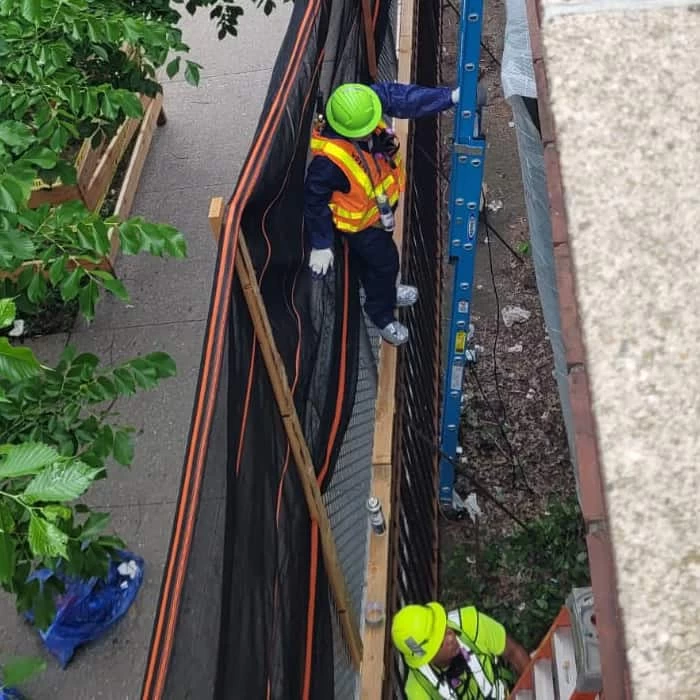
Water damage in older Hamptons structures sometimes reveals secondary issues asbestos-containing materials, lead paint, or compromised air quality. We handle all of it in-house: water damage restoration, mold remediation, asbestos abatement, lead paint removal, and air quality testing. One call, one team, no handoffs.
What Happens From Your First Call to the Finished Job
The process starts with an emergency response call available 24 hours a day, seven days a week. Whether you’re calling from Manhattan after your property manager sends photos, or you’re standing in a flooded room on Wainscott Stone Road at 10pm, the response is the same: someone answers, a team gets dispatched, and the clock stops running against you.
When we arrive, the first priority is a full moisture assessment not just the visible damage, but everything hidden behind walls, beneath floors, and inside ceiling cavities. Coastal South Fork properties deal with conditions that can accelerate moisture migration: high water tables, storm-driven rain finding its way through compromised flashing, and the kind of prolonged saturation that happens when a property sits unoccupied through a nor’easter season. We use thermal imaging cameras and professional moisture meters to find what a visual inspection misses.
From there, we move into extraction and structural drying using commercial-grade equipment not the kind of dehumidifiers you rent from a hardware store. Drying timelines are monitored against IICRC S500 standards, and we document everything for your insurance claim. Once the structure is confirmed dry, we handle any necessary repairs drywall, flooring, finishes to bring the property back to its pre-damage condition. If mold is found, or if the work uncovers materials that require abatement under New York State Department of Labor guidelines, we handle that work as part of the same project without stopping to find another contractor. Any structural work requiring a permit is handled through the Town of East Hampton Building Department, so nothing gets skipped.
Everything a Coastal Property Actually Needs Done Right
Water damage restoration in Wainscott isn’t a single task it’s a sequence of steps that each depend on the one before it being done correctly. Extraction removes standing water, but it doesn’t dry a structure. Drying equipment runs until moisture readings confirm the framing, subfloor, and wall cavities are genuinely dry not just surface-dry. That distinction matters enormously in coastal properties where ambient humidity, high water tables, and the dense construction common in high-end Hamptons homes can hold moisture long after the visible water is gone.
Our scope covers the full sequence: emergency water extraction, structural drying, moisture monitoring, mold inspection and remediation, repairs to affected surfaces and finishes, and complete documentation for insurance purposes. For properties near Georgica Pond or along the oceanfront where storm surge or flooding has caused the damage, our assessment also accounts for potential contaminants in floodwater a factor that changes both the remediation protocol and the safety requirements for our crew.
For seasonal homeowners managing the process from off-site, the insurance documentation piece is particularly important. We work directly with adjusters, provide the written moisture logs and damage reports that insurers require, and handle direct billing where applicable. You shouldn’t have to manage a claims process from a distance while also trying to coordinate a restoration job and with us, you don’t have to.
How quickly does mold actually start growing after water damage in Wainscott?
Mold can begin growing within 24 to 48 hours under the right conditions and in a closed-up Wainscott seasonal home, those conditions are almost always present. Warm temperatures, organic materials like wood framing and drywall, and trapped humidity create exactly the environment mold needs. The challenge specific to this area is that many properties here sit vacant for months at a time, which means the damage clock starts running long before anyone knows there’s a problem.
By the time a homeowner or property manager discovers standing water or a musty smell in the spring, mold may already be established behind walls or beneath flooring. That doesn’t automatically mean the situation is unmanageable but it does mean the scope of work is larger, and the remediation needs to be thorough rather than surface-level. A professional moisture assessment will tell you exactly what you’re dealing with before any assumptions are made about what can be saved.
My Wainscott home was closed all winter how do I know if there's hidden water damage?
The most common signs in a property that’s been closed since fall are a musty or earthy smell when you first walk in, visible staining on ceilings or walls, warped or buckled flooring, and paint that’s bubbling or peeling away from the surface. What you won’t be able to see without equipment is moisture inside wall cavities, saturated insulation, or wet subfloor beneath tile or hardwood and those are often the areas where the most serious structural damage and mold growth occur.
A professional moisture assessment using thermal imaging and calibrated moisture meters is the only way to get a complete picture. In a Wainscott property with custom finishes and specialty materials, guessing at what’s wet and what isn’t is a risk that rarely pays off. The cost of a thorough inspection upfront is almost always far less than the cost of discovering additional damage after repairs have already started.
Does homeowners insurance typically cover water damage in a Hamptons seasonal home?
Most standard homeowners insurance policies cover sudden and accidental water damage things like a burst pipe or an appliance failure. What they typically don’t cover is damage that results from a long-term leak that went unaddressed, or flooding from a storm surge or external water source, which usually requires a separate flood insurance policy through FEMA’s National Flood Insurance Program. For Wainscott properties in FEMA-designated flood zones and given the hamlet’s coastal exposure and low elevation, a number of properties here fall into that category flood coverage is a separate and important consideration.
The documentation piece is where many homeowners run into problems. Insurers require specific evidence: moisture readings taken at multiple points, photographs of affected areas, written damage assessments, and in some cases a timeline of when the damage likely occurred. We build that documentation throughout the restoration process and communicate directly with adjusters, which tends to result in faster claim resolution and fewer disputes over what’s covered.
What's the difference between water damage restoration and water mitigation?
Mitigation refers specifically to the steps taken to stop ongoing damage and prevent it from getting worse extraction, emergency drying, and containment. Restoration is the broader process that includes mitigation but also covers everything that comes after: repairing or replacing damaged materials, returning the property to its pre-damage condition, and addressing any secondary issues like mold that developed as a result of the water exposure.
In practice, most homeowners need both, and the line between them is less important than making sure the entire sequence gets handled correctly. Where it becomes relevant is in insurance claims some policies cover mitigation costs separately from restoration costs, and having a restoration company that understands how to document and present both components accurately can make a meaningful difference in what your claim covers.
How long does water damage restoration take for a property in Wainscott?
Structural drying alone typically takes three to five days under normal conditions, though that timeline can extend in coastal environments where ambient humidity is higher and the building materials common in Wainscott’s older and high-end properties tend to hold moisture longer. The full restoration including any repairs to drywall, flooring, or finishes depends entirely on the scope of damage found during the initial assessment.
For seasonal homeowners trying to plan around a return visit or a rental window, the honest answer is that the timeline is driven by what the moisture readings show, not by a calendar. Pulling drying equipment before the structure is genuinely dry creates conditions for mold growth and callbacks that cost far more time and money than letting the process run correctly. We give you real numbers based on actual readings not a timeline designed to tell you what you want to hear.
Can water damage in a Wainscott home uncover asbestos or lead paint issues?
It can, and in older Hamptons properties it happens more often than people expect. Wainscott has structures that date back generations, and materials like asbestos-containing floor tile, pipe insulation, and textured ceiling coatings were standard in construction through the late 1970s. Lead paint is similarly common in older residential buildings. When water damage requires cutting into walls, removing flooring, or disturbing ceiling materials, those hazards can become exposure risks if the work isn’t handled by someone licensed to deal with them.
In New York State, asbestos abatement requires a specific license from the Department of Labor it’s not work that a general contractor or a standard restoration crew can legally perform. We hold the credentials to handle both water damage restoration and environmental abatement in-house, which means if the job uncovers something that needs to be addressed before restoration can continue, the same team handles it. No stopping, no waiting for a separate contractor, no gap in the timeline that lets a wet structure sit longer than it needs to.