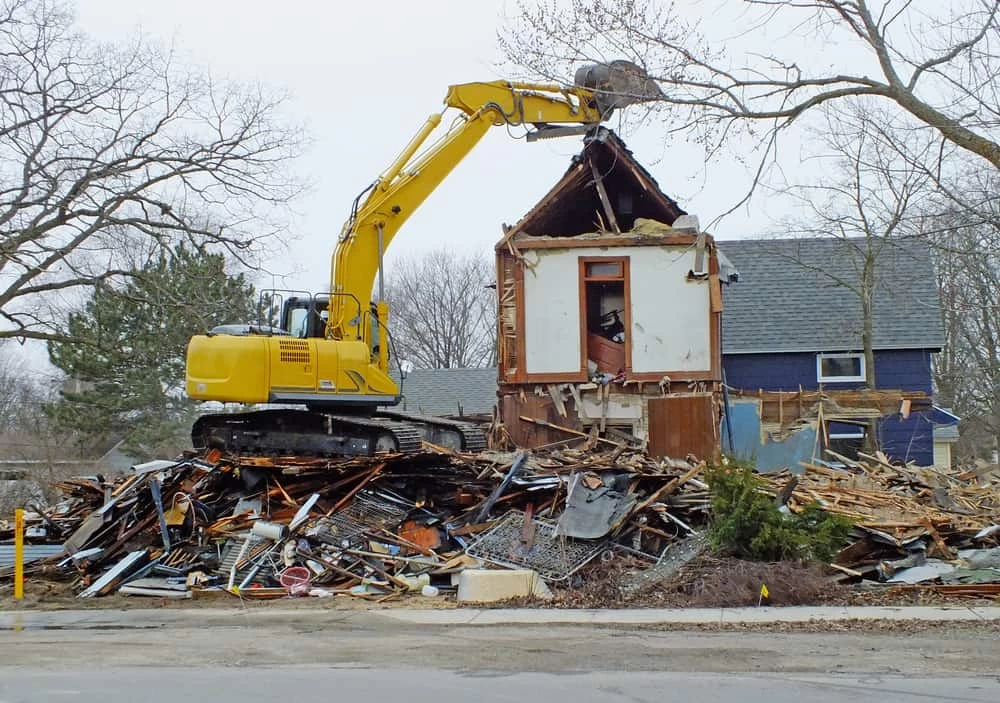
Asharoken’s waterfront estates are older, the road in is narrow, and the village has its own building department. A demolition contractor who doesn’t know that will cost you time and money before the first wall comes down. We do.
I needed a professional consultation explanation of procedure for safe removal of Asbestos in my apartment complex. Without having an account yet, I was very impressed with the caring, knowledgeable and generous advice offered by Jessica, and will look forward to doing business in the future. Thank you so much! I feel much more informed about a sometimes scary endeavor. Peace. Nancy Silva Mineola, NY.
Mia Munoz
Used this company to clean up some water flood in my house. They were fast and easy to work with.very professional, Would recommend to anyone!
Nini Valle
Great company, had a flood and they responded quickly and efficiently. Billed my insurance company directly. I highly recommend this company!
joe colapietro, jr
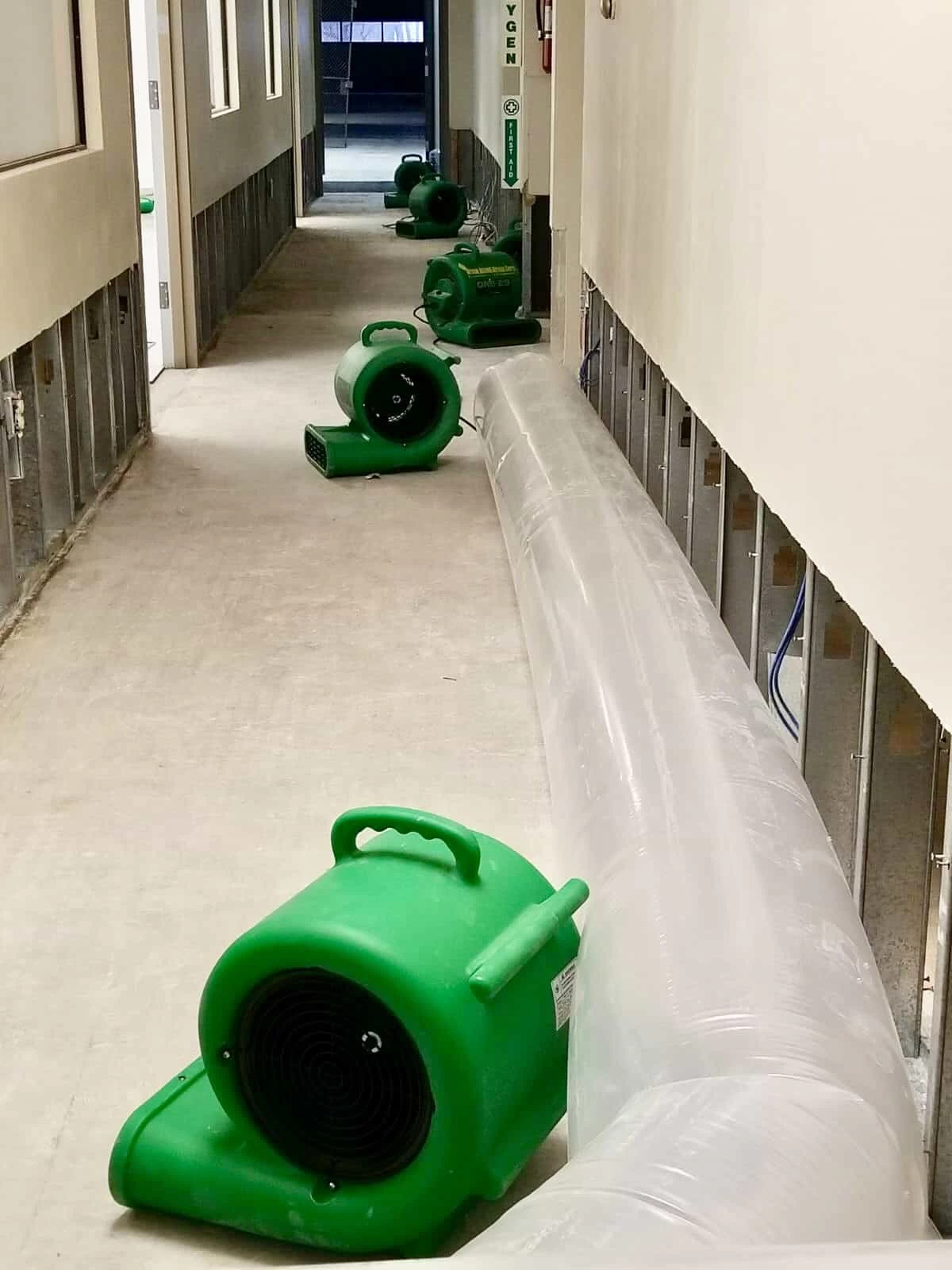
I had pipe freeze in my basement right before a snow storm and they made to within an hour to help start the clean up process. They we by our side throughout the entire process and even helped with the insurance company. They did such a great job with the cleanup, repair, remidiation, I contracted them to perform the repairs and finishes in the basement. They came with enough manpower and material to get the job done. Leo and Jessica were nothing but a pleasure to deal with!!
Cristian Arredondo c
I had some water damage in my home and Green Island was able to take care of my issue quickly and effectively. I am very pleased with the work they did. They responded quickly and were very professional.
Michael M
Outstanding service! From the office to the field crew everyone was friendly, helpful and responsive. I highly recommend Green Island Group.
Most demolition projects in Asharoken hit the same wall. The crew opens up a wall or pulls a ceiling and finds asbestos which, in a village where most homes were built before 1980, is closer to a certainty than a risk. A contractor without in-house abatement has to stop everything, bring in a separate team, and restart. Your timeline doubles. Your budget shifts. And you’re suddenly managing two companies instead of one.
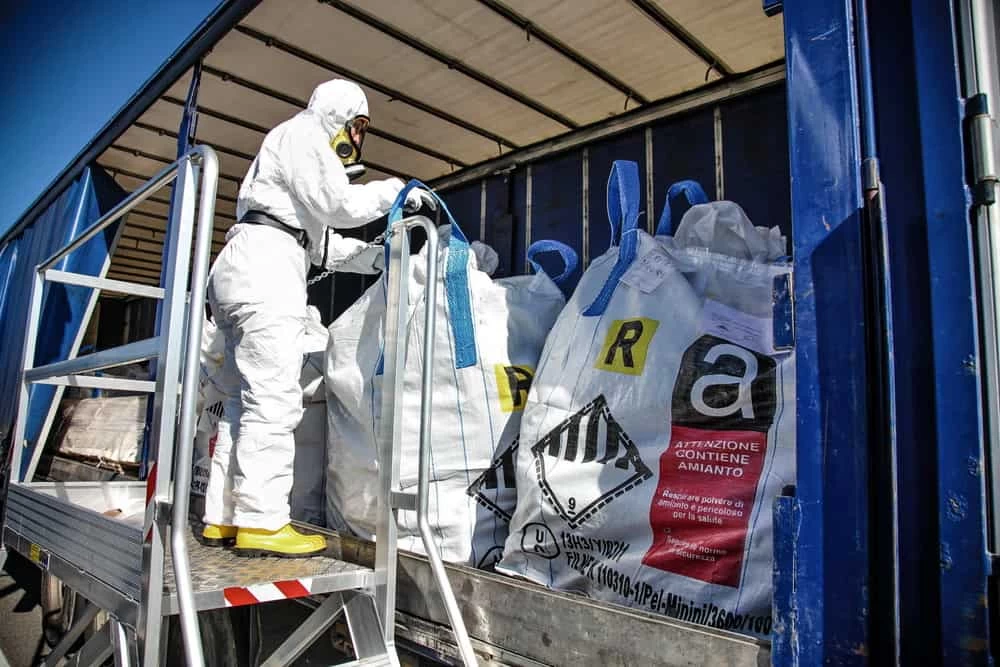
When we take on a project in Asharoken, asbestos abatement and demolition happen under the same roof. Our NYS DOL-certified team handles the survey, the abatement, and the demolition without handing the baton to anyone else. That’s not a minor convenience it’s the difference between a project that runs on schedule and one that drags on for weeks.
The other thing that matters in Asharoken specifically: Asharoken Avenue is the only road in and out of the village. Every piece of equipment, every debris load, every crew member goes through that one corridor. If a contractor hasn’t thought through site access before showing up, it becomes your problem. We plan every project around the physical reality of working on a narrow isthmus because we’ve done it, and we know what it takes to execute without disrupting the neighborhood.
Licensed Demolition Contractors Serving Asharoken NY
12 Years, 5,000 Projects, Zero Guesswork
We’re a full-service demolition and environmental contractor based in Suffolk County, with over a decade of active work across Long Island’s North Shore. We’ve handled everything from estate teardowns in Northport to storm-damage demolition in coastal communities that look a lot like Asharoken narrow access, older structures, and regulators who take compliance seriously.
We carry $2M+ in general liability coverage, hold active NYS Department of Labor asbestos contractor certification, and manage the full permit process from start to finish including the village-level permitting that Asharoken’s own Building Department requires, separate from the Town of Huntington’s process. That distinction alone has tripped up contractors who assumed the permit went to the same office.
With more than 5,000 completed projects and a 4.7-star review record that includes documented same-day emergency response, our track record speaks for itself.
Before anything physical happens on your property, we start with a pre-demolition assessment. For any structure in Asharoken built before 1980 which covers the majority of the village’s housing stock New York State law requires a licensed asbestos survey before demolition can begin. We handle that in-house. If abatement is needed, we scope it, schedule it, and complete it without bringing in outside contractors or pausing your project timeline.
From there, we manage the permit package. In Asharoken, that means submitting to the village’s own Building Department not the Town of Huntington’s general office. We also coordinate utility disconnections with National Grid and the local water district, which are required before any demolition work can legally begin. These steps get missed when a contractor isn’t familiar with how Asharoken’s regulatory layers actually work.
Once permits are cleared and utilities are disconnected, the physical work begins. We stage equipment with Asharoken Avenue’s access constraints in mind the road is narrow, it’s the only route in and out, and it needs to stay clear for residents and emergency vehicles. Debris is removed and materials are recycled wherever possible. When the site is cleared, we do a final walkthrough and make sure you have everything you need for the next phase, whether that’s new construction or a clean transfer of the property.
Demolition Specialists for North Shore Long Island
What's Included When You Work With Us in Asharoken
We offer residential demolition, selective interior demolition, full structure teardowns, and emergency demolition for storm-damaged properties all with in-house asbestos and hazmat handling. For Asharoken homeowners, that last part is rarely optional. The village’s pre-1980 waterfront estates almost always contain asbestos-containing materials, and New York State requires a licensed survey before any demolition work can start. We don’t subcontract that out.
Every project includes full permit management through Asharoken’s village building department, utility disconnection coordination with National Grid and the local water district, pre-demolition environmental assessment, and site cleanup. If your project was triggered by storm damage which happens regularly on a peninsula that sits between Northport Bay and Long Island Sound we also work directly with your insurance carrier. We prepare the documentation, coordinate with adjusters, and take that piece off your plate entirely.
Asharoken’s village code also requires excavation permits for virtually any below-grade work within 100 feet of the mean high-water mark. Given that the entire village is a narrow isthmus flanked by water on both sides, that applies to nearly every project site here. We know where those lines are drawn, and we account for them before the first shovel goes in the ground. You won’t find out about a missed permit requirement after work has already started.
Does the Village of Asharoken have its own demolition permit process?
Yes and this is one of the most common points of confusion for contractors who aren’t familiar with the area. Asharoken is an incorporated village with its own Building Department, its own Superintendent of Buildings, and its own zoning and building code that operates independently from the Town of Huntington’s general permit office. Submitting a demolition permit to the wrong authority doesn’t just slow things down it can invalidate the application entirely and push your project start date back by weeks.
When we manage a demolition project in Asharoken, we submit directly to the village’s building department and handle all required documentation at that level. We’re also familiar with the village’s specific excavation permit requirements, which apply to virtually any below-grade work in Asharoken because of how close the entire land area sits to the water. If you’re planning a project here, the permit path matters as much as the physical work itself.
Is an asbestos survey required before demolition in Asharoken, NY?
Under New York State law, yes a licensed asbestos contractor must survey any building before demolition work begins, and buildings constructed before 1974 are not exempt from this requirement. In Asharoken, where the majority of the housing stock is mid-century construction, this isn’t a formality it’s a near-universal step in the pre-demolition process. Asbestos was commonly used in pipe insulation, floor tiles, roofing materials, and joint compounds in homes built during that era.
What matters practically is who handles it. If your demolition contractor doesn’t have in-house asbestos abatement capability, they have to stop all work when asbestos is found and bring in a separate licensed abatement firm before demolition can resume. We hold active NYS Department of Labor asbestos contractor certification, which means the survey, abatement, and demolition are all handled by the same team. Your project doesn’t stop. You don’t manage two separate contractors. The timeline stays intact.
What happens if a storm damages my home in Asharoken how fast can you respond?
We operate 24/7, and our review record includes documented response times under one hour for emergency calls. That matters in Asharoken specifically, because the village’s isthmus sits between Northport Bay and Long Island Sound exposed to storm surge from two directions. The U.S. Army Corps of Engineers has formally documented recurring wave overtopping, erosion, and structural damage along Asharoken Avenue from nor’easters and coastal storm events. When that damage happens to a structure, the need for emergency demolition or debris removal is immediate, not something you schedule two weeks out.
Beyond showing up fast, we also handle the insurance side of the process. Storm-triggered demolition almost always involves a property damage claim, and managing that claim while also trying to find and vet a demolition contractor is a lot to carry at once. We work directly with insurance carriers preparing documentation, coordinating with adjusters, and handling the back-and-forth so you’re not doing that on top of everything else.
Do I need a permit for excavation work connected to my demolition project in Asharoken?
In most cases, yes. Asharoken’s village code requires an excavation permit for any work involving more than one cubic yard of material, unless the site is at least 100 feet from the mean high-water mark of all neighboring bodies of water. Given that Asharoken is a narrow isthmus with water on both sides Northport Bay to the south and Long Island Sound to the north virtually no location in the village meets that 100-foot threshold. That means almost any excavation associated with a demolition project here, including foundation removal and site grading, will require its own permit from the village.
This is a detail that contractors unfamiliar with Asharoken’s geography consistently overlook. It’s not a complicated requirement, but discovering it after work has started creates real problems stop-work orders, fines, and delays that push back the entire project. We account for excavation permitting as part of the initial permit package, so it’s handled before anyone breaks ground.
How do utility disconnections work before demolition starts in Asharoken?
Before demolition can legally begin in the Town of Huntington which includes Asharoken you need written confirmation from National Grid that all gas and electric services to the structure have been disconnected, along with a disconnection letter from the local water district. National Grid is the utility provider for Asharoken, and their power infrastructure serves the entire peninsula including the eastern edge of the village. These letters aren’t optional they’re part of the permit package, and work cannot legally begin without them.
We coordinate utility disconnections as part of project preparation. We contact National Grid and the water district on your behalf, track the disconnection confirmations, and make sure everything is in order before the crew arrives on site. Utility scheduling can add days or weeks to a project if it’s not started early enough. We build it into the timeline from the beginning so it doesn’t become a bottleneck.
What does a full demolition project typically cost for a waterfront home in Asharoken?
Demolition costs in Asharoken vary based on the size of the structure, the scope of work, and what environmental conditions are found during the pre-demolition survey. A straightforward residential teardown on Long Island generally runs between $8,000 and $25,000 for the physical demolition work alone. In Asharoken, where most homes are larger, older waterfront estates, the total project cost including asbestos abatement, permit fees, utility coordination, and debris removal often lands higher than a comparable inland project.
The asbestos component is the most variable factor. If abatement is minor, the added cost is manageable. If the structure has extensive asbestos-containing materials which is common in mid-century North Shore construction abatement can add significantly to the overall budget. You won’t know the full picture until after the pre-demolition survey is complete, which is why we conduct that assessment before giving you a final number. What we can tell you is that every cost is accounted for upfront. There are no change orders mid-project for conditions we should have found during scoping.