When the Cottage Isn't Worth Saving, We Handle Everything After That Decision
From aging beach cottages near Ditch Plains to storm-damaged structures downtown, Green Island Group is the licensed demolition contractor Montauk property owners call when the project needs to go right permits, asbestos, and all.
I needed a professional consultation explanation of procedure for safe removal of Asbestos in my apartment complex. Without having an account yet, I was very impressed with the caring, knowledgeable and generous advice offered by Jessica, and will look forward to doing business in the future. Thank you so much! I feel much more informed about a sometimes scary endeavor. Peace. Nancy Silva Mineola, NY.
Mia Munoz
Used this company to clean up some water flood in my house. They were fast and easy to work with.very professional, Would recommend to anyone!
Nini Valle
Great company, had a flood and they responded quickly and efficiently. Billed my insurance company directly. I highly recommend this company!
joe colapietro, jr
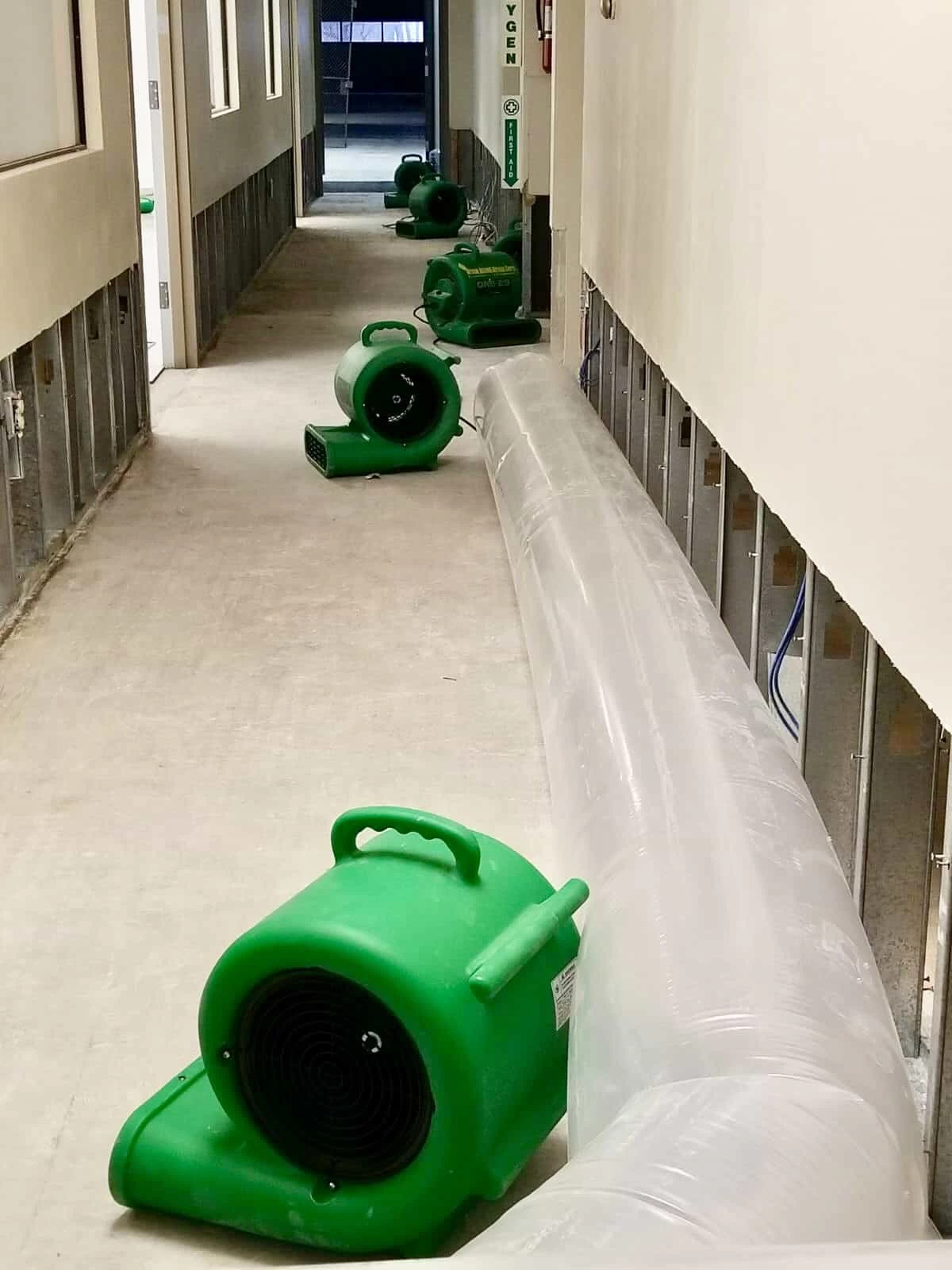
I had pipe freeze in my basement right before a snow storm and they made to within an hour to help start the clean up process. They we by our side throughout the entire process and even helped with the insurance company. They did such a great job with the cleanup, repair, remidiation, I contracted them to perform the repairs and finishes in the basement. They came with enough manpower and material to get the job done. Leo and Jessica were nothing but a pleasure to deal with!!
Cristian Arredondo c
I had some water damage in my home and Green Island was able to take care of my issue quickly and effectively. I am very pleased with the work they did. They responded quickly and were very professional.
Michael M
Outstanding service! From the office to the field crew everyone was friendly, helpful and responsive. I highly recommend Green Island Group.
Most Montauk teardowns aren’t simple. The building stock out here skews heavily pre-1980 mid-century fishing cottages, Carl Fisher-era structures, beach houses that have seen decades of salt air, storm damage, and deferred maintenance. That means asbestos is a real possibility, not a remote one. If your contractor can’t handle it in-house, your project stops cold the moment it’s found.
When you work with a demolition specialist who handles abatement and demo under one roof, you don’t lose weeks coordinating between two separate companies. The work keeps moving. Your off-season construction window stays intact which matters enormously when Route 27 turns into a parking lot come Memorial Day and your contractor can’t get equipment in or out.
There’s also the storm damage side of this. Montauk sits at the end of a peninsula surrounded by open Atlantic, facing documented severe wind event risk. When a nor’easter hits your property in January and you’re back in the city, you need someone who responds fast, documents everything for your insurance claim, and gets to work before mold compounds the damage. That’s exactly what we do.
5,000 Projects In. We've Seen What's Behind the Walls.
Green Island Group is a Suffolk County-based demolition and environmental services company with over 5,000 completed projects across Long Island and New York City. We hold active NYS Department of Labor asbestos contractor certification, carry the general liability insurance required for demolition work in New York, and we’re a certified Minority and Woman-Owned Business Enterprise. These aren’t marketing claims they’re credentials you can verify.
We’ve been working the East End long enough to know that a Montauk project is different from a job in Holbrook or Hauppauge. The Town of East Hampton has its own permit process, its own fee schedule, and its own Architectural Review Board requirements for properties in the Montauk Association Historic District. We know how that process works, and we handle it.
What sets us apart isn’t a tagline. It’s that when asbestos turns up in a floor tile or pipe wrap mid-project, we don’t stop and hand you a problem. We handle it, document it, and keep the job moving.
No Surprises Here's What the Process Actually Looks Like
It starts with a site assessment. We look at the structure, the age of the building, its proximity to coastal zones or wetlands, and any conditions that could affect the permit application or the scope of work. For most pre-1980 properties in Montauk, we’ll recommend an asbestos survey before anything else because NYS regulations require it, and because finding asbestos after demo starts is a much bigger problem than finding it before.
From there, we handle the permit application with the Town of East Hampton Building Department. If your property falls within the Montauk Association Historic District, that means coordinating with the Architectural Review Board as well submitting documentation of the existing structure and plans for what comes next before demolition approval is granted. We manage that process so you’re not chasing paperwork from a Manhattan apartment.
Once permits are in hand, we mobilize. For most Montauk projects, the ideal window is October through April before the summer crowd arrives and while Route 27 is still drivable with equipment. Demolition is completed, debris is hauled to the Montauk Transfer Station on Montauk Highway, and the site is left clean and ready for your builder. If storm damage is involved, we document everything along the way for your insurance adjuster.
Full Teardowns, Selective Demo, and Everything the East End Throws at a Job
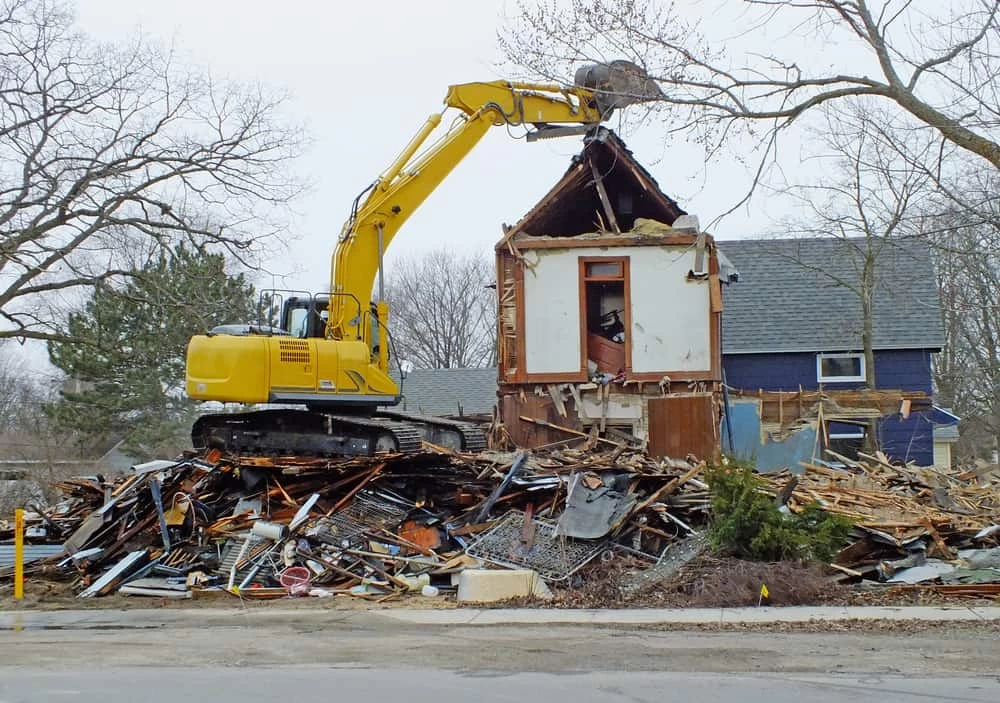
Montauk’s demolition needs don’t fit one mold. Some clients are tearing down a 1,200-square-foot fishing cottage to build a custom home on land now worth well over a million dollars. Others need selective interior demolition for a gut renovation stripping a hotel room block or a restaurant interior down to the studs before a full rebuild. Others are dealing with storm damage and need emergency structural demo before the mold clock runs out.
We handle all of it. Full residential teardowns, commercial demolition for Montauk’s active hospitality redevelopment market, interior selective demolition, and emergency demolition following coastal storm events. Every project includes pre-demolition assessment, permit management with the Town of East Hampton, in-house asbestos abatement if needed, debris removal, and site preparation. For storm-damage projects, we work directly with your insurance company documenting damage, supporting your claim, and keeping the process moving on both fronts simultaneously.
For properties near Lake Montauk, Fort Pond, or the Atlantic shoreline, we’re also familiar with the NYS DEC coastal erosion and tidal wetlands permit requirements that can affect demolition scope and timing in Montauk’s regulated coastal zones. You won’t find out about those requirements for the first time when we’re already on-site.
Do I need a permit to demolish a house in Montauk, NY?
Yes all demolition work in Montauk requires a building permit from the Town of East Hampton Building Department. No work can legally begin until that permit is issued. The application process involves submitting project details, site plans, and in some cases a staked survey prepared by a licensed surveyor showing the clearing limitations for the property.
If your property is located within the Montauk Association Historic District, there’s an additional layer: you’ll need Architectural Review Board approval before the permit can be granted. The ARB typically requires documentation of the existing structure photographs, sometimes measured drawings and plans for proposed new construction must be submitted and approved before demolition is authorized. It’s a more involved process than most towns on Long Island, and it’s worth understanding before you start the timeline clock. We handle the permit process end-to-end, including ARB coordination when applicable.
Is asbestos testing required before demolition on older Montauk properties?
For any structure built before 1980, a pre-demolition asbestos survey is required under NYS DEC Code Rule 56 and USEPA NESHAP regulations. Given that the majority of Montauk’s residential building stock dates from the 1920s through the 1970s mid-century beach cottages, Carl Fisher-era structures, post-war fishing community homes this applies to a large share of the properties we work on out here.
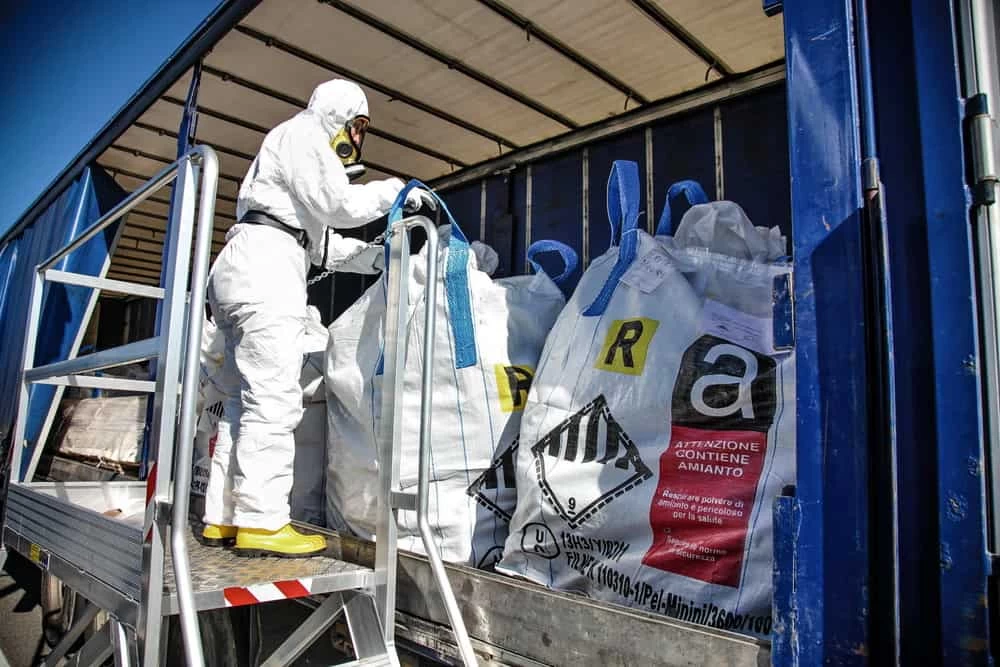
Asbestos-containing materials in these structures typically show up in floor tiles, pipe insulation, joint compound, ceiling texture, and roof underlayment. If the survey finds asbestos, abatement must be completed by a licensed contractor before demolition proceeds. Because we hold active NYS Department of Labor asbestos contractor certification and handle abatement in-house, we don’t have to pause the project and bring in a separate company. That keeps your timeline intact which matters when you’re working against an off-season window before summer occupancy.
How long does the demolition permit process take in East Hampton Town?
Permit timelines with the Town of East Hampton Building Department vary depending on project complexity, completeness of the application, and whether additional approvals are needed. For a straightforward residential demolition with a complete application, you’re typically looking at several weeks. If the property is in the Montauk Association Historic District and requires Architectural Review Board review, that adds time the ARB meets on a scheduled basis and requires submitted plans for new construction before demolition approval is granted.
The Town of East Hampton also updated its fee schedule as of May 2024, so current permit costs reflect those revised rates. The practical advice here is to start the permit process as early in the fall as possible if your goal is to complete demolition before the following summer season. Starting in October gives you a realistic runway to have permits in hand and work completed before the Route 27 summer congestion makes logistics significantly harder. We manage the permit application from the start, so you’re not navigating that process on your own.
What happens if asbestos is found during demolition on my Montauk property?
If asbestos-containing materials are discovered during demolition whether identified in the pre-demo survey or found unexpectedly once work begins all affected work stops until the material is properly abated. Under NYS DEC Code Rule 56, friable asbestos-containing waste must be handled, transported, and disposed of by a licensed abatement contractor. You cannot simply demo around it.
For contractors who don’t have in-house abatement capability, this means stopping the job, sourcing a separate licensed abatement company, coordinating schedules, and restarting often losing weeks in the process. Because we handle abatement in-house with active NYS DOL asbestos contractor certification, we contain it, abate it, document it properly, and keep the project moving. In Montauk, where the building stock makes asbestos discovery a realistic outcome on most pre-1980 structures, having that capability under one roof isn’t a bonus it’s what keeps your project on schedule.
Can you handle emergency demolition after storm damage in Montauk?
Yes and given Montauk’s documented storm history, this comes up more than you might expect. Montauk has taken direct hits from major hurricanes in 1938, 1954, 1960, 1991, and 2012, and the 2023 and 2024 winter nor’easters caused documented damage to properties across the hamlet, from downtown beaches to Ditch Plains. When a storm event damages a structure, the window between initial damage and secondary mold damage is short especially in a coastal environment with high humidity and salt air.
We offer 24/7 emergency response. We can mobilize quickly, assess the structural damage, begin emergency demolition and remediation, and simultaneously document everything your insurance adjuster will need. For seasonal property owners who are managing a Montauk home from New York City or elsewhere, that combination fast physical response plus insurance documentation support is what limits how bad a storm damage situation gets. We’ve done this before, and we know how to move on both tracks at once.
Do you handle commercial demolition for hotels and restaurants in Montauk?
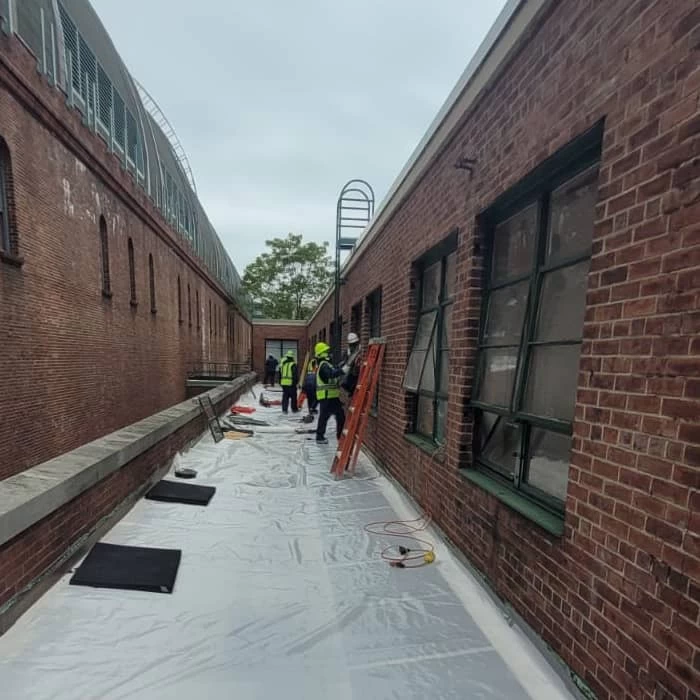
Yes. Montauk’s hospitality sector has been in an active redevelopment cycle for the better part of a decade, with resort properties, restaurants, and commercial spaces being renovated and rebuilt to meet the demands of a high-end tourism market. That means interior selective demolition, full commercial teardowns, and site preparation work for new builds all with the added complexity of business continuity timelines, commercial permit requirements, and coordination with architects and general contractors.
We have completed over 340 demolition projects in New York City alone, which means commercial-scale work with tight timelines, multiple stakeholders, and zero tolerance for delays is familiar territory. For Montauk hospitality operators, the seasonal deadline is real your property needs to be ready before Memorial Day, and that means the demo phase has to execute cleanly and on schedule during the off-season window. We understand that pressure, and we build the project timeline around it from day one.