When the Storm Decides for You, We're Already Ready
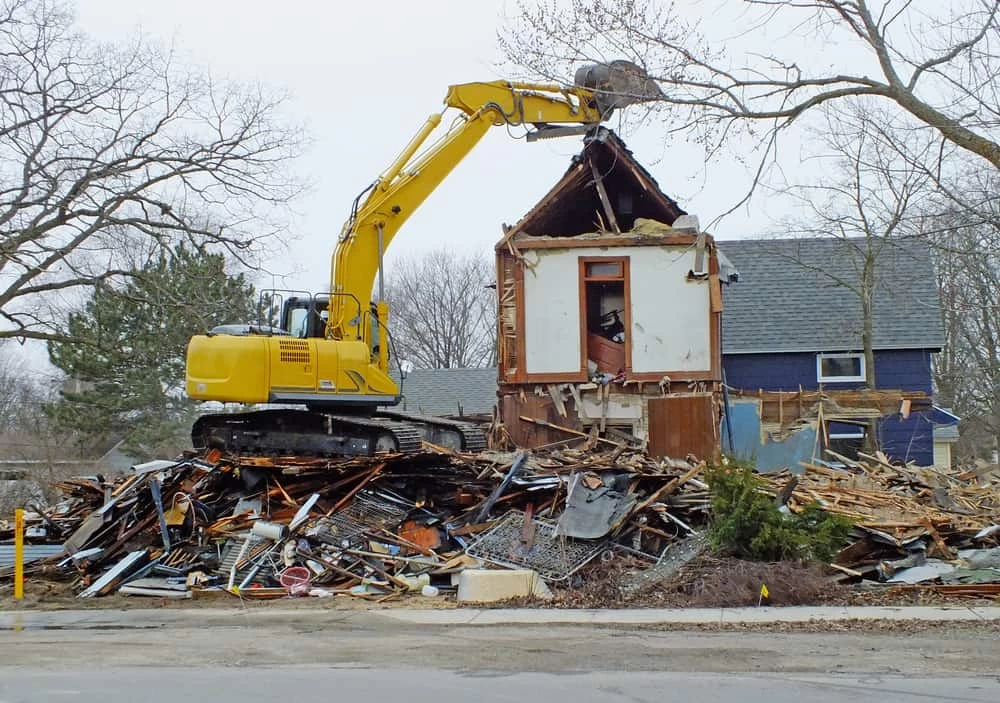
Napeague properties take a beating from nor’easters, bay flooding, and decades of coastal exposure. When a structure needs to come down, we handle demolition and every hazard that comes with it, start to finish.
I needed a professional consultation explanation of procedure for safe removal of Asbestos in my apartment complex. Without having an account yet, I was very impressed with the caring, knowledgeable and generous advice offered by Jessica, and will look forward to doing business in the future. Thank you so much! I feel much more informed about a sometimes scary endeavor. Peace. Nancy Silva Mineola, NY.
Mia Munoz
Used this company to clean up some water flood in my house. They were fast and easy to work with.very professional, Would recommend to anyone!
Nini Valle
Great company, had a flood and they responded quickly and efficiently. Billed my insurance company directly. I highly recommend this company!
joe colapietro, jr
I had pipe freeze in my basement right before a snow storm and they made to within an hour to help start the clean up process. They we by our side throughout the entire process and even helped with the insurance company. They did such a great job with the cleanup, repair, remidiation, I contracted them to perform the repairs and finishes in the basement. They came with enough manpower and material to get the job done. Leo and Jessica were nothing but a pleasure to deal with!!
Cristian Arredondo c
I had some water damage in my home and Green Island was able to take care of my issue quickly and effectively. I am very pleased with the work they did. They responded quickly and were very professional.
Michael M
Outstanding service! From the office to the field crew everyone was friendly, helpful and responsive. I highly recommend Green Island Group.
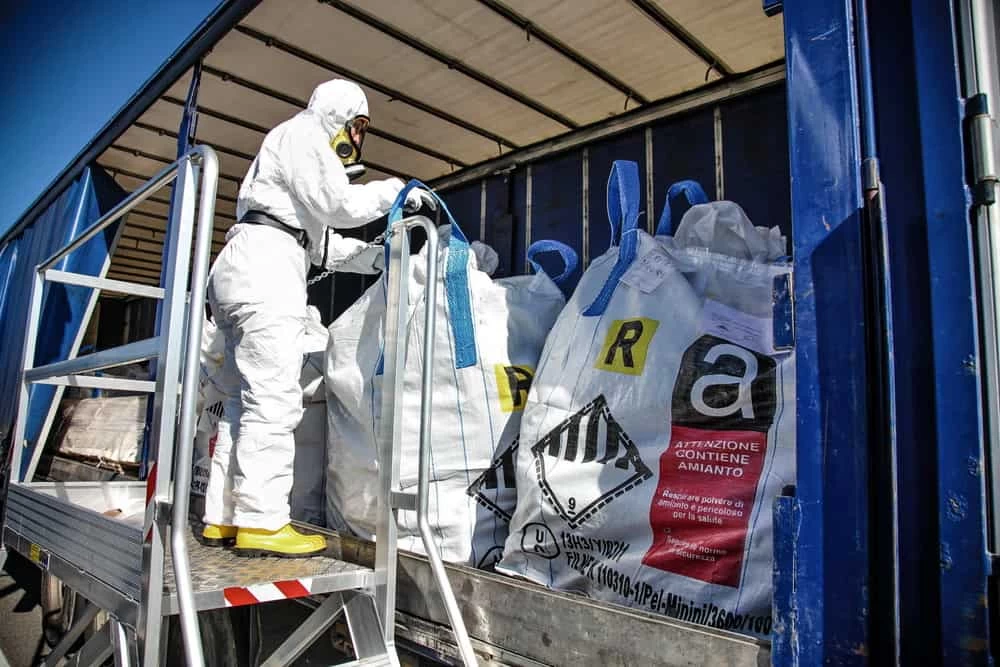
Most demolition jobs in Napeague don’t start and end with the wrecking bar. The housing stock here mid-century cottages, bay-side bungalows, structures that have been patched and raised and weathered for decades almost always carries something underneath the surface. Asbestos in the floor tiles. Lead in the old paint. An oil tank buried under the slab. When those things surface mid-project, a standard demolition contractor stops working and starts making calls. We don’t stop. Asbestos abatement, lead removal, oil tank extraction it’s all handled in-house, by the same licensed crew, on the same timeline.
That matters more in Napeague than almost anywhere else on Long Island. Your construction window is short. Between Labor Day and Memorial Day, you’ve got a narrow stretch to get the work done before the summer season locks everything back in. A project that stalls because a subcontractor isn’t available, or because a permit wasn’t pulled correctly through the Town of East Hampton, doesn’t just delay your timeline it can cost you an entire rental season. The integrated model exists because the alternative coordinating three separate contractors through one of the most regulated building departments on the East End isn’t a risk worth taking.
5,000 Projects. Zero Subcontractors for the Hard Stuff.
We’ve been doing this for over 12 years across Suffolk County, Nassau County, and the broader New York metro area more than 5,000 completed projects, including active work in the East Hampton area and throughout Napeague. We’re not a general contractor who adds demolition to the menu. Demolition, asbestos abatement, environmental remediation, and emergency response are the core of what we do, and we do it under one license, with one crew, and one point of contact.
For Napeague specifically, our experience with the Town of East Hampton’s Building Department and Natural Resources review process is worth more than it sounds. Pulling a demolition permit here isn’t the same as pulling one in central Suffolk. The staked survey requirement, the environmental review for anything near Napeague Harbor or the state park boundaries these aren’t surprises to us. We’ve navigated them before, and we’ll manage the entire permit process so you’re not learning the hard way on your own dime.
We carry $2 million in general liability insurance, hold active NYS Department of Labor asbestos contractor certification, and are available 24 hours a day, 7 days a week including genuine emergency response when a storm makes the decision for you.
From First Call to Clear Site Here's What to Expect
It starts with an assessment. Before anything is touched, our crew evaluates the structure for hazardous materials asbestos, lead paint, underground oil storage because in a community where virtually every home in Napeague predates 1980, that step isn’t optional. It’s the difference between a clean project and a stopped one. If hazardous materials are found, abatement happens first, in-house, before demolition begins. No waiting on a separate company. No gap in the schedule.
From there, we handle the permit process with the Town of East Hampton Building Department. That includes coordinating the staked survey if clearing is involved and flagging anything that triggers a Natural Resources Department review which is likely if your property sits near Napeague Harbor, the state park edge, or any designated wetland area. Most Napeague properties qualify. Getting that review right the first time keeps the project moving instead of sitting in a stop-work queue.
Once permits are in hand, the physical work begins. Structural demolition, debris removal, material recycling where applicable, and site preparation for whatever comes next new construction, elevation work, or a clean handoff to your builder. The whole process is managed by one team under one contract, which means fewer coordination headaches and a cleaner paper trail for your insurance company if you’re working through a storm damage claim at the same time.
Commercial and Residential Demolition Specialists Napeague
What's Actually Included When You Hire Us
Full structural demolition. Selective interior demolition. Asbestos and lead abatement. Underground oil tank removal. Debris hauling and material recycling. Site clearing and preparation. Emergency response for storm-damaged structures. All of it under one roof, handled by a licensed crew with the certifications to back it up.
For Napeague property owners whether you’re at Lazy Point on leased Town Trustee land, on the ocean side of Route 27, or anywhere along the Napeague Stretch the scope of a demolition project here tends to be more complex than it looks on paper. Structures built close to the water, on small lots, with decades of modifications and coastal weathering, don’t always demo cleanly. Salt-corroded materials, wind-driven structural damage, and the environmental sensitivity of working near Napeague Harbor all factor into how the job gets planned and executed. We account for all of it before the first wall comes down.
If you’re dealing with a storm-damaged property and running an insurance claim at the same time, we have a documented track record of working directly with insurance adjusters documenting damage, supporting the claim process, and helping you get what you’re owed before the rebuild begins. That’s not a side service. It’s something Napeague homeowners have specifically called out in reviews, because when a nor’easter hits the Napeague Stretch, you don’t want to be managing a contractor and an adjuster without any help.
Do I need a permit to demolish a structure in Napeague, NY?
Yes and in the Town of East Hampton, the permit process has a few steps that catch people off guard. You’ll need a building permit from the Town of East Hampton Building Department before any demolition work begins. If your project involves clearing, the application also requires a staked survey from a licensed surveyor that shows the clearing envelope for your property. That’s a non-negotiable step that adds time if you haven’t planned for it.
On top of that, if your property is near Napeague Harbor, any designated wetland, or the boundaries of Napeague State Park or Hither Hills State Park which describes most properties in the area you’ll likely need a Natural Resources Department review before the permit is issued. This isn’t a formality. It’s a real review that can slow a project down if it’s not handled correctly from the start. We manage the entire permit process, including coordinating the survey and navigating the NRD review, so you’re not figuring this out on your own while your project sits idle.
What happens if asbestos is found during demolition of my Napeague property?
In Napeague, asbestos isn’t really an “if” it’s a “where.” The housing stock here is predominantly pre-1980, which means asbestos in pipe insulation, floor and ceiling tiles, roofing materials, and joint compound is a realistic expectation on almost every project. The original Lazy Point cottages date back to the early 1900s. The post-war beach bungalows on the ocean side of Route 27 aren’t much newer. Age alone makes asbestos a near-certainty.
When it’s found, work doesn’t stop. We hold an active NYS Department of Labor asbestos contractor certification, which means abatement is handled in-house by the same licensed crew already on your project. We follow NYS Industrial Code Rule 56 and federal USEPA NESHAP requirements for notification and removal. The materials are properly contained, removed, and disposed of and the project keeps moving. For a homeowner working within Napeague’s compressed off-season construction window, having abatement handled in-house instead of waiting on a separate contractor can be the difference between finishing before Memorial Day and losing the summer.
How does your company handle storm-damaged properties in Napeague?
Storm damage in Napeague isn’t a hypothetical. Properties along Mulford Lane in Lazy Point have lost roughly 50 feet of beach depth over the past 15 years. Multiple homes have been destroyed or severely compromised by nor’easters and coastal flooding. When a storm causes structural damage that makes a building unsafe or uninhabitable, the response needs to be fast and it needs to be documented properly from the start if an insurance claim is involved.
We operate 24 hours a day, 7 days a week, and have documented rapid response times during weather events. When we arrive at a storm-damaged property, we assess what’s structurally sound, what needs to come down immediately for safety, and what needs to be preserved for the insurance adjuster’s review. We work directly with insurance companies documenting damage, supporting the claims process, and helping homeowners get the coverage they’re entitled to before any demolition begins. If you’re dealing with a damaged structure and a claim at the same time, having one contractor who handles both sides of that conversation is a real advantage.
Can a demolition contractor work on Lazy Point properties with leased Town Trustee land?
Yes, but the contractor needs to understand the specific conditions that come with working on Lazy Point. Most homes in Lazy Point sit on land owned by the East Hampton Town Trustees, with homeowners holding long-term leases many of which were extended to 35-year terms in April 2019 specifically to allow residents to secure improvement financing. The structures are privately owned, but the land underneath is not, and any work on those properties needs to comply with both the Town of East Hampton’s building permit requirements and the terms of the lease.
For a demolition contractor, this means ensuring all permits are properly filed with the Town of East Hampton Building Department, that the contractor is fully licensed and insured (the Trustees require it), and that any work near the water accounts for the environmental sensitivity of Napeague Harbor. We carry $2 million in general liability insurance, hold active NYS DOL asbestos contractor certification, and have existing experience navigating the Town of East Hampton’s permit process including the Natural Resources Department review that’s typically required for properties this close to the water.
How long does a demolition project typically take in the East Hampton area?
The physical demolition work itself depending on the size and condition of the structure can range from a single day for a small cottage or accessory structure to a week or more for a larger, more complex property. What actually drives the timeline in Napeague is the permit process, not the demolition itself. The Town of East Hampton Building Department review, the staked survey requirement, and any Natural Resources Department review for properties near protected areas can add several weeks to the front end of a project if they’re not managed proactively.
The practical advice for Napeague homeowners is to start the permit process well before you want work to begin. If you’re targeting completion before Memorial Day which is the goal for most seasonal owners and anyone with summer rental income at stake you should be initiating the permit process no later than late winter. We handle the permit coordination from the start, which removes the learning curve and keeps the process moving on a realistic timeline rather than stalling out while paperwork catches up.
Does your company serve Napeague, NY even though it's on the far East End of Long Island?
Yes. We serve all of Suffolk County, which includes the Town of East Hampton and its hamlets Napeague among them. We have an active service presence in the East Hampton area, including dedicated asbestos abatement work in this jurisdiction, which means we’re not encountering the Town of East Hampton Building Department for the first time on your project.
The drive from our Bohemia headquarters to Napeague via Route 27 is roughly 60 to 70 miles and yes, that’s the Napeague Stretch, the same two-lane corridor that backs up in summer and sits between two state parks with no alternative route. We know what it takes to schedule equipment delivery and debris hauling around Route 27’s seasonal realities. For emergency response storm damage, structural compromise, anything that can’t wait we’re available 24 hours a day, 7 days a week, with response times that have been specifically called out in customer reviews. Distance from central Suffolk doesn’t change that.