When the House Has History, the Demo Has to Be Done Right
Orient’s homes don’t just have age they have layers. Asbestos, lead paint, historic district permits, Trustees approvals. We handle all of it, so your demolition project doesn’t stall before it starts.
I needed a professional consultation explanation of procedure for safe removal of Asbestos in my apartment complex. Without having an account yet, I was very impressed with the caring, knowledgeable and generous advice offered by Jessica, and will look forward to doing business in the future. Thank you so much! I feel much more informed about a sometimes scary endeavor. Peace. Nancy Silva Mineola, NY.
Mia Munoz
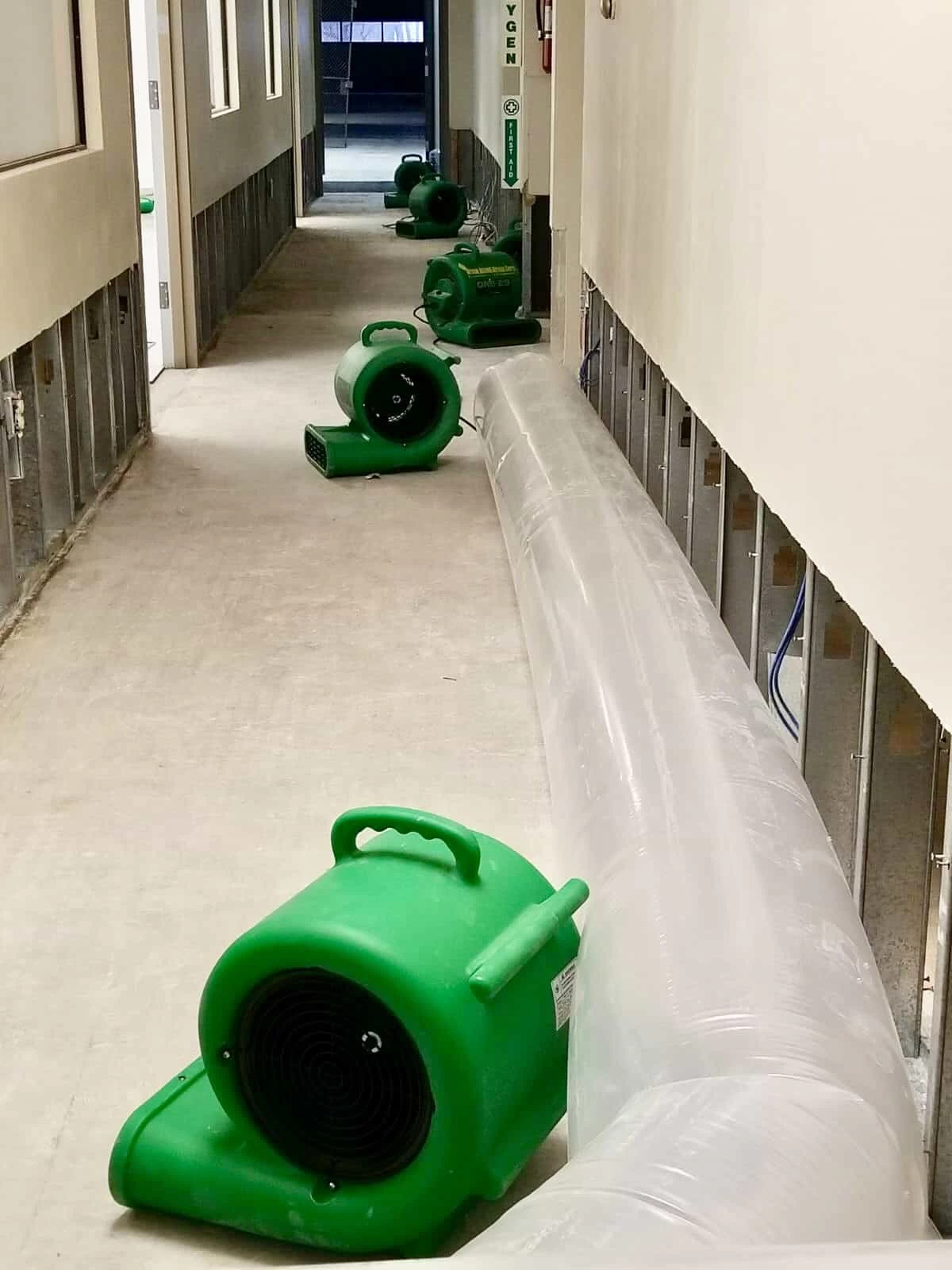
Used this company to clean up some water flood in my house. They were fast and easy to work with.very professional, Would recommend to anyone!
Nini Valle
Great company, had a flood and they responded quickly and efficiently. Billed my insurance company directly. I highly recommend this company!
joe colapietro, jr
I had pipe freeze in my basement right before a snow storm and they made to within an hour to help start the clean up process. They we by our side throughout the entire process and even helped with the insurance company. They did such a great job with the cleanup, repair, remidiation, I contracted them to perform the repairs and finishes in the basement. They came with enough manpower and material to get the job done. Leo and Jessica were nothing but a pleasure to deal with!!
Cristian Arredondo c
I had some water damage in my home and Green Island was able to take care of my issue quickly and effectively. I am very pleased with the work they did. They responded quickly and were very professional.
Michael M
Outstanding service! From the office to the field crew everyone was friendly, helpful and responsive. I highly recommend Green Island Group.
What Changes When You Have the Right Contractor Running Your Orient Demo
Orient is not a typical Long Island job. You’re at the end of a 25-mile peninsula, served by one road, surrounded by water on three sides, and working with some of the oldest housing stock in Suffolk County. That combination creates real complexity and most contractors don’t find out until they’re already on site.
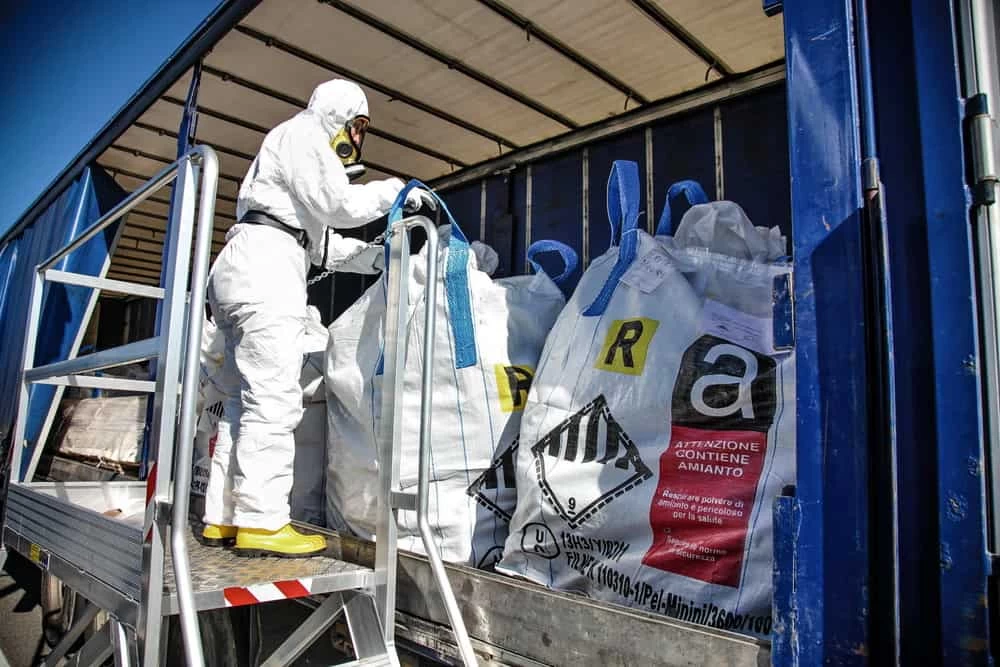
When asbestos turns up mid-demo in a home that’s been in a family for three generations, a contractor who can’t handle abatement in-house has to stop everything. That means delays, a second mobilization, and a project that costs more than it should have. We hold active NYS Department of Labor asbestos certifications and handle abatement directly no subcontractors, no gaps, no surprises that blow up your timeline.
For properties along Orient Harbor, Gardiner’s Bay, or the Sound, there’s another layer: Southold Town Trustees permitting. That’s a separate approval process from the standard building permit, and it applies to any work near the waterfront in Orient. Knowing that going in and handling it as part of the project is the difference between a smooth job and a stop-work order nobody saw coming.
12 Years In, 5,000 Projects Deep We Know What Orient Needs
We’re based in Bohemia, Suffolk County the same county as Orient. That matters more than it sounds. We know what Southold Town’s Building Department looks for, how the Historic Preservation Commission review process works for properties in the Orient Historic District, and what it actually takes to run a demolition project at the end of Route 25 when there’s no alternate route and no margin for logistical error.
Over 12 years and more than 5,000 completed projects across Long Island and New York City, we’ve built the operational depth that handles what Orient throws at a job: century-old building materials, waterfront regulatory layers, and premium properties where the cost of a mistake isn’t abstract.
We’re fully insured, carry $2M+ in general liability coverage, hold active NYS DOL asbestos certifications, and are MWBE certified. We also work directly with insurance companies which matters significantly for Orient homeowners managing coastal storm damage from a distance.
No Guesswork Here's Exactly How We Run a North Fork Demo
It starts with an assessment. Before any permits are pulled or equipment moves, we walk the property and identify what’s there structural conditions, potential hazmat materials, proximity to wetlands or waterfront, and any historic district considerations that affect how the project gets approved. In Orient, that last part matters. Properties within the Historic District require a certificate of appropriateness from the Southold Town Historic Preservation Commission before a demolition permit is even issued. We handle that coordination upfront, not as an afterthought.
Once permits are in order, we handle hazmat testing and abatement if needed asbestos, lead paint, mold before demolition begins. That sequencing is required by New York State and it’s the right way to run a job. We don’t skip steps to move faster and create liability for you later.
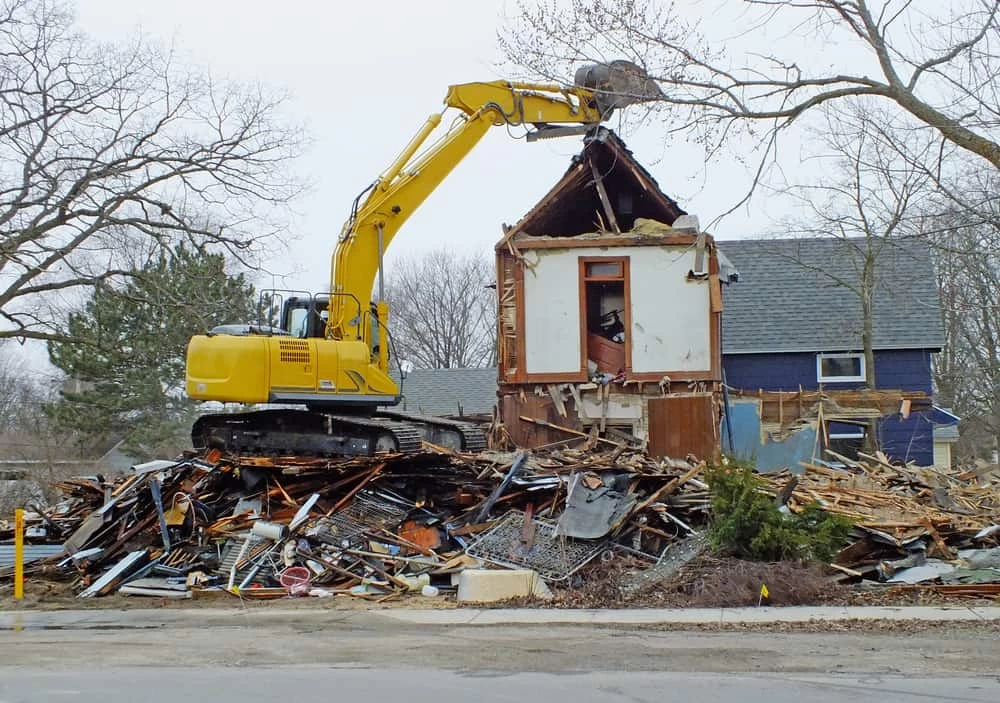
Demolition itself is executed based on the scope: full teardown, selective interior demo, or structural removal while preserving a historic exterior envelope. When the work is done, we handle all debris removal and site cleanup. Given that Route 25 is the only road in or out of Orient, we plan hauling logistics carefully so it doesn’t become a problem. You get a clean site, ready for whatever comes next.
Orient properties tend to need more than a wrecking crew. The median home here has layers of history behind the walls and the regulatory environment around demolition is more involved than most Suffolk County communities. What you get with us is a contractor who covers the full scope without handing pieces of it off to vendors you’ve never met.
That includes asbestos abatement, lead paint removal, mold remediation, full structural demolition, selective demolition, interior gut-outs, and complete debris removal. For waterfront properties along Gardiner’s Bay or Orient Harbor, we manage the Southold Town Trustees permit process alongside the standard building permit because both are required, and skipping one creates real legal exposure. For properties within the Orient Historic District, we coordinate with the Historic Preservation Commission before work begins, not after a stop-work order forces the issue.
If your project is insurance-driven storm damage, flooding, fire we work directly with your insurance company to document the damage, align on scope, and keep the claim process moving in parallel with the physical work. For Orient homeowners who aren’t on-site year-round, that kind of single point of contact isn’t a convenience. It’s what makes the project manageable from wherever you are.
Do I need a special permit to demolish a structure in Orient's Historic District?
Yes, and it’s an additional step that catches a lot of property owners off guard. In Orient, any demolition work on a designated landmark or within the Historic District requires a certificate of appropriateness from the Southold Town Historic Preservation Commission before the Building Department will issue a demolition permit. This isn’t the same as the standard permit process it’s a separate review that evaluates whether the proposed demolition is appropriate given the property’s historic character and the surrounding district.
The timeline for HPC review varies depending on the scope of work and when the next commission meeting is scheduled. If you’re planning a project in the Orient Historic District, that review window needs to be factored into your overall timeline from the start. Contractors who don’t know this process exists or who treat it as a minor formality tend to create delays that push projects weeks or months past the original schedule. We handle this coordination as a standard part of how we manage Orient projects.
What happens if asbestos is found during demolition of my Orient property?
In New York State, if asbestos-containing materials are discovered during demolition, work must stop in the affected area until a licensed abatement contractor addresses the material safely. This is a legal requirement, not a contractor preference. The issue is that most demolition companies aren’t licensed for asbestos abatement which means they have to call in a separate firm, remobilize, and add days or weeks to your project while you wait.
We hold active NYS Department of Labor asbestos contractor certification and handle abatement in-house. When asbestos turns up and in Orient, where the majority of homes predate 1980 and many were renovated during the mid-20th century with asbestos insulation, floor tiles, and roofing materials, it’s a realistic possibility on almost any job we don’t stop the project. We transition directly into abatement, contain and remove the material in compliance with state regulations, and continue demolition without bringing in a second contractor. That keeps your timeline intact and your costs predictable.
Does my waterfront property in Orient need a Trustees permit for demolition work?
Most likely, yes. The Southold Town Trustees have jurisdiction over any work within their regulated area generally within 100 feet of wetlands, tidal water, or the shoreline. Orient is surrounded by water on three sides, so a significant portion of the hamlet’s properties fall within that jurisdiction. If your property fronts Long Island Sound, Gardiner’s Bay, Orient Harbor, or any tidal creek, you’ll need a Trustees permit in addition to the standard Southold Town Building Department permit before demolition can begin.
The Trustees also have specific restrictions on what can happen to demolition debris near the waterfront construction and demolition materials cannot be used as backfill behind bulkheads, for example. These aren’t obscure technicalities; they’re enforced. We manage the Trustees permit process as part of how we run waterfront demolition projects in Orient, so you’re not discovering these requirements mid-job when stopping work is the only option.
How long does a demolition permit take to get approved in Southold Town?
Standard demolition permits through the Southold Town Building Department typically take a few weeks, depending on the completeness of the application and the current volume of submissions. If your property is in the Orient Historic District, add the Historic Preservation Commission review to that timeline the HPC meets on a set schedule, and your application needs to be submitted and reviewed before the Building Department will move forward. That can add several weeks depending on where your project falls relative to the commission’s meeting calendar.
For waterfront properties that also require Trustees approval, that’s a third review process running in parallel. The Trustees meet regularly, but their review timeline depends on the scope of work and whether a site inspection is required. The practical takeaway is this: if you’re planning a demolition project in Orient and you want it done before summer, you need to start the permit process in late winter. We help you sequence all of this from the beginning so nothing stalls at the approval stage.
Can a demolition contractor in Orient handle storm damage on an emergency basis?
Yes and given Orient’s position at the tip of the North Fork, surrounded by water on three sides, that capability matters more here than in most communities. Nor’easters, coastal flooding, and storm surge events are a recurring reality in Orient. When a structure is damaged to the point where it poses a safety risk or needs to come down before restoration can begin, waiting until the next business day isn’t always an option.
We operate 24/7 and respond to emergency demolition calls around the clock. For Orient homeowners who aren’t on-site year-round which describes a significant portion of the hamlet’s property owners that response speed is critical. We’ve had customers call during active storms and been on site within an hour. We also work directly with insurance companies, which means if your emergency demolition is tied to a claim, we’re handling the documentation and adjuster coordination alongside the physical work. You don’t have to manage both from a distance.
How much does residential demolition typically cost for an Orient, NY property?
Demolition costs in Orient run higher than the Suffolk County average, and there are real reasons for that. The age of the housing stock means hazmat assessment and potential abatement are almost always part of the scope asbestos testing alone adds to the upfront cost, and abatement adds more if materials are found. Permit fees for Southold Town, plus potential HPC and Trustees review fees for historic district or waterfront properties, are additional line items that don’t apply in most other communities. And the logistics of working at the end of Route 25 the only road in or out of the North Fork’s eastern tip factor into mobilization.
For a standard residential demolition in Orient, costs typically range from $8,000 to $25,000+ depending on structure size, scope, hazmat findings, and permitting complexity. Interior gut-outs or selective demolition on smaller structures will fall toward the lower end. Full teardowns of larger historic homes with waterfront permitting requirements will be on the higher end. We provide detailed, itemized quotes that account for Orient’s specific variables upfront so the number you see at the start is the number you’re working with, not a floor that grows during the job.