I needed a professional consultation explanation of procedure for safe removal of Asbestos in my apartment complex. Without having an account yet, I was very impressed with the caring, knowledgeable and generous advice offered by Jessica, and will look forward to doing business in the future. Thank you so much! I feel much more informed about a sometimes scary endeavor. Peace. Nancy Silva Mineola, NY.
Mia Munoz
Used this company to clean up some water flood in my house. They were fast and easy to work with.very professional, Would recommend to anyone!
Nini Valle
Great company, had a flood and they responded quickly and efficiently. Billed my insurance company directly. I highly recommend this company!
joe colapietro, jr
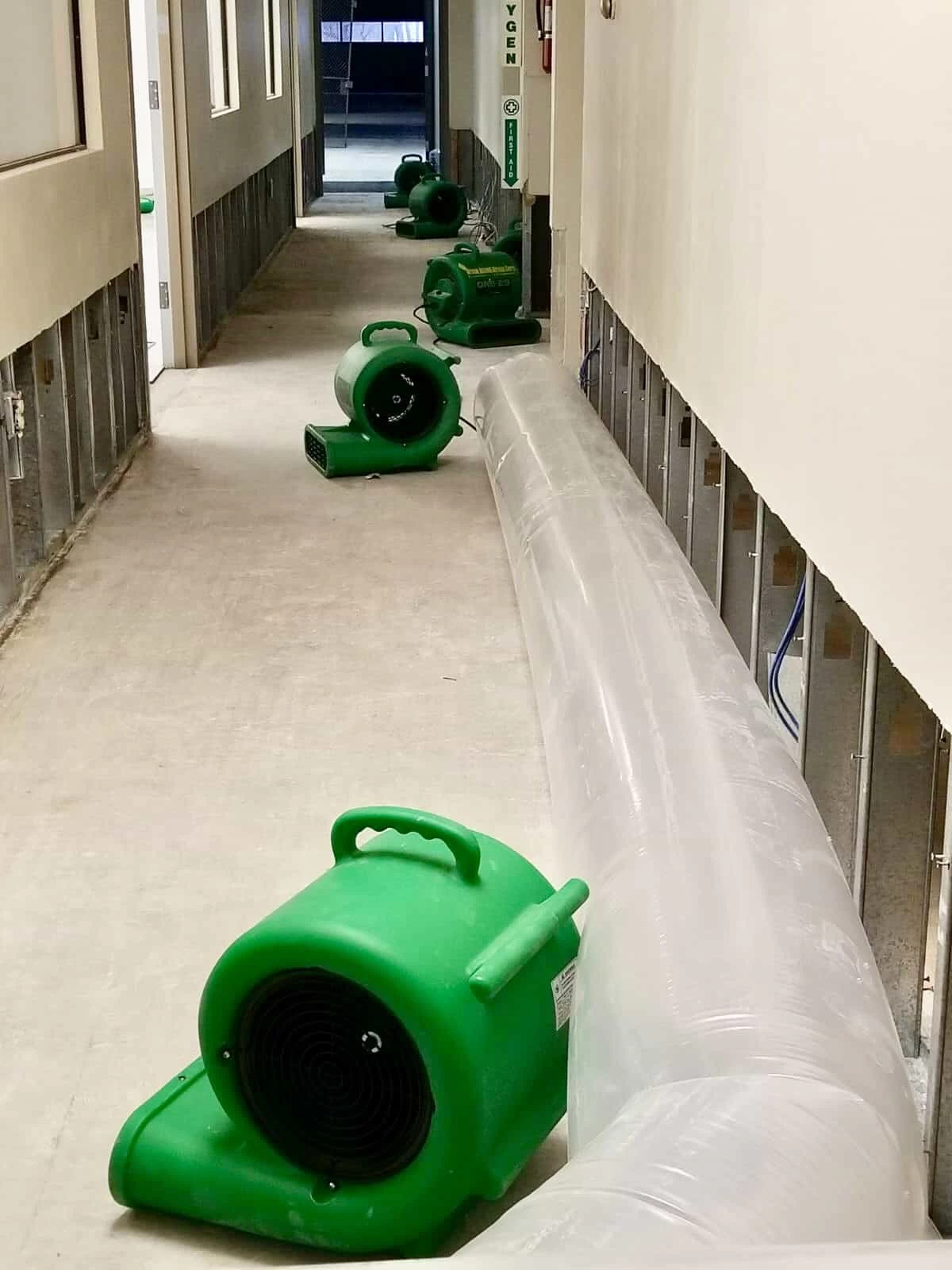
I had pipe freeze in my basement right before a snow storm and they made to within an hour to help start the clean up process. They we by our side throughout the entire process and even helped with the insurance company. They did such a great job with the cleanup, repair, remidiation, I contracted them to perform the repairs and finishes in the basement. They came with enough manpower and material to get the job done. Leo and Jessica were nothing but a pleasure to deal with!!
Cristian Arredondo c
I had some water damage in my home and Green Island was able to take care of my issue quickly and effectively. I am very pleased with the work they did. They responded quickly and were very professional.
Michael M
Outstanding service! From the office to the field crew everyone was friendly, helpful and responsive. I highly recommend Green Island Group.
A Clean Site, Zero Surprises, and No Regulatory Headaches
Most demolition projects in Remsenburg don’t fall apart because of the demolition itself. They fall apart because of what nobody planned for an asbestos discovery behind original plaster walls, a Wetlands Permit that nobody knew was required for that bayfront lot on Moriches Bay, or a Historic Landmark Committee review that adds 45 days to a permit timeline nobody budgeted for. When those surprises hit a contractor who isn’t equipped to handle them, your project stops. Timelines collapse. And you’re left managing the fallout from Manhattan.
Remsenburg’s housing stock is genuinely old. Homes along South Country Road and Basket Neck Lane date back generations, and a significant share of the hamlet’s structures were built well before asbestos was phased out of residential construction. The right contractor accounts for it upfront, assesses it properly, and handles it without stopping the clock on your project.
What you’re left with after a properly managed demolition is simple: a clean, compliant site, documented and permitted correctly, ready for your builder to break ground. No open permits. No unresolved hazmat. No calls from the Southampton Building Department. Just a site that’s ready to become whatever you’re building next.
Licensed Demolition Contractors Serving Remsenburg, NY
Suffolk County-Based, and We Know Southampton's Rules Cold
We’re headquartered in Bohemia right here in Suffolk County and have been handling demolition, asbestos abatement, and environmental remediation across Long Island for over 12 years. That’s more than 5,000 completed projects, and a lot of them have been exactly the kind of complex, regulation-heavy work that Remsenburg properties tend to require.
We’re not a national franchise learning Southampton Town’s permit process on your project. We already know the Town of Southampton Building Department’s demolition checklist. We know that waterfront properties near Moriches Bay need a Wetlands Permit or Letter of Non-Jurisdiction before work begins. We know that structures built before 1941 trigger a Historic Landmark Committee referral and that the review window is 45 days. We account for all of it before we ever submit an application.
Our asbestos abatement team is licensed through the NYS Department of Labor, and we carry the full liability insurance required for demolition work in New York. When something comes up mid-project and on older East End homes, something often does we handle it in-house, without stopping your timeline.
What Actually Happens From First Call to Final Clearance
The first step is a site assessment. We come out to the property, walk the structure, and identify anything that needs to be addressed before demolition begins asbestos, lead paint, structural conditions, proximity to wetlands. For Remsenburg properties near Moriches Bay or the tidal creeks running through the hamlet, that assessment includes a clear-eyed look at whether a Wetlands Permit is required. Getting ahead of it early is what keeps your project on schedule.
From there, we handle the permit process with the Town of Southampton Building Department. That means pulling the certified deed copy from the Suffolk County Clerk, coordinating the electrical and gas disconnections with PSEG and National Grid’s Riverhead office, preparing the notarized hold harmless form, and for any structure built before 1941 submitting the application in a way that accounts for the Historic Landmark Committee review period. If you’re managing this project from out of town, you don’t need to be on-site for any of it.
Once permits are in hand and utilities are disconnected, demolition proceeds. Debris is handled responsibly salvageable materials are recycled where possible, and all waste is removed and disposed of in compliance with state and local regulations. What you get at the end is a clean, documented site with closed permits, ready for your next contractor to start.
Demolition Specialists in Remsenburg and Southampton Town
Every Scope We Handle, Built for East End Properties
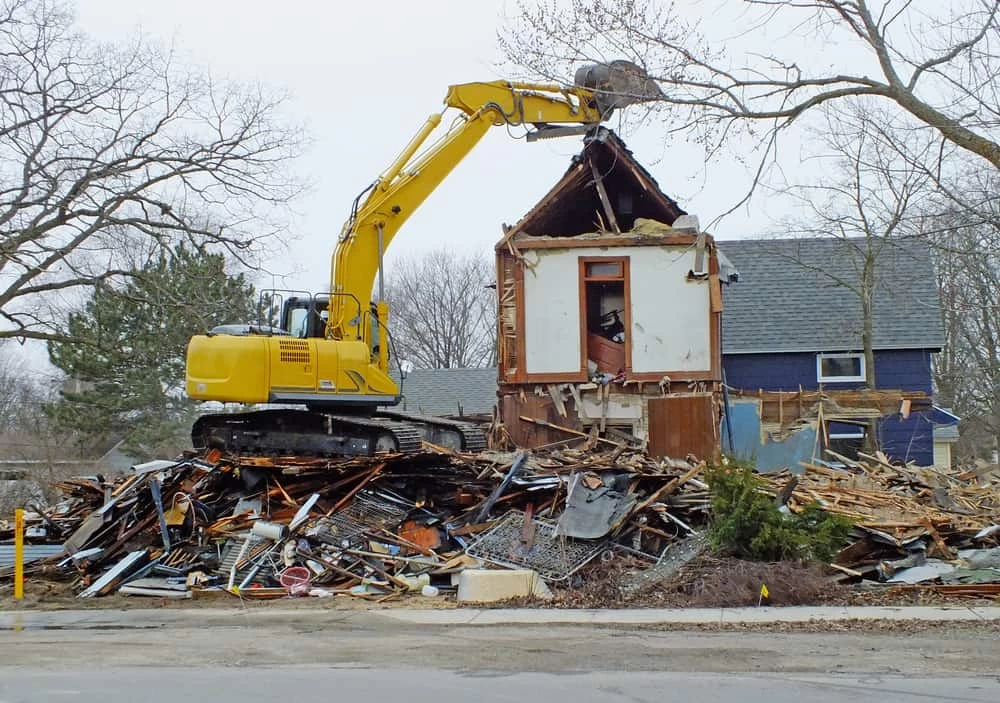
We cover the full range of residential demolition work that Remsenburg property owners actually need. Full-structure teardowns for the teardown-and-rebuild market. Interior demolition for gut renovations kitchens, bathrooms, basements, structural walls. Selective demolition for additions or partial rebuilds. Outbuilding removal for garages, pool houses, sheds, and docks. And emergency demolition response for storm-damaged or flood-compromised structures, which matters on a South Shore community with direct bay exposure.
Every project includes a hazardous materials assessment upfront. In a hamlet where homes from the 1930s, 1940s, and 1950s are common, that step isn’t optional it’s what keeps your project legally compliant and your timeline intact. Asbestos abatement, lead paint remediation, and oil tank removal are all handled in-house under our NYS DOL certifications, without subcontracting or stopping work while a second crew is scheduled.
For Remsenburg’s second-home owners managing projects remotely, we communicate throughout every phase assessments, permit status updates, work progress, and final clearance documentation. You don’t need to be on Basket Neck Lane to know exactly where your project stands. For properties impacted by coastal storms, we work directly with insurance carriers to document the scope and support your claim while the physical work gets done.
Do I need a demolition permit in Remsenburg, NY before work starts?
Yes any demolition of a structure in Remsenburg requires a permit from the Town of Southampton Building Department. The application is more involved than most people expect. You’ll need a certified copy of the deed from the Suffolk County Clerk, a notarized hold harmless form signed by every owner listed on the deed, a property survey showing all structures, and disconnect letters from both PSEG and National Grid addressed to their Riverhead office at 117 Doctors Path. You’ll also need a Highway Road Usage for Debris Permit from the Highway Department for debris transport.
If the property is near Moriches Bay or any of the tidal creeks running through the hamlet, a Wetlands Permit or Letter of Non-Jurisdiction is also required before work can begin. And if the structure was built before 1941 which applies to a meaningful number of homes in Remsenburg the application gets referred to the Town’s Historical Landmark Committee and Historic District Board, which has up to 45 days to issue a recommendation. Getting all of this right the first time is what keeps your project on track.
What happens if my Remsenburg home has asbestos before demolition?
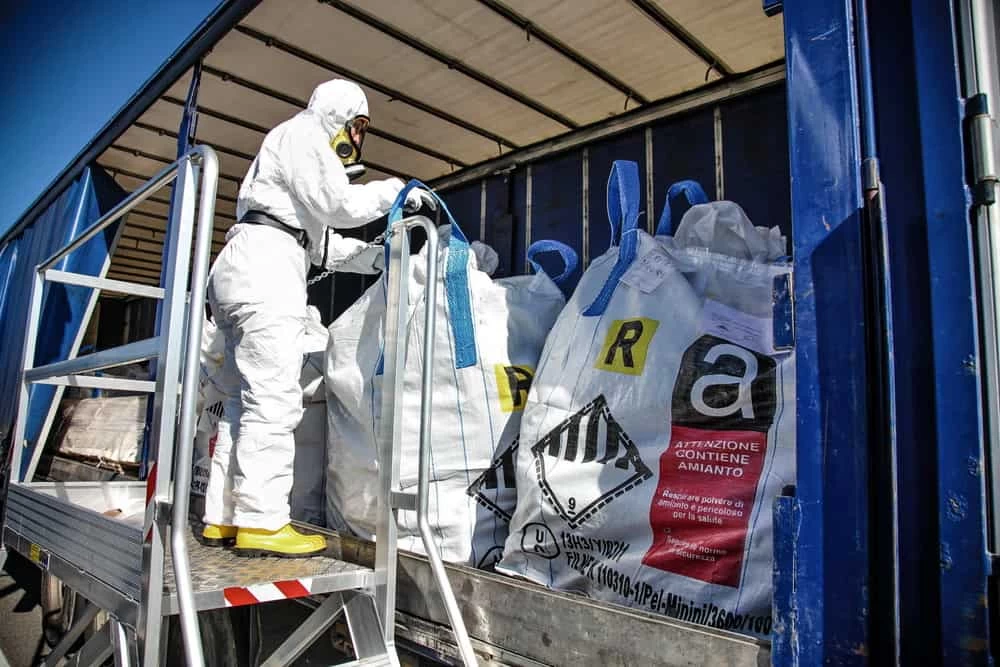
If asbestos-containing materials are found, work cannot legally proceed until they’re properly abated by a contractor licensed by the New York State Department of Labor. The Town of Southampton’s demolition permit application explicitly requires that the applicant notify the State DEP regarding asbestos and other hazardous materials it’s not something you can skip or address after the fact.
For older homes in Remsenburg, asbestos is a real possibility. Homes built before 1980 commonly have asbestos in insulation, floor tiles, ceiling tiles, pipe wrap, and roofing materials. The issue with hiring a demolition contractor who isn’t also certified for abatement is that when asbestos turns up mid-project, they have to stop, call someone else, and wait. With us, abatement and demolition are handled under the same license by the same team. The project keeps moving, and you don’t end up paying for two separate mobilizations or losing weeks to scheduling gaps between contractors.
How long does the Southampton Town demolition permit process take?
For a straightforward application with all documents in order, the Town of Southampton typically processes demolition permits within two to four weeks through their ePermits portal. The timeline gets longer if the application is incomplete missing a utility disconnect letter, an unsigned hold harmless form, or a deed copy will send it back to the start.
For structures built before 1941, add up to 45 days for the Historic Landmark Committee review. This is a mandatory referral, not optional, and the committee has the full 45-day window to respond. If your property is also near wetlands or the bay, the Wetlands Permit process runs on its own timeline and needs to be initiated early. The practical takeaway is that demolition permit timelines in Southampton Town can run anywhere from a month to three months depending on the property. The best thing you can do is start the process early and submit a complete application the first time.
How much does it cost to demolish a house in Remsenburg or Southampton Town?
The Town of Southampton charges $200 per 100 square feet of demolition for both residential and commercial work so permit fees alone on a 2,000-square-foot home run $4,000 before any contractor costs. The actual demolition cost varies based on the size of the structure, site access, debris volume, and whether hazardous materials need to be abated first.
In Remsenburg specifically, the cost factors that catch people off guard most often are asbestos abatement which adds cost but is non-negotiable if ACMs are present and the additional permitting steps for waterfront or historic properties. A bayfront lot that requires a Wetlands Permit and a pre-1941 structure that triggers historic review will cost more to permit and take longer than a straightforward inland teardown. The best way to get an accurate number for your specific property is a site assessment that accounts for all of those variables upfront, before anything is submitted or scheduled.
Can a demolition contractor handle both the teardown and asbestos removal?
Yes but only if they hold the right certifications for both. In New York State, asbestos abatement requires a specific license from the Department of Labor, separate from a general contractor’s license. Not every demolition contractor has it, and not every contractor who says they’re “licensed” is licensed for asbestos work specifically.
The reason this matters practically is that if you hire a demolition contractor who isn’t certified for abatement, and asbestos is found during the project, they legally cannot continue until a certified abatement contractor comes in and clears it. That means two separate mobilizations, two separate schedules to coordinate, and a gap in your timeline that can stretch for weeks. We hold active NYS DOL asbestos contractor certifications, so abatement and demolition are handled in-house by one team under one contract. For Remsenburg’s older housing stock, where pre-1980 construction is common, that integrated capability isn’t a nice-to-have it’s what keeps your project moving.
Does Green Island Group handle emergency demolition after storm damage in Remsenburg?
Yes. Remsenburg’s position on Moriches Bay on Long Island’s South Shore means nor’easters and tropical storms are a recurring reality. When a storm compromises a structure whether it’s flooding in a basement, a roof collapse, or a building that’s been rendered structurally unsafe waiting days for a contractor isn’t always an option. We operate 24 hours a day, seven days a week, and that includes genuine emergency response.
For storm-damaged properties, we also work directly with insurance carriers throughout the process. That means helping document the scope of damage, communicating with adjusters, and making sure the work performed aligns with what the insurance company needs to process the claim. For Remsenburg second-home owners who are managing a storm damage situation remotely from New York City, having a contractor who handles both the physical work and the insurance coordination on your behalf makes a significant difference in how quickly and cleanly the situation gets resolved.