Historic District Rules. Zero Surprises on Your Project.
Sag Harbor’s demolition permits don’t work like anywhere else on Long Island and the wrong contractor will cost you weeks before the first wall comes down. We know this village’s ARB process, its dual-town permit structure, and its older housing stock. We handle it all in-house.
I needed a professional consultation explanation of procedure for safe removal of Asbestos in my apartment complex. Without having an account yet, I was very impressed with the caring, knowledgeable and generous advice offered by Jessica, and will look forward to doing business in the future. Thank you so much! I feel much more informed about a sometimes scary endeavor. Peace. Nancy Silva Mineola, NY.
Mia Munoz
Used this company to clean up some water flood in my house. They were fast and easy to work with.very professional, Would recommend to anyone!
Nini Valle
Great company, had a flood and they responded quickly and efficiently. Billed my insurance company directly. I highly recommend this company!
joe colapietro, jr
I had pipe freeze in my basement right before a snow storm and they made to within an hour to help start the clean up process. They we by our side throughout the entire process and even helped with the insurance company. They did such a great job with the cleanup, repair, remidiation, I contracted them to perform the repairs and finishes in the basement. They came with enough manpower and material to get the job done. Leo and Jessica were nothing but a pleasure to deal with!!
Cristian Arredondo c
I had some water damage in my home and Green Island was able to take care of my issue quickly and effectively. I am very pleased with the work they did. They responded quickly and were very professional.
Michael M
Outstanding service! From the office to the field crew everyone was friendly, helpful and responsive. I highly recommend Green Island Group.
Your Timeline Stays Intact. Your Project Stays Compliant.
Sag Harbor isn’t a typical demolition market. When your property sits within the Historic District or in one of the village’s mid-century neighborhoods like Sag Harbor Hills, Azurest, or Ninevah there are layers to this process that most contractors simply aren’t prepared for. The Board of Historic Preservation and Architectural Review has real authority here. If a contractor skips that step or doesn’t flag it upfront, your project stalls before it starts.
Then there’s the building stock itself. The homes along the waterfront, the older structures off Division Street, the mid-century houses in the SANS neighborhoods most of them were built before 1980. That means asbestos in the floor tiles, the insulation, the roofing materials. It’s not a maybe. It’s a near-certainty in this zip code. When a contractor without in-house abatement capability hits that discovery, everything stops. A second company has to be called in. Your timeline blows up.
When you work with a demolition specialist who handles permits, asbestos abatement, lead paint removal, and site compliance under one roof, none of that becomes your emergency. The project keeps moving. You get a clean site, a documented process, and no calls from the village building department asking why work started before approvals were in place.
12 Years In. 5,000 Projects Deep. Still Accountable.
We are a Suffolk County-based environmental and demolition contractor that has been doing this work for over 12 years across more than 5,000 completed projects. We’re not a national franchise with a local phone number we’re based in Bohemia, we serve the East End regularly, and we maintain a dedicated presence in the Sag Harbor market.
What makes us different here isn’t just experience it’s what we carry under one license. Asbestos abatement, lead paint removal, mold remediation, and full demolition services are all handled in-house. For a village like Sag Harbor, where the housing stock predates 1980 on most blocks and where the permit process involves the village building department, the ARB, and either the Town of Southampton or East Hampton depending on which side of Division Street you’re on that integrated capability isn’t a bonus. It’s the whole point.
We hold active NYS Department of Labor asbestos certifications, carry $2M+ in general liability coverage, and are MWBE-certified. Our 4.7-star rating reflects what real customers have experienced fast response, clear communication, and a crew that shows up and follows through.
From ARB Approval to Clean Site Here's the Process
Every demolition project in Sag Harbor starts the same way: a thorough site assessment. Before any permits are pulled or any work is scheduled, we walk the property, evaluate the structure, and identify any materials that require testing or special handling. In a village where pre-1980 construction is the norm, that assessment almost always includes asbestos screening. We handle that testing ourselves no third-party delays, no waiting on another company’s schedule.
Once the scope is clear, we manage the permit process. In Sag Harbor, that means coordinating with the Village Building Department and, where required, submitting an application to the Board of Historic Preservation and Architectural Review. If your property is a contributing structure in the Historic District and with roughly 870 contributing buildings in the village, there’s a real chance it is ARB approval has to come before a building permit is issued. We know that process. We flag it early, prepare the documentation correctly, and don’t let it catch you off guard.
After approvals are in place, the physical work begins. Whether it’s a full teardown, selective interior demolition, or a structure that needs careful handling to preserve a historic exterior envelope, our crew works cleanly and on schedule. When the job is done, you get a documented, compliant site ready for whatever comes next.
Every Hazmat Risk in This Village Handled In-House
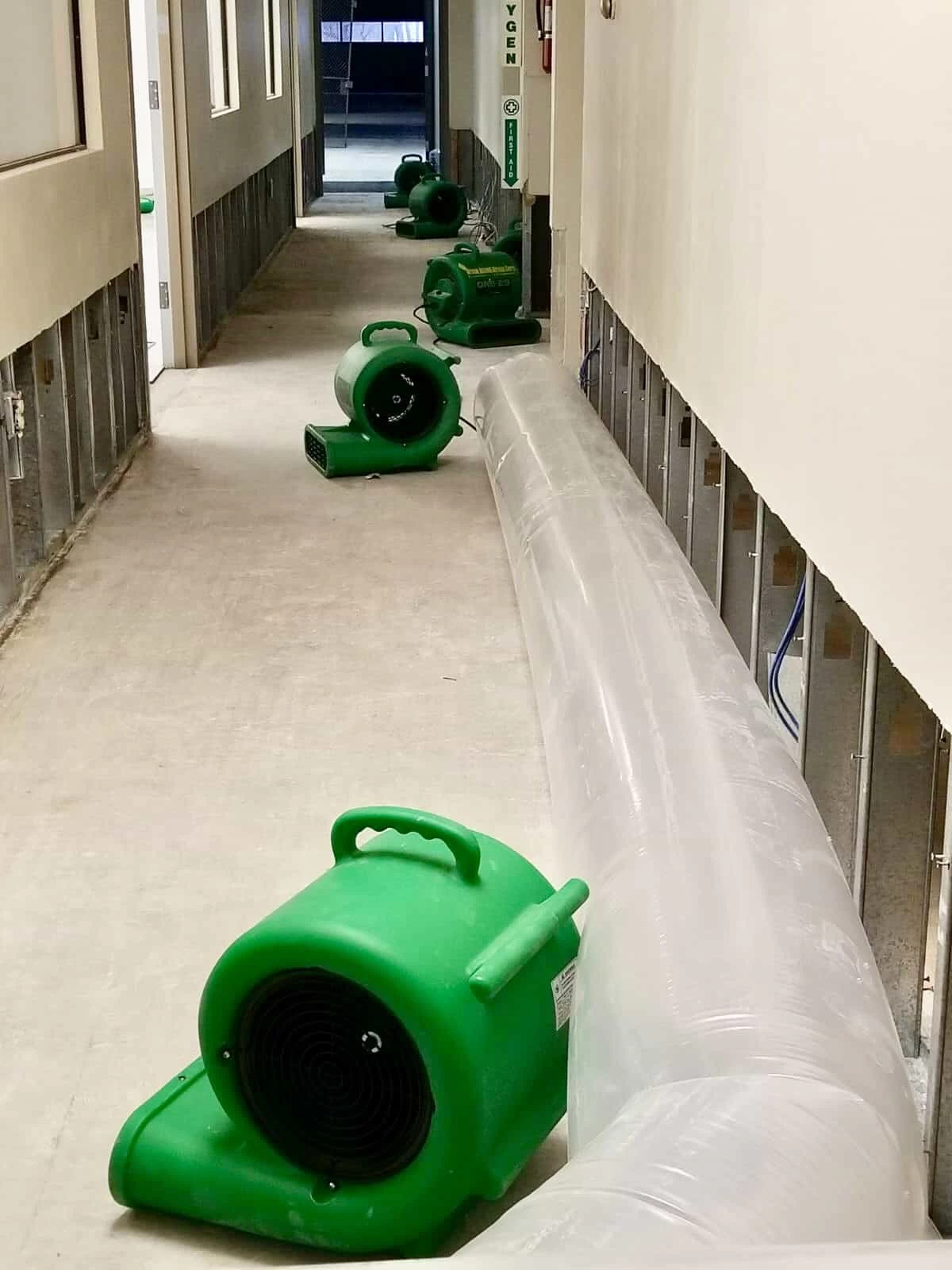
Sag Harbor’s coastal location on Gardiners Bay and its older building stock create a specific combination of risks that most demolition contractors aren’t equipped to handle in one visit. Salt-air deterioration accelerates material breakdown in waterfront structures. Chronic tidal flooding in areas like West Water Street and the Redwood neighborhood drives mold growth inside walls and under floors. Homes in the SANS Historic District many built between the 1940s and 1970s routinely contain asbestos in their original floor tiles, pipe insulation, and roofing materials. These aren’t edge cases. They’re standard conditions for demolition work in this village.
We handle all of it under one roof. Asbestos abatement, lead paint removal, mold remediation, and full or selective demolition are all performed by our licensed crews no subcontracting, no handoffs, no gaps in accountability. For residential teardown-and-rebuild projects, historic district interior renovations, or commercial properties along the Main Street and waterfront corridor, you get one contractor managing the entire scope from hazmat clearance to final site prep.
We also work directly with insurance companies on storm and flood damage claims a real consideration in a village with a formal Tidal Flood Hazard Overlay District and a documented history of flooding during major weather events. If your project is insurance-triggered, we help document the damage, communicate the scope, and keep the claim moving alongside the physical work.
Do I need ARB approval before starting demolition in Sag Harbor's Historic District?
Yes and this is one of the most important things to understand before hiring any contractor for demolition work in Sag Harbor. The village’s Board of Historic Preservation and Architectural Review has legal authority over demolition applications affecting contributing buildings and landmarks within the Historic District. For those structures, a certificate of appropriateness from the ARB must be issued before the Village Building Department can even process your demolition permit. Skipping this step doesn’t just slow things down it can result in a stop-work order after the project has already started.
With approximately 870 contributing buildings in the Sag Harbor Village District, a large percentage of properties in the village core fall under ARB jurisdiction. For demolitions involving a landmark or any structure 3,000 square feet or larger, a mandatory public hearing is required. A contractor who doesn’t know this or doesn’t flag it to you before the project begins is going to cost you time and money. We handle the ARB application process as part of our permit management, so nothing gets started before the right approvals are in place.
Is asbestos testing required before demolition work begins in Sag Harbor, NY?
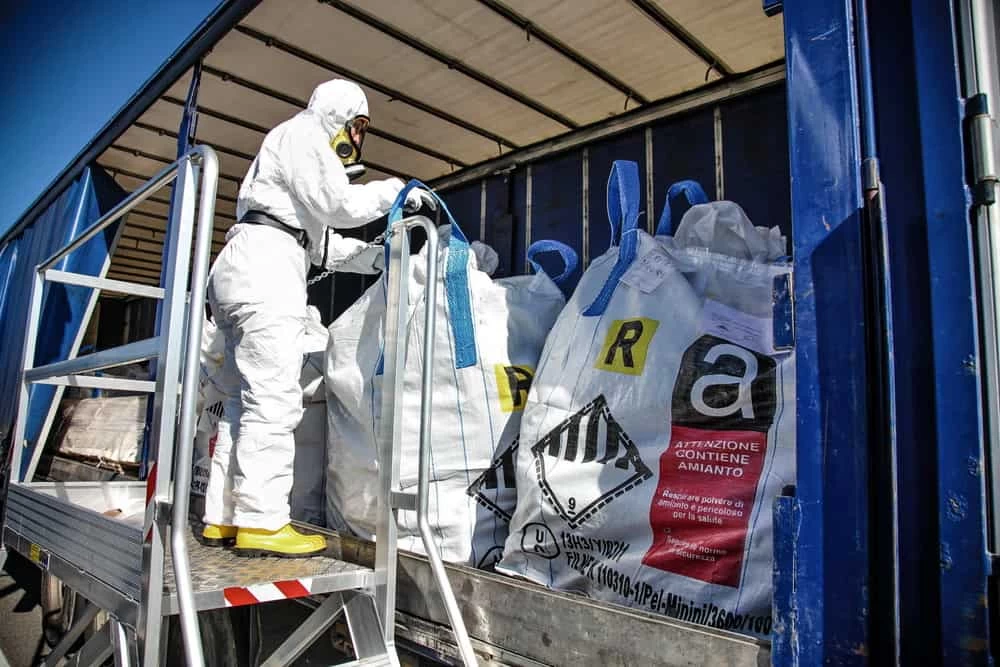
Yes, and in Sag Harbor it’s less of a precaution and more of a near-certainty. New York State requires professional asbestos testing before any demolition or renovation work that may disturb asbestos-containing materials. The penalties for skipping it fines, stop-work orders, and potential criminal liability are serious. But beyond the legal requirement, the practical reality in Sag Harbor is that the majority of the village’s housing stock was built before 1980, when asbestos was commonly used in floor tiles, pipe insulation, joint compound, roofing shingles, and siding.
Homes in the SANS neighborhoods Sag Harbor Hills, Azurest, and Ninevah were predominantly built between the 1940s and 1970s, which puts them squarely in the highest-risk window. Waterfront properties with decades of salt-air exposure can have deteriorated materials that increase the risk of fiber release during demolition. We perform asbestos testing and abatement in-house under active NYS Department of Labor certifications. If testing confirms the presence of asbestos, we handle remediation before demolition proceeds no project stoppage, no second contractor, no gap in your timeline.
My property sits on Division Street which town's permit process applies to my demolition?
This is a genuinely common source of confusion for Sag Harbor property owners, and it matters. Sag Harbor Village straddles the boundary of two townships roughly three-fifths of the village falls within the Town of Southampton, and two-fifths within the Town of East Hampton. Division Street is the approximate dividing line. Depending on which side your property sits on, you may be subject to different town-level building code requirements in addition to the village-level permit process.
In practice, this means your demolition project could require coordination with the Village Building Department, the applicable town’s building department, and if your property is in or near the Historic District the ARB as well. The Town of Southampton, for example, requires a certified copy of the most recent deed and a hold harmless form for whole-structure demolition applications. Getting this wrong means delays, rejected applications, or permits pulled for the wrong jurisdiction. We map out the full permit stack before any work begins, so you’re not discovering these requirements mid-project.
How does storm or flood damage affect the demolition process for Sag Harbor homeowners?
Sag Harbor’s location on Gardiners Bay makes coastal storm damage a real and recurring issue for property owners not a hypothetical. The village has a formal Tidal Flood Hazard Overlay District in its zoning code, and neighborhoods like West Water Street, Glover Street, and the Redwood area have documented histories of flooding during major weather events. When a nor’easter or tropical system causes structural damage, the demolition process often needs to move quickly insurance adjusters are involved, timelines are compressed, and documentation requirements are tight.
In those situations, having a contractor who handles both the physical demolition and the insurance coordination in one place makes a significant difference. We work directly with insurance companies to document damage, define scope, and keep the claim process moving alongside the actual work. We’re available 24/7 for emergency response that’s not a marketing line, it’s something our customers have experienced firsthand, including during winter storm events when a crew was on-site within an hour of the call. If your property has sustained storm or flood damage, we can assess, respond, and document everything needed to move forward.
What's the difference between full demolition and selective interior demolition for a historic Sag Harbor home?
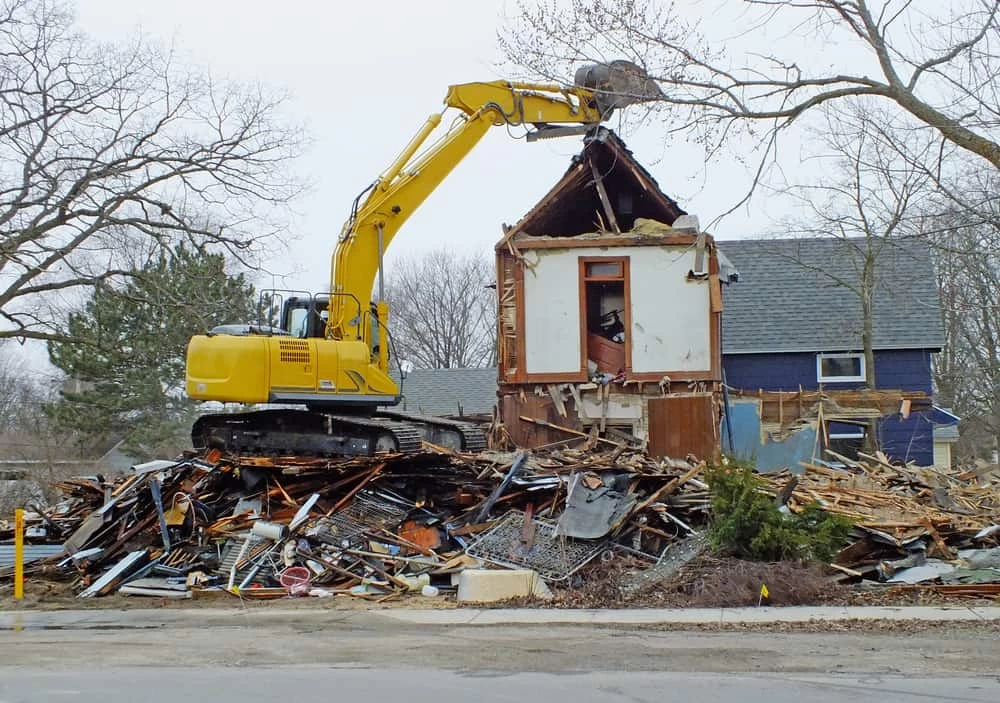
Full demolition means the entire structure is taken down to the foundation typically the approach for teardown-and-rebuild projects, which are common in Sag Harbor given the high land values and the economics of replacing older homes on desirable lots with new luxury construction. Selective interior demolition, on the other hand, means removing specific interior elements walls, floors, ceilings, mechanical systems while leaving the exterior structure intact. This is often the required approach for contributing buildings in the Historic District, where the ARB may approve interior renovation but restrict changes to the exterior character of the structure.
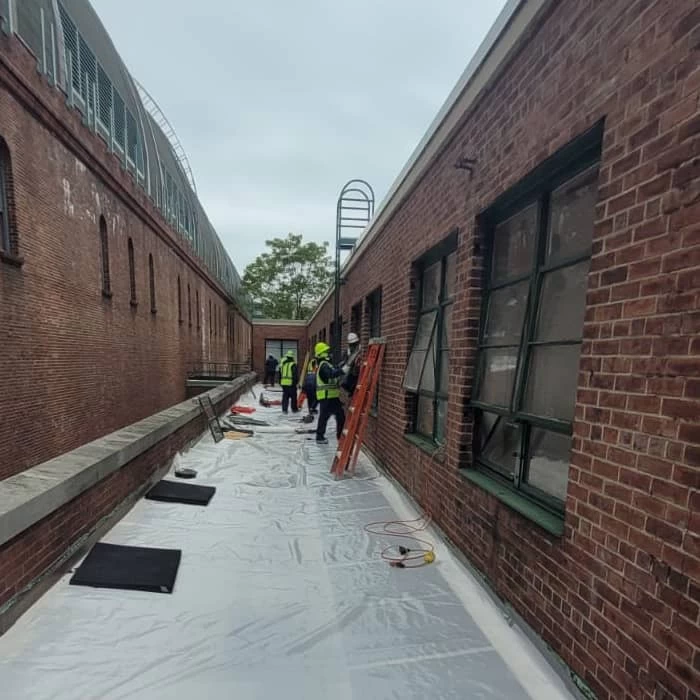
In practical terms, selective demolition in a historic Sag Harbor home requires more precision and more experience with older construction methods. Pre-1980 homes and especially pre-1940 homes, of which the village has many were built with materials and techniques that don’t behave the same way as modern construction. Plaster walls, balloon framing, original woodwork, and older mechanical systems all require careful handling. Our crews have experience with this type of work and understand the difference between what needs to come out and what needs to stay intact.
How long does a typical demolition project take in Sag Harbor from permit to completion?
The honest answer is that the timeline in Sag Harbor is almost always longer than in other Long Island communities and the permit process is the reason why. In a standard Suffolk County town, a demolition permit might be a relatively straightforward application. In Sag Harbor, you’re potentially dealing with the Village Building Department, an ARB application and public hearing, and either Southampton or East Hampton town-level requirements depending on your property’s location. That process alone can take several weeks to a few months, depending on the ARB meeting schedule and whether your application requires a public hearing.
Once permits are in place, the physical demolition itself for a typical residential structure generally takes anywhere from a few days to a couple of weeks depending on size, scope, and what’s found during the work. If asbestos or other hazardous materials are present, abatement adds time before demolition can proceed, though because we handle abatement in-house, the transition is as fast as possible. The best thing you can do for your timeline is start the permit process early especially if you’re working around Sag Harbor’s summer construction season, when the demand for licensed contractors on the East End peaks and scheduling windows tighten considerably.