Demolition Contractor in Village of the Branch, NY
When Your 1960s Home Needs to Come Down Right
Most homes in Village of the Branch were built before 1980 and that means asbestos, lead paint, and a building department that runs its own permitting process. A demolition contractor who doesn’t know that will slow you down fast.
I needed a professional consultation explanation of procedure for safe removal of Asbestos in my apartment complex. Without having an account yet, I was very impressed with the caring, knowledgeable and generous advice offered by Jessica, and will look forward to doing business in the future. Thank you so much! I feel much more informed about a sometimes scary endeavor. Peace. Nancy Silva Mineola, NY.
Mia Munoz
Used this company to clean up some water flood in my house. They were fast and easy to work with.very professional, Would recommend to anyone!
Nini Valle
Great company, had a flood and they responded quickly and efficiently. Billed my insurance company directly. I highly recommend this company!
joe colapietro, jr
I had pipe freeze in my basement right before a snow storm and they made to within an hour to help start the clean up process. They we by our side throughout the entire process and even helped with the insurance company. They did such a great job with the cleanup, repair, remidiation, I contracted them to perform the repairs and finishes in the basement. They came with enough manpower and material to get the job done. Leo and Jessica were nothing but a pleasure to deal with!!
Cristian Arredondo c
I had some water damage in my home and Green Island was able to take care of my issue quickly and effectively. I am very pleased with the work they did. They responded quickly and were very professional.
Michael M
Outstanding service! From the office to the field crew everyone was friendly, helpful and responsive. I highly recommend Green Island Group.
Licensed Demolition Services in Village of the Branch
One Call Handles the Demo, the Hazmat, and the Village of the Branch Permits
Here’s what most homeowners in Village of the Branch don’t find out until mid-project: the Town of Smithtown’s building department doesn’t handle permits for work inside the village. Village of the Branch has its own independent building department, its own inspectors, and its own process. If your contractor doesn’t know that, your project stops before it starts.
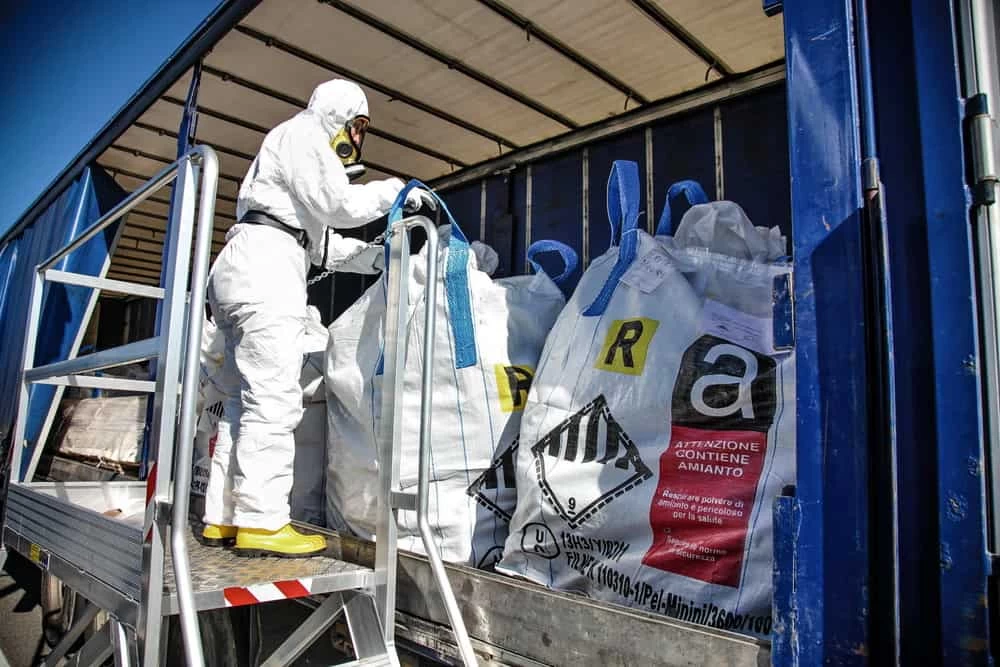
The other thing that catches people off guard is the age of the housing stock. The majority of homes here were built between the 1940s and 1980s right in the window when asbestos-containing materials and lead-based paint were standard. Before any demolition begins, a licensed assessment is required. If those materials are present above threshold levels, licensed abatement has to happen first. We handle the assessment, the abatement, and the demolition all in-house, all under one contract.
What that means for you practically: no waiting for a separate abatement company to finish before our demo crew can start. No juggling multiple contractors or timelines. The project moves as one coordinated scope, with one team accountable from the first inspection to the final debris haul.
Demolition Specialists Serving Village of the Branch, NY
Suffolk County-Based, Village of the Branch-Ready
We’re headquartered in Bohemia about 12 to 15 miles from Village of the Branch via Route 347 and Route 111. That proximity matters because we know the regulatory landscape here, including the fact that Village of the Branch operates its own building authority independent from Smithtown, and that properties near the historic district on Middle Country Road carry additional review requirements under Village Zoning Code §275-58.
We’ve been doing this work across Suffolk County for over 12 years and have completed more than 5,000 projects. We already maintain an active service presence in Village of the Branch through our asbestos abatement work here, so this isn’t new territory for us. We hold active NYS Department of Labor asbestos contractor certification, carry $2 million in general liability insurance, and are MWBE-certified. Our reviews consistently mention fast response times, direct communication, and help navigating insurance claims because that’s the standard we hold ourselves to on every job.
The Demolition Process in Village of the Branch, NY
What Actually Happens Before a Wall Comes Down in Village of the Branch
The first thing we do is assess the scope what’s being demolished, what’s staying, and what the structure contains. For any home built before 1980 in Village of the Branch, that means a licensed inspection for asbestos-containing materials and lead-based paint. This isn’t optional. It’s required by New York State under Industrial Code Rule 56 and federal NESHAP regulations, and skipping it creates serious legal and financial exposure.
If hazardous materials are found above threshold levels, abatement comes next. We handle that in-house with our own certified crews no subcontracting, no scheduling gaps. Once the structure is cleared, we pull the demolition permit through the Village of the Branch Building Department directly. Not Smithtown’s office the village’s own department, which is the only authority that can issue permits for work within the village boundaries.
Then the physical work begins. Whether it’s a full structural teardown, selective interior demolition for a renovation, or a commercial gut-out along the Route 111 corridor, we manage the work, the inspections, and the debris removal as one continuous process. When we’re done, the site is clean, compliant, and ready for whatever comes next.
Residential and Commercial Demolition Contractor, Village of the Branch
Every Job Scoped for What Village of the Branch Actually Requires
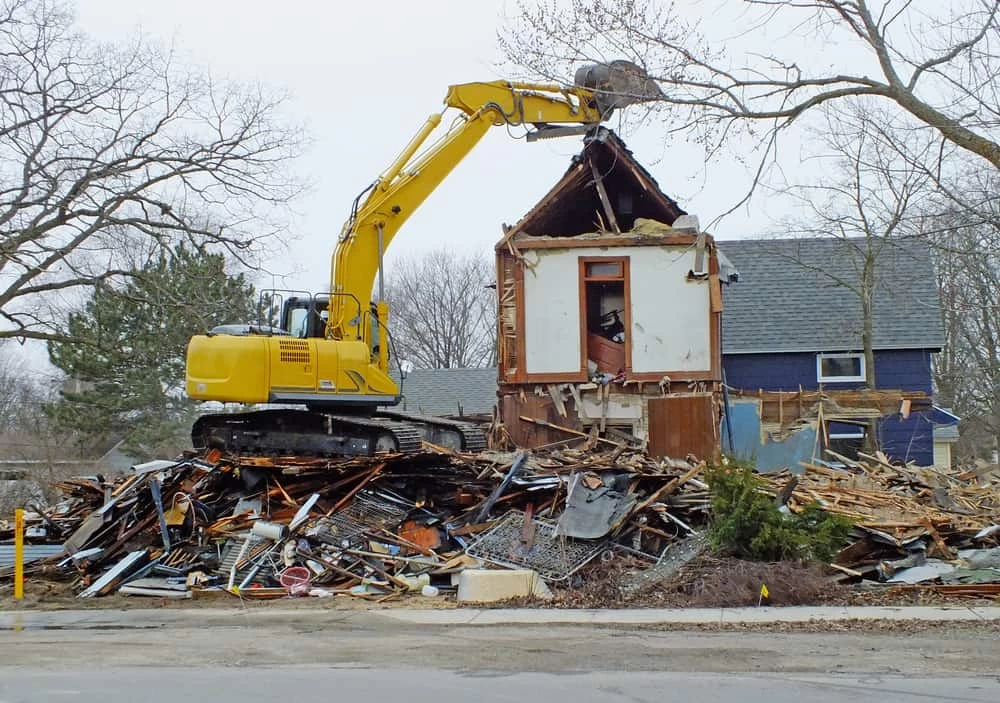
Because Village of the Branch has almost no vacant land left, every demolition project here is renovation-driven. That means full teardowns for rebuilds, interior selective demo for kitchen and bathroom renovations, basement conversions, structural additions that require partial demolition, or emergency work triggered by storm damage or a water event. We handle all of it residential and commercial.
On the residential side, the pre-1980 housing stock in neighborhoods like College Estates means hazmat assessment isn’t a maybe it’s the starting point on nearly every job. For properties near the historic district along Middle Country Road, we flag the §275-58 review requirements before work begins, not after a stop-work order lands. That kind of local code awareness is what separates a smooth project from an expensive delay.
On the commercial side, the Route 111 and Route 25 corridor includes retail centers, professional offices, and service businesses where downtime costs real money. We coordinate commercial interior demolition around your operational schedule, manage permits through Village of the Branch’s own building department, and handle hazmat clearance so you’re not dealing with a compliance issue mid-renovation. The goal is always the same: your project moves forward without surprises, and the work gets done right the first time.
Does Village of the Branch have its own permit process for demolition projects?
Yes and this is one of the most important things to confirm before you hire anyone. Village of the Branch is one of only three incorporated villages within the Town of Smithtown, and it operates its own independent Building Department. The Town of Smithtown’s building department explicitly does not accept permit applications for projects within Village of the Branch. That means your contractor needs to file directly with the Village of the Branch Building Department not Smithtown’s office.
This matters because contractors who aren’t familiar with Village of the Branch’s independent authority will file in the wrong place, and your project will stall while the paperwork gets sorted out. The village also has its own code enforcement inspectors who conduct their own inspections throughout the project. If you’re working near the historic district on Middle Country Road, there’s an additional layer of review under Village Zoning Code §275-58 that governs the alteration and demolition of historic buildings. We review these requirements before any permit is filed, so the review process is accounted for in your project timeline from the start.
Is asbestos testing required before demolition on a home in Village of the Branch?
For any home built before 1980 which covers the overwhelming majority of the housing stock in Village of the Branch a licensed asbestos inspection is required before demolition begins. New York State Industrial Code Rule 56 and federal NESHAP regulations both require it. This isn’t something you can skip or work around. If regulated asbestos-containing materials are found above threshold levels, licensed abatement must be completed before any demolition work proceeds.
The practical implication for Village of the Branch homeowners is significant. Most homes here were built between the 1940s and 1980s, the exact era when asbestos was used in floor tiles, ceiling tiles, pipe insulation, roofing materials, joint compound, and more. It’s not a rare find it’s the baseline expectation. We handle the inspection and the abatement in-house so the project doesn’t stop while you wait for a separate company to mobilize. We hold active NYS Department of Labor asbestos contractor certification and manage this as part of the standard pre-demolition process.
What happens if asbestos or lead paint is found during a demolition project?
Work stops on the affected area until licensed abatement is completed. That’s the law under both New York State and federal regulations, and it applies regardless of the scope of your project whether you’re doing a full teardown or a kitchen gut renovation. The key is knowing this before you start, not discovering it mid-project when a contractor who isn’t certified to handle it has to walk off the job.
When we find hazardous materials during the pre-demolition assessment, we handle the abatement with our own in-house certified crews. There’s no gap in the timeline while you wait for a separate abatement company to schedule and complete the work. Once the affected materials are properly removed and the area is cleared, demolition resumes. The entire sequence assessment, abatement, demolition, debris removal stays under one contract and one project timeline. For homeowners in Village of the Branch dealing with pre-1980 construction, this integrated approach is what keeps a renovation from turning into a months-long coordination headache.
How does demolition near the Village of the Branch historic district work?
The Village of the Branch Historic District runs along Middle Country Road and is listed on the National Register of Historic Places. It includes buildings dating back to approximately 1700, including the Caleb Smith II House, the Epenetus Smith Tavern, and the First Presbyterian Church of Smithtown. Village Zoning Code §275-58 specifically governs the alteration and demolition of historic buildings, and it applies to properties within and adjacent to the district boundary.
What this means practically is that demolition work near this corridor requires more than a standard permit. There may be historic preservation review involved, and additional approvals may be needed before work can begin. A contractor who isn’t aware of this regulation or who assumes the standard Smithtown permitting process covers it will create legal exposure and costly delays for you. We review the district boundaries and the applicable code requirements before any permit is filed, so the review process is accounted for in your project timeline from the start, not discovered after the fact.
How much does a demolition contractor typically cost in the Smithtown area?
Demolition costs vary widely depending on the scope of work, the size of the structure, and what’s found during the pre-demolition assessment. A selective interior demolition a kitchen gut, bathroom tear-out, or basement demo typically runs differently than a full structural teardown. For full residential teardowns on Long Island, costs generally range from $10,000 to $30,000 or more depending on square footage, site conditions, and debris disposal requirements. Interior selective demo projects can range from a few thousand dollars for a single room up to significantly more for whole-floor renovations.
The factor that most affects cost in Village of the Branch specifically is the age of the housing stock. Because most homes here were built before 1980, asbestos and lead paint assessment and potential abatement are almost always part of the equation. These aren’t add-on surprises they’re standard pre-demolition requirements that need to be priced into the project from the beginning. A quote that doesn’t account for hazmat assessment and potential abatement isn’t a complete quote. We scope projects thoroughly upfront so you know what you’re working with before any work begins.
Can a demolition contractor handle emergency work after storm damage in Village of the Branch?
Yes, and in a community like Village of the Branch on Long Island’s North Shore, directly in the path of nor’easters emergency demolition is a real and recurring need. When a major storm brings 50 mph wind gusts, a tree through a roof, or significant water intrusion, the structural damage that follows often requires immediate demolition of compromised materials before mold sets in or the structure becomes a safety hazard. Waiting until business hours isn’t always an option.
We operate 24 hours a day, seven days a week, including emergency response. We’ve documented response times of under one hour for emergency calls during active weather events on Long Island. For storm or water-damage situations, we also have direct experience working alongside insurance claims helping clients document damage, communicate with adjusters, and navigate the claim process while the physical work gets done. If you’re dealing with a damaged property and an open insurance claim at the same time, having one contractor who handles both the remediation and the demolition and who understands the insurance documentation process makes a genuinely difficult situation more manageable.