If you’re working against a summer rental deadline on Dune Road or planning a teardown in the village, you need a demolition contractor who knows Westhampton Beach the permits, the flood zones, and what’s hiding inside those older cottages.
I needed a professional consultation explanation of procedure for safe removal of Asbestos in my apartment complex. Without having an account yet, I was very impressed with the caring, knowledgeable and generous advice offered by Jessica, and will look forward to doing business in the future. Thank you so much! I feel much more informed about a sometimes scary endeavor. Peace. Nancy Silva Mineola, NY.
Mia Munoz
Used this company to clean up some water flood in my house. They were fast and easy to work with.very professional, Would recommend to anyone!
Nini Valle
Great company, had a flood and they responded quickly and efficiently. Billed my insurance company directly. I highly recommend this company!
joe colapietro, jr
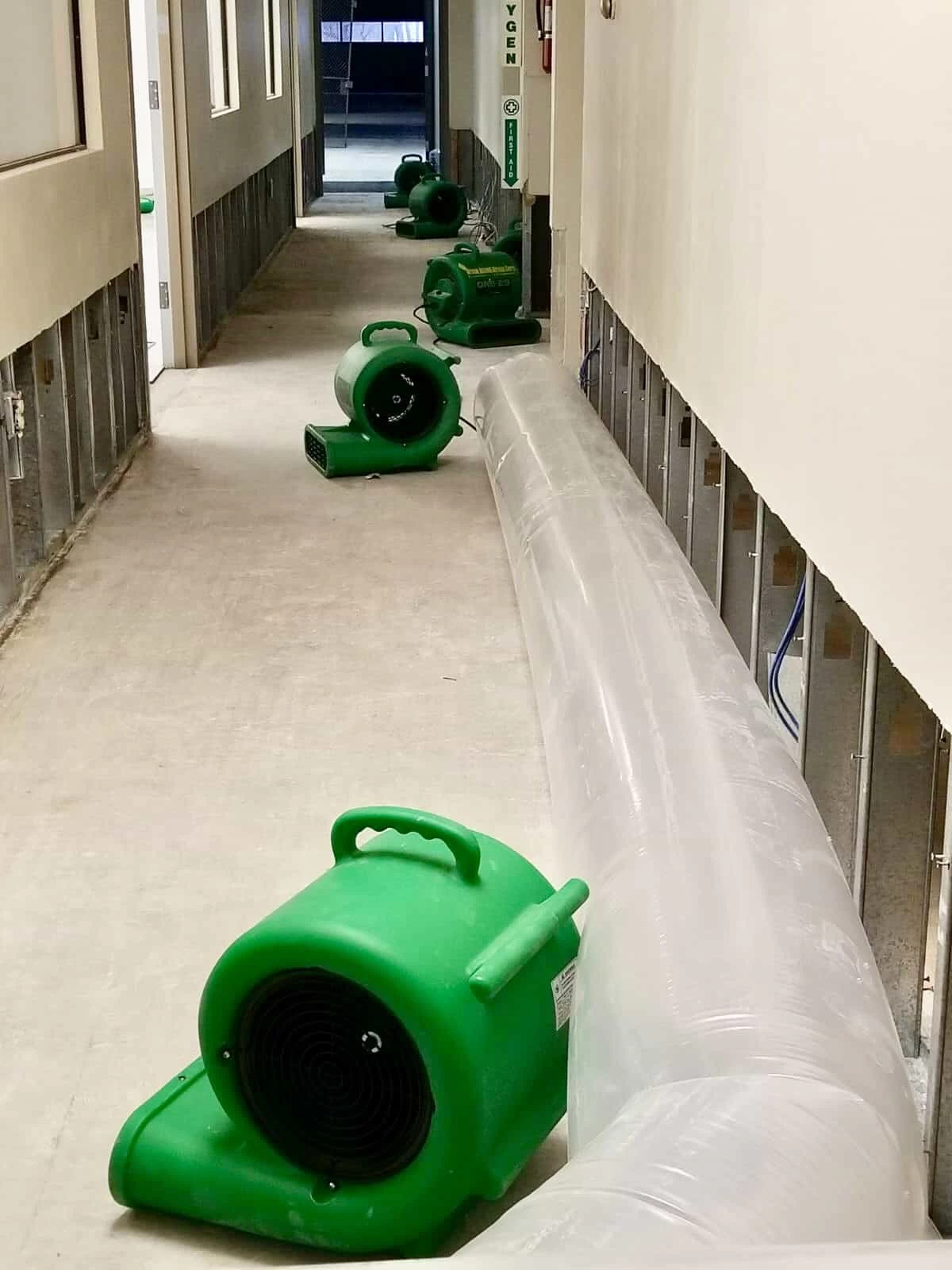
I had pipe freeze in my basement right before a snow storm and they made to within an hour to help start the clean up process. They we by our side throughout the entire process and even helped with the insurance company. They did such a great job with the cleanup, repair, remidiation, I contracted them to perform the repairs and finishes in the basement. They came with enough manpower and material to get the job done. Leo and Jessica were nothing but a pleasure to deal with!!
Cristian Arredondo c
I had some water damage in my home and Green Island was able to take care of my issue quickly and effectively. I am very pleased with the work they did. They responded quickly and were very professional.
Michael M
Outstanding service! From the office to the field crew everyone was friendly, helpful and responsive. I highly recommend Green Island Group.
No Surprises, No Stop-Work Orders, No Lost Rental Season
A lot of Westhampton Beach homeowners find out the hard way that demolition here isn’t like demolition anywhere else. You’ve got FEMA flood zone reviews, coastal erosion permits under Village Chapter 74, and a Zoning Board that enforces a strict 75-foot setback on Dune Road. Miss any of those layers and your project stalls sometimes for weeks.
Then there’s the building stock itself. A significant portion of the homes in and around Westhampton Beach were built before 1980, when asbestos was standard in floor tiles, pipe insulation, ceiling textures, and roofing materials. New York State law requires a certified asbestos survey before demolition of any structure that could contain it. If asbestos turns up mid-project and your contractor isn’t licensed to handle it, work stops completely while you wait for a separate abatement crew to get scheduled and the state’s 10-day notification clock to run out.
We handle all of it in-house permits, asbestos abatement, demolition, debris removal, and site prep. One contractor, one schedule, no coordination gap. For property owners with a hard Memorial Day deadline and rental income on the line, that’s not a small thing.
Green Island Group is a full-service demolition and environmental contractor based in Bohemia, NY central Suffolk County, right off Sunrise Highway and well within working distance of Westhampton Beach. We’ve been doing this for over 12 years, and we’ve completed more than 5,000 projects across Long Island and New York City. That includes coastal communities with the exact same regulatory layers you’re dealing with in Westhampton Beach: FEMA flood zones, coastal erosion restrictions, pre-1980 building stock, and seasonal timelines that don’t move.
We carry active NYS Department of Labor asbestos contractor certifications, $2,000,000 in general liability coverage, and NYC Department of Buildings licensure. We’re also MWBE-certified, which matters for commercial clients and public entity work in the greater Westhampton area. When you call us, you’re not getting a crew that’s figuring out the Village of Westhampton Beach Building Department for the first time.
How We Handle a Westhampton Beach Teardown From Start to Finish
It starts with a site assessment. We look at the structure, the age of the building, what’s likely inside the walls, and what the permit path looks like given your specific parcel. If you’re near Dune Road or anywhere in a FEMA flood hazard area, we factor in the Chapter 91 flood damage prevention review and the coastal erosion review under Chapter 74 from the beginning not as an afterthought.
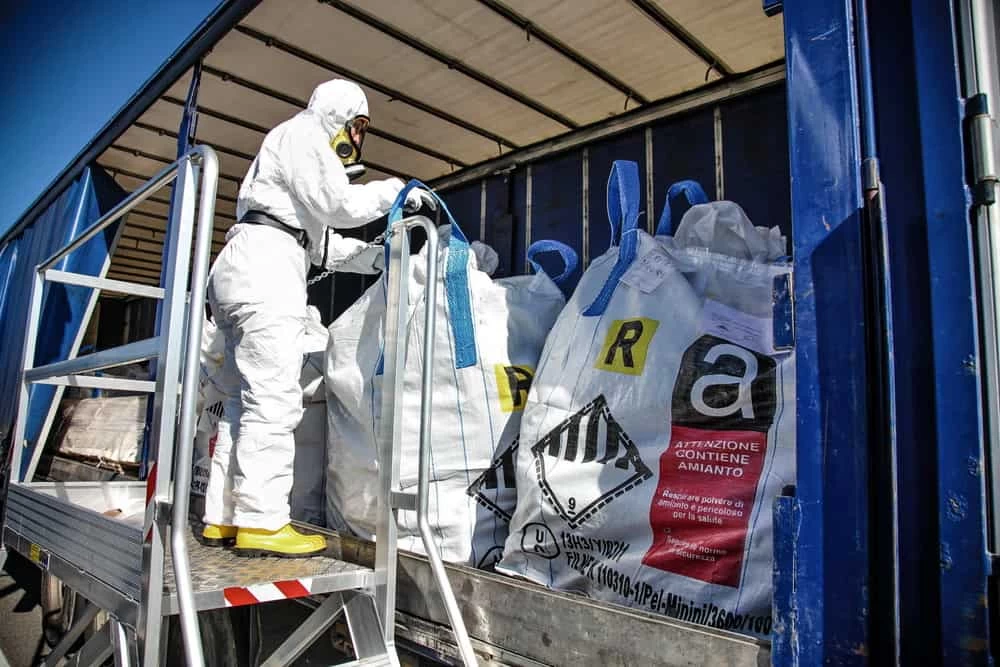
If the structure predates 1980, we coordinate a certified asbestos inspection before anything is touched. If asbestos-containing materials are found, our licensed abatement team handles it in-house. We file the required NYS DEC notifications, complete the abatement on schedule, and move directly into demolition without handing the project off to someone else. The Village of Westhampton Beach charges a $150 demolition permit fee, and flood zone review adds up to $1,000 for major projects we manage all of that paperwork on your behalf.
Once the structure is down, we handle debris removal and site prep so your architect or general contractor has a clean slate to work from. If you’re on a Memorial Day deadline, we build the schedule backward from that date and tell you upfront whether it’s achievable not after you’ve already signed a contract.
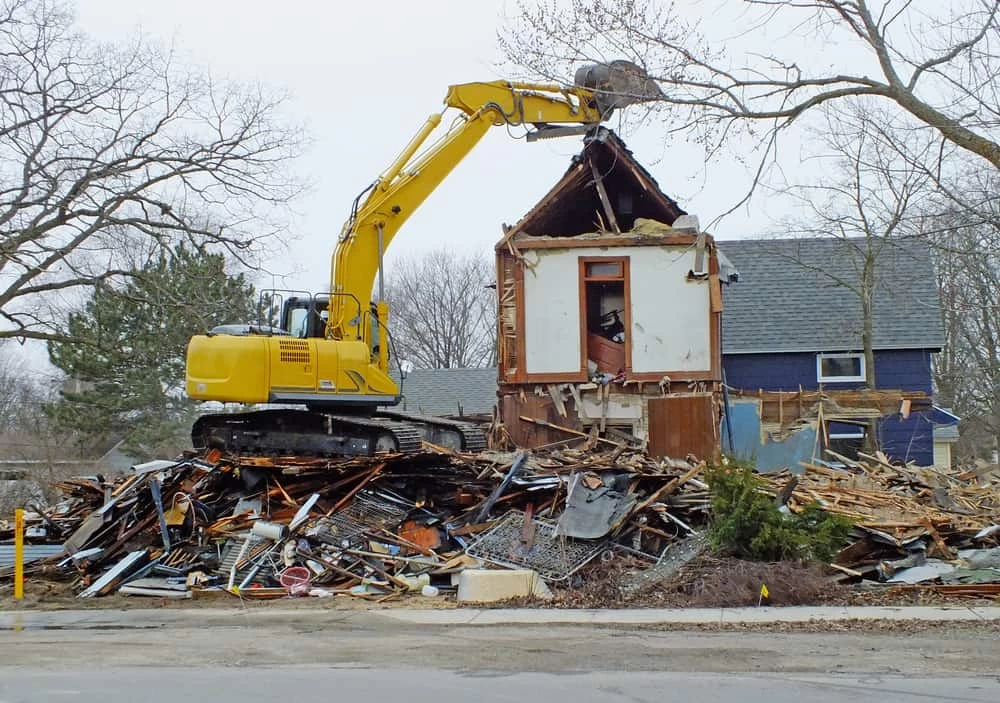
Whether you’re doing a full teardown on a pre-1980 Dune Road cottage, a gut renovation on a Main Street commercial space, or an interior demolition to prep a property for sale before the summer market heats up, the scope of what we handle doesn’t change. We do residential demolition, commercial demolition, interior selective demolition, and full structural teardowns all with the same in-house environmental capabilities regardless of project size.
For Westhampton Beach specifically, that means we’re already familiar with the village’s building department requirements, the dual permit layers that apply to properties in the coastal erosion hazard area, and the FEMA compliance documentation that has to accompany every major permit application. If your property is in a V zone or AE zone common along Dune Road and the surrounding barrier beach we know exactly what that means for how the demolition has to be documented and executed.
We also respond to emergency situations. Nor’easters, storm surge events, and hurricane damage don’t follow a business calendar, and neither do we. If a storm damages your property and you need immediate assessment and demolition to begin the insurance and rebuilding process, we’re available around the clock. Our team has helped Westhampton Beach property owners document storm damage, communicate with insurance adjusters, and move from emergency response to permitted demolition without losing weeks in the process.
Do I need a permit to demolish a house in Westhampton Beach, NY?
Yes, and in Westhampton Beach the permit process involves more than a standard demolition application. The Village Building Department requires a demolition permit, which carries a $150 fee, but that’s just the starting point. If your property falls within a FEMA flood hazard area which includes a significant portion of the village, particularly along Dune Road and the surrounding barrier beach your application also goes through a flood damage prevention review under Village Chapter 91. That review adds up to $1,000 for major renovation or new construction projects.
If your property is in the coastal erosion hazard area, you’ll also need review under Village Chapter 74, which implements New York State’s coastal erosion management law. Any site plans submitted as part of the process must be prepared and sealed by a licensed New York State engineer or architect. We manage the full permit process from start to finish, including both the flood zone and coastal erosion layers that catch a lot of contractors off guard.
Is an asbestos test required before demolition in Westhampton Beach?
Under New York State Industrial Code Rule 56, any demolition or renovation that could disturb materials suspected of containing asbestos requires a certified inspection before work begins. This applies across the board it’s not optional and it’s not up to the contractor’s discretion. Given how much of Westhampton Beach’s housing stock was built before 1980, when asbestos was commonly used in floor tiles, pipe insulation, roofing materials, ceiling textures, and drywall joint compound, this comes up on a regular basis here.
If the inspection finds asbestos-containing materials above regulatory thresholds, licensed abatement must be completed before demolition proceeds, and the New York State Department of Environmental Conservation must be notified at least 10 working days in advance. That’s a real timeline that has real consequences if a contractor skips it. We hold active NYS Department of Labor asbestos contractor certifications and handle abatement in-house, so when asbestos is found, the project doesn’t stop it pivots, on schedule, without bringing in a separate crew.
How does being in a FEMA flood zone affect my demolition project on Dune Road?
Dune Road sits on a barrier beach between the Atlantic Ocean and Moriches Bay, and most of it falls within FEMA AE or V flood zones two of the most regulated designations in the country. In these zones, any demolition followed by new construction or substantial improvement has to meet strict elevation and construction standards. The Village of Westhampton Beach’s flood damage prevention code requires structures in these zones to be elevated above base flood elevation, and in some cases requires the use of breakaway walls and other flood-resilient design features.
From a demolition standpoint, this means your permit application needs to include flood elevation certificate documentation, and the scope of the demolition itself may affect how the rebuilt structure is classified under FEMA’s substantial improvement rules. If the cost of reconstruction exceeds 50% of the structure’s pre-damage market value, the entire structure must be brought into full current flood zone compliance which changes the rebuild scope significantly. Understanding that before you start the teardown is critical. We factor all of this in during the initial assessment so there are no surprises after the structure is already down.
How long does a full demolition project take in Westhampton Beach?
The physical demolition of a typical residential structure in Westhampton Beach usually takes one to three days once the crew is on site. The longer part of the timeline is everything that happens before the equipment arrives: the asbestos inspection, abatement if needed, permit applications, and any required reviews under the village’s flood damage prevention or coastal erosion codes. Realistically, from first call to cleared site, most projects run three to six weeks depending on permit timing and whether environmental abatement is required.
For property owners working against a Memorial Day deadline which is a real and common pressure point in Westhampton Beach, where summer rental income can be worth thousands of dollars per week we build the schedule backward from your target date during the initial assessment. If the timeline is achievable, we’ll tell you exactly how. If it’s not, we’ll tell you that too, before you’ve committed to anything. Getting a straight answer on timing upfront is worth a lot more than finding out mid-project that the schedule was never realistic.
Can a demolition contractor in Westhampton Beach help with storm damage insurance claims?
Yes, and in a community like Westhampton Beach, it’s one of the more important things to ask about before hiring anyone. Nor’easters, storm surge, and hurricane damage are not hypothetical risks here they’re a recurring part of owning property on or near the barrier beach. When storm damage triggers a demolition need, the insurance claim and the physical work have to move forward together, and a contractor who can only handle one of those things creates real delays.
We’ve worked alongside insurance companies on storm-damage projects, helping property owners document damage accurately, communicate with adjusters, and move from emergency assessment to permitted demolition without losing weeks in back-and-forth. We’re available 24 hours a day for emergency response if a storm hits overnight and you need someone on site the next morning, that’s a call we can take. Getting the documentation right from the beginning protects your claim and keeps the rebuild process on track.
What's the difference between a residential and commercial demolition contractor in Westhampton Beach?
The core skills overlap, but the regulatory and logistical demands are different enough that it matters which type of work a contractor has actually done. Residential demolition in Westhampton Beach teardowns, gut renovations, storm-damaged structures typically involves navigating the village building department, FEMA flood zone compliance, asbestos surveys, and coordination with an architect or general contractor for the rebuild. The stakes are high because these are often primary or secondary homes with significant personal and financial value attached to them.
Commercial demolition, like the interior buildouts happening along Main Street or the new development activity at sites like the Hamptons Technology Park north of the village, involves different permit pathways, larger debris volumes, tighter site logistics, and often tighter coordination with active neighboring businesses. We handle both. We’re licensed for residential and commercial demolition work across Suffolk County, and we carry the $2,000,000 general liability coverage that New York State requires for demolition contractors the highest tier in the state’s contractor insurance framework. That coverage applies to every project we take on, regardless of size or scope.