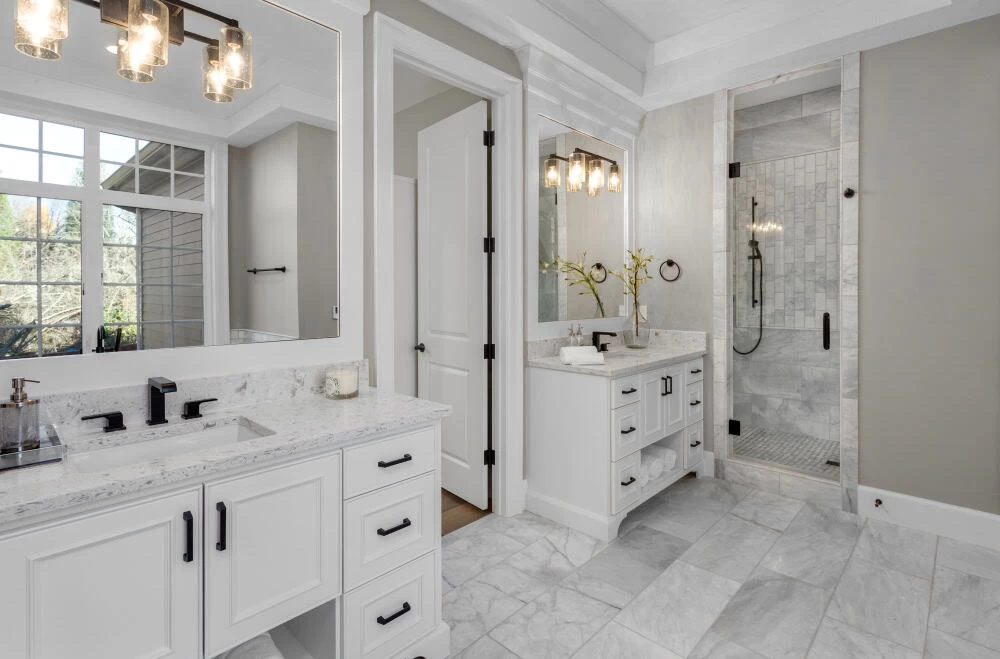
Old Field Homes Deserve More Than a Surface-Level Remodel
Behind the walls of a 1960s North Shore estate in Old Field, there’s a lot more going on than tile and grout. We handle the full picture licensed for whatever your bathroom renovation uncovers.
I needed a professional consultation explanation of procedure for safe removal of Asbestos in my apartment complex. Without having an account yet, I was very impressed with the caring, knowledgeable and generous advice offered by Jessica, and will look forward to doing business in the future. Thank you so much! I feel much more informed about a sometimes scary endeavor. Peace. Nancy Silva Mineola, NY.
Mia Munoz
Used this company to clean up some water flood in my house. They were fast and easy to work with.very professional, Would recommend to anyone!
Nini Valle
Great company, had a flood and they responded quickly and efficiently. Billed my insurance company directly. I highly recommend this company!
joe colapietro, jr
I had pipe freeze in my basement right before a snow storm and they made to within an hour to help start the clean up process. They we by our side throughout the entire process and even helped with the insurance company. They did such a great job with the cleanup, repair, remidiation, I contracted them to perform the repairs and finishes in the basement. They came with enough manpower and material to get the job done. Leo and Jessica were nothing but a pleasure to deal with!!
Cristian Arredondo c
I had some water damage in my home and Green Island was able to take care of my issue quickly and effectively. I am very pleased with the work they did. They responded quickly and were very professional.
Michael M
Outstanding service! From the office to the field crew everyone was friendly, helpful and responsive. I highly recommend Green Island Group.
What Changes When the Remodel Is Actually Done Right
Most bathroom remodels in Old Field start the same way a homeowner notices something. Grout that keeps cracking. Caulk that won’t stay sealed. A musty smell that shows up every summer no matter how many times you clean. These aren’t maintenance issues. They’re signs that moisture has been working against your bathroom for years, and a cosmetic fix won’t stop it.
Old Field’s position on Long Island Sound creates conditions that most contractors aren’t built for. The salt air off the water accelerates fixture corrosion and grout breakdown faster than you’d see in an inland suburb. The coastal humidity already elevated by Flax Pond and Conscience Bay surrounding the village means that a bathroom without proper waterproofing and ventilation isn’t just uncomfortable. It’s a mold problem waiting to happen behind walls that look perfectly fine from the outside.
When a bathroom remodel is done with those conditions in mind from day one, the difference is real. You get a space that holds up not just for the first year, but for the next decade. Finishes that don’t corrode. Grout that doesn’t crack by spring. A subfloor that stays dry. And for a home worth what yours is worth in Old Field, that’s not a luxury it’s the baseline.
Licensed for the Work. Built for Old Field and the North Shore.
We’re a full-service remodeling and restoration contractor based in Bohemia, NY about 25 minutes from Old Field via Nicolls Road and Route 25A. That proximity isn’t just geographic. Our team has worked throughout the Three Villages corridor, including Stony Brook, East Setauket, and Port Jefferson, which means we understand the housing stock in Old Field, the coastal conditions that define this area, and the permitting environment specific to this part of Suffolk County.
What sets us apart in a village like Old Field isn’t just the remodeling capability it’s what happens when demolition reveals something unexpected. We hold a Lead-Based Paint abatement license, EPA-compliant asbestos abatement credentials, and licensed mold remediation capability. In Old Field, where the majority of homes were built between the 1950s and 1980s, those licenses aren’t a footnote. They’re what keeps your project moving when another contractor would have to stop and call someone else.
Over 5,000 completed projects across New York State. Available 24/7. One team, start to finish.
It starts with a walkthrough. Before anything is quoted or scheduled, we take a close look at what you’re working with the existing layout, the plumbing configuration, the condition of the subfloor and walls, and any visible signs of moisture damage or aging materials. In an older Old Field home, this step matters more than most contractors let on. What’s behind the tile in a 1965 Crane Neck Bluffs bathroom is often different from what the surface suggests.
From there, you get a clear scope of work and a realistic timeline not the kind of timeline that assumes everything goes perfectly. Permits are pulled through the Village of Old Field’s own building department, which operates independently from the Town of Brookhaven. That distinction matters. All permit applications in Old Field require an Environmental Assessment Form, and projects near flood-prone areas may require coordination with the NYSDEC. We handle that process so you don’t have to figure it out yourself.
Once work begins, demolition is done carefully and systematically. If hazardous materials are found asbestos floor tiles, lead paint on trim, mold behind the shower wall they’re handled in-house under the appropriate licenses without stopping the job. From there, it’s framing, waterproofing, plumbing, electrical, tile, fixtures, and finish work, all under one contractor. When the final inspection is done, the village issues a Certificate of Compliance, and the project is closed out properly.
Bathroom Remodel Contractors Serving Old Field, NY
Everything Your Old Field Bathroom Renovation Actually Includes
A bathroom remodel in Old Field isn’t a one-size-fits-all job, and we don’t treat it like one. Whether you’re updating a dated master bath in a Convent Estates colonial or doing a full gut renovation on a waterfront estate near Crane Neck Point, the scope is built around what your specific home needs not a package that was designed for a different kind of house in a different kind of town.
Full gut renovations include complete demolition, subfloor inspection and repair, waterproofing membrane installation, new plumbing rough-in, electrical updates including GFCI outlets and exhaust ventilation, tile installation, vanity and fixture installation, and all finish work through final inspection. For homes with aging galvanized plumbing common in Old Field’s 1950s and 1960s subdivisions pipe replacement is addressed during rough-in rather than patched around. The coastal environment here makes proper waterproofing and ventilation non-negotiable, not optional upgrades.
When a bathroom renovation is triggered by water damage from a burst pipe during a hard freeze, storm surge after a nor’easter, or a failed sump pump we also handle the restoration side. Water extraction, drying, mold remediation, and the full rebuild all happen under one contract. For homeowners navigating an insurance claim at the same time, we have experience billing carriers directly and guiding that process from start to finish.
Do I need a permit for a bathroom remodel in Old Field, NY?
Yes and the permit process in Old Field works differently than it does in most of the surrounding area. Old Field is an incorporated village with its own building department, separate from the Town of Brookhaven. That means your permit is issued by the Village of Old Field directly, not through Brookhaven Town Hall.
Every building permit application in Old Field requires the completion of an Environmental Assessment Form a village-specific requirement you won’t find in unincorporated hamlets nearby. If your property is in or near a flood-prone area, which applies to several parts of Old Field given its coastal position along Long Island Sound and Flax Pond, you may also need a Special Permit from both the village and the NYSDEC before work can begin. Any bathroom renovation that involves plumbing relocations, electrical changes, or structural modifications will require a permit. We handle the application and coordination process so you’re not navigating an unfamiliar system on your own.
How much does a bathroom remodel typically cost in Old Field, NY?
The national average for a midrange bathroom remodel sits around $26,000, but that number doesn’t reflect what it actually costs to remodel a bathroom on Long Island’s North Shore. In Old Field specifically, a midrange full bathroom renovation typically runs between $35,000 and $55,000 once you account for Long Island labor rates, the permitting requirements of an incorporated village, and the likelihood of encountering aging materials during demolition.
Upscale renovations in Old Field particularly in larger estate homes near Crane Neck Point or along the waterfront can exceed $80,000 to $120,000 depending on scope, fixtures, and tile selections. If hazardous materials like asbestos floor tiles or lead paint are found during demolition, remediation adds to the cost, but it’s handled in-house rather than requiring a separate contractor and a project pause. The most useful thing you can do before budgeting is get a walkthrough done on your specific home the variables in an older Old Field property make ballpark estimates less reliable than a real assessment.
What happens if asbestos or lead paint is found during bathroom demolition?
This comes up more often than most homeowners expect, especially in Old Field. The village’s residential subdivisions were built primarily between the 1950s and 1980s Woodcrest Estates and Blueberry Ridge in the 1950s, Crane Neck Bluffs and Woodhull Cove in the 1960s, Convent Estates and East Gate Lane in the 1970s. Homes from those decades commonly contain 9×9 vinyl asbestos floor tiles, lead paint on trim and window casings, and other hazardous materials that were standard construction practice at the time.
When a contractor without the proper licenses encounters these materials, they’re legally required to stop work and bring in a licensed remediation company which means your project stalls, your timeline doubles, and you’re now coordinating two separate contractors. We hold a Lead-Based Paint abatement license (LBP-F122209-1) and EPA-compliant asbestos abatement credentials, so when something is found during demolition, it’s handled in-house under the appropriate licensing without stopping the job. The project keeps moving, and you don’t end up managing a situation you weren’t prepared for.
How does Old Field's coastal environment affect a bathroom remodel?
It affects more than most homeowners realize going in. Old Field sits on a peninsula surrounded by Long Island Sound, Flax Pond, Conscience Bay, and multiple beaches which means salt air, elevated coastal humidity, and tidal moisture influence are constant factors, not occasional ones. Salt air accelerates the corrosion of metal fixtures and the breakdown of grout and caulk faster than you’d see in an inland community. High humidity creates the conditions for mold to establish behind bathroom walls and under subfloors in ways that happen quickly when ventilation and waterproofing aren’t done correctly.
The right response to those conditions isn’t just better materials it’s a different approach to waterproofing, substrate selection, ventilation sizing, and fixture specification from the beginning of the project. A bathroom built for a Hauppauge ranch house isn’t built for an Old Field estate on the Sound. Our background in water damage restoration and mold remediation means we understand coastal moisture at a level that informs how we build not just how we fix things after they’ve gone wrong.
How long does a full bathroom remodel take in an older Old Field home?
For a full gut renovation in an older Old Field home, a realistic timeline is four to six weeks from permit issuance to final inspection assuming no major surprises during demolition. The permit process through the Village of Old Field’s building department adds time upfront that wouldn’t apply in an unincorporated hamlet, so planning for that administrative lead time matters.
Where timelines tend to extend is in the discovery phase when demolition reveals moisture damage, deteriorated subfloor sections, aging plumbing that needs replacement, or hazardous materials that require remediation before framing can begin. In a home built in the 1960s in a coastal environment, some version of this is common rather than exceptional. The most honest thing to say is that a contractor who gives you a firm four-week guarantee before seeing what’s inside your walls is making a promise they may not be able to keep. We build realistic timelines based on what the walkthrough actually shows, not what the best-case scenario looks like on paper.
Can a bathroom remodel be covered by homeowner's insurance in Old Field?
It depends on what triggered the renovation. Cosmetic updates and planned remodels are not covered by homeowner’s insurance those come out of pocket. But when a bathroom renovation is the result of sudden water damage a burst pipe during a hard freeze, storm surge from a nor’easter coming off Long Island Sound, a failed sump pump, or a roof leak that worked its way into a bathroom ceiling the underlying damage and necessary restoration work is typically covered under a standard homeowner’s policy.
Old Field’s coastal position makes storm-related water intrusion a realistic scenario, not a remote one. When that’s what started the project, the path from insurance claim to completed renovation can get complicated fast especially when the carrier is involved in scoping the work. We have experience working directly with insurance carriers, documenting damage correctly, and billing through the claims process so homeowners aren’t left managing that on top of an active construction project. If your remodel started as a water damage event, it’s worth having that conversation early so the claim and the renovation stay aligned from the beginning.