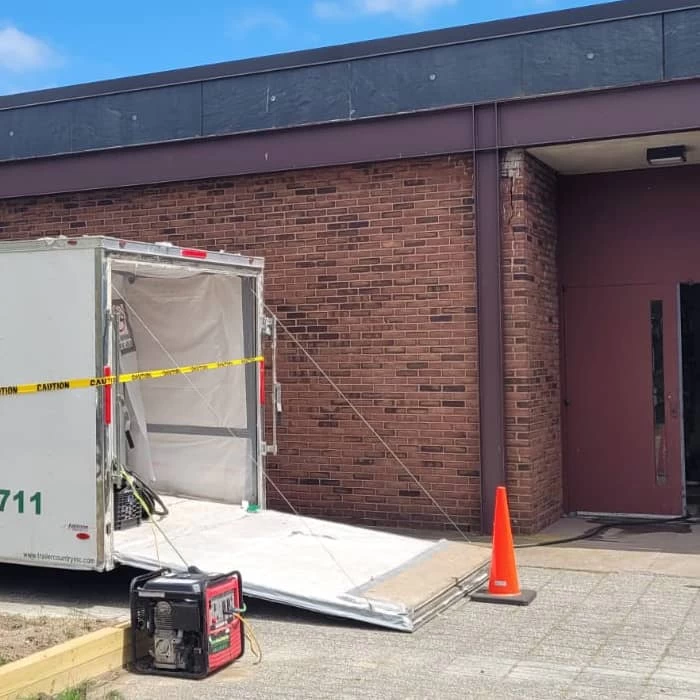
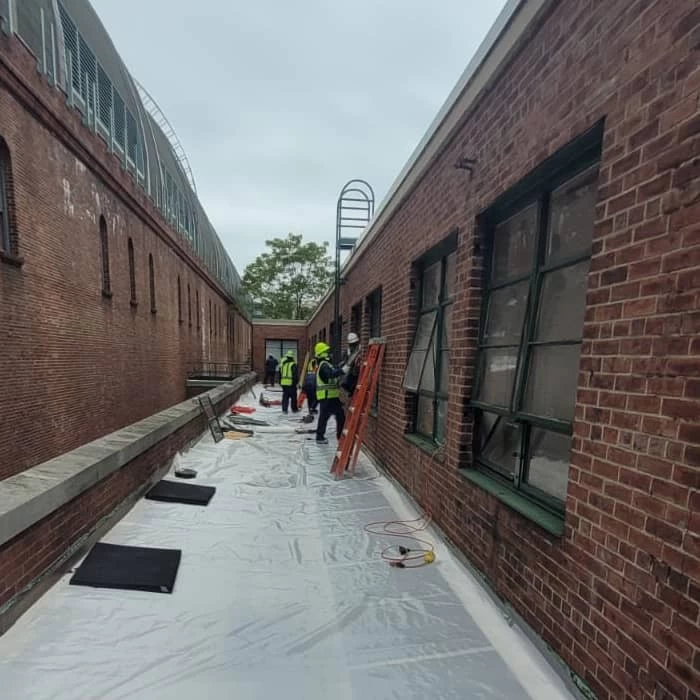
I needed a professional consultation explanation of procedure for safe removal of Asbestos in my apartment complex. Without having an account yet, I was very impressed with the caring, knowledgeable and generous advice offered by Jessica, and will look forward to doing business in the future. Thank you so much! I feel much more informed about a sometimes scary endeavor. Peace. Nancy Silva Mineola, NY.
Mia Munoz
Used this company to clean up some water flood in my house. They were fast and easy to work with.very professional, Would recommend to anyone!
Nini Valle
Great company, had a flood and they responded quickly and efficiently. Billed my insurance company directly. I highly recommend this company!
joe colapietro, jr
I had pipe freeze in my basement right before a snow storm and they made to within an hour to help start the clean up process. They we by our side throughout the entire process and even helped with the insurance company. They did such a great job with the cleanup, repair, remidiation, I contracted them to perform the repairs and finishes in the basement. They came with enough manpower and material to get the job done. Leo and Jessica were nothing but a pleasure to deal with!!
Cristian Arredondo c
I had some water damage in my home and Green Island was able to take care of my issue quickly and effectively. I am very pleased with the work they did. They responded quickly and were very professional.
Michael M
Outstanding service! From the office to the field crew everyone was friendly, helpful and responsive. I highly recommend Green Island Group.
Dry Walls, Clean Air, and No Hidden Surprises Left Behind
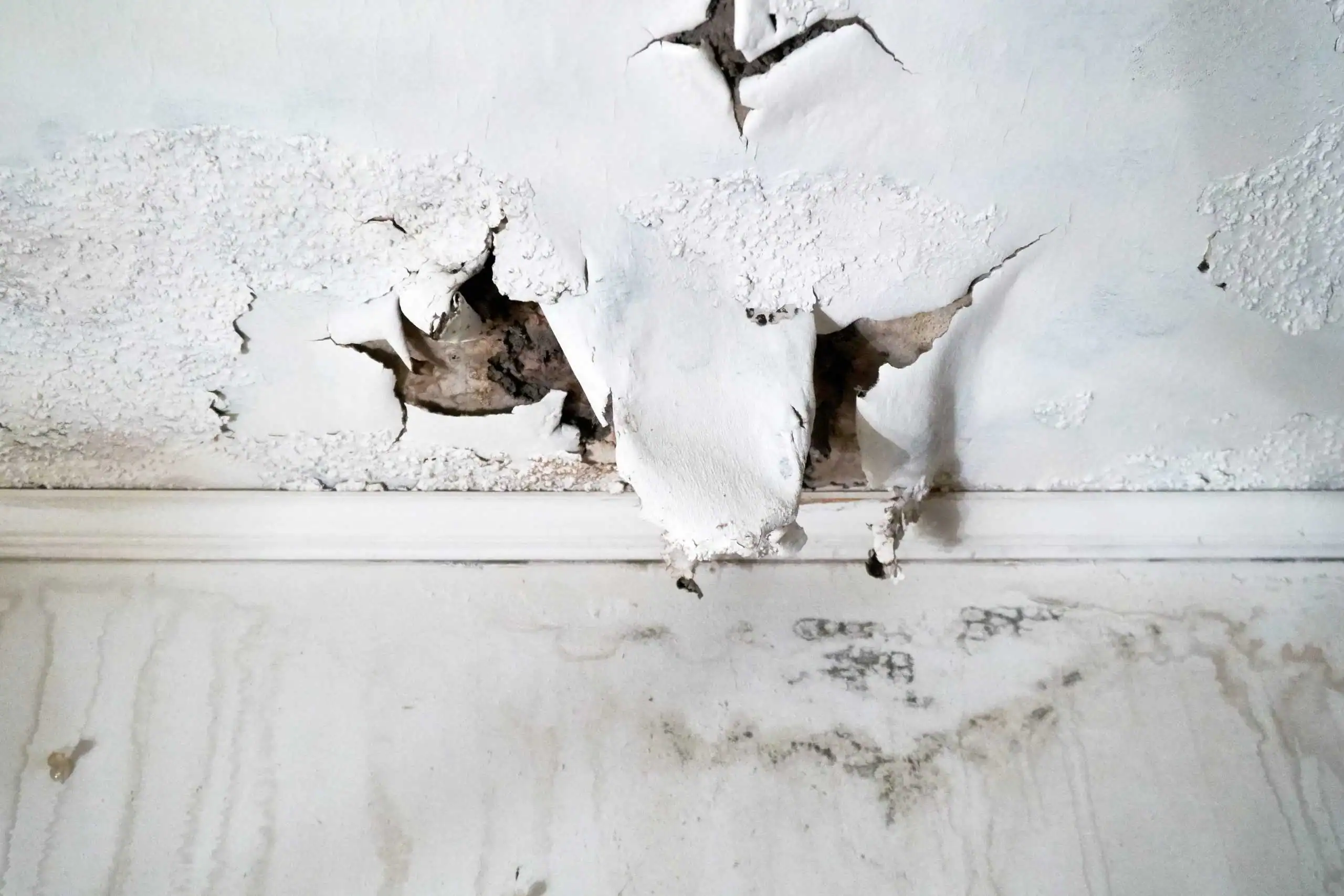
When water gets into your home, the part you can see is rarely the whole story. Moisture wicks into drywall, soaks into subfloor sheathing, and settles inside wall cavities within hours. By the time things look dry on the surface, the real damage is already happening behind it. That’s what leads to mold — and mold doesn’t announce itself until it’s already a much bigger problem.
For homeowners in North Castle, this risk is especially real. Properties near the Kensico Reservoir and along the Byram River corridor sit on ground that holds water. The clay-heavy soils throughout this area drain slowly, which means a heavy rain event or a burst pipe doesn’t just create surface flooding — it saturates the ground around your foundation and pushes moisture inward. Homes in North White Plains and Armonk deal with this every spring when snowmelt combines with seasonal rain and overwhelms sump pumps that weren’t built for that kind of sustained load.
What a complete restoration actually gives you is confidence. Confidence that the moisture is gone — not just from the floor you can see, but from the structure underneath it. Confidence that mold won’t show up in three weeks. Confidence that your home is exactly what it was before the water got in, and that you have documentation to prove it.
12 Years Serving North Castle, Every License Earned, No Shortcuts Taken
We’ve been handling water damage restoration across Westchester County for more than 12 years, with deep roots in North Castle and the surrounding communities. That’s not a marketing number — it’s the difference between a company that knows how to pull permits through the North Castle Building Department at 17 Bedford Road and one that hands you a bill and disappears before the paperwork is done.
We hold NYS and NYC M/WBE Certified Contractor status, carry full liability insurance and workers’ compensation coverage, and operate in full compliance with Westchester County’s Home Improvement licensing requirements — which every legitimate contractor working in North Castle is legally required to hold. These aren’t optional credentials. They’re the baseline standard, and not every company calling itself a restoration service actually meets them.
What that means for you is straightforward: one team, fully accountable, from the first call to the final walkthrough. No subcontractors you’ve never met. No gaps between the water extraction crew and the rebuild crew. Just a complete job done by people who know North Castle, know these codes, and have been doing this long enough to get it right.
Water Damage Restoration Process, North Castle, NY
What Actually Happens From the First Call to the Final Inspection
The first call triggers an emergency response — 24 hours a day, seven days a week. Whether a pipe froze overnight along one of Armonk’s older residential roads or a summer storm pushed water through your North White Plains foundation, the process starts the same way: someone picks up, and our team gets moving. Time matters here because mold begins developing within 24 to 48 hours of a water event. Every hour you wait is an hour of expanding damage.
Once on-site, we do a full assessment before touching anything. That includes moisture readings inside walls, thermal imaging where needed, and a clear look at whether any older building materials — flooring, pipe insulation, drywall compound — could contain asbestos. Homes in North Castle built before 1980 carry that risk, and disturbing those materials without proper abatement creates a separate hazard. If asbestos is present, we handle that too, so you’re not left coordinating two different contractors while your home is still wet.
From there, it’s extraction, structural drying, and documentation — all of it logged for your insurance claim. We bill insurance directly and handle the back-and-forth with your carrier, so you’re not stuck in the middle. Once the structure is dry and cleared, the rebuild begins. The job isn’t done until moisture readings confirm it, not until it looks okay from across the room.
Full Restoration Scope Built for North Castle's Homes and Conditions
Water damage restoration in North Castle isn’t a one-size job. A flooded basement in a 1960s Armonk home near the Kensico Reservoir involves different considerations than storm damage to a newer build off Route 22. The scope of what’s needed depends on the source of the water, how long it sat, what materials it touched, and what’s behind the walls. We assess all of it before quoting anything.
Our full service covers emergency water extraction, structural drying with industrial equipment, mold assessment and remediation, asbestos abatement where applicable, and complete structural repair through to finished surfaces. That means hardwood floors, custom millwork, finished basement walls — whatever the water damaged, the restoration covers it. For North Castle homeowners with high-value properties, that complete scope matters. A partial job that leaves moisture in the subfloor or skips proper mold clearance creates a disclosure problem at resale and a health problem long before that.
Financing is available up to $200,000 at 0% APR for jobs where insurance doesn’t cover the full cost. Given that restoration work on a larger Armonk home can run well into five figures — especially when asbestos abatement or extensive structural repair is involved — having that option available means you don’t have to choose between a complete job and a manageable bill. Our 100% Satisfaction Guarantee applies to every phase, not just the parts that are easy to get right.
Does homeowners insurance cover water damage repair in North Castle, NY?
It depends on the source of the water and how it entered the home. Homeowners insurance typically covers sudden and accidental water damage — a burst pipe, a failed appliance, a roof breach from a storm. What it generally does not cover is gradual damage from a slow leak that went unaddressed, or flooding that entered from outside the structure through the ground. That distinction matters a lot in North Castle, where properties near the Kensico Reservoir and the Byram River corridor may sit in or near FEMA-designated flood risk zones, which would require separate flood insurance for ground-level water intrusion.
The documentation you submit with your claim is what determines how much gets covered. We bill insurance companies directly and handle the claim communication on your behalf, which means the event gets documented correctly from the start — source, timeline, affected materials, and scope. That documentation is what your insurer reviews, and getting it right the first time prevents the back-and-forth that delays settlements and leaves you paying out of pocket for work that should have been covered.
How quickly does mold start growing after water damage occurs?
Mold can begin developing within 24 to 48 hours of a water event under the right conditions — and in North Castle, those conditions are common. Homes near the Kensico Reservoir and throughout the North White Plains area sit on ground with a higher water table, which means moisture doesn’t just come from the obvious source. It can wick in from the surrounding soil, keep materials damp longer than expected, and create the warm, wet environment that mold needs to take hold. A basement that looks dry after a few days of fans running may still have saturated drywall and subfloor sheathing that never fully dried.
The 24-to-48-hour window is why response time matters so much. Once mold is established inside a wall cavity or beneath a subfloor, you’re no longer dealing with a water damage job. You’re dealing with a mold remediation job on top of it, which adds scope, cost, and time. Getting a professional team on-site quickly, with the right equipment to measure moisture inside the structure rather than just on the surface, is what keeps a manageable water event from becoming a much larger problem.
What should I do immediately after discovering water damage in my home?
Stop the source if you can — shut off the water supply valve if it’s a burst pipe, or move away from any area where the ceiling or floor feels structurally compromised. Don’t run fans over standing water, because that circulates moisture into unaffected areas rather than removing it. And don’t assume the damage is limited to what you can see. Water travels fast and follows the path of least resistance into walls, under floors, and through any gap in the structure.
Once the immediate situation is stabilized, call a restoration company before you call your insurance company. The reason is simple: a professional assessment gives you an accurate picture of the full scope, which makes your claim more accurate and harder for an insurer to dispute. In North Castle, where homes are often large and the materials involved — hardwood floors, finished basements, older plaster walls — are expensive to replace, having a documented scope from a licensed contractor before the claim is filed protects you from low-ball settlements. We can assess, document, and begin extraction in a single visit, and handle the insurance communication from there.
Do older homes in Armonk need asbestos testing before water damage repairs begin?
If your home was built before 1980, asbestos testing before any restoration work is a serious consideration — not a formality. Homes throughout Armonk and Banksville from that era commonly contain asbestos in floor tiles, pipe insulation, drywall joint compound, and ceiling texture. Water damage disturbs materials. When those materials contain asbestos, the disturbance releases fibers into the air, and that creates a hazardous exposure situation that no amount of water extraction equipment can address.
New York State requires a licensed asbestos abatement contractor for any work that disturbs asbestos-containing materials — this isn’t optional, and it’s enforced. The problem with hiring a water-only restoration company in this situation is that they either don’t identify the risk, or they identify it and stop work, leaving you to find a separate abatement contractor while your home is still wet and the clock on mold is still running. We hold asbestos abatement capabilities in-house, which means the assessment, the abatement, and the restoration all happen under one roof without the gap. For a pre-1980 home in North Castle, that integrated capability isn’t a bonus — it’s the only way to handle the job safely and completely.
How much does water damage restoration typically cost in North Castle?
The national average for water damage restoration runs around $3,800 to $4,000, but that number reflects average homes with average square footage and standard finishes. North Castle is not an average market. Median home sale prices in Armonk sit above $1.6 million, and the homes reflect that — larger square footage, finished basements, hardwood floors, custom millwork, and older construction that often involves more complex materials. A significant water event in a home like that can realistically reach $10,000 to $25,000 or more, depending on how long the water sat, how much of the structure was affected, and whether asbestos abatement is part of the scope.
Insurance covers a portion of most jobs when the source qualifies — and we handle the claim process directly to maximize what gets covered. For the gap between what insurance pays and what the full job costs, financing is available up to $200,000 at 0% APR. That option exists specifically so you don’t have to make cost-driven decisions that leave moisture or mold behind in a home that’s worth protecting. A complete job now is always less expensive than a mold remediation job six months from now.
Why does water damage in North Castle tend to cause basement flooding so frequently?
A few things about North Castle’s geography make basement flooding more common here than in many other Westchester towns. The Kensico Reservoir spans the boundary between North Castle and Mount Pleasant and sits at the center of a drainage basin that collects runoff from the surrounding hills. Properties in North White Plains — which sits in the lower, more densely settled part of town closest to the reservoir — are particularly vulnerable during spring snowmelt and heavy rain events when the water table rises and sump pumps get pushed past their capacity.
The Byram River runs through the town along the I-684 corridor, and the clay-heavy soils in that watershed retain moisture rather than draining it quickly. That means even after a rain event ends, the ground around your foundation stays saturated and continues pushing water inward. Add in the wooded terrain throughout Armonk and Banksville — where leaf debris clogs gutters and storm drains every fall, and where tree root systems can compromise underground drainage pipes over time — and you have a town where basement water intrusion is less a question of if and more a question of when. Understanding that helps you make smarter decisions about sump pump maintenance, drainage grading, and how quickly to act when water does get in.