When Rockland County Storms Hit, Your Valley Cottage Home Needs More Than a Fan
Water damage in Valley Cottage moves fast — and so does mold. Get a licensed restoration team on-site before a soaked basement becomes a six-figure problem.
I needed a professional consultation explanation of procedure for safe removal of Asbestos in my apartment complex. Without having an account yet, I was very impressed with the caring, knowledgeable and generous advice offered by Jessica, and will look forward to doing business in the future. Thank you so much! I feel much more informed about a sometimes scary endeavor. Peace. Nancy Silva Mineola, NY.
Mia Munoz
Used this company to clean up some water flood in my house. They were fast and easy to work with.very professional, Would recommend to anyone!
Nini Valle
Great company, had a flood and they responded quickly and efficiently. Billed my insurance company directly. I highly recommend this company!
joe colapietro, jr
I had pipe freeze in my basement right before a snow storm and they made to within an hour to help start the clean up process. They we by our side throughout the entire process and even helped with the insurance company. They did such a great job with the cleanup, repair, remidiation, I contracted them to perform the repairs and finishes in the basement. They came with enough manpower and material to get the job done. Leo and Jessica were nothing but a pleasure to deal with!!
Cristian Arredondo c
I had some water damage in my home and Green Island was able to take care of my issue quickly and effectively. I am very pleased with the work they did. They responded quickly and were very professional.
Michael M
Outstanding service! From the office to the field crew everyone was friendly, helpful and responsive. I highly recommend Green Island Group.
What Your Valley Cottage Home Looks Like When the Job Is Actually Done Right
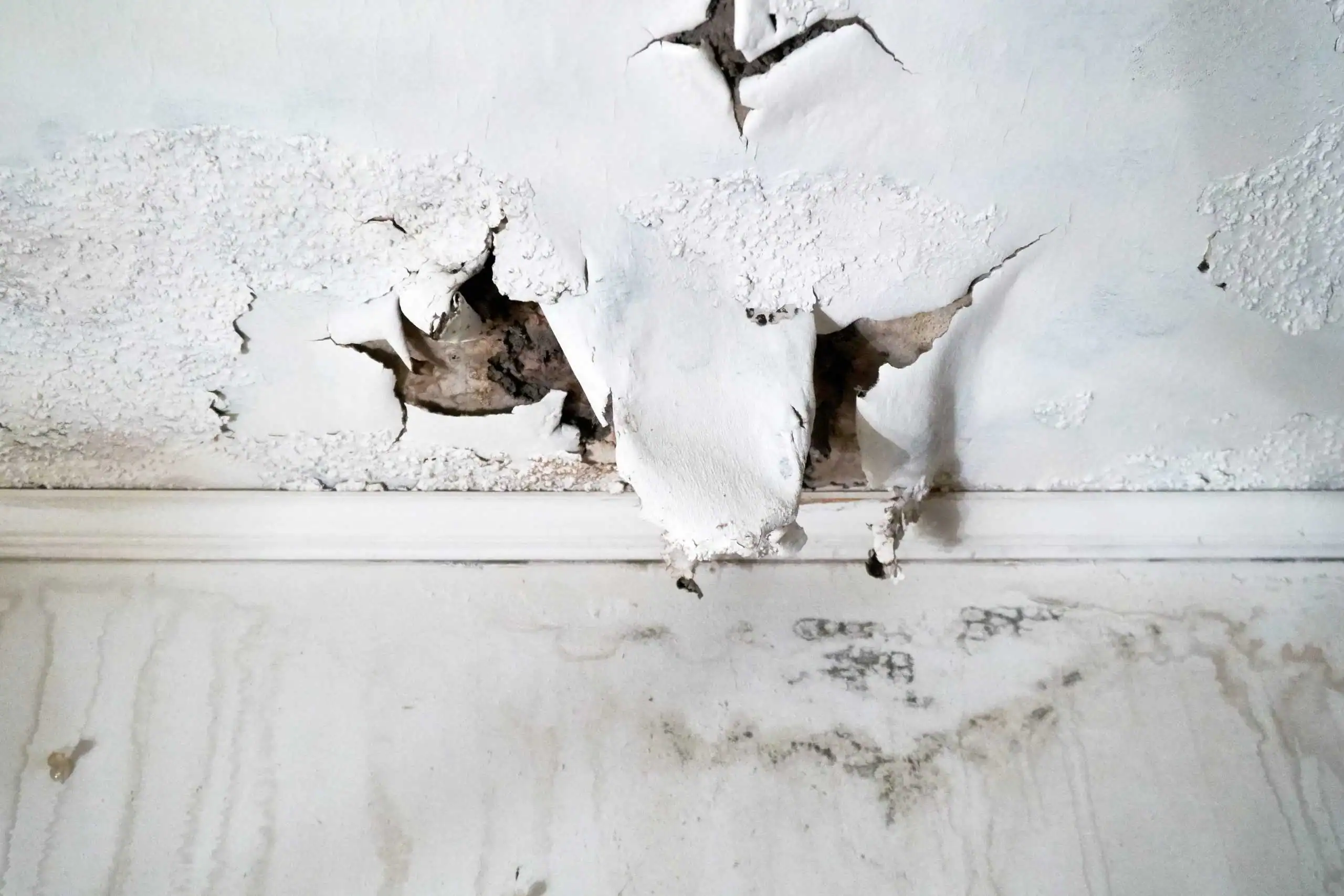
Water damage doesn’t announce itself politely. One morning it’s a wet spot near the basement wall. By the time you’ve figured out where it came from, the drywall is saturated, the subfloor is soft, and the clock on mold growth is already ticking. In Valley Cottage, where nearly half the housing stock was built before 1970, that timeline is even tighter — older construction absorbs moisture differently, and what looks dry on the surface often isn’t.
When the work is done correctly, you’re not just looking at dry walls. You’re looking at verified moisture readings, restored structural materials, and documentation you can hand to your insurance company without a second thought. For homeowners along the Route 303 corridor or in the wooded neighborhoods near Rockland Lake State Park, that kind of complete restoration matters — because the topography here doesn’t drain gently. When Valley Cottage gets hit with a heavy storm, water finds every gap it can.
The real outcome isn’t just a dry house. It’s a house that stays dry. No hidden moisture left inside walls. No mold colony quietly forming behind the baseboards two months later. That’s the difference between a job that looks finished and one that actually is.
Water Restoration Services near Valley Cottage, NY
12 Years In, and We Still Do This the Hard Way
We’ve been doing environmental restoration work in the New York metro area for over 12 years. That means water damage, mold remediation, fire and smoke restoration, and asbestos abatement — handled by a team that’s seen what happens when any one of those is done halfway.
For Valley Cottage homeowners, the asbestos piece matters more than most people realize. Homes built before 1970 — and there are a lot of them here in Clarkstown — can contain asbestos in floor tiles, pipe insulation, and drywall compound. When water damage forces you to open up walls or remove flooring, that becomes a real issue fast. Most restoration companies aren’t equipped to handle it. We are.
We’re NYS and NYC M/WBE Certified, fully insured including liability and workers’ compensation, and licensed for mold remediation under New York State’s Article 32 requirements. No shortcuts, no subcontracting the hard parts out to someone else.
What Happens From Your First Call to a Fully Restored Home
The first call sets everything in motion. When you reach us — day or night, because we run 24/7 — we ask the right questions fast: what happened, how long ago, what’s affected. That information shapes how we respond and what equipment we bring. We’re not dispatching blind.
On arrival, the first priority is stopping any active water intrusion and assessing the full scope of damage — not just what’s visible. In older Valley Cottage homes, moisture hides in places a visual inspection won’t catch: inside plaster walls, beneath hardwood floors, in the framing around basement windows. We use professional moisture meters to map it all before extraction begins. If there’s any indication that disturbed materials could contain asbestos — which is a real consideration in pre-1970 construction throughout Clarkstown — we address that before demolition work starts, not after.
From there, industrial extraction and drying equipment runs until moisture readings confirm the structure is genuinely dry. Then comes the documentation: photos, moisture logs, and a full scope of work that your insurance company can actually use. We bill insurers directly, so you’re not stuck playing middleman between us and your adjuster. Once the drying phase is complete, we handle structural repairs and restoration to bring everything back to pre-loss condition. Clarkstown building permits, when required, are handled as part of that process — not something we leave you to figure out on your own.
Water Damage Restoration Company near Valley Cottage
Full Restoration, Not Just a Dry-Out
There’s a version of water damage restoration that ends when the dehumidifiers get loaded back into the van. That’s not what we do. For Valley Cottage homeowners — many of whom have significant equity in homes that have been in families for decades — a surface-level dry-out isn’t good enough, and it’s not what we deliver.
What you actually get is complete moisture extraction verified by equipment readings, mold prevention treatment applied to affected materials, structural repairs to drywall, subfloor, framing, or any other compromised components, and a finished result that matches pre-loss condition. If the damage involves materials that may contain asbestos — a genuine consideration for the older homes that make up a large portion of Valley Cottage’s housing stock — we handle licensed abatement as part of the same engagement. You don’t need to find a separate contractor and coordinate two separate jobs.
For homes near DeForest Lake or in the lower-elevation neighborhoods that tend to catch runoff during Rockland County’s heavier storms, we also assess whether the water intrusion points to a recurring drainage issue that needs to be addressed structurally. Fixing the damage without understanding why it happened is just setting you up for the same call next year. We’d rather give you the full picture.
We offer financing up to $200,000 at 0% APR for qualifying work — because a $15,000 restoration on a $500,000 home shouldn’t require you to liquidate savings to protect your most valuable asset.
How quickly can mold develop after water damage in a Valley Cottage home?
Mold can begin growing within 24 to 48 hours of a water event — and in Valley Cottage’s older housing stock, that timeline is something to take seriously. Homes built before 1970 often have plaster walls, solid wood subfloors, and minimal vapor barriers, all of which absorb and hold moisture more aggressively than modern construction materials. That means mold doesn’t just grow on the surface — it can establish inside wall cavities and beneath flooring before you’d ever see or smell it.
The most important thing you can do is get professional moisture extraction started as quickly as possible. Surface drying — fans, open windows, a dehumidifier from the hardware store — doesn’t reach the moisture that’s already migrated into structural materials. By the time visible mold appears, remediation is a significantly larger job than it would have been 48 hours earlier.
Does homeowners insurance cover water damage repair in Valley Cottage, NY?
It depends on the cause, and the distinction matters a lot. Standard homeowners insurance policies in New York typically cover sudden and accidental water damage — a burst pipe, a failed appliance, an ice dam that forces water through your roof. What they generally don’t cover is gradual damage, meaning a slow leak you didn’t notice for months, or flooding from an external water source like a storm or rising groundwater.
For Valley Cottage homeowners near lower-elevation areas or properties adjacent to DeForest Lake, groundwater intrusion during heavy rain is a real scenario — and that type of damage typically requires separate flood insurance through the National Flood Insurance Program, not your standard homeowners policy. If you’re not sure what you have or what’s covered, we can help you work through the documentation. We bill insurers directly and have experience navigating claims in Rockland County, so you’re not figuring that out alone.
What permits are required for water damage restoration work in Clarkstown?
Because Valley Cottage is governed by the Town of Clarkstown — not an independent village — all structural repair work following water damage falls under Clarkstown’s building department. If the restoration involves replacing drywall, subfloor, framing, or any structural component, a building permit is required. This is true even if the damage was caused by something as straightforward as a burst pipe.
Skipping the permit isn’t just a code violation — it can create real problems when you sell the home. Unpermitted work in Clarkstown can delay or derail a real estate transaction, and buyers’ attorneys in Rockland County know what to look for. We handle the permit process as part of the restoration work, so you’re not left navigating Clarkstown’s building department on your own while also dealing with an insurance claim and a disrupted household.
Does water damage repair in older Valley Cottage homes require asbestos testing first?
In many cases, yes — and it’s not something to skip. Approximately half of Valley Cottage’s homes were built before 1970, which was the period when asbestos was commonly used in floor tiles, pipe insulation, roofing materials, drywall joint compound, and ceiling textures. When water damage requires cutting into walls, removing flooring, or disturbing pipe insulation in these homes, there’s a real possibility of releasing asbestos-containing materials.
New York State takes this seriously. Any contractor performing demolition or renovation work in a pre-1980 home is expected to identify and address potential asbestos hazards before disturbing those materials. Working with a contractor who isn’t equipped to handle this means either the asbestos gets disturbed without proper containment, or the job stops mid-project while you locate a separate abatement contractor. We handle both water damage restoration and licensed asbestos abatement, so if testing confirms a hazard, the work continues under one roof without delay.
How do Rockland County's flash floods typically affect Valley Cottage basements?
Valley Cottage sits in a topographically varied part of Rockland County, with the Hook Mountain ridge and Rockland Lake State Park above it and lower-lying neighborhoods that catch runoff when the ground can’t absorb rainfall fast enough. During intense storm events — and Rockland County has documented several in recent years — storm drains get overwhelmed quickly. That water has to go somewhere, and for a lot of Valley Cottage homeowners, it goes into the basement.
The challenge with storm-driven basement flooding is that it often involves a combination of surface water intrusion, groundwater pressure on foundation walls, and sewer backup — and each of those requires a different response. A sump pump failure during a heavy storm is one of the most common calls we get from this area. If your basement has flooded during a storm, the source matters for both the repair approach and the insurance claim, so accurate documentation from the start is important.
What does water damage restoration actually cost in Valley Cottage, and does financing help?
Restoration costs vary depending on the size of the affected area, the materials involved, and how long the moisture has been present. A contained pipe leak caught early might run a few thousand dollars. A basement flood that’s been sitting for more than 24 hours, involving subfloor replacement, mold remediation, and structural repairs, can reach $15,000 to $40,000 or more — and in Valley Cottage’s older homes, where construction materials absorb moisture more aggressively, the scope tends to expand once walls are opened.
For most homeowners, this is an unexpected expense that lands at the worst possible time. Even in a community with strong household incomes like Valley Cottage, a sudden five-figure bill creates real cash-flow pressure. We offer financing up to $200,000 at 0% APR for qualifying work. That’s not a last-resort option — it’s a practical way to protect a home worth $500,000 or more without depleting savings or delaying the work while you figure out the finances. The restoration starts when it needs to start, and the payment works around your situation.