When Your Thiells Basement Floods, Every Hour Counts
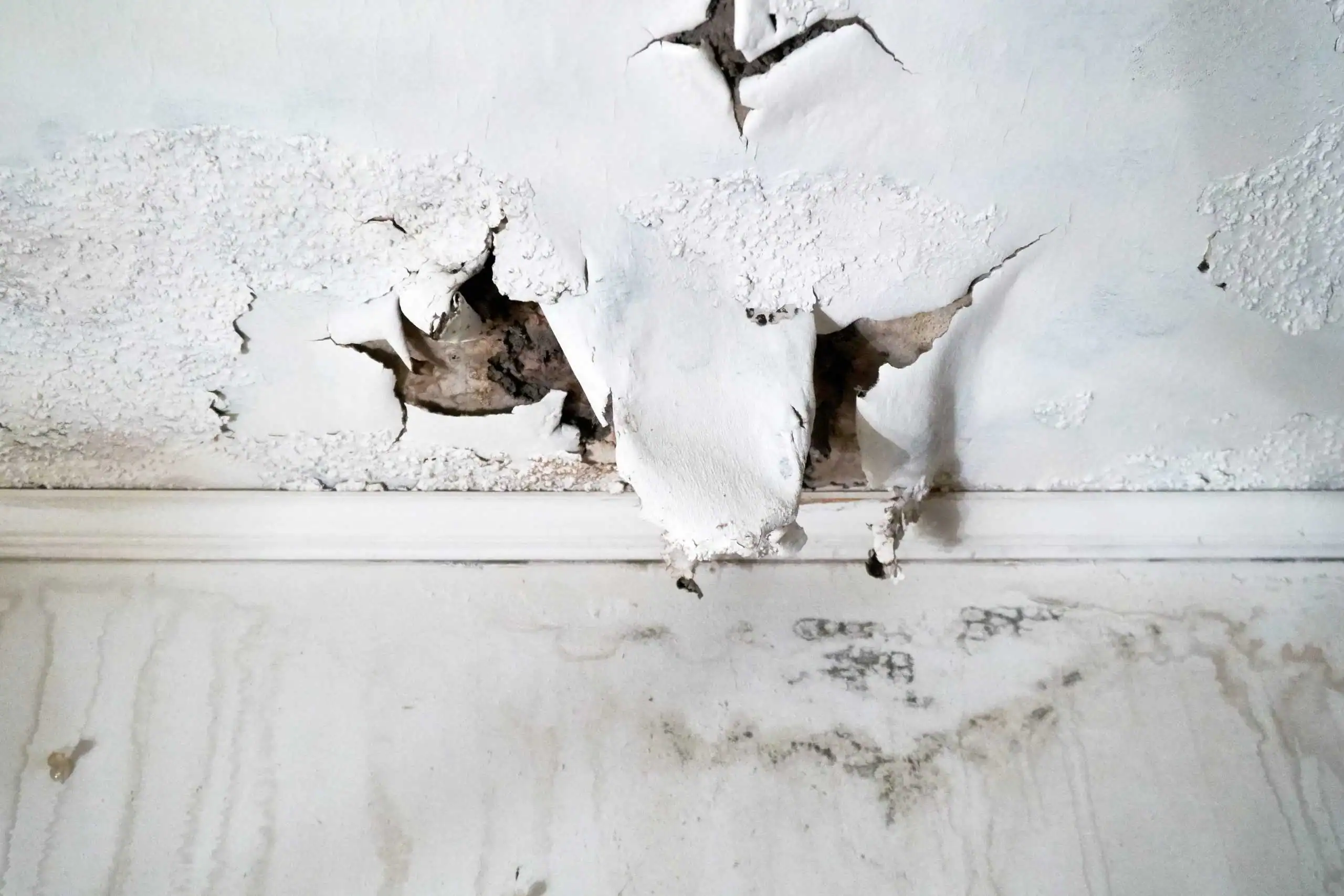
Mold starts forming within 24 to 48 hours of water exposure. We respond around the clock with the equipment and credentials to stop the damage before it compounds — and handle whatever’s hiding inside your walls.
I needed a professional consultation explanation of procedure for safe removal of Asbestos in my apartment complex. Without having an account yet, I was very impressed with the caring, knowledgeable and generous advice offered by Jessica, and will look forward to doing business in the future. Thank you so much! I feel much more informed about a sometimes scary endeavor. Peace. Nancy Silva Mineola, NY.
Mia Munoz
Used this company to clean up some water flood in my house. They were fast and easy to work with.very professional, Would recommend to anyone!
Nini Valle
Great company, had a flood and they responded quickly and efficiently. Billed my insurance company directly. I highly recommend this company!
joe colapietro, jr
I had pipe freeze in my basement right before a snow storm and they made to within an hour to help start the clean up process. They we by our side throughout the entire process and even helped with the insurance company. They did such a great job with the cleanup, repair, remidiation, I contracted them to perform the repairs and finishes in the basement. They came with enough manpower and material to get the job done. Leo and Jessica were nothing but a pleasure to deal with!!
Cristian Arredondo c
I had some water damage in my home and Green Island was able to take care of my issue quickly and effectively. I am very pleased with the work they did. They responded quickly and were very professional.
Michael M
Outstanding service! From the office to the field crew everyone was friendly, helpful and responsive. I highly recommend Green Island Group.
Your Home Dried, Cleared, and Protected — For Real
When the water is gone, the work isn’t over. Moisture hides inside the walls, underneath the subfloor, and behind the insulation of older homes — and in Thiells, where nearly half of all homes were built in the 1970s, that’s not a hypothetical. It’s what our technicians actually find on job after job in this part of Rockland County. Surface drying doesn’t solve it. The right equipment, paired with moisture meters and thermal imaging, does.
The Town of Haverstraw area — which includes Thiells — has been named in multiple National Weather Service flash flood emergencies, including events in July 2023 and again in July 2025 that hit the neighborhood directly. Saturated ground, aging drainage systems, and older sump pumps that were never designed for today’s storm intensity are a real combination here. When your basement takes on water during one of those events, you need more than fans and a dehumidifier.
What you get at the end of this process is a home that’s genuinely dry — documented with readings, not just visual inspection — and a clear picture of whether anything else was disturbed in the process. In homes built during the peak era of asbestos use, that second part matters as much as the first.
12 Years In, Still Doing the Work Right for Thiells Homeowners
We’ve been handling environmental restoration in the New York metro area for over 12 years. That includes water damage, mold remediation, fire and smoke restoration, and asbestos abatement — all under one roof, all with the same crew accountability. This isn’t a franchise model where a call center dispatches whoever’s available. We’re a certified, fully insured operation with real credentials behind every job.
We hold NYS and NYC M/WBE certification and work directly with the NYS Office of General Services — the same standard required for state agency contracts. That level of vetting doesn’t happen by accident, and it matters when you’re trusting someone to work inside your home in Thiells, where the housing stock is older and the stakes of getting restoration right are higher.
For homeowners in Thiells and the North Rockland area — whether you’re near Fieldstone Middle School, off Route 202, or anywhere in between — we show up with the right equipment, the right licenses, and the ability to handle whatever the job uncovers.
What Actually Happens From Your First Call to Final Clearance
The process starts the moment you call. We operate 24/7, so whether it’s a burst pipe at 2 a.m. in January or a flooded basement the morning after a summer storm rolls through Haverstraw, someone picks up and dispatches a crew. The first priority on arrival is stopping the source if it’s still active, then beginning extraction before standing water causes further structural damage.
Once extraction is complete, the real assessment begins. Our technicians use moisture meters and thermal imaging to locate water that has migrated into wall cavities, subfloor materials, and insulation — the hidden moisture that causes mold if it’s left untreated. In Thiells homes built in the 1970s, this step also includes identifying whether any disturbed materials may contain asbestos. Under New York State law, asbestos abatement requires a licensed contractor, and we hold that capability in-house. That means the job doesn’t stop while you wait for a second company to be scheduled.
Drying equipment is placed strategically based on the moisture readings, not guesswork, and monitored across multiple visits until clearance readings confirm the structure is dry. Documentation is maintained throughout — which matters directly when your insurance claim is being processed. We handle direct insurance billing, so the administrative side of the claim doesn’t fall on you during an already stressful situation.
One Contractor for Water, Mold, and What's Behind the Walls
Most water damage contractors in the Rockland County area handle the water. We handle what comes with it. That includes mold remediation under a dedicated New York State mold remediation license — one of the few states in the country that requires contractors to hold this credential to legally perform the work. It also includes asbestos abatement, which is a real consideration in Thiells, where the dominant housing stock was built during the 1970s, when asbestos was standard in floor tiles, pipe wrap, ceiling materials, and joint compound.
When you’re dealing with a water damage event in a home like that, you don’t want to find out halfway through the job that your contractor has to stop and refer out. That delay extends the mold window, adds cost, and creates a gap in accountability. With us, the scope of work expands to match what’s actually found — without bringing in a second company.
We also offer 0% APR financing up to $200,000 — the only offer like it among restoration contractors serving Thiells. For homeowners already managing a mortgage on a $730,000 property and some of the highest median property tax bills in New York, having the option to finance restoration costs interest-free makes a real difference. Add direct insurance billing, full liability and workers’ compensation coverage, and a 100% Satisfaction Guarantee, and the offer is straightforward: the job gets done right, or it doesn’t leave your home.
How fast does mold actually start growing after a basement floods in Thiells?
Mold can begin developing within 24 to 48 hours of water exposure — and in older Thiells homes with wood subfloors, plaster walls, and fiberglass insulation, that timeline can move even faster because those materials hold moisture longer than modern construction does. The Thiells area sits in a part of Rockland County that has seen repeated flash flooding events, including named emergencies in 2023 and 2025 that specifically impacted the Town of Haverstraw. That means the risk isn’t theoretical — it’s a pattern.
The critical factor isn’t just how much water entered your home. It’s how quickly extraction and drying begin. Every hour of delay allows moisture to migrate deeper into wall cavities and structural materials, which makes remediation more extensive and more expensive. Professional extraction and commercial-grade drying equipment started within the first few hours of a flooding event dramatically reduces the likelihood of a secondary mold problem developing.
Does homeowners insurance cover water damage repair costs in Rockland County, NY?
It depends on the cause. Most standard homeowners insurance policies in New York cover sudden and accidental water damage — a burst pipe, an appliance failure, or water intrusion from a roof damaged during a storm. What they typically don’t cover is flooding from an outside water source, like a river or storm drain overflow, unless you have a separate flood insurance policy through the National Flood Insurance Program.
For Thiells homeowners, this distinction matters because the area experiences both types of events. A frozen pipe that bursts in January is generally covered. Basement flooding from a flash flood event — like the ones that hit the Haverstraw area in recent years — may require NFIP coverage to be reimbursed. We handle direct insurance billing and document the damage in a format that supports your claim, which helps ensure you’re getting the coverage you’re actually entitled to rather than a lowball settlement based on incomplete documentation.
My Thiells home was built in the 1970s — do I need to worry about asbestos during water damage repairs?
Yes, and it’s worth taking seriously. Approximately 46.7% of homes in ZIP code 10984 — which covers Thiells — were built between 1970 and 1979, the peak decade for asbestos use in residential construction. Floor tiles, pipe insulation, ceiling tiles, textured paint, and joint compound from that era routinely contained asbestos-containing materials. When water damage saturates walls, disturbs flooring, or requires removal of building materials, there’s a real probability of disturbing those materials in a home of that age.
Under New York State law, asbestos abatement must be performed by a licensed contractor. A water damage company without that credential is legally required to stop work and refer out when asbestos is suspected — which creates delays, coordination problems, and a gap in accountability during a time when the mold clock is already running. We hold asbestos abatement capabilities in-house, which means if it’s found during your restoration, the job continues without interruption.
What's the difference between water damage mitigation and water damage restoration?
Mitigation is the emergency phase — stopping the damage from getting worse. That means extracting standing water, removing saturated materials that can’t be saved, and placing drying equipment to stabilize the environment. It’s the immediate response work that happens in the first 24 to 72 hours after a water event. Restoration is what comes after: repairing or replacing what was removed, treating for mold if it developed, and returning the structure to its pre-damage condition.
Both phases matter, and both need to be done correctly. A common problem homeowners run into is hiring a company that handles mitigation but not full restoration — which means you’re managing two separate contractors, two separate timelines, and two separate insurance conversations. We handle the full scope, from initial extraction through final repairs, which simplifies the process and keeps accountability in one place throughout the job.
How much does water damage repair typically cost for a home in Thiells, NY?
The range is wide because the variables are significant. A straightforward burst pipe event with a contained affected area might run $2,500 to $5,000 for extraction, drying, and minor repairs. A basement flooding event that saturates walls, affects the subfloor, and requires mold remediation can reach $10,000 to $20,000 or more — and in older Thiells homes where asbestos abatement is also needed, costs can go higher depending on the scope.
The most important cost-control factor is response time. The longer water sits, the deeper it migrates, and the more material has to be removed rather than dried in place. Getting a professional crew on-site quickly — especially in a summer flash flood scenario where saturated ground means water has nowhere to drain — directly limits how far the damage spreads. We offer 0% APR financing up to $200,000, which is the only financing offer of its kind among restoration contractors serving this area, so cost doesn’t have to be the reason you delay getting the work done.
Can Green Island Group work directly with my insurance company so I don't have to manage the claim?
Yes — direct insurance billing is a standard part of how we operate, not an add-on. We handle communication with your adjuster, document the damage with the detail that insurance companies require, and submit billing directly. Multiple customers have specifically called this out in reviews as one of the most valuable parts of the experience, particularly because navigating a claim while also managing a damaged home is genuinely stressful.
This matters especially in Rockland County, where property values and insurance policy limits tend to be higher, and where the documentation requirements for a proper claim are more involved. A poorly documented claim — one that doesn’t capture hidden moisture readings, the full scope of affected materials, or the presence of hazardous materials — can result in a settlement that falls short of what the actual repair costs. Having a contractor who understands the documentation side of the process, and handles it on your behalf, protects both your home and your claim.