When Foundry Brook Floods, Philipstown Calls Us First
Water damage in Philipstown moves fast — and so do we. Green Island Group offers 24/7 emergency water damage restoration for Cold Spring, Garrison, and the surrounding Hudson Highlands.
I needed a professional consultation explanation of procedure for safe removal of Asbestos in my apartment complex. Without having an account yet, I was very impressed with the caring, knowledgeable and generous advice offered by Jessica, and will look forward to doing business in the future. Thank you so much! I feel much more informed about a sometimes scary endeavor. Peace. Nancy Silva Mineola, NY.
Mia Munoz
Used this company to clean up some water flood in my house. They were fast and easy to work with.very professional, Would recommend to anyone!
Nini Valle
Great company, had a flood and they responded quickly and efficiently. Billed my insurance company directly. I highly recommend this company!
joe colapietro, jr
I had pipe freeze in my basement right before a snow storm and they made to within an hour to help start the clean up process. They we by our side throughout the entire process and even helped with the insurance company. They did such a great job with the cleanup, repair, remidiation, I contracted them to perform the repairs and finishes in the basement. They came with enough manpower and material to get the job done. Leo and Jessica were nothing but a pleasure to deal with!!
Cristian Arredondo c
I had some water damage in my home and Green Island was able to take care of my issue quickly and effectively. I am very pleased with the work they did. They responded quickly and were very professional.
Michael M
Outstanding service! From the office to the field crew everyone was friendly, helpful and responsive. I highly recommend Green Island Group.
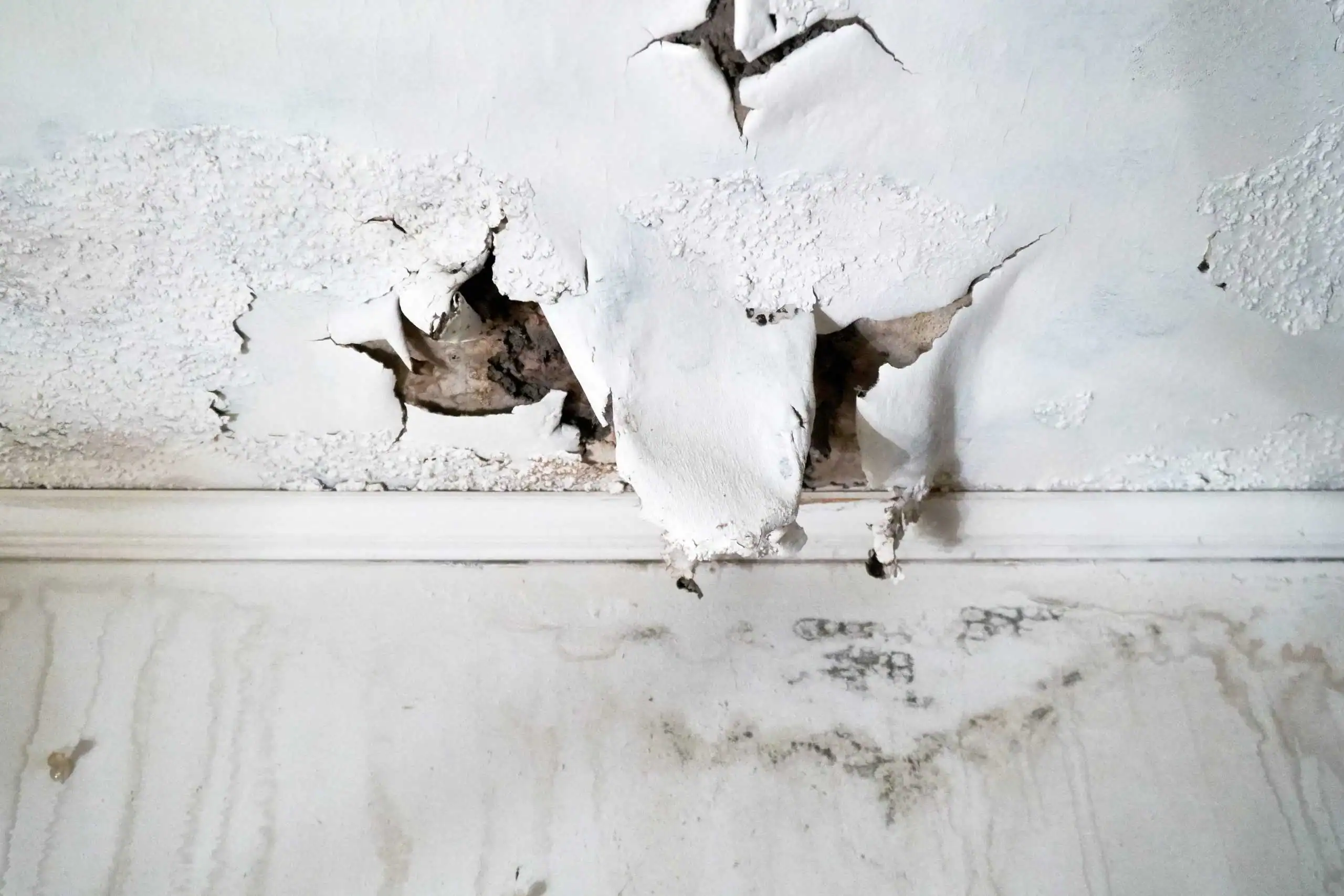
When water gets in — whether it’s a burst pipe in a Cold Spring Victorian, a flooded basement in Garrison after a storm, or hidden moisture creeping through a 19th-century foundation — the damage doesn’t stop when the water does. What’s left behind is where the real problem starts: saturated walls, compromised subfloors, and the kind of moisture that turns into mold within 24 to 48 hours if it isn’t handled properly.
Philipstown’s terrain makes this worse than most places. The Hudson Highlands push stormwater fast and hard into the valley floor. Foundry Brook, the Back Brook watershed, and the low-lying areas along Route 9D don’t drain the way flat suburban land does. When more than six inches of rain fell on Cold Spring in a single day during the July 2023 storm, dozens of homes took on water simultaneously — and the homes that fared best were the ones where professional drying and remediation started immediately.
The other thing worth knowing: a significant portion of homes in Philipstown were built before 1940. That means older pipe systems, original plaster walls, and building materials that hold moisture differently than modern construction. Getting your home fully dry — not just surface-dry — requires equipment and experience that goes beyond a shop vac and a few fans. When it’s done right, you get your home back. When it isn’t, you’re dealing with mold remediation six weeks later.
Twelve Years In. Licensed, Certified, and Ready at 2 A.M.
Green Island Group has been handling water damage, mold remediation, fire and smoke restoration, and asbestos abatement across the greater New York metro area for over 12 years. We’re NYS and NYC M/WBE Certified, fully insured — including liability and workers’ compensation — and licensed by New York State for both mold remediation and asbestos abatement. Those aren’t just credentials on a wall. They’re the difference between a contractor who can legally and safely do the full job in an older Philipstown home and one who has to stop when things get complicated.
We work directly with insurance companies, which means you’re not fronting costs and waiting on reimbursement while your home sits wet. We also offer financing up to $200,000 at 0% APR — because even in a town with high property values, an unexpected restoration bill shouldn’t put you in a corner. From Cold Spring’s historic district to the estate properties in Garrison, we’ve seen what water damage looks like in Philipstown and the surrounding areas of Putnam County, and we know how to handle it.
The first thing we do is get someone to your property fast — any time, any day. Once we’re on-site, we assess the full scope of the damage using professional moisture detection equipment. This step matters more than most people realize. In older homes — the kind common throughout Philipstown — moisture hides inside plaster walls, beneath original hardwood floors, and behind period millwork that looks completely fine on the surface. We find it before it becomes a mold problem.
From there, we extract standing water, set up industrial-grade drying equipment, and begin the controlled drying process. This isn’t a one-day job in most cases. Proper structural drying takes time, and we monitor moisture levels throughout to make sure the building is genuinely dry — not just dry to the touch. If your home was built before 1980 and there’s any risk that water damage has disturbed asbestos-containing materials — pipe insulation, floor tiles, plaster — we handle that in-house. You don’t need to find a separate abatement contractor and coordinate between two companies while your home is still wet.
If your property is in Cold Spring’s historic district, we’re also aware of what that means for how restoration work needs to be approached. The Historic District Review Board has standards for exterior alterations, and we work within those frameworks rather than around them. Once drying and any necessary abatement are complete, we document everything for your insurance claim and walk you through next steps for structural repair and finishing work.
Full Restoration — Including What Other Companies Can't Touch
Most water damage restoration companies handle the water. We handle what comes with it. That includes mold remediation, asbestos abatement, fire and smoke damage restoration, and full structural drying — all under one roof, all with the proper New York State licensing to back it up.
In Philipstown specifically, that full-service capability matters. The town’s housing stock is old. The Cold Spring Historic District alone contains roughly 225 structures, many of them 19th-century construction. Pre-1940 homes are common throughout Philipstown, and a large portion of those homes contain asbestos in places you wouldn’t immediately think to check — pipe wrap, ceiling tiles, floor adhesive, joint compound. When water damage disturbs those materials, you have a situation that requires licensed abatement before any restoration work continues. We’re equipped to handle that transition without stopping the job.
Many Philipstown homes also run on private wells and septic systems rather than municipal water and sewer. When water damage involves sewage backup or contaminated floodwater, the interaction with private water systems adds a layer of complexity that requires careful handling and, in some cases, coordination with the Putnam County Health Department. We know that process. We’ve been through it. And if your insurance company needs documentation — detailed moisture logs, photo records, itemized scope of work — we provide all of it, billed directly to your insurer so you’re not managing that process while also managing a damaged home.
Does homeowners insurance cover water damage repair in Philipstown, NY?
It depends on the source of the water, and the answer matters a lot before you start any work. Standard homeowners insurance typically covers sudden and accidental water damage — a burst pipe, an appliance failure, a roof leak from a storm. It generally does not cover flooding from an external source, like what happened along Route 9D and Foundry Brook during the July 2023 storm in Philipstown. That type of flooding requires a separate flood insurance policy, typically through the National Flood Insurance Program.
If you have both policies, the claims process gets more involved, because each policy covers different things and each insurer has its own documentation requirements. We bill insurance companies directly and help you navigate that process from the start — which means less time spent on paperwork and more time focused on getting your home back in order. If there are gaps in your coverage, our financing option (up to $200,000 at 0% APR) is available to cover what insurance doesn’t.
How quickly can mold develop after water damage in an older home?
Mold can begin growing within 24 to 48 hours of a water event — and in older homes, it often develops faster and spreads further than people expect. The reason is simple: older construction materials like original plaster, lath, and period woodwork absorb and hold moisture differently than modern drywall. Water doesn’t just sit on the surface — it moves through the material and gets trapped inside wall cavities where there’s no airflow.
In Philipstown, where a significant portion of the housing stock predates 1940, this is a real and recurring issue. A homeowner who dries the visible surfaces and waits a few weeks before calling a professional can end up with an established mold colony inside their walls — one that requires opening up the structure to remediate properly. The earlier professional drying starts, the better the outcome. If you’re not sure whether your home has hidden moisture after a water event, that uncertainty alone is worth a call.
What should I do if I discover water damage after being away from my Garrison or Cold Spring home?
Call a restoration company before you do anything else. The instinct to start cleaning up — pulling up wet rugs, running fans, opening windows — is understandable, but it can actually complicate the remediation process if it’s not done in the right sequence. More importantly, surface cleanup doesn’t address moisture that has already migrated into walls, subfloors, and structural framing.
If you’ve been away for more than a day or two and the water event happened while you were gone, there’s a real possibility that mold has already started. In that case, the priority isn’t just drying — it’s assessment. A professional moisture inspection will tell you exactly where the water traveled and what’s been affected. From there, you’ll have a clear picture of what needs to happen and in what order. Don’t let the fact that the visible water is gone give you a false sense that the problem is resolved.
Can water damage in a pre-1940 Philipstown home expose asbestos?
Yes, and it’s more common than most homeowners expect. Asbestos was widely used in building materials well into the late 1970s — pipe insulation, floor tiles, ceiling tiles, joint compound, plaster, and roofing materials all frequently contained it. In Cold Spring’s historic district, where many homes were built in the 19th century to house West Point Foundry workers, asbestos-containing materials are a real possibility in almost any older structure throughout Philipstown.
When water damage occurs — particularly from a burst pipe or flooding that affects walls and floors — it can disturb those materials and create an exposure risk. This is why it matters that your restoration contractor is licensed for asbestos abatement, not just water damage. Most water damage companies are not. We are licensed under New York State Department of Labor Industrial Code Rule 56, which means we can identify, contain, and abate asbestos-containing materials in the same engagement as the water damage restoration — without requiring you to bring in a separate contractor and coordinate between two companies while your home is still wet.
How long does water damage restoration typically take in Philipstown?
The honest answer is that it depends on how much water got in, how long it was there, and what materials were affected. A straightforward burst pipe with quick response might require three to five days of active drying before the structure is ready for repairs. A storm flood that saturated a basement and lower-level walls — the kind of event that’s happened multiple times in Cold Spring and Garrison in recent years — can require a week or more of drying, plus additional time for mold assessment, any necessary abatement, and structural repair.
In older homes, the timeline is often longer because the materials hold moisture longer and because the drying process has to be more controlled to avoid damaging original plaster, woodwork, and other period finishes. We monitor moisture levels throughout the process and don’t call the job done until the readings confirm the structure is genuinely dry. Rushing that step is how you end up with mold two months later.
Is water damage restoration in Philipstown more expensive than in other areas?
Not inherently — but there are factors specific to Philipstown that can affect the scope and cost of a job. Older homes require more careful work, and in some cases, the presence of asbestos-containing materials adds a licensed abatement step that wouldn’t apply in newer construction. Properties in Cold Spring’s historic district may also require coordination with the Historic District Review Board for any exterior work, which adds a layer of planning that isn’t present in a standard suburban restoration job.
The average water damage restoration claim runs around $3,800 to $4,000 nationally, but more significant events — extended flooding, sewage backup, or damage that went undetected for several days — can push costs considerably higher. We work directly with your insurance company to document and submit the claim, which helps ensure you’re getting the full coverage you’re entitled to. And for anything not covered by insurance, our 0% APR financing up to $200,000 means the cost doesn’t have to determine the quality of the restoration.