When the Lake Comes Inside, Act Before the Clock Does
Water damage in a Putnam Lake home moves fast — and in a community built around a 225-acre lake, the ground is already working against you. We respond 24/7 with the equipment and licensing to stop the damage before it becomes something far worse.
I needed a professional consultation explanation of procedure for safe removal of Asbestos in my apartment complex. Without having an account yet, I was very impressed with the caring, knowledgeable and generous advice offered by Jessica, and will look forward to doing business in the future. Thank you so much! I feel much more informed about a sometimes scary endeavor. Peace. Nancy Silva Mineola, NY.
Mia Munoz
Used this company to clean up some water flood in my house. They were fast and easy to work with.very professional, Would recommend to anyone!
Nini Valle
Great company, had a flood and they responded quickly and efficiently. Billed my insurance company directly. I highly recommend this company!
joe colapietro, jr
I had pipe freeze in my basement right before a snow storm and they made to within an hour to help start the clean up process. They we by our side throughout the entire process and even helped with the insurance company. They did such a great job with the cleanup, repair, remidiation, I contracted them to perform the repairs and finishes in the basement. They came with enough manpower and material to get the job done. Leo and Jessica were nothing but a pleasure to deal with!!
Cristian Arredondo c
I had some water damage in my home and Green Island was able to take care of my issue quickly and effectively. I am very pleased with the work they did. They responded quickly and were very professional.
Michael M
Outstanding service! From the office to the field crew everyone was friendly, helpful and responsive. I highly recommend Green Island Group.
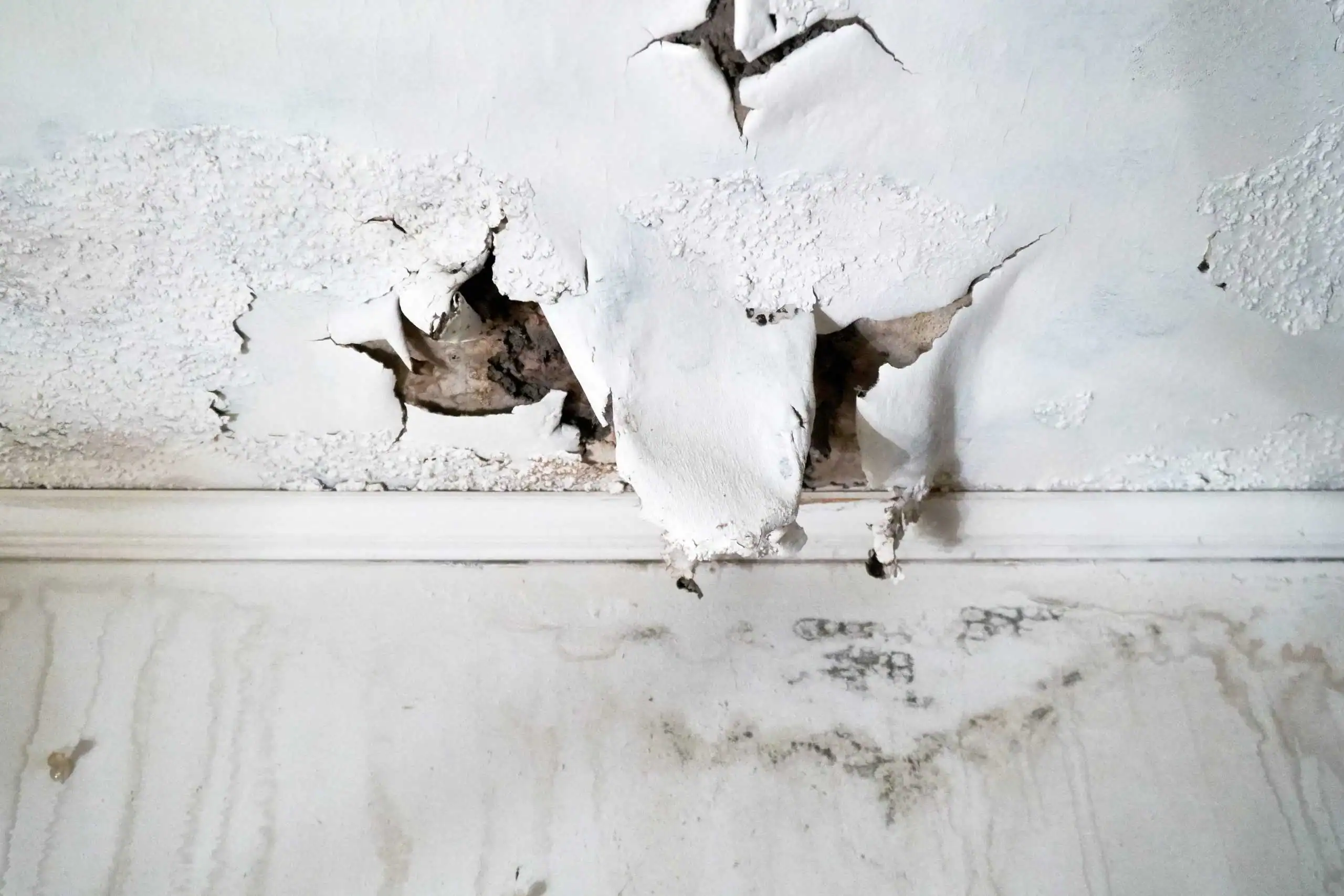
When water gets into a Putnam Lake home, it rarely stays where you can see it. It wicks into old plaster walls, soaks through wooden subfloors, and settles into crawl spaces that haven’t been touched in decades. In homes that date back to 1928 — and plenty here do — that moisture doesn’t just sit there. It creates the exact conditions mold needs to take hold, and mold can start growing within 24 to 48 hours of a water event.
What you get on the other side of a proper restoration isn’t just a dry floor. It’s verified dryness — confirmed with moisture meters, not eyeballed. It’s walls and subfloors that have been checked, not assumed. It’s the kind of thoroughness that matters in a community where homes have layers of history and where the water table near the lake is naturally higher than most.
For Putnam Lake homeowners on private wells and septic systems, there’s another layer to consider. If the water intrusion involved your septic — from a backup during saturated ground after a heavy rain, for example — that’s a black water situation. It’s not a mop-and-fan job. It requires licensed remediation, and that’s exactly what we’re equipped to handle.
12 Years In, and We Know What Putnam Lake's Older Homes Hide
We’ve been handling environmental restoration across the New York metro area for over 12 years. That’s not a talking point — it’s the difference between a company that knows what they’re walking into and one that figures it out on your property.
Putnam Lake sits at the eastern edge of Putnam County, right up against the Connecticut border, and the homes here tell the full story of that history. Small lots, modest construction, aging infrastructure — and in many cases, materials that were standard in 1928 but require careful handling today. We’re one of the few restoration contractors in this region that holds asbestos abatement capabilities alongside water damage restoration. That matters when a water event in a nearly 100-year-old home disturbs more than just drywall.
We’re also NYS and NYC M/WBE Certified — a credential that requires state-level vetting and that no competitor currently serving Putnam Lake can claim. We carry full liability insurance and workers’ compensation, we bill insurance companies directly, and we back every job with a 100% Satisfaction Guarantee.
What Actually Happens From First Call to Finished Job
The first call gets someone on the phone — not a voicemail, not a callback queue. We’re available around the clock because water damage doesn’t follow business hours, and in Putnam Lake, where summer thunderstorms can dump several inches of rain in a matter of hours and frozen pipes are a real winter risk, timing is everything.
Once we’re on-site, we assess the full scope before touching anything. That means identifying the water source, categorizing the type of water involved — clean, gray, or black — and checking for any hazardous materials that may have been disturbed. In homes built before 1980, that last step isn’t optional. New York State has specific regulations around asbestos-containing materials, and any contractor who skips that assessment is cutting a corner that could cost you far more down the road.
From there, we extract standing water using industrial-grade equipment, set up drying systems that reach inside walls and under floors, and monitor moisture levels until the structure is verified dry — not just surface dry. If your home requires structural repairs after the fact, those will need permits through the Town of Patterson, and we’ll walk you through what that looks like. Before we leave, you’ll know exactly what was done, what was found, and what comes next.
Water Damage Restoration Company Serving Putnam Lake
Full-Service Restoration Built for Putnam Lake's Older Homes
Water damage restoration in Putnam Lake isn’t one-size-fits-all. The housing stock here — much of it built between 1928 and the 1960s as modest lake cottages on small lots — presents conditions you simply don’t encounter in newer construction. Cast iron pipes, original insulation, plaster walls, and crawl spaces that have absorbed decades of moisture from the elevated water table near the lake. Our process accounts for all of it.
Every job includes full water extraction, structural drying with industrial dehumidifiers and air movers, moisture verification, and mold assessment. New York State requires a dedicated mold remediation license for any contractor performing that work — and we hold it. If mold is present, we handle it as part of the same engagement, not as a separate referral to a separate company.
For homes where the water event involved a septic backup — which is a real risk in a community with no municipal sewer service, especially during the saturated ground conditions that follow heavy spring rain or snowmelt — we’re licensed and equipped to handle black water remediation safely. And because Putnam Lake homes frequently contain pre-1980 building materials, our asbestos abatement capabilities mean one contractor handles the full scope from start to finish. If the cost is a concern, we offer financing up to $200,000 at 0% APR — something no other restoration company currently serving this area offers.
Does homeowners insurance cover water damage from a flooded basement in Putnam Lake?
It depends on what caused the flooding, and the distinction matters more than most people realize. Homeowners insurance typically covers sudden and accidental water damage — a burst pipe in January, for example, which is a genuine risk in Putnam Lake’s colder northeastern microclimate. What it usually does not cover is gradual seepage, long-term leaks, or flooding that enters from outside the home, which falls under separate flood insurance.
For Putnam Lake homeowners, the septic question is also worth understanding. If a septic system backs up into the home, that may be covered under a sewer and drain backup rider — but only if you have that specific endorsement on your policy. Many homeowners don’t realize they’re missing it until they need it. We bill insurance companies directly and can help you understand what your claim is likely to cover before the process starts, so there are no surprises mid-job.
How quickly can water damage lead to mold in an older Putnam Lake home?
Mold can begin growing within 24 to 48 hours of a water event — and in an older Putnam Lake home, the conditions are often more favorable for mold than in newer construction. Old plaster walls, wooden subfloors, and insulation that has absorbed moisture over decades give mold more surface area and more organic material to feed on. The naturally higher water table near the lake also means that groundwater intrusion can be ongoing rather than a single event, keeping moisture levels elevated longer than they would be in a home on higher, drier ground.
This is why response time is not just a preference — it’s the single most important variable in determining how much of your home needs to be remediated versus simply dried. The faster water is extracted and drying equipment is in place, the smaller the mold window. If you’re already past the 48-hour mark, that doesn’t mean the situation is unmanageable — it means a mold assessment needs to happen alongside the drying process, not after it.
What is the difference between water mitigation and water damage restoration?
Mitigation is the emergency phase — stopping the damage from getting worse. That means extracting standing water, removing saturated materials that can’t be saved, and getting drying equipment in place as quickly as possible. Restoration is everything that comes after: repairing or replacing what was damaged, treating for mold if it developed, and returning the home to its pre-loss condition.
In practice, most homeowners don’t need to think about this distinction on their own — a qualified contractor handles both as part of a continuous process. What matters is making sure the company you hire doesn’t stop at mitigation and leave you to coordinate the restoration separately. We handle both ends of the job, which is especially relevant in Putnam Lake where older homes often require more involved restoration work — subfloor replacement, plaster repair, or addressing materials that turn out to contain asbestos and need proper abatement before the rebuild can begin.
Can water damage in a Putnam Lake home disturb asbestos or other hazardous materials?
Yes, and this is one of the most important questions to ask before hiring any contractor for restoration work in this area. Putnam Lake’s housing stock dates primarily from 1928 onward, and homes built before 1980 commonly contain asbestos in pipe insulation, floor tiles, ceiling tiles, and joint compounds. When water intrudes into these areas — soaking through a basement ceiling, wicking into old floor tiles, or saturating insulation around original pipes — it can disturb those materials and create a hazardous situation that goes well beyond standard water damage.
New York State has specific regulations governing how asbestos-containing materials must be tested, handled, and disposed of. A contractor who isn’t licensed for asbestos abatement cannot legally or safely manage that part of the job. We hold asbestos abatement capabilities, which means if we find suspect materials during a restoration in your Putnam Lake home, we handle it in the same engagement — no second contractor, no coordination gap, no delay in getting your home back to safe.
Is a septic backup in my home considered the same as regular water damage?
No — and the difference has real consequences for how the cleanup needs to be handled. Water damage is categorized on a scale from clean water (a burst supply line, for example) to gray water (washing machine overflow, dishwasher leak) to black water, which includes sewage and septic backups. Black water contains harmful bacteria, viruses, and other pathogens that make it a health hazard, not just a moisture problem.
In Putnam Lake, where every home relies on a private septic system rather than municipal sewer, a septic backup is a realistic scenario — particularly after heavy rain or snowmelt when the ground becomes saturated and the system can’t drain properly. Cleaning up a black water event requires licensed remediation, proper protective equipment, and disposal protocols that go far beyond what a standard water extraction company is equipped to provide. If you’ve had a septic backup into your home, treat it as an emergency and call a licensed remediation contractor — not a general handyman or a basic flood cleanup service.
How much does water damage restoration typically cost in Putnam Lake, NY?
The honest range for water damage restoration runs from roughly $1,400 on the low end for a contained, clean-water event to $16,000 or more for severe flooding, black water contamination, or situations where mold remediation and structural repairs are involved. For a typical job, the national average sits around $3,800 — but Putnam Lake homes add variables that can push costs higher than that average. Older construction means more surfaces absorb water before it’s detected, more materials may need to be tested or abated, and the restoration phase often involves repairing original materials rather than simply replacing standard drywall.
That said, cost should never be the reason a homeowner delays action — because delay is almost always more expensive than the original damage. We offer financing up to $200,000 at 0% APR, which means the cost of a complete restoration doesn’t have to come out of savings or sit on a high-interest credit card. No other restoration company currently serving Putnam Lake offers anything comparable. If you’re weighing the cost, call us — we’ll give you a clear picture of what you’re actually looking at before any work begins.