When Fishkill Creek Rises, Your Home Needs More Than a Shop Vac
We respond 24/7 to water damage in Beekman — handling extraction, drying, mold prevention, and insurance billing so you don’t have to coordinate any of it yourself.
I needed a professional consultation explanation of procedure for safe removal of Asbestos in my apartment complex. Without having an account yet, I was very impressed with the caring, knowledgeable and generous advice offered by Jessica, and will look forward to doing business in the future. Thank you so much! I feel much more informed about a sometimes scary endeavor. Peace. Nancy Silva Mineola, NY.
Mia Munoz
Used this company to clean up some water flood in my house. They were fast and easy to work with.very professional, Would recommend to anyone!
Nini Valle
Great company, had a flood and they responded quickly and efficiently. Billed my insurance company directly. I highly recommend this company!
joe colapietro, jr
I had pipe freeze in my basement right before a snow storm and they made to within an hour to help start the clean up process. They we by our side throughout the entire process and even helped with the insurance company. They did such a great job with the cleanup, repair, remidiation, I contracted them to perform the repairs and finishes in the basement. They came with enough manpower and material to get the job done. Leo and Jessica were nothing but a pleasure to deal with!!
Cristian Arredondo c
I had some water damage in my home and Green Island was able to take care of my issue quickly and effectively. I am very pleased with the work they did. They responded quickly and were very professional.
Michael M
Outstanding service! From the office to the field crew everyone was friendly, helpful and responsive. I highly recommend Green Island Group.
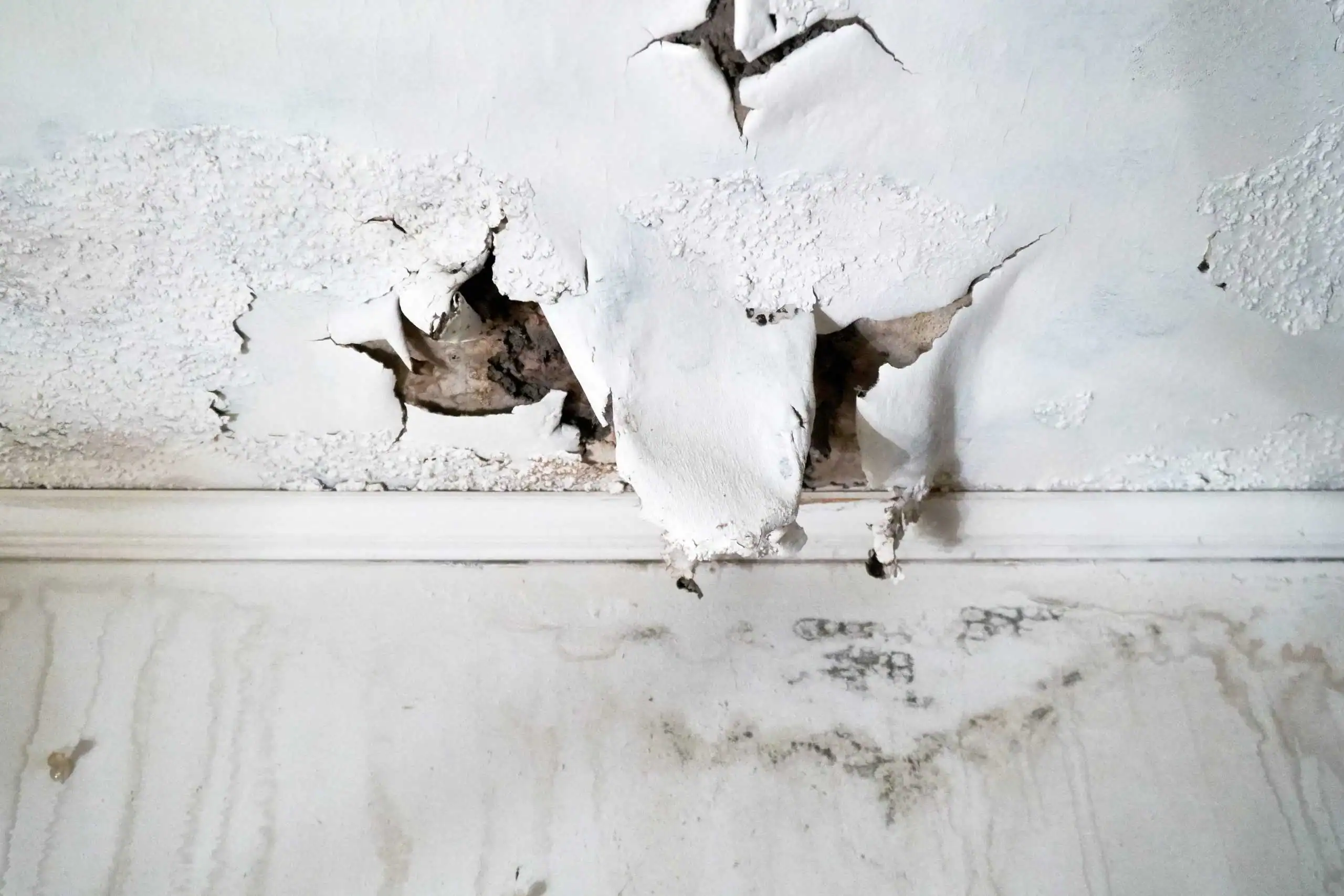
Water damage doesn’t wait, and in Beekman it rarely comes alone. A burst pipe in a finished basement off Route 216 doesn’t just mean wet carpet — it means soaked drywall, saturated insulation, and a 24 to 48-hour window before mold takes hold inside the walls where you can’t see it. When the job is done right, you’re not just dry on the surface. You’re dry all the way through, verified with moisture readings, and cleared before we leave.
For homeowners in communities like Dalton Farm or anywhere along the Fishkill Creek corridor, the risk isn’t hypothetical. Dutchess County documented over a million dollars in private property damage after Hurricane Ida’s remnants hit in September 2021 — and Beekman was explicitly named among the affected municipalities. That kind of event exposes what happens when water gets into a home that wasn’t fully restored the first time.
What you get on the other side of a proper restoration is a home that’s structurally sound, documented for your insurance carrier, and not carrying hidden moisture that becomes a problem at resale. That’s the outcome worth paying attention to.
12 Years In, Still Answering the Phone at 2 AM for Beekman Homeowners
We’ve been handling environmental restoration across the New York metro area and Hudson Valley for over 12 years. We’re NYS and NYC M/WBE Certified — a designation that requires verified insurance, compliance, and accountability standards that most local restoration companies never pursue. We also work directly with the NYS Office of General Services, which means the institutional bar we’re held to is higher than what a residential customer would typically require.
In Beekman and the surrounding Dutchess County area, we understand what the housing stock looks like. Homes in and around Poughquag — many built between the 1970s and 1990s — have finished basements, aging plumbing, and in some cases, older building materials that need careful handling during any restoration. We’re one of the few companies in this area that also carries asbestos abatement capability, which matters when water damage in an older Beekman home disturbs more than just drywall.
We carry full liability and workers’ compensation insurance, we bill your insurance company directly, and we back every job with a 100% Satisfaction Guarantee.
From the First Call to the Final Walkthrough, Here's What Happens
When you call, we move. Our emergency response team is available 24 hours a day, every day of the year — because a sump pump failure during a spring storm off the Taconic doesn’t happen on a Tuesday at noon. The first thing we do on-site is assess the full scope of the damage. That means more than what’s visible. We use industrial moisture meters to identify water that has migrated into wall cavities, under subfloors, and behind finished surfaces — the places that cause problems months later if they’re missed.
Once we know what we’re dealing with, we extract standing water, set up commercial-grade drying equipment, and begin the structural drying process. This isn’t a one-day job in most cases. Proper drying takes time, and we monitor moisture levels throughout to confirm the structure is genuinely dry before any reconstruction begins. If mold is already present — which is possible if there was any delay before calling — we handle remediation in-house under New York State’s required mold remediation license.
If your home requires permits for any reconstruction work, we’re familiar with the Beekman Building Department’s requirements and can guide you through that process. When the job is complete, we document everything for your insurance carrier and walk you through the final scope before we close out.
One Team Handles the Water, the Mold, and the Rebuild
Most restoration companies stop at water extraction. We don’t. We cover the full scope — emergency water extraction, structural drying, mold remediation, asbestos abatement when needed, and complete reconstruction. For Beekman homeowners, that matters because water damage here rarely stays simple. A backed-up septic system introduces gray or black water contamination that requires a completely different remediation approach than a clean pipe burst. A flooded basement in a pre-1980 home near Beekmanville may disturb asbestos-containing materials that a standard restoration crew isn’t licensed to handle.
We also work directly with your insurance company. We document the damage, communicate the scope, and bill the carrier — so you’re not stuck playing middleman between your adjuster and your contractor while water sits in your walls. For jobs where insurance doesn’t cover the full cost, or where the claim is still processing, we offer financing up to $200,000 at 0% APR. No local competitor in Dutchess County offers anything close to that.
Whether it’s a finished basement in Dalton Farm, a colonial off Clove Valley Road, or a home near Sylvan Lake that took on water during a nor’easter, the scope of what we do is built around what Beekman homes actually need — not a generic checklist.
How quickly can water damage lead to mold in a Beekman home?
Mold can begin growing within 24 to 48 hours of water exposure — and in Beekman’s environment, that window is very real. The town’s wooded lots, humid summers, and older housing stock with finished basements create conditions where moisture lingers longer than it would in a more open or climate-controlled environment. If water has gotten into wall cavities or under a subfloor, surface drying alone won’t stop mold from developing behind the scenes.
The honest answer is that if you’ve had standing water in your home for more than a day before calling, mold assessment should be part of the initial inspection — not an afterthought. New York State requires a dedicated mold remediation license for any contractor performing abatement work, so make sure whoever you hire is actually licensed to do it, not just willing to spray bleach and call it done. We carry that license and include mold assessment as part of every water damage response.
Does homeowners insurance cover water damage from a burst pipe or basement flooding?
It depends on the source, and this is where a lot of Beekman homeowners get caught off guard. Standard homeowners insurance typically covers sudden and accidental water damage — like a burst pipe or a failed water heater. It generally does not cover flooding from an external source like Fishkill Creek overflowing, which requires a separate flood insurance policy through FEMA’s National Flood Insurance Program.
Sump pump failures fall into a gray area. Some policies cover it, some don’t, and some offer it as a rider. If your basement flooded because your sump pump lost power during a storm — which is common in Beekman’s wooded areas where outages happen — you’ll want to pull your policy and check before assuming you’re covered. We work directly with insurance carriers and can help you understand what’s claimable and how to document it properly. That’s part of what we do, not an add-on service.
What should I do immediately after my basement floods in Beekman?
The first thing is safety — don’t walk into standing water if there’s any chance electrical systems have been compromised. If it’s safe to do so, shut off the water source if it’s an active leak, and cut power to the affected area at the breaker. Then call a restoration company immediately. The longer water sits, the deeper it migrates into building materials and the closer you get to that mold growth window.
Don’t start pulling up carpet or running household fans and assume that’s enough. In a finished basement — which describes the majority of affected spaces we see in Beekman and the surrounding area — the real moisture is inside the walls and under the subfloor, not on the surface. Professional drying equipment works differently, and the difference shows up in moisture readings, not just appearance. Document everything with photos before you touch anything, and save any damaged materials until your insurance adjuster has seen them.
Do I need a permit for water damage repairs in Beekman, NY?
It depends on the scope of the work. Emergency mitigation — water extraction, drying, removing damaged materials — generally doesn’t require a permit. But if the restoration involves rebuilding a finished basement, adding or modifying a bathroom, or making structural changes to the home, the Beekman Building Department requires a permit along with a detailed drawing of the work being done.
The town also requires contractors to carry proof of general liability insurance and workers’ compensation coverage before permits are issued — so if you hire a contractor who can’t produce both, you’re taking on risk that shouldn’t be yours. Beekman is also one of a small number of Dutchess County municipalities that requires stormwater permit coverage for projects disturbing 5,000 square feet or more, which is a lower threshold than most New York towns. For most residential water damage jobs, that threshold won’t apply — but for larger properties or significant exterior work, it’s worth knowing. We’re familiar with the local requirements and handle the permitting process as part of the job when it’s needed.
How much does water damage restoration typically cost in Dutchess County?
The range is wide because the damage varies so much. Minor incidents — a small pipe leak caught quickly, limited to one area — can run in the $1,500 to $3,000 range. A finished basement that took on significant water, requires full structural drying, and needs reconstruction afterward can run $10,000 to $16,000 or more. If mold remediation is involved, or if older building materials need to be tested or abated, that adds to the scope.
The biggest cost driver in Beekman specifically is the prevalence of finished basements in the town’s housing stock. A finished basement multiplies the complexity of a water damage job because every surface — drywall, insulation, flooring, framing — has to be evaluated and potentially replaced. Insurance covers a meaningful portion of most claims, but there’s often a gap. That’s why we offer financing up to $200,000 at 0% APR — no other restoration company serving Dutchess County offers anything close to that, and it means the cost of doing the job right doesn’t have to become a reason to cut corners or delay.
How do I know if a water damage company serving Beekman is actually qualified?
A few things are worth checking before you commit. First, confirm they carry both general liability insurance and workers’ compensation — not just one. The Beekman Building Department requires both for permitted work, and if a worker is injured on your property and the company doesn’t have workers’ comp, that liability can fall back on you as the homeowner. Second, if mold is involved or suspected, verify they hold a New York State mold remediation license. This is a state-specific requirement that many out-of-area contractors don’t carry.
Beyond credentials, look at whether the company handles insurance billing directly or leaves that to you. Look at how long they’ve been operating — not just in New York generally, but in this region. Storm events like the remnants of Hurricane Ida in 2021 bring out contractors from out of state who disappear once the immediate demand passes. A company with 12-plus years of continuous operation in the Hudson Valley is a company that was here before the last major event and will be here for the next one. That continuity matters when you need someone to stand behind the work six months later.