I needed a professional consultation explanation of procedure for safe removal of Asbestos in my apartment complex. Without having an account yet, I was very impressed with the caring, knowledgeable and generous advice offered by Jessica, and will look forward to doing business in the future. Thank you so much! I feel much more informed about a sometimes scary endeavor. Peace. Nancy Silva Mineola, NY.
Mia Munoz
Used this company to clean up some water flood in my house. They were fast and easy to work with.very professional, Would recommend to anyone!
Nini Valle
Great company, had a flood and they responded quickly and efficiently. Billed my insurance company directly. I highly recommend this company!
joe colapietro, jr
I had pipe freeze in my basement right before a snow storm and they made to within an hour to help start the clean up process. They we by our side throughout the entire process and even helped with the insurance company. They did such a great job with the cleanup, repair, remidiation, I contracted them to perform the repairs and finishes in the basement. They came with enough manpower and material to get the job done. Leo and Jessica were nothing but a pleasure to deal with!!
Cristian Arredondo c
I had some water damage in my home and Green Island was able to take care of my issue quickly and effectively. I am very pleased with the work they did. They responded quickly and were very professional.
Michael M
Outstanding service! From the office to the field crew everyone was friendly, helpful and responsive. I highly recommend Green Island Group.
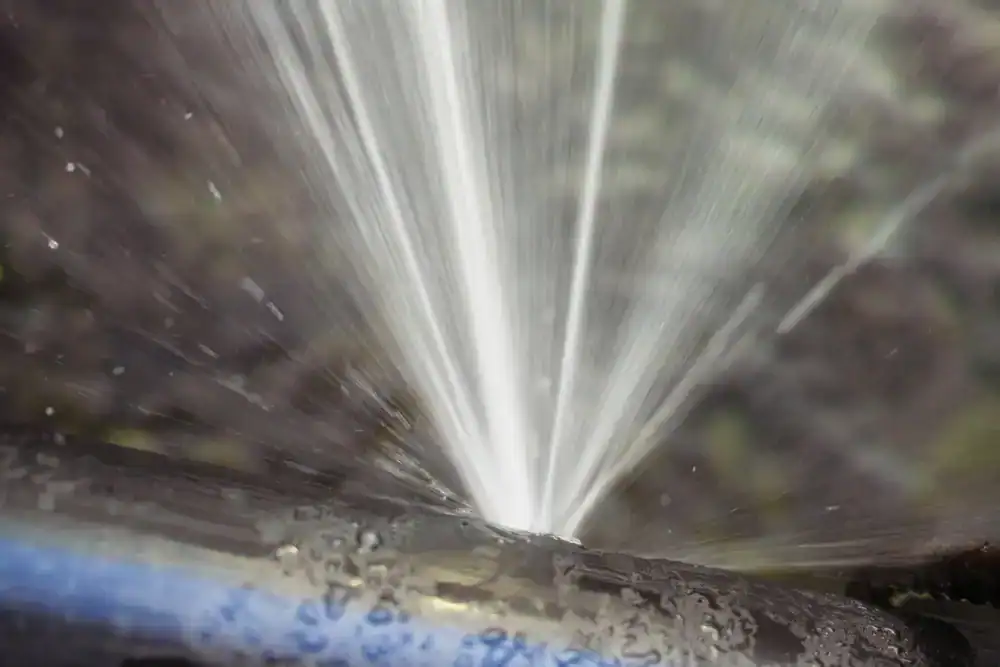
A burst pipe doesn’t just soak your floor — it gets into your walls, your insulation, and your framing before you can see a single sign of it. In Cortlandt, where close to half the homes were built before 1960, older wall assemblies made of plaster over wood lath and original fiberglass batt don’t release moisture the way modern materials do. They hold it. And once moisture sits in those materials past the 24 to 48 hour mark, mold doesn’t ask permission — it just starts growing.
That’s the part most homeowners don’t find out until weeks later, when the smell shows up or the wall starts to bubble. By then, what could have been a contained remediation has turned into a much larger project. Speed is the single biggest factor in how far the damage spreads and what it ultimately costs you.
When the job is done right, you get your home back — not just dried out, but fully restored. Walls rebuilt, floors replaced, surfaces finished. For Cortlandt residents commuting into the city via Metro-North out of Montrose or Croton-Harmon, that means not managing a half-gutted house on top of an already demanding schedule. We handle it start to finish, and you don’t have to coordinate anyone.
We’ve been doing this work in Westchester County for over 12 years, which means we’ve worked inside the kinds of homes that make up most of Cortlandt’s housing stock. Split-levels in Cortlandt Manor. Older working-class homes in Verplanck and Buchanan. River-view properties in Croton-on-Hudson. We know what aging galvanized pipes look like when they finally give out, and we know what happens to plaster walls when moisture sits in them for 48 hours.
We’re NYS and NYC M/WBE Certified, hold a New York State Mold Remediation Contractor License, carry full liability and workers’ compensation insurance, and have a documented working relationship with the NYS Office of General Services. That level of vetting matters when you’re letting someone open your walls. We also work directly with insurance carriers and manage the claims process on your behalf — something our customers consistently call the most valuable part of the entire experience.
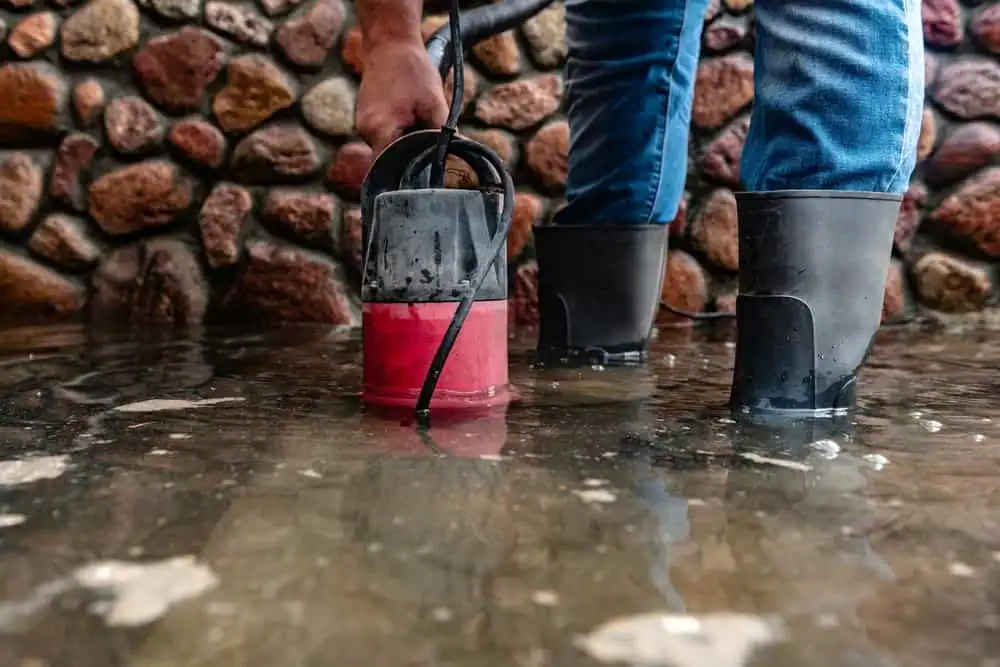
It starts the moment you call. Our 24/7 emergency line connects you to a real dispatcher, not a voicemail. A crew gets mobilized that night — not scheduled for the next business day. When we arrive, the first priority is stopping active water intrusion if it hasn’t been stopped already, then beginning extraction immediately. Commercial-grade equipment goes in fast, because every hour matters.
Once extraction is underway, our team does a full moisture assessment using calibrated meters and thermal imaging. This is where a lot of damage gets caught that you’d never see with the naked eye — moisture that has wicked into wall cavities, subfloor material, or framing. In older Cortlandt homes, this step is especially important. Pre-1960 construction often contains asbestos in pipe insulation, floor tiles, or joint compound. If any of that material is present and needs to be disturbed during remediation, we handle abatement in-house — no separate contractor, no scheduling gap, no extended window where moisture keeps spreading while you wait.
Structural drying follows, documented to IICRC S500 standards with daily monitoring until readings confirm the structure is dry. Then reconstruction begins — drywall, insulation, flooring, finishes — until the space looks and functions the way it did before the pipe failed. Throughout the entire project, we’re in direct communication with your insurance carrier, documenting everything in the format adjusters require and advocating for your coverage.
Most restoration companies handle the wet part and stop. They dry things out, pull the damaged material, and hand the project back to you to find someone who can rebuild. That handoff is where things fall apart — especially in a town like Cortlandt, where a single burst pipe in an older home can involve water damage, potential mold, asbestos-containing materials, and a full wall rebuild before it’s over. We cover the entire scope under one roof.
That means emergency water extraction, structural drying, moisture mapping, mold remediation under New York State Article 32 licensing, asbestos abatement if required, and complete reconstruction of affected areas. For homeowners in Verplanck, Buchanan, or anywhere along the Route 6 corridor — where flooding is documented and older housing stock is the norm — that full-scope capability isn’t a bonus, it’s a necessity. Westchester County requires licensed contractors for mold remediation and asbestos work. We hold both.
We also offer financing up to $200,000 at 0% APR. If your insurance claim is still processing, your deductible is higher than expected, or you simply need the work done before the money clears, that option means you don’t have to delay remediation while moisture keeps working its way deeper into your home.
Does homeowners insurance cover burst pipe damage in Cortlandt, NY?
In most cases, yes — sudden and accidental burst pipe damage is covered under standard homeowners insurance policies in New York. That typically includes water extraction, structural drying, mold remediation, and reconstruction of damaged areas. What policies generally don’t cover is damage resulting from long-term neglect or a slow leak that went unaddressed over time, so the circumstances of how the pipe failed do matter when the adjuster reviews your claim.
The claims process itself is where a lot of Cortlandt homeowners run into friction. Carriers require specific documentation — moisture readings, drying logs, itemized scope of work — and they won’t always accept documentation that doesn’t meet their format requirements. We work directly with insurance carriers and manage that entire process on your behalf. We document everything in the format adjusters need, communicate with your carrier directly, and advocate for your coverage so you’re not spending your evenings on hold with an insurance rep while commuting back from the city.
How quickly does mold start growing after a pipe bursts in my home?
The EPA and FEMA both document that mold can begin growing on wet building materials within 24 to 48 hours of a water intrusion event. That window is not flexible — it doesn’t matter if it’s a weekend or a holiday or the middle of the night. Once moisture is in your walls, the clock is running.
In older Cortlandt homes, that timeline is especially unforgiving. Pre-1960 construction typically uses plaster over wood lath, original wood framing, and older insulation materials — all of which are highly porous and hold moisture much longer than modern drywall or spray foam. Water that gets into those assemblies doesn’t evaporate on its own. It wicks deeper, stays longer, and creates exactly the conditions mold needs. That’s why we dispatch the same night you call — not because it sounds good in marketing, but because waiting until morning genuinely changes the scope and cost of what comes next.
Do I need a plumber or a restoration company for a burst pipe in Cortlandt?
You need both, but for different things. A licensed plumber repairs the broken pipe and stops the flow of water — that’s their job and it needs to happen first. But everything the water already did to your home before the pipe was fixed is a separate problem that requires a separate set of skills, equipment, and licenses.
Structural drying requires commercial-grade air movers, dehumidifiers, and calibrated moisture meters. Mold remediation in New York State requires a Mold Remediation Contractor License under Article 32 of the Labor Law. If your home was built before 1980 — which describes the majority of Cortlandt’s housing stock — and the remediation involves opening walls or disturbing flooring, asbestos abatement may be legally required under NYS Department of Labor regulations. Your plumber is not licensed or equipped for any of that. We handle the full scope from the moment the pipe is fixed through complete reconstruction, so you’re not managing two separate contractors through what is already a stressful situation.
What happens if there's asbestos in my walls when a pipe bursts in an older home?
In Cortlandt, where close to half of all homes were built before 1960, this is a real and common concern — not a hypothetical one. Homes built before 1980 may contain asbestos in pipe wrap insulation, 9×9 vinyl floor tiles, ceiling tiles, textured ceilings, and joint compound. When a burst pipe requires opening walls or disturbing flooring, those materials can be disturbed. Under New York State law, asbestos abatement must be performed by a contractor licensed under the NYS Department of Labor’s Asbestos Safety and Training Program.
A restoration company without in-house abatement capability has two options: bring in a separate licensed abatement contractor, which adds cost and scheduling delays that extend the window during which moisture sits in your walls, or proceed without addressing it, which creates serious health and legal risk. We hold in-house asbestos abatement capability, which means if asbestos-containing materials are identified during your remediation, they’re handled as part of the same project. No separate contractor, no gap in the timeline, no situation where your walls stay wet while you wait for someone else to get scheduled.
How long does burst pipe water damage restoration take in Cortlandt, NY?
The honest answer is that it depends on how quickly remediation started and how far the moisture spread before it was addressed. A burst pipe caught within a few hours and responded to immediately can result in a structural drying phase of three to five days, followed by reconstruction of the affected area over one to two weeks. A pipe that went undetected for a day or more — or one where remediation was delayed — can result in mold growth that extends the project significantly.
In Cortlandt, the age of the housing stock adds a variable that doesn’t exist in newer construction. Older wall assemblies retain moisture longer and may require longer drying cycles to reach acceptable readings. If asbestos abatement is needed, that adds time as well, though our in-house capability keeps that timeline as tight as possible. The most useful thing you can do is call immediately — not in the morning, not after the weekend — because every hour between the event and the start of extraction is an hour the moisture is spreading further into your home.
Can Green Island Group handle burst pipe repairs in Verplanck or Buchanan, not just Cortlandt Manor?
Yes — we serve the entire Town of Cortlandt, including Verplanck, Buchanan, Montrose, Crugers, Mohegan Lake, Crompond, and Croton-on-Hudson. Our service territory covers all of Westchester County, and our crews are familiar with the range of conditions across the town’s different communities.
Verplanck and Buchanan in particular have some of the oldest housing stock in the area, with a significant number of homes that predate 1960 and carry the full range of risks that come with that — aging galvanized plumbing, potential asbestos-containing materials, and wall assemblies that hold moisture longer than modern construction. The financing option — up to $200,000 at 0% APR — is also worth knowing about for homeowners in these communities, where a large remediation bill against an uncertain insurance timeline can be a genuine barrier to getting work started quickly. Delaying remediation to manage cash flow is one of the most expensive decisions you can make after a burst pipe, and that financing option exists specifically so you don’t have to make it.