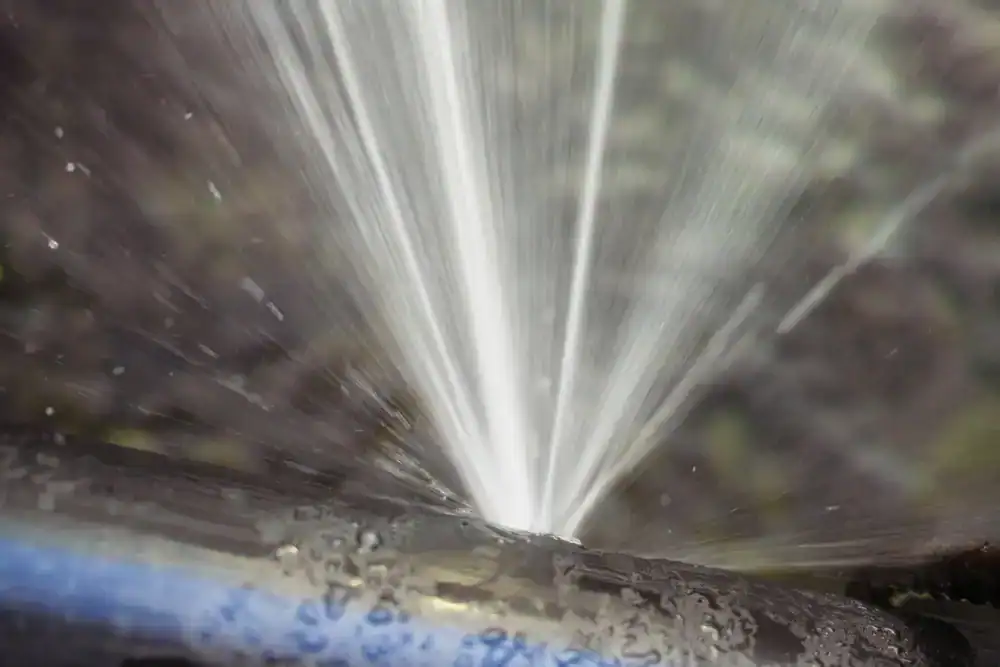
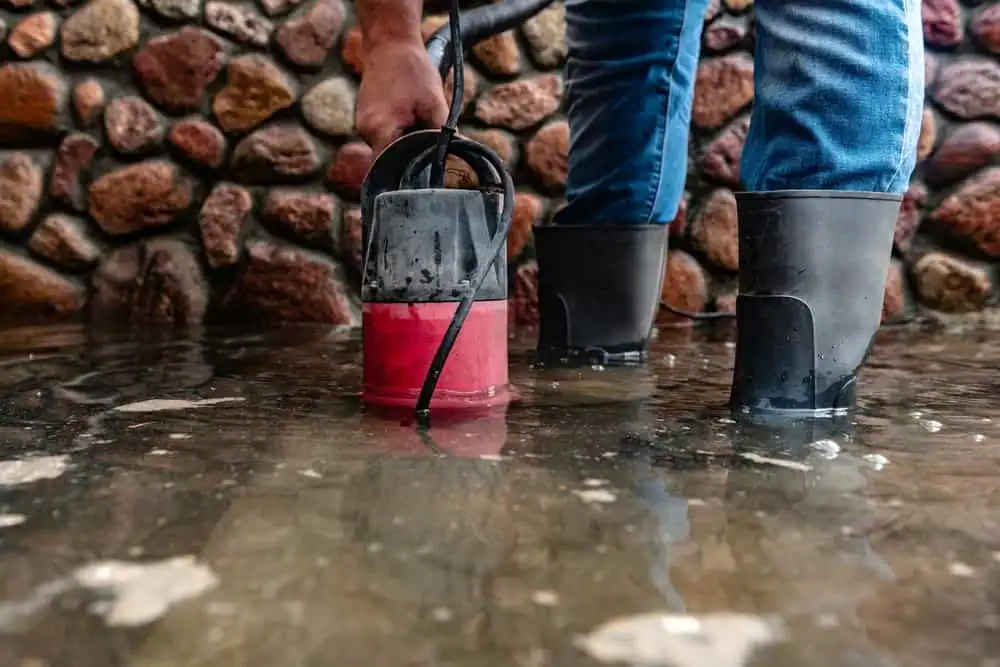
Scarsdale's Older Homes Don't Leave Room for a Slow Response
When a pipe lets go inside a pre-war Tudor or a 1930s Colonial, every hour matters — we respond 24/7 and handle everything from water extraction to full restoration.
I needed a professional consultation explanation of procedure for safe removal of Asbestos in my apartment complex. Without having an account yet, I was very impressed with the caring, knowledgeable and generous advice offered by Jessica, and will look forward to doing business in the future. Thank you so much! I feel much more informed about a sometimes scary endeavor. Peace. Nancy Silva Mineola, NY.
Mia Munoz
Used this company to clean up some water flood in my house. They were fast and easy to work with.very professional, Would recommend to anyone!
Nini Valle
Great company, had a flood and they responded quickly and efficiently. Billed my insurance company directly. I highly recommend this company!
joe colapietro, jr
I had pipe freeze in my basement right before a snow storm and they made to within an hour to help start the clean up process. They we by our side throughout the entire process and even helped with the insurance company. They did such a great job with the cleanup, repair, remidiation, I contracted them to perform the repairs and finishes in the basement. They came with enough manpower and material to get the job done. Leo and Jessica were nothing but a pleasure to deal with!!
Cristian Arredondo c
I had some water damage in my home and Green Island was able to take care of my issue quickly and effectively. I am very pleased with the work they did. They responded quickly and were very professional.
Michael M
Outstanding service! From the office to the field crew everyone was friendly, helpful and responsive. I highly recommend Green Island Group.
Your Home Restored — Not Just Dried Out and Handed Back
A burst pipe doesn’t just leave water on the floor. It soaks into wall cavities, saturates insulation, wicks into flooring, and creates the exact conditions mold needs to take hold. The EPA puts the mold growth window at 24 to 48 hours. In a home with plaster walls and old-growth framing — which describes a large portion of Fox Meadow and Greenacres in Scarsdale — wet materials don’t dry on their own. They hold moisture deep inside the wall assembly long after the surface feels dry.
What you actually need isn’t someone to run a few fans and call it done. You need moisture mapping, commercial-grade drying equipment, and a team that documents every step — because in Scarsdale, where homes routinely sell for $1.5 million and up, a mold problem discovered during a home inspection doesn’t just create a headache. It can derail a sale or cost you far more than a proper remediation ever would have.
Nearly half of all homes in Scarsdale were built before 1939. That means galvanized pipes operating decades past their expected service life, wall assemblies that were never designed for modern moisture standards, and in many cases, pipe insulation or building materials that may contain asbestos. We handle all of it — extraction, drying, mold remediation, asbestos abatement when needed, and full reconstruction — under one roof, with one point of contact, and with your insurance claim handled the right way from the start.
We’ve been handling water damage, mold remediation, and environmental restoration throughout Westchester County for over 12 years, with deep experience in the pre-war housing stock that defines Scarsdale neighborhoods like Greenacres and Fox Meadow. We know what a 1920s wall assembly looks like from the inside, what materials to expect, and how to remediate it properly without cutting corners or creating new problems.
We hold NYS and NYC M/WBE certification — a government-audited credential, not a self-designated badge — and have a documented working relationship with the NYS Office of General Services. We carry full liability insurance and workers’ compensation, hold the NYS Mold Remediation Contractor License required under Article 32 of the Labor Law, and maintain in-house asbestos abatement capability that most restoration companies simply don’t have.
When you hire us, you’re not coordinating between a restoration crew and a separate reconstruction contractor while living in a half-finished home. You make one call, and we manage the entire process — including direct communication with your insurance carrier.
Emergency Water Damage Response near Scarsdale, NY
What Actually Happens From Your First Call to a Finished Room
When you call, someone answers — not a voicemail, not an answering service. A crew gets dispatched to your address, whether it’s 2 AM on a January night or the middle of a weekend. Response time in the first hours after a pipe failure is the single biggest factor in how far the damage spreads and what the remediation ultimately costs.
Once on-site, our team starts with a full assessment — moisture meters, thermal imaging, and a visual inspection of the affected areas. In Scarsdale’s older homes, that assessment includes checking for asbestos-containing materials before any walls are opened. If asbestos is present or suspected, we handle abatement in-house with our licensed team. No separate contractor, no scheduling delay, no gap in the work. From there, extraction and structural drying begin using commercial-grade equipment, with daily moisture logs tracking the drying progress until the structure is verified dry — not assumed dry.
Reconstruction follows once drying is confirmed and documented. The Village of Scarsdale’s Building Department requires permits for reconstruction work, and we manage that process. Throughout all of it, we’re in direct contact with your insurance carrier — documenting damage in the format adjusters require, communicating on your behalf, and making sure the scope of the claim reflects the full scope of the damage.
Mold Remediation and Pipe Burst Cleanup near Scarsdale, NY
Built for Scarsdale's Homes — Not a Generic Restoration Checklist
Most restoration companies are set up for newer construction — straightforward drywall, modern plumbing, clean material profiles. Scarsdale is a different environment. When nearly half the homes in a community predate 1940, the work requires a team that understands pre-war construction, knows how to handle legacy materials, and carries the licenses to do it legally.
Our full-service model covers water extraction and emergency containment, structural drying with calibrated moisture documentation, mold remediation under the NYS Article 32 license, in-house asbestos abatement for homes where pipe insulation or building materials may contain asbestos — which is a real and common consideration in Quaker Ridge, Heathcote, and Old Scarsdale, not just a theoretical risk — and complete reconstruction to finished condition. Permits through the Village of Scarsdale Building Department are part of the process, not an afterthought.
We also offer financing up to $200,000 at 0% APR, which matters when an insurance timeline doesn’t move as fast as the mold clock does. If you need remediation to start now and the claim isn’t settled yet, that option exists. The 100% satisfaction guarantee backs every phase of the work — and with 12 years of standing behind it, that guarantee means something.
Does homeowners insurance cover burst pipe damage in Scarsdale, NY?
In most cases, yes — standard homeowners insurance covers sudden and accidental water damage from a burst pipe. That typically includes water extraction, structural drying, mold remediation, and reconstruction of damaged materials. What it usually doesn’t cover is the pipe repair itself or damage that resulted from a slow leak that went unaddressed over time.
The claims process is where things get complicated. Insurance adjusters work from documentation, and if the damage isn’t scoped and documented correctly, the settlement may not reflect the full cost of proper remediation. In Scarsdale homes with pre-war construction, the scope can be more involved than it appears on the surface — wall cavities, old insulation, and plaster assemblies hold moisture in ways that aren’t visible without moisture mapping. We document everything in the format adjusters require and communicate directly with your carrier throughout the process, so you’re not leaving money on the table because of inadequate documentation.
How fast does mold start growing after a burst pipe in my house?
The EPA and FEMA both put the window at 24 to 48 hours. Mold begins colonizing wet building materials under normal indoor conditions within that timeframe. The catch is that mold growing inside a wall cavity isn’t visible from the surface. By the time you can see it or smell it, the problem is already established and the remediation is significantly more involved.
In Scarsdale’s older homes, this timeline is especially relevant. Plaster walls, horsehair insulation, and old-growth lumber framing absorb and hold moisture differently than modern materials. A wall that feels dry to the touch may have moisture sitting deep in the assembly. That’s why professional moisture mapping matters — and why calling immediately, rather than waiting to see what happens, is the right move every time.
Do I need a permit for water damage repairs in Scarsdale?
Yes, in most cases. The Village of Scarsdale has its own Building Department that administers the New York State Uniform Fire Prevention and Building Code with local modifications. Any reconstruction work following a burst pipe — opening walls, replacing structural materials, installing new drywall, or restoring flooring — typically requires a permit from the village’s building department before work can proceed.
This is separate from Westchester County’s home improvement contractor licensing requirements, which apply to all contractors working within the county. Working without the required permits creates problems when you eventually sell the property — buyers’ attorneys and home inspectors look for unpermitted work, and it can complicate or kill a transaction on a home worth $1.5 million or more. We handle the permitting process as part of the job, so that piece doesn’t fall on you.
Is there asbestos in the pipes or walls of older Scarsdale homes?
It’s a real possibility, and in Scarsdale specifically, it’s more than a hypothetical. Nearly half of all homes in the village were built before 1939. Pre-1980 construction throughout Westchester County commonly used asbestos in pipe insulation — especially on steam and hot water pipes — as well as in floor tiles, ceiling tiles, and joint compound. In a home from the 1920s or 1930s in Greenacres, Fox Meadow, or Old Scarsdale, opening walls to address water damage without testing first is potentially illegal under New York State law and creates a serious health risk for everyone in the home.
Under the NYS Department of Labor’s Asbestos Safety and Training Program, asbestos abatement must be performed by a licensed contractor. We hold that license and perform abatement in-house — meaning if testing reveals asbestos-containing materials in the affected area, the work doesn’t stop while you wait for a separate contractor to be scheduled. Our team handles it, in sequence, without delays.
How much does burst pipe water damage restoration cost in Scarsdale, NY?
The range is wide because the variables are significant. A straightforward Category 1 clean water loss in a newer home might run $3 to $4 per square foot for extraction and drying. Category 2 damage — water from an appliance or overflow with some contamination — typically runs $4 to $6 per square foot. Category 3, which involves sewage or heavily contaminated water, can reach $7 to $7.50 per square foot or more before reconstruction costs are factored in.
In Scarsdale, the pre-war construction factor adds complexity that affects cost. Plaster walls, old insulation, and legacy materials take longer to dry and require more careful handling than modern drywall assemblies. If asbestos abatement is required before walls can be opened, that adds to the scope. Reconstruction costs depend entirely on what was damaged and what needs to be restored. The most accurate way to understand your specific cost is a professional on-site assessment — and if insurance is involved, proper documentation from the start prevents the scope from being undervalued by an adjuster.
What should I do immediately after a pipe bursts in my Scarsdale home?
First, shut off the water supply. Your main shutoff is typically in the basement or utility area — in Scarsdale’s older homes, it may be a gate valve rather than a ball valve, and it may require a full turn rather than a quarter turn to close. If you’re not sure where it is, find it now, before you need it. Once the water is off, don’t run HVAC systems in the affected area — forced air can spread moisture and mold spores to unaffected parts of the house.
Call us immediately — not in the morning, not after the weekend. The 24 to 48-hour mold window starts from the moment the water event occurs, not from when it’s convenient to deal with it. Document what you can see with photos before anything is moved or cleaned up, because that documentation supports your insurance claim. Don’t attempt to dry things out yourself with household fans — they move air but don’t remove moisture from wall assemblies, and they can give you a false sense that the situation is under control when moisture is still sitting inside the structure. Our 24/7 line means you can have a crew on the way tonight.