When a Pipe Bursts in an 80-Year-Old Greenville Home, Every Hour Counts
Burst pipe repair in Greenville means dealing with old pipes, cold winters, and a housing stock that was never built to forgive water damage. We respond 24/7 — and handle everything from emergency extraction to the finished room.
I needed a professional consultation explanation of procedure for safe removal of Asbestos in my apartment complex. Without having an account yet, I was very impressed with the caring, knowledgeable and generous advice offered by Jessica, and will look forward to doing business in the future. Thank you so much! I feel much more informed about a sometimes scary endeavor. Peace. Nancy Silva Mineola, NY.
Mia Munoz
Used this company to clean up some water flood in my house. They were fast and easy to work with.very professional, Would recommend to anyone!
Nini Valle
Great company, had a flood and they responded quickly and efficiently. Billed my insurance company directly. I highly recommend this company!
joe colapietro, jr
I had pipe freeze in my basement right before a snow storm and they made to within an hour to help start the clean up process. They we by our side throughout the entire process and even helped with the insurance company. They did such a great job with the cleanup, repair, remidiation, I contracted them to perform the repairs and finishes in the basement. They came with enough manpower and material to get the job done. Leo and Jessica were nothing but a pleasure to deal with!!
Cristian Arredondo c
I had some water damage in my home and Green Island was able to take care of my issue quickly and effectively. I am very pleased with the work they did. They responded quickly and were very professional.
Michael M
Outstanding service! From the office to the field crew everyone was friendly, helpful and responsive. I highly recommend Green Island Group.
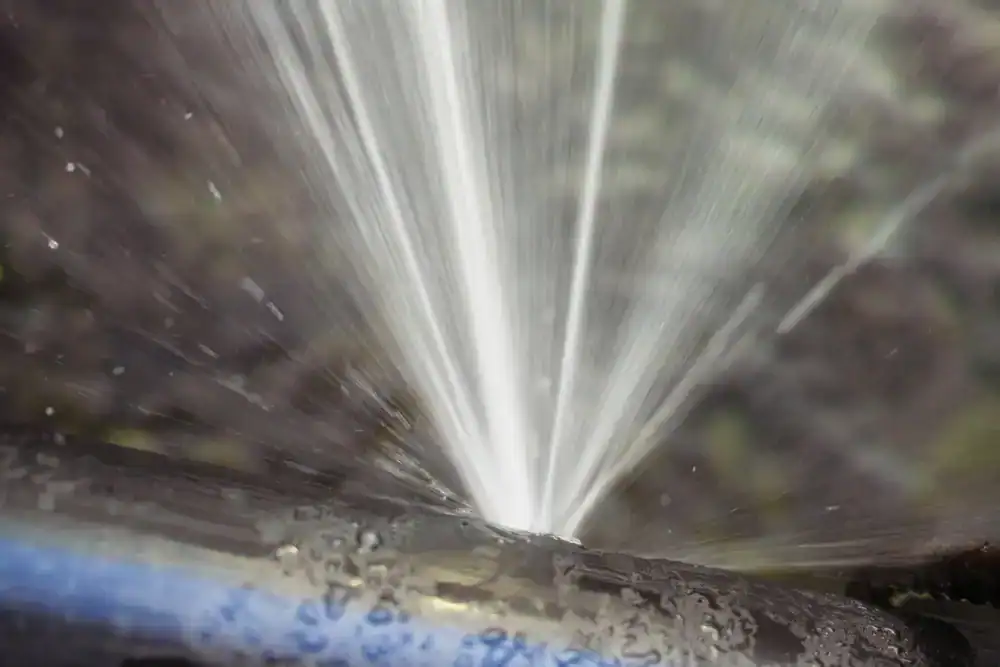
A burst pipe doesn’t just leave water on the floor. It soaks into subfloor, wicks up wall cavities, and sits behind insulation where you can’t see it. By the time it’s visible, mold has often already started — and in Greenville’s older homes, where horsehair plaster, old-growth framing, and uninsulated crawl spaces are common, moisture hides in places a shop vac and a fan will never reach.
The real outcome you’re after isn’t just dry walls. It’s knowing the damage is actually gone — not painted over, not assumed dry, but verified and restored. That means professional moisture mapping, proper extraction, structural drying, and reconstruction that brings the space back to what it was before the pipe let go.
For Greenville homeowners specifically, there’s another layer to this. The average home here is around 82 years old. That means the pipes in your walls may be galvanized steel operating well past their designed lifespan, and the materials around them may contain asbestos. Opening walls without testing first isn’t just risky — in New York State, it can be illegal. Getting this right from the start protects your home, your health, and your ability to sell or insure the property down the road.
We’ve been doing environmental restoration work in New York for over 12 years. That’s not a marketing number — it’s the kind of track record that only exists because the work holds up and the clients come back. We’re NYS and NYC M/WBE Certified, fully insured including liability and workers’ compensation, and have an established working relationship with the NYS Office of General Services. That’s government-level vetting, not a logo on a website.
Greenville sits in Greene County at the base of the Catskill escarpment — about 25 miles south of Albany, with winters that hit harder and longer than anything you’d see in Westchester. We know this area and the specific challenges that come with it: old housing stock, rural addresses spread across 38 square miles, and a local contractor market thin enough that the wrong hire can cost you months. That’s the gap we fill.
From the hamlet of Freehold to Norton Hill to East Greenville, if you’re in the town of Greenville and a pipe has burst, this is the call to make.
From the Emergency Call to a Finished Room — Here's What Happens
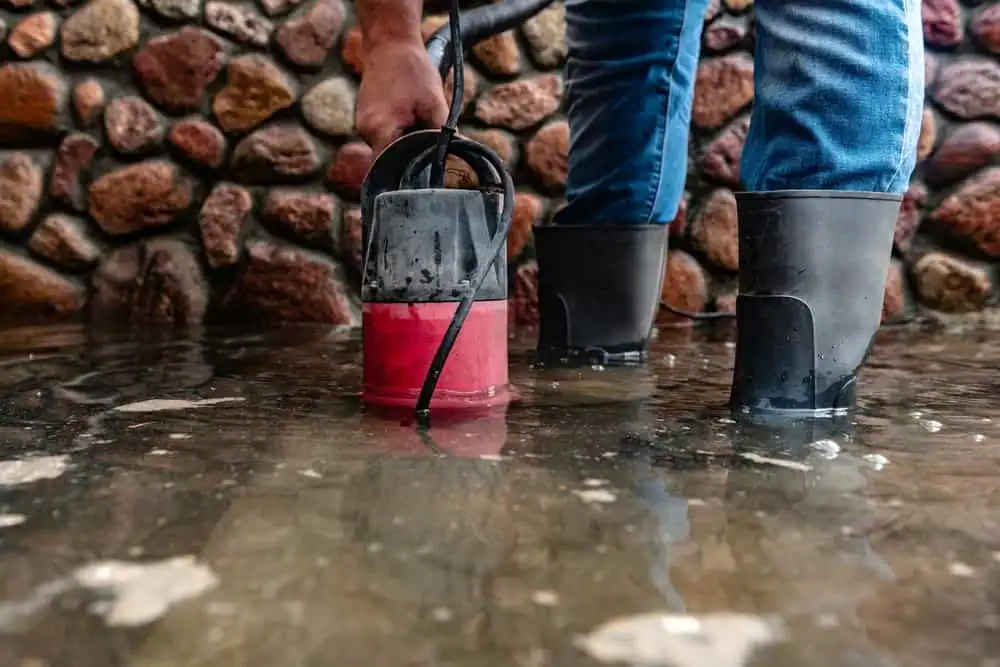
When you call, the first priority is stopping the damage from spreading. That means getting a crew to your property as fast as possible — day or night — to extract standing water and begin assessing the full scope of what the pipe released. A burst pipe can push out four to eight gallons per minute, so time between the break and extraction directly determines how much remediation you’re looking at.
Once the water is out, the real assessment begins. Moisture mapping tells the story your eyes can’t — where water traveled, what materials absorbed it, and what needs to come out versus what can be dried in place. In a Greenville home built before 1978, this step also includes checking for asbestos-containing materials before any walls are opened. We handle abatement in-house, which means no waiting on a separate contractor, no scheduling gap, and no added complexity for you to manage.
After remediation is complete and the structure is verified dry, reconstruction begins. Drywall, flooring, framing, finishes — whatever the damage took, it gets rebuilt. The insurance process runs alongside all of this, with us documenting and communicating directly with your carrier so you’re not stuck in the middle of a claim while also managing a construction project. The job ends when your home is back to normal — not when the dehumidifiers leave.
Full-Service Water Damage Repair in Greenville, NY
Everything the Job Needs — Under One Contractor
Most restoration companies stop at remediation. They dry the structure, pull the damaged material, and hand you off to a general contractor for the rebuild. In Greenville — where the nearest qualified contractor might be 45 minutes away and winter schedules are unpredictable — that handoff gap can stretch a two-week project into two months of open walls and disrupted living.
We cover the full scope: emergency water extraction, structural drying, mold remediation, asbestos abatement when the housing stock requires it, and complete reconstruction. That’s one point of contact, one schedule, and one company accountable for the finished result. For Greenville homeowners dealing with older homes along Route 32 or out in the rural hamlets, that continuity isn’t a convenience — it’s the difference between a project that gets done and one that stalls.
The financing option matters here too. Up to $200,000 at 0% APR means you can authorize the work immediately — before the insurance check clears, before the claim is fully settled, before the mold clock runs out. Given that Greene County homes often carry higher deductibles and that coverage disputes are common in water damage claims, having that financial flexibility to start on day one is worth more than most homeowners realize until they actually need it.
What should I do immediately after a pipe bursts in my Greenville home?
The first thing to do is shut off the water supply — either at the fixture shutoff or the main shutoff for the house. If you don’t know where your main shutoff is, find it before winter, not during a crisis. Once the water is off, don’t run fans or try to dry things yourself before a professional assesses the damage. Moving air through a wet structure without proper containment can spread mold spores and push moisture deeper into materials.
Call a restoration company immediately — not the next morning, not after the weekend. The 24 to 48 hour window before mold begins growing on wet building materials is real, and in an older Greenville home with poor insulation and tight wall cavities, that timeline can move faster than you’d expect. Document everything with photos before anyone touches it, and don’t throw away damaged materials until your insurance adjuster has seen them or our restoration company has documented the scope. That documentation is what gets your claim paid correctly.
Does homeowners insurance cover burst pipe damage in New York State?
In most cases, yes — but the details matter more than the general answer. Standard homeowners insurance in New York covers sudden and accidental water damage, which includes a pipe that freezes and bursts during a cold snap. What it typically does not cover is damage resulting from neglect — meaning if an adjuster can argue that the pipe was visibly deteriorating, that the heat was left too low in an unoccupied home, or that the damage went unreported for an extended period, coverage can be reduced or denied.
For Greenville homeowners with vacation or seasonal properties, this is a real exposure. If a pipe bursts while the house is unoccupied and the damage isn’t discovered for days or weeks, insurers will look closely at whether reasonable precautions were taken. Keeping heat above 55°F, shutting off the water supply when the property is vacant for extended periods, and reporting damage promptly are the practical steps that keep a claim payable. We work directly with your carrier throughout the process — documenting scope, communicating with adjusters, and making sure the full extent of the damage is captured before any work begins.
How quickly can mold grow after a burst pipe in an older home?
Mold can begin growing on wet building materials within 24 to 48 hours. That’s the EPA’s documented window, and it’s not a worst-case scenario — it’s the standard timeline under normal indoor conditions. In an older Greenville home, the risk compounds quickly. Homes built in the 1930s and 1940s often have poor vapor barriers, unfinished basement and crawl space areas that stay damp, and wall assemblies that trap moisture rather than releasing it. Those conditions support mold growth faster than a well-sealed modern house would.
The other factor is visibility. Mold that starts behind a wall, under a subfloor, or inside a ceiling cavity won’t be obvious until the growth is already established. By the time you smell it or see discoloration, you’re past the early intervention window. Professional moisture mapping after a burst pipe — not just a visual check — is what catches hidden saturation before it becomes a mold project. That’s why the first 24 hours after a pipe bursts are the most important ones, and why waiting to see if it dries out on its own is almost always the more expensive decision.
Do I need asbestos testing before water damage repairs in my Greenville house?
If your home was built before 1978 and walls or ceilings need to be opened for remediation, the honest answer is yes — you should test before anything is disturbed. Asbestos was commonly used in pipe insulation, floor tiles, ceiling tiles, and joint compound throughout the mid-20th century. Given that the average home in Greenville is approximately 82 years old, a significant portion of the housing stock falls squarely in that range. Disturbing asbestos-containing materials without proper abatement is a health risk for your family and the workers in your home, and in New York State, it can also be a legal issue.
The practical concern for homeowners is that most restoration companies are not licensed to perform asbestos abatement. That means they either skip the testing step — which creates risk — or they stop work and bring in a separate abatement contractor, which creates delays. We handle abatement in-house under NYS licensing requirements, which means the testing, containment, and removal happen as part of the same project without a scheduling gap or a separate contractor to manage. For older homes in Greenville and throughout Greene County, this isn’t an edge case — it’s a routine part of what water damage restoration actually requires.
How long does it take to fully dry out a house after a burst pipe?
The drying timeline depends on how much water was released, how long it sat before extraction began, and what materials absorbed it. Under professional drying conditions — commercial dehumidifiers, air movers, and active monitoring — a typical water damage event takes three to five days to reach acceptable moisture levels in standard building materials. Concrete slabs, hardwood floors, and dense framing can take longer, sometimes seven to ten days or more depending on the saturation level.
In Greenville homes, a few local factors can extend that timeline. Older construction with dense plaster walls, uninsulated crawl spaces, and limited airflow in wall cavities holds moisture differently than modern drywall construction. Winter conditions also play a role — cold ambient temperatures slow evaporation, and running heating systems alongside drying equipment requires careful management to avoid creating condensation in unaffected areas. The drying process should be monitored with moisture meters throughout, not estimated by feel or appearance. Walls that look dry on the surface can still be holding moisture at the core, and closing up too early is one of the most common causes of mold problems that show up weeks after a restoration is supposedly complete.
Can we handle burst pipe repair in a vacation home you're not at?
Yes, and this is one of the more common situations in the Greenville area. Greene County has a meaningful population of second-home and seasonal property owners — people who bought a farmhouse or cabin near the Catskills and get a call in January that something has gone wrong while they’re back in Albany or elsewhere. Managing a restoration project remotely is genuinely difficult when you’re working with multiple contractors who don’t communicate with each other.
Because we handle the full scope — extraction, drying, remediation, abatement if needed, and reconstruction — you have one point of contact for the entire project. We document the damage in detail for your insurance carrier, communicate with the adjuster on your behalf, and keep you informed throughout without requiring you to be on-site to manage handoffs. For a vacant property that’s been sitting through a Greene County winter, the response also includes a full assessment of secondary damage — frozen drain lines, compromised insulation, structural moisture that may not be obvious from the initial break point. The goal is to hand you back a property that’s fully restored, not one that’s been partially dried and left for you to figure out the rest.