I needed a professional consultation explanation of procedure for safe removal of Asbestos in my apartment complex. Without having an account yet, I was very impressed with the caring, knowledgeable and generous advice offered by Jessica, and will look forward to doing business in the future. Thank you so much! I feel much more informed about a sometimes scary endeavor. Peace. Nancy Silva Mineola, NY.
Mia Munoz
Used this company to clean up some water flood in my house. They were fast and easy to work with.very professional, Would recommend to anyone!
Nini Valle
Great company, had a flood and they responded quickly and efficiently. Billed my insurance company directly. I highly recommend this company!
joe colapietro, jr
I had pipe freeze in my basement right before a snow storm and they made to within an hour to help start the clean up process. They we by our side throughout the entire process and even helped with the insurance company. They did such a great job with the cleanup, repair, remidiation, I contracted them to perform the repairs and finishes in the basement. They came with enough manpower and material to get the job done. Leo and Jessica were nothing but a pleasure to deal with!!
Cristian Arredondo c
I had some water damage in my home and Green Island was able to take care of my issue quickly and effectively. I am very pleased with the work they did. They responded quickly and were very professional.
Michael M
Outstanding service! From the office to the field crew everyone was friendly, helpful and responsive. I highly recommend Green Island Group.
What Changes When Water Damage Restoration Is Done Right in Irvington
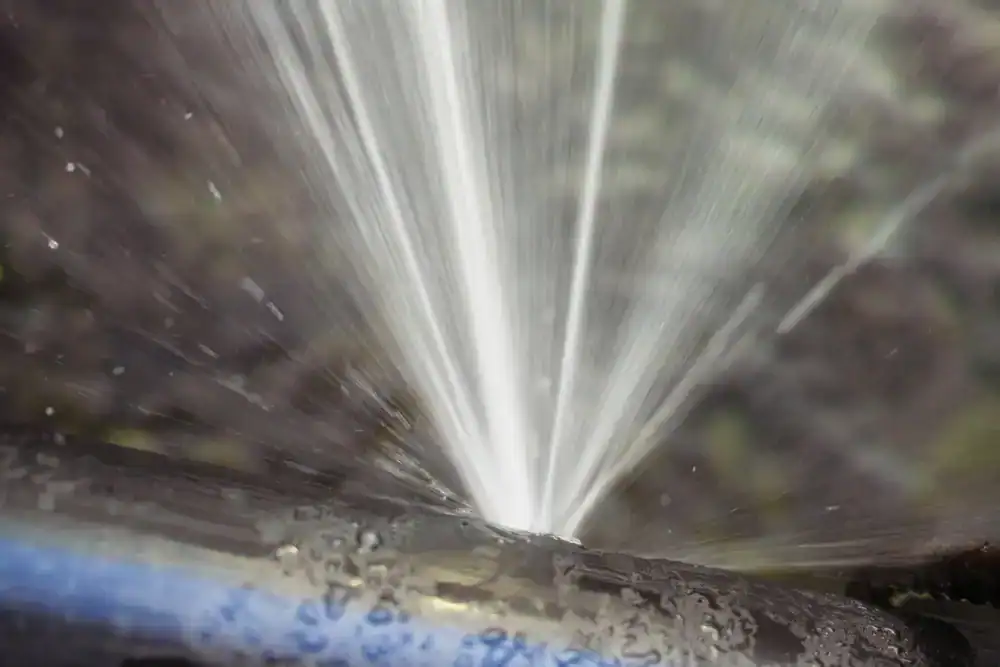
A burst pipe in Irvington is not just a plumbing problem. It is a building problem. Many homes in this village were built in the late 1800s and early 1900s, which means the walls holding that water right now may contain original plaster, old-growth lumber, and materials that absorb moisture in ways modern drywall simply does not. When water gets into those assemblies and stays there, mold can begin growing within 24 to 48 hours — often inside the wall, invisible from the surface, and far more expensive to deal with than the pipe that started it.
The difference between a good outcome and a bad one is almost entirely about speed and thoroughness. Fast extraction matters. So does moisture mapping that confirms what you cannot see. When the drying is done right and every affected cavity is documented, you are not just cleaning up — you are protecting the structural integrity of a home that, in Irvington, likely carries a value well above $1 million.
There is also the insurance side of this. A well-documented claim — one where damage is recorded in the format adjusters actually need — can recover significantly more than a poorly documented one. That gap can be thousands of dollars on a high-value Westchester property. Getting the right company in the door quickly is not just about the water. It is about everything that follows.
12 Years in Westchester Means We Know What Is Behind Your Irvington Walls
We have been doing environmental restoration work across Westchester County for over 12 years. That includes homes throughout the Rivertowns — Irvington, Tarrytown, Dobbs Ferry, Hastings-on-Hudson — where the housing stock is older, the architecture is irreplaceable, and the stakes are high. This is not a franchise operation or a national referral network. We are a licensed, insured, NYS and NYC M/WBE certified contractor that has worked in the specific building environments Irvington homeowners actually live in.
We hold a NYS Mold Remediation Contractor License under Article 32 of the Labor Law, carry full liability insurance and workers’ compensation coverage, and have an established working relationship with the NYS Office of General Services — a level of vetting that most private contractors never go through. Our 100% satisfaction guarantee is backed by over a decade of standing behind the work, not a marketing line from a company that launched last year.
Emergency Burst Pipe Cleanup Process Irvington, NY
From the Moment You Call to the Day Your Irvington Home Is Whole Again
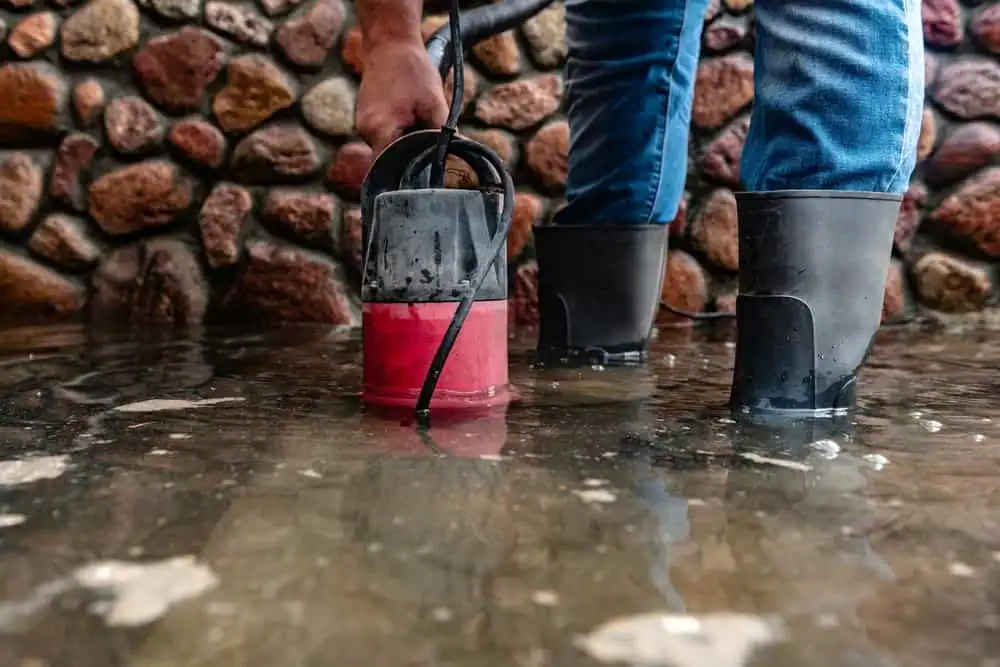
When you call, you reach a live dispatcher — not an answering service. If it is 2 AM on a January night and a pipe has let go in your home near North Broadway or East Irvington, someone picks up and commits to arrival time. That matters because the first few hours after a pipe bursts are the most important ones in determining your total cost and outcome.
Once on site, our crew begins with extraction and then thermal imaging and moisture mapping to find water that has migrated into wall cavities, subfloor assemblies, or crawl spaces. In Irvington’s older homes, water travels further and faster through original building materials than it does in newer construction, so this step is not optional — it is the difference between a complete remediation and one that leaves hidden moisture behind. Industrial drying equipment goes in, and readings are documented throughout the drying process so there is a clear record for your insurance claim.
If the affected walls or materials contain asbestos — a real possibility in any Irvington home built before 1980 — we handle that in-house before any further demolition or reconstruction begins. When remediation is complete, the reconstruction phase starts: walls, floors, ceilings, whatever was opened or removed gets rebuilt. Because Irvington’s Building Department requires permits for structural work and all plumbing repairs must be performed by Westchester County Board of Plumbing Examiners-licensed contractors, we operate within those requirements from day one — no compliance surprises when you go to sell.
Full-Service Pipe Burst Restoration Westchester County
Everything Covered, Nothing Left for You to Chase Down
Most restoration companies dry the damage and leave. You then spend weeks finding a general contractor, scheduling a second project, and managing two separate timelines while your home sits partially torn apart. We do not work that way. Our scope runs from emergency water extraction through mold remediation, asbestos abatement where needed, structural drying, and complete reconstruction of affected areas. When the job is done, the room looks the way it did before — not like a remediation project waiting for its next phase.
For Irvington homeowners in the Historic District or near landmark properties like the Armour-Stiner Octagon House corridor, reconstruction work may require review by the village’s Architectural Review Board in addition to standard building permits. That is a layer of regulatory complexity most out-of-area contractors are not prepared for. Our familiarity with Westchester County’s permitting environment means that compliance is built into the process, not discovered after the fact.
The financing option is also worth knowing about: up to $200,000 at 0% APR. If your deductible is high, your claim is disputed, or there is a timing gap between the damage and the payout, remediation does not have to wait. Waiting is almost always the more expensive choice — and with a home valued at what Irvington properties typically carry, that math is not close.
How quickly can mold grow after a burst pipe in an Irvington home?
Mold can begin growing on wet building materials within 24 to 48 hours of a water intrusion event, according to both the EPA and FEMA. In a newer home with modern drywall, that window is tight but manageable. In an older Irvington home with original plaster walls, horsehair insulation, and old-growth lumber framing, the risk is higher because those materials are far more porous and absorb moisture deeply. Water does not sit on the surface — it wicks into the wall assembly, and once it is there, surface drying does not reach it.
This is why the response time matters so much. A professional crew with extraction equipment and thermal imaging arriving within hours of the pipe failure is a fundamentally different outcome than one arriving the next business day. If you are a commuter who discovered the damage after a long day in the city, the clock is already running. The faster professional equipment is in your Irvington home, the lower your total exposure — in cost, in disruption, and in health risk.
Does homeowners insurance cover burst pipe water damage repair in Irvington, NY?
Most standard homeowners insurance policies cover sudden and accidental water damage from a burst pipe — meaning the pipe failed unexpectedly, not because of gradual deterioration or deferred maintenance. In Irvington, where a significant portion of the housing stock has older plumbing systems, the “maintenance” question can become a point of contention with adjusters. Galvanized steel pipes in homes built before 1960 have a known service life, and insurers may scrutinize claims involving those systems more closely.
This is exactly where having a restoration contractor who handles the insurance process directly makes a real difference. We document damage in the format adjusters require, communicate with the carrier throughout the project, and advocate for your interests rather than the insurer’s cost reduction goals. On a Westchester property worth $1 million or more, the difference between a well-managed claim and a poorly documented one can easily be tens of thousands of dollars. That advocacy is part of the service, not an add-on.
Do I need a permit for water damage repairs and reconstruction in Irvington?
Yes, in most cases. The Village of Irvington’s Building Department requires permits for structural alterations, which includes the reconstruction of walls, floors, or ceilings that were opened or removed during water damage remediation. Any plumbing work — including pipe repair or replacement — must be performed by a contractor licensed by the Westchester County Board of Plumbing Examiners, per Irvington’s municipal code. All permit applications in Irvington are submitted through the village’s online permit system, and the Building Department can be reached at 914-591-8335.
If your property is located within Irvington’s Historic District, there is an additional layer: the Architectural Review Board may need to review certain exterior or structural changes before work begins. This is not something most out-of-area contractors are familiar with, and discovering a compliance issue after reconstruction is already underway creates real problems — both for the project timeline and for your ability to document the work properly when you eventually sell the property. Working with a contractor who knows this environment from the start prevents those surprises.
Should I be concerned about asbestos when repairing water damage in my older Irvington home?
If your home was built before 1980, yes — this is worth taking seriously. Asbestos was commonly used in pipe insulation, floor tiles, ceiling tiles, and joint compound in homes built through the late 1970s. Irvington has a high concentration of pre-1940 and pre-1920 homes, many of which have never had a full asbestos assessment. When a burst pipe requires opening walls or removing damaged materials, disturbing asbestos-containing materials without proper abatement is potentially illegal under New York State law and creates genuine health risk for everyone in the home.
The practical issue is that most restoration contractors are not equipped to handle asbestos in-house. They identify the risk, stop work, and then you are waiting for a separate abatement contractor to schedule and complete their portion before restoration can resume. We handle asbestos abatement as part of the same project — no separate contractor, no scheduling gap, no break in accountability. For an Irvington homeowner in a pre-1980 property, this is not a hypothetical concern. It is a real one that deserves a direct answer before you choose who to call.
How long does it take to fully dry out a house after a burst pipe?
The honest answer is that it depends on how much water released, how far it traveled, and what materials it got into. In a typical scenario with industrial drying equipment running continuously, a contained water damage event in a modern home might reach acceptable moisture levels in three to five days. In an older Irvington home with original plaster walls, subfloor assemblies, or a finished basement, the drying process often takes longer — sometimes seven to ten days or more — because those materials hold moisture more deeply and release it more slowly.
The more important point is that drying time should be determined by actual moisture readings, not by a calendar. A crew that pulls equipment after five days without taking final moisture measurements is guessing. We document readings throughout the drying process and do not close out the drying phase until the numbers confirm the materials are within acceptable range. That documentation also becomes part of your insurance file — evidence that the remediation was completed properly, which matters both for your claim and for your peace of mind long after the crew has left.
What is the difference between a plumber and a water damage restoration company for a burst pipe?
A licensed plumber fixes the pipe. That is their job, and it is the right first call when a pipe has failed. But stopping the water is only the beginning. Once the pipe is repaired, everything the water touched — walls, floors, ceilings, insulation, structural framing — is still wet, and wet building materials left unaddressed will develop mold within 24 to 48 hours. A plumber is not equipped to extract standing water, run industrial drying equipment, map hidden moisture with thermal imaging, test for asbestos in older wall assemblies, or document the damage for an insurance claim. That is what a restoration contractor does.
In Irvington specifically, where many homes are over 100 years old and carry significant value, the gap between fixing the pipe and fully restoring the home is substantial. The plumber handles the source. We handle everything the water left behind — and in an older Rivertown home, that scope can be considerable. We work alongside your plumber or can coordinate that piece as well, depending on what the situation requires. The goal is that you are not managing two separate projects on two separate timelines while your home sits open and at risk.