When Your Heritage Hills Condo Walls Are Wet, Every Hour Costs You
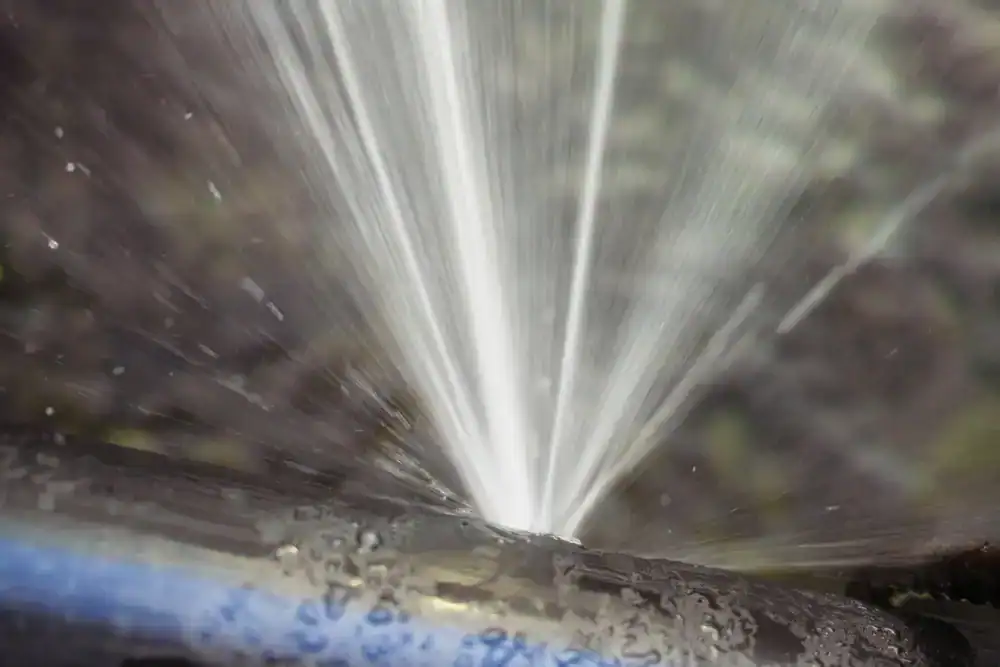
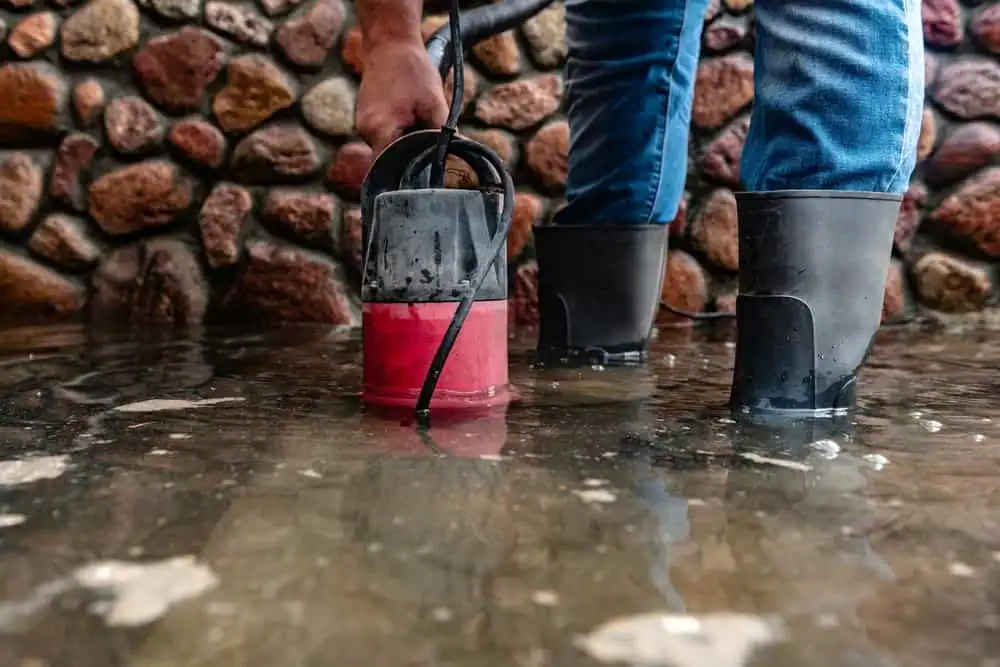
A burst pipe in Heritage Hills doesn’t just damage your unit — it can travel through shared walls and into your neighbor’s home before you’ve even called anyone. We respond 24/7 and handle everything from water extraction to finished reconstruction, including direct insurance billing.
I needed a professional consultation explanation of procedure for safe removal of Asbestos in my apartment complex. Without having an account yet, I was very impressed with the caring, knowledgeable and generous advice offered by Jessica, and will look forward to doing business in the future. Thank you so much! I feel much more informed about a sometimes scary endeavor. Peace. Nancy Silva Mineola, NY.
Mia Munoz
Used this company to clean up some water flood in my house. They were fast and easy to work with.very professional, Would recommend to anyone!
Nini Valle
Great company, had a flood and they responded quickly and efficiently. Billed my insurance company directly. I highly recommend this company!
joe colapietro, jr
I had pipe freeze in my basement right before a snow storm and they made to within an hour to help start the clean up process. They we by our side throughout the entire process and even helped with the insurance company. They did such a great job with the cleanup, repair, remidiation, I contracted them to perform the repairs and finishes in the basement. They came with enough manpower and material to get the job done. Leo and Jessica were nothing but a pleasure to deal with!!
Cristian Arredondo c
I had some water damage in my home and Green Island was able to take care of my issue quickly and effectively. I am very pleased with the work they did. They responded quickly and were very professional.
Michael M
Outstanding service! From the office to the field crew everyone was friendly, helpful and responsive. I highly recommend Green Island Group.
What Changes When the Water Is Gone and You Know It's Actually Gone
Most people dealing with a burst pipe in Heritage Hills aren’t just worried about the water they can see. They’re worried about what’s sitting inside the walls of a building that was constructed in the late 1970s or early 1980s — walls that have been through decades of northern Westchester winters, freeze-thaw cycles, and the kind of cold that settles into Somers when the temperature drops and stays there. When remediation is done right, you’re not just dry. You know you’re dry, because the documentation exists to prove it.
The condominium setting here adds a layer that single-family homeowners don’t deal with. Water that originates in your unit doesn’t respect the boundary between your floor and your neighbor’s ceiling. A pipe failure on the third floor of a Plum Brook or Ridge Crest building can reach two units below it within the time it takes to locate the shutoff. When the remediation process covers every affected space — not just the room where the pipe failed — you’re not left with a situation where damage surfaces somewhere else three months later.
There’s also the mold window to consider. The EPA documents that mold can begin growing on wet building materials within 24 to 48 hours. In a community where many residents travel during winter months and a unit might sit unoccupied for days before anyone notices the damage, that window matters. Getting a crew in the same night isn’t an upsell — it’s the difference between a water damage job and a mold remediation project.
12 Years Handling Heritage Hills Water Damage, Not a Call Center Behind It
We’ve been handling water damage, mold remediation, and full restoration work across Westchester County for over 12 years. That includes northern Westchester’s older housing stock, its cold winters, and the specific challenges that come with working inside condominium communities like Heritage Hills — where condo association rules, layered insurance policies, and shared building systems all affect how a job gets done.
We hold NYS and NYC M/WBE certification, carry full liability insurance and workers’ compensation, and have been awarded contracts through the NYS Office of General Services. Those aren’t marketing claims — they’re the kind of credentials that Heritage Hills condo associations typically require before any contractor sets foot inside a unit. You won’t need to chase down proof of insurance or explain to your HOA why you hired someone.
The work covers everything: emergency water extraction, structural drying, mold testing and remediation, and complete reconstruction. One company, one point of contact, from the night the pipe fails to the day the unit looks the way it did before.
From the Emergency Call to a Finished Heritage Hills Unit — Here's the Sequence
The first call triggers a 24/7 emergency response. We dispatch a crew to your Heritage Hills unit, and the first priority is stopping any ongoing water intrusion and assessing the full extent of the damage — including adjacent units if water has crossed into a neighboring space. In a multi-story condominium building, that assessment matters as much as the extraction itself. Water moves through floor and ceiling assemblies quickly, and what looks like a contained event in one unit is often a two- or three-unit situation by the time anyone arrives.
Once the scope is documented, we deploy industrial extraction and drying equipment. This isn’t a fan-in-the-corner situation. Commercial-grade dehumidifiers and air movers are positioned based on moisture readings taken inside the wall cavities and subfloor systems — because surface dryness and structural dryness are two different things. In Heritage Hills buildings that date to the late 1970s and early 1980s, older construction materials hold moisture differently than newer builds, and the drying timeline reflects that.
While drying is underway, we work directly with your insurance carrier — or carriers, if the damage has affected multiple units and multiple policies. Documentation is prepared in the format adjusters require. If there’s a coverage dispute or a gap between your HO-6 policy and the condo association’s master policy, the 0% APR financing available up to $200,000 means remediation doesn’t have to wait for the paperwork to resolve. Reconstruction follows once the structure is confirmed dry, and the job isn’t closed until the unit is back to pre-loss condition.
Built for the Specific Complexity of Heritage Hills Condo Water Damage
Heritage Hills isn’t a typical service call. It’s a condominium community of roughly 2,600 units spread across East Hill and West Hill, governed by both the Heritage Hills Society and individual condo sub-associations, and served by a private water and sewer system operated by Veolia Water — not the Town of Somers. When a pipe fails here, the question of whether the failure is within Veolia’s infrastructure, the building’s common plumbing, or a unit-specific line affects which insurance policy responds. Our assessment process documents exactly where the failure occurred and produces the kind of evidence that supports a clean claim regardless of which party’s coverage is implicated.
The service includes emergency water extraction, thermal imaging to locate moisture behind walls and under flooring, industrial structural drying, air quality testing, mold remediation where needed, asbestos testing for units in the older Plum Brook and Ridge Crest buildings where pre-1980s materials may be present, and complete reconstruction through finished surfaces. Westchester County requires a valid Home Improvement Contractor license for this work, and New York State requires a separate Mold Remediation Contractor License under Article 32 of the Labor Law. We hold both.
For Heritage Hills residents who own their unit as a primary residence and are managing this in real time — possibly alone, possibly without a contractor they’ve used before — the ability to hand the insurance coordination off entirely is part of what the service covers. You shouldn’t have to learn condo insurance law during a water emergency.
Who is responsible for burst pipe damage in a Heritage Hills condo?
The answer depends on where the pipe is located, and it’s one of the more genuinely complicated questions in condo ownership. In most Heritage Hills condo associations, pipes that serve only your unit and run within your unit’s boundaries are your responsibility — covered by your HO-6 policy. Pipes that are part of the building’s common system, or that serve multiple units, typically fall under the condo association’s master policy. The problem is that the line between those two categories isn’t always obvious when you’re standing in a flooded room.
What makes Heritage Hills more complex than most communities is the layered governance structure — the Heritage Hills Society oversees community-wide infrastructure, while individual condo groups like Heritage Hills Condo 12 have their own sub-association documents. The specific CC&Rs and master policy for your condo group govern who covers what. We document the damage and the origin point in enough detail that both your adjuster and the association’s adjuster have what they need to make the coverage determination — without you having to interpret the documents yourself.
Can a burst pipe in my Heritage Hills unit damage my neighbor's condo?
Yes, and it happens more often than people expect. In a multi-story condominium building, water that enters a floor assembly moves laterally and vertically through the structure. A pipe failure on an upper floor can saturate the ceiling of the unit below within minutes, and in some cases reach a second floor down before anyone has located the shutoff. In Heritage Hills buildings that date to the late 1970s and early 1980s, the floor and ceiling assemblies between units are older construction — they don’t have the moisture barriers that newer buildings include, and they can absorb and hold water in ways that aren’t visible from inside either unit.
When a burst pipe event affects more than one unit, we assess and document all affected spaces simultaneously. That matters for insurance purposes — each affected unit owner needs their own documentation for their own claim, and the timeline of water movement affects how each claim is evaluated. Coordinating remediation across multiple units through a single contractor also prevents the situation where one unit is dried out while an adjacent unit is still wet, which creates ongoing moisture migration and potential mold growth in the unit that was supposedly already remediated.
How quickly does mold start growing after a burst pipe in a Heritage Hills condo?
The EPA and FEMA both document that mold can begin colonizing wet building materials within 24 to 48 hours of a water intrusion event. That’s not a worst-case scenario — that’s the standard timeline under typical indoor conditions. In a Heritage Hills unit where the pipe burst went unnoticed for several hours, or where the unit was unoccupied during a winter cold snap while the resident was traveling, that window may already be partially closed by the time anyone calls.
The specific concern in Heritage Hills’s older buildings is what’s inside the wall cavities and subfloor systems. Surface materials can feel dry while structural materials behind them — wood framing, insulation, drywall paper — remain wet and actively growing mold. Thermal imaging and moisture metering behind wall surfaces, not just on them, is how you know whether the 24-48 hour window has been beaten or not. Our 24/7 emergency response exists specifically so that the crew arrives before that window closes — not the next morning.
Does my HO-6 insurance cover burst pipe water damage at Heritage Hills?
Most standard HO-6 policies cover sudden and accidental water damage from a burst pipe — meaning the pipe failed unexpectedly, not because of gradual deterioration that went unaddressed. If the pipe that failed had visible corrosion or had been leaking slowly for months, a carrier may dispute the claim on the basis that the damage was not sudden. In Heritage Hills buildings that date to the late 1970s and early 1980s, where original plumbing systems are now 40 to 50 years old, that distinction can come up.
What your HO-6 typically covers is damage to the interior of your unit — flooring, walls, ceilings, personal property, and additional living expenses if the unit is uninhabitable during remediation. What it typically does not cover is damage to common areas or adjacent units, which would fall under the condo association’s master policy. The overlap and gap between those two policies is where most Heritage Hills insurance disputes originate. Our documentation process is designed to give both carriers a clear, accurate picture of what happened, where the water went, and what it damaged — which is the foundation of any successful claim regardless of which policy is responding.
How long does burst pipe water damage restoration take in a Heritage Hills condo?
The drying phase alone typically takes three to five days for a standard single-unit water damage event, though that timeline extends when damage has spread to multiple units, when older building materials are involved, or when the water sat for an extended period before remediation began. In Heritage Hills buildings from the late 1970s and early 1980s, the construction materials — older drywall, wood subfloor systems, plaster in some cases — hold moisture longer than modern materials, and the drying equipment stays in place until moisture readings confirm the structure is genuinely dry, not just surface-dry.
After drying is confirmed, reconstruction begins. The timeline for reconstruction depends on what was damaged — replacing flooring and repainting a single room is a matter of days, while rebuilding sections of wall assembly, replacing subfloor, or restoring a kitchen or bathroom takes longer. The full project from emergency call to finished unit typically runs two to four weeks for a contained single-unit event, and longer for multi-unit situations. We handle both phases, so there’s no gap between the remediation contractor leaving and a reconstruction contractor arriving — the schedule runs continuously.
Is Heritage Hills's private water system a factor in burst pipe claims?
It can be. Heritage Hills operates on a private water and sewer system managed by Veolia Water — the Town of Somers explicitly states that the Heritage Hills water system is not owned or maintained by the town. The NYS Department of Environmental Conservation published a permit notice for the Heritage Hills Sewage Treatment Plant as recently as November 2023, and the Town of Somers has commissioned a formal Heritage Hills Water and Sewer Infrastructure Assessment, which signals that the system’s age and condition have drawn regulatory attention.
When a pipe fails in or near your unit, determining whether the failure is within Veolia’s supply infrastructure, the building’s common plumbing lines, or your unit’s internal plumbing is not always immediately clear — but it directly determines which party is responsible and which insurance policy responds. A failure in Veolia’s system is their liability. A failure in the building’s common plumbing is typically the condo association’s. A failure in your unit’s internal lines is yours. Our assessment documents the origin point of the failure with enough specificity that you, your condo association, and the relevant insurance carriers all have a clear answer — rather than spending weeks arguing about it while the damage sits unaddressed.