When a Pipe Fails in a Katonah Victorian, Hours Matter
When a pipe lets go inside a century-old Victorian in Katonah, every hour counts. We respond 24/7 — handling the water, the damage, and the insurance claim so you don’t have to.
I needed a professional consultation explanation of procedure for safe removal of Asbestos in my apartment complex. Without having an account yet, I was very impressed with the caring, knowledgeable and generous advice offered by Jessica, and will look forward to doing business in the future. Thank you so much! I feel much more informed about a sometimes scary endeavor. Peace. Nancy Silva Mineola, NY.
Mia Munoz
Used this company to clean up some water flood in my house. They were fast and easy to work with.very professional, Would recommend to anyone!
Nini Valle
Great company, had a flood and they responded quickly and efficiently. Billed my insurance company directly. I highly recommend this company!
joe colapietro, jr
I had pipe freeze in my basement right before a snow storm and they made to within an hour to help start the clean up process. They we by our side throughout the entire process and even helped with the insurance company. They did such a great job with the cleanup, repair, remidiation, I contracted them to perform the repairs and finishes in the basement. They came with enough manpower and material to get the job done. Leo and Jessica were nothing but a pleasure to deal with!!
Cristian Arredondo c
I had some water damage in my home and Green Island was able to take care of my issue quickly and effectively. I am very pleased with the work they did. They responded quickly and were very professional.
Michael M
Outstanding service! From the office to the field crew everyone was friendly, helpful and responsive. I highly recommend Green Island Group.
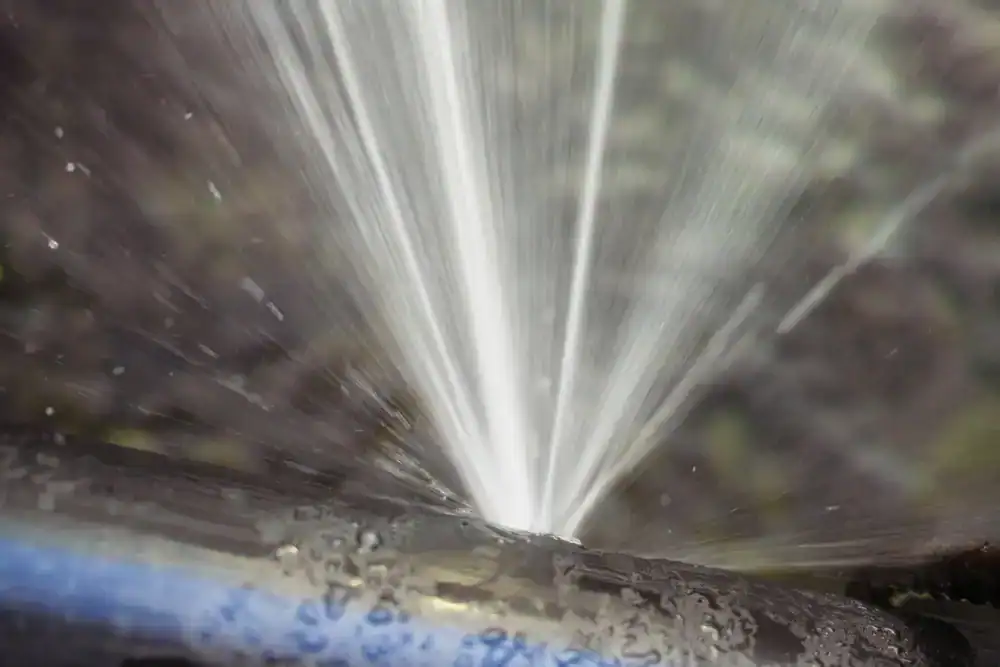
A burst pipe isn’t just a plumbing problem. Once water gets into the walls, the floor, or the substructure of your home, the real damage is happening out of sight. In Katonah’s older housing stock — a lot of it built or relocated before 1910 — water is moving through wall assemblies, horsehair plaster, and century-old framing that holds moisture differently than modern construction. The window for stopping mold growth is 24 to 48 hours. After that, you’re dealing with a much bigger project.
What you get when this is handled correctly isn’t just a dry room. It’s walls that are structurally sound, air quality that’s been tested, and documentation your insurance company will actually accept. For homeowners in Katonah’s historic district, that also means the work was done without disturbing asbestos-containing materials that are common in pre-1940 homes — pipe insulation, floor tiles, old joint compound. Skipping that step isn’t just risky. Under New York State law, it’s illegal.
The difference between a contained remediation and a months-long mold problem often comes down to who you call first and how fast they move. That’s the outcome worth thinking about before the emergency happens.
12 Years Serving Katonah and Northern Westchester. Every License That Matters.
We’ve been doing environmental restoration work in Westchester County for over 12 years, with deep expertise in the exact kind of homes that define Katonah — Victorian-era construction, older plumbing systems, pre-war wall assemblies, and buildings that carry real historical and financial value. We know what’s inside those walls in Katonah because we’ve opened them hundreds of times.
We hold a NYS Mold Remediation Contractor License, in-house asbestos abatement licensing through the NYS Department of Labor, and both NYS and NYC M/WBE certification — a government-audited credential that requires documented verification, not just an application fee. We’ve worked on contracts with the NYS Office of General Services, which means we’ve met procurement standards most private contractors never face.
For homeowners near the Katonah Historic District or out on the larger estate roads toward Cross River and Lewisboro, that depth of credentialing isn’t a formality. It’s what makes the difference between a job done right and a liability you find out about later.
From the Emergency Call to a Restored Room — Here's the Sequence
It starts the moment you call. Our 24/7 line is a dispatch line — not a voicemail, not a scheduling queue. A crew can be sent the same night. In a community like Katonah, where a burst pipe in an unoccupied estate property or a second home can go undetected for days, getting someone there fast is the single most important variable in controlling the scope of the damage.
Once on site, the first priority is stopping the water source and assessing the full extent of the intrusion — not just what’s visible, but what’s inside the walls, under the floors, and in the structural cavities. In Katonah’s pre-1940 homes, that assessment includes identifying any asbestos-containing materials before anything gets opened. This isn’t optional. New York State requires licensed abatement for any disturbance of these materials, and the Town of Bedford’s oversight of the historic district adds another layer of documentation that needs to be handled correctly from the start.
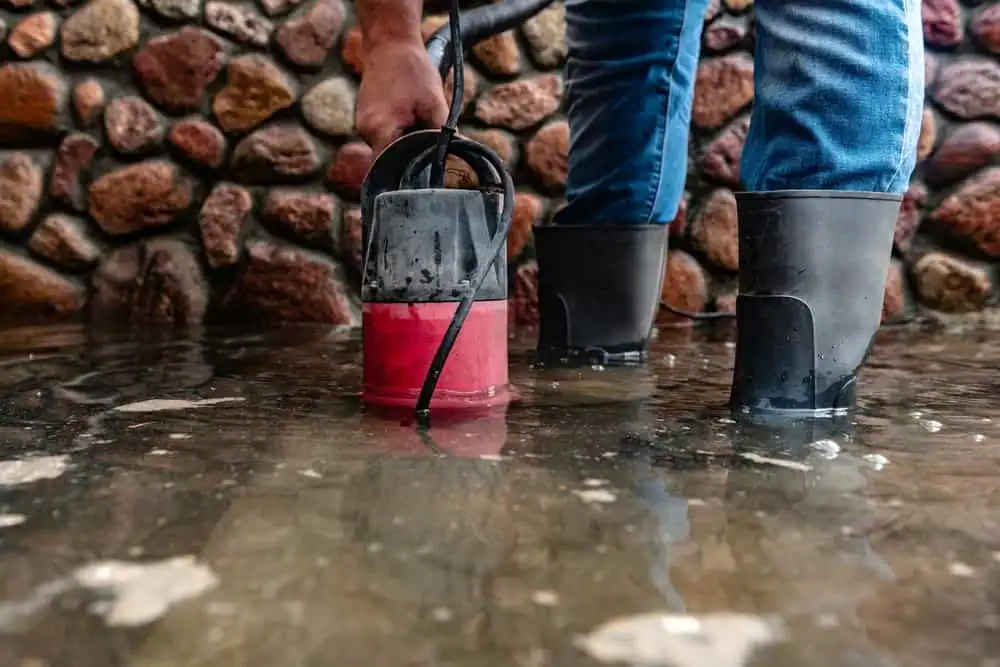
From there, the process moves through water extraction, industrial drying, mold remediation if needed, and finally reconstruction — all under one contractor. You don’t hand the project off to someone new when the dehumidifiers come out. We take it through to finished walls, restored floors, and a room that looks the way it did before. We also handle the insurance claim documentation throughout, so by the time the adjuster needs to see the file, it’s already built.
What's Included When Katonah's Housing Stock Is on the Line
Burst pipe restoration in Katonah isn’t a standard job, and our service reflects that. Because such a large share of homes here predate 1940 — many of them built or physically relocated during the period between 1895 and 1910 — the restoration process has to account for what those buildings are made of and how they behave when water gets in. That means asbestos screening and in-house abatement are built into the process, not added on as a separate contract with a separate timeline.
The full scope of service covers emergency water extraction, structural drying using industrial-grade equipment, air quality testing, mold remediation where needed, and complete reconstruction back to pre-loss condition. We also carry financing up to $200,000 at 0% APR — which matters when an insurance dispute delays payment, when a deductible is significant, or when the property is a secondary home and coverage works differently than a primary residence.
Every job is fully documented for insurance purposes throughout, not assembled after the fact. We work directly with all major carriers, handle adjuster communication, and advocate for your interests during the claims process. For homeowners in Katonah’s historic district or on the larger properties along the roads toward Cross River and Pound Ridge, that combination — licensed abatement, full reconstruction, and insurance handling under one roof — is what responsible restoration in this area actually looks like.
Does a burst pipe in a Katonah historic home require asbestos testing first?
If your home was built before 1980 — and in Katonah’s historic district, most were built before 1940 — the honest answer is yes, you should treat it as a real possibility until it’s ruled out. Asbestos was routinely used in pipe insulation, floor tiles, ceiling tiles, and joint compound throughout the early and mid-20th century. When a pipe bursts and walls need to be opened for remediation, disturbing those materials without proper abatement is a violation of New York State law under Article 32 of the Labor Law.
The practical issue isn’t just legal compliance. It’s that an unlicensed contractor who opens walls without screening first can disperse asbestos fibers through your home’s air system — creating a health hazard that’s far more expensive to address than the water damage that started the whole thing. Our in-house asbestos abatement capability means this gets handled as part of the restoration process, not as a separate project that stalls your timeline.
How quickly can mold start growing after a burst pipe in my Katonah home?
The EPA and FEMA both document that mold can begin colonizing wet building materials within 24 to 48 hours of a water intrusion event. That’s not a worst-case estimate — that’s the standard timeline under normal indoor conditions. In Katonah’s older homes, that window is more consequential than in newer construction because older wall assemblies retain moisture longer. Horsehair plaster, old-growth lumber framing, and dense insulation materials from the early 20th century don’t dry out the way modern drywall and fiberglass insulation do.
If you’re attempting to dry the damage with household fans or waiting to see if it resolves on its own, you’re gambling with a 48-hour clock inside a building that’s structurally more vulnerable to mold establishment than a modern build. Professional structural drying uses industrial dehumidifiers and air movers calibrated to the specific moisture readings in your walls — not a box fan pointed at a wet floor. The difference in outcome is significant, and so is the difference in what your insurance company will cover if the remediation wasn’t documented properly from the start.
Will my homeowners insurance cover burst pipe damage in Westchester County?
Most standard homeowners insurance policies in New York cover sudden and accidental water damage from a burst pipe — meaning the pipe failed unexpectedly, not because of gradual deterioration or deferred maintenance. The distinction matters, and insurance adjusters in Westchester County are experienced at identifying the difference. In Katonah’s older homes, where pipes may be galvanized steel installed decades ago, an adjuster may argue the failure was foreseeable rather than sudden. That’s where documentation from the first hours of the event becomes critical.
We document the damage in the format insurance carriers require — not assembled after the fact, but built throughout the process. We work directly with all major carriers and handle adjuster communication on your behalf. For homeowners whose claims are disputed or whose coverage has gaps, we also offer financing up to $200,000 at 0% APR so remediation can start immediately without waiting for the claims process to resolve. Delaying the start of remediation while a claim is being reviewed is one of the most common ways a manageable water damage job becomes a mold remediation project.
What is the risk of frozen pipes in Katonah compared to other Westchester towns?
Katonah sits in northern Westchester, inland and away from the moderating influence of Long Island Sound. That means it consistently experiences colder winter temperatures than communities in southern Westchester like Yonkers, Tarrytown, or Rye. Weather data confirms Katonah temperatures regularly drop into the low 20s and below during January and February — the range where pipes in unheated spaces become vulnerable. Exterior walls, crawl spaces, unheated basements, and vacation properties with minimal heat are the highest-risk locations.
The freeze-and-burst pattern is also worth understanding. Pipes often rupture during the freeze but aren’t discovered until the thaw — when water starts flowing again and the damage becomes visible. For owners of secondary or estate properties on the larger lots outside Katonah village, particularly toward Cross River and Lewisboro, this delayed discovery is common. A pipe that’s been leaking into a wall for two or three days before anyone notices is a much larger project than one caught within hours. That’s the practical argument for having a 24/7 emergency contact you trust before you need one.
Does Green Island Group handle both the remediation and the reconstruction after a burst pipe?
Yes — and this distinction is more important than it might seem. Most restoration companies stop at remediation. They extract the water, run the drying equipment, and hand the project off to a general contractor for reconstruction. In Katonah’s historic homes, that handoff creates a real problem. The homeowner now has to find, vet, and manage a second contractor who may not be familiar with the building’s historic character, its materials, or the documentation requirements that apply to work in a designated historic district under the Town of Bedford’s oversight.
We handle the full arc — from emergency water extraction through finished reconstruction. The project ends when the room is restored to pre-loss condition, not when the walls are open and the dehumidifiers are packed up. That single-contractor model also means the insurance documentation is continuous and consistent throughout, which makes the claims process significantly cleaner. For homeowners managing a Victorian-era property in Katonah’s historic district, not having to coordinate two separate contractors through a weeks-long project is a meaningful practical advantage.
How does Green Island Group's financing option work for burst pipe repairs?
We offer financing up to $200,000 at 0% APR for restoration work. In a community like Katonah — where home values regularly exceed $680,000 and the scope of remediation in an older home can be substantial — this option exists for situations where the insurance process creates a timing gap. Claims take time to resolve. Adjusters dispute scope. Deductibles can be significant. Waiting on any of those variables while water sits in your walls is how a contained remediation becomes a mold remediation project.
The financing is also relevant for owners of secondary properties or estate homes in the Katonah area where coverage may work differently than a primary residence policy. If you need to start the job immediately to protect the property — and the financial picture around the claim isn’t settled yet — the 0% APR option means you’re not choosing between protecting your home and managing your cash flow. The remediation starts when it needs to start, which is almost always as soon as possible.