Nyack's Older Homes Don't Leave Room for a Slow Response
When a pipe lets go inside a century-old Victorian on North Broadway, every hour matters — we respond 24/7 and handle everything from water extraction to full reconstruction.
I needed a professional consultation explanation of procedure for safe removal of Asbestos in my apartment complex. Without having an account yet, I was very impressed with the caring, knowledgeable and generous advice offered by Jessica, and will look forward to doing business in the future. Thank you so much! I feel much more informed about a sometimes scary endeavor. Peace. Nancy Silva Mineola, NY.
Mia Munoz
Used this company to clean up some water flood in my house. They were fast and easy to work with.very professional, Would recommend to anyone!
Nini Valle
Great company, had a flood and they responded quickly and efficiently. Billed my insurance company directly. I highly recommend this company!
joe colapietro, jr
I had pipe freeze in my basement right before a snow storm and they made to within an hour to help start the clean up process. They we by our side throughout the entire process and even helped with the insurance company. They did such a great job with the cleanup, repair, remidiation, I contracted them to perform the repairs and finishes in the basement. They came with enough manpower and material to get the job done. Leo and Jessica were nothing but a pleasure to deal with!!
Cristian Arredondo c
I had some water damage in my home and Green Island was able to take care of my issue quickly and effectively. I am very pleased with the work they did. They responded quickly and were very professional.
Michael M
Outstanding service! From the office to the field crew everyone was friendly, helpful and responsive. I highly recommend Green Island Group.
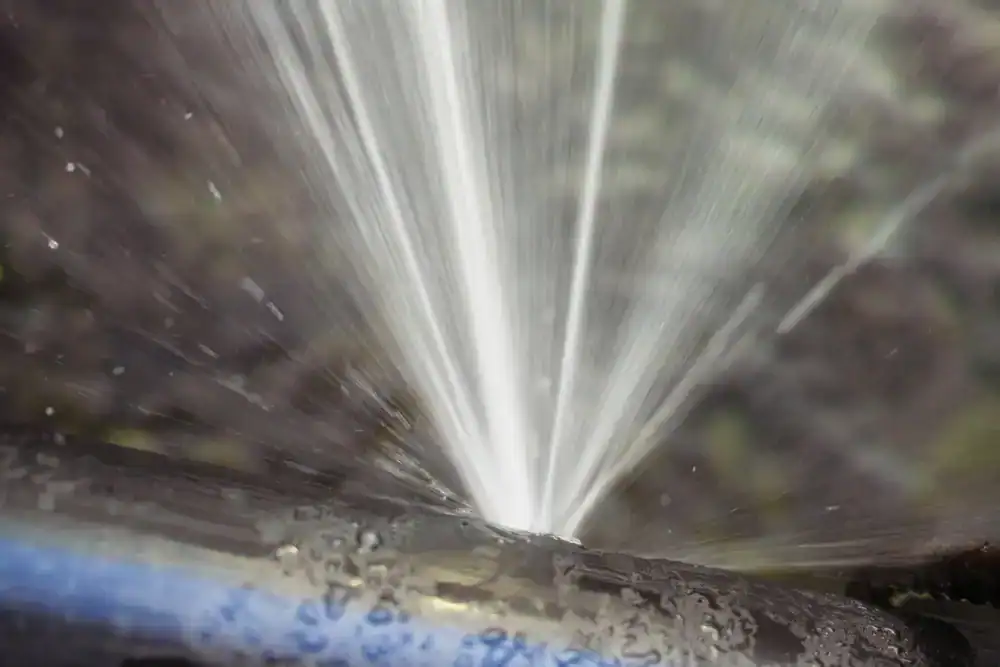
A burst pipe in Nyack isn’t just a plumbing problem. It’s water inside plaster walls that have been standing since the 1880s, soaking into original hardwood floors, wicking into brick masonry, and creeping toward materials that were never meant to get wet. The visible damage is almost never the full picture — and in a home this old, what’s hidden behind the walls is usually what costs you the most.
The EPA and FEMA both document that mold can begin growing on wet building materials within 24 to 48 hours. In Nyack’s older housing stock, that timeline hits harder than it does in a newer build. Thick horsehair plaster, old-growth wood framing, and the kind of dense materials that made these homes last 100-plus years also hold moisture longer and deeper than modern drywall ever would. Surface drying doesn’t cut it here.
When the job is done correctly, you’re not just getting dry walls. You’re getting calibrated moisture mapping that confirms what’s actually dry — not just what looks dry. You’re getting a home that’s been properly cleared of hidden moisture before reconstruction begins, so you’re not reopening walls six months later because mold found the spot we missed. For Nyack homeowners who’ve invested in a property with real architectural character, that outcome is the only acceptable one.
Twelve Years Serving Nyack and Rockland County — We Still Answer at 2 AM
We’ve been doing restoration work in Rockland County for over 12 years, with deep experience in Nyack’s specific conditions: Victorian plaster walls, crawl spaces under 19th-century foundations, the elevated ambient humidity that comes with sitting directly on the Hudson River, and the flooding that Main Street sees more often than most residents would like. Our crews know what a burst pipe looks like when it happens inside a home built in 1875, and we know how to handle it.
We’re NYS and NYC M/WBE Certified — a government-audited credential, not a self-designated badge. We hold a NYS mold remediation contractor license, carry full liability insurance and workers’ compensation, and have a documented working relationship with the NYS Office of General Services. These aren’t things every restoration company serving Nyack can say.
What actually sets us apart in this market is the scope. We handle the full job — emergency response, water extraction, structural drying, mold remediation, asbestos abatement, and complete reconstruction — under one roof. No handoffs. No second contractor. One company accountable for the finished result.
From the Emergency Call to a Finished Room — Here's Our Process
It starts with the call. Our emergency line is live 24 hours a day, seven days a week — so when a pipe lets go on a January night and you’re watching water spread across original hardwood floors, you’re not leaving a voicemail and hoping someone calls back in the morning. A crew gets dispatched, and the clock stops running against you.
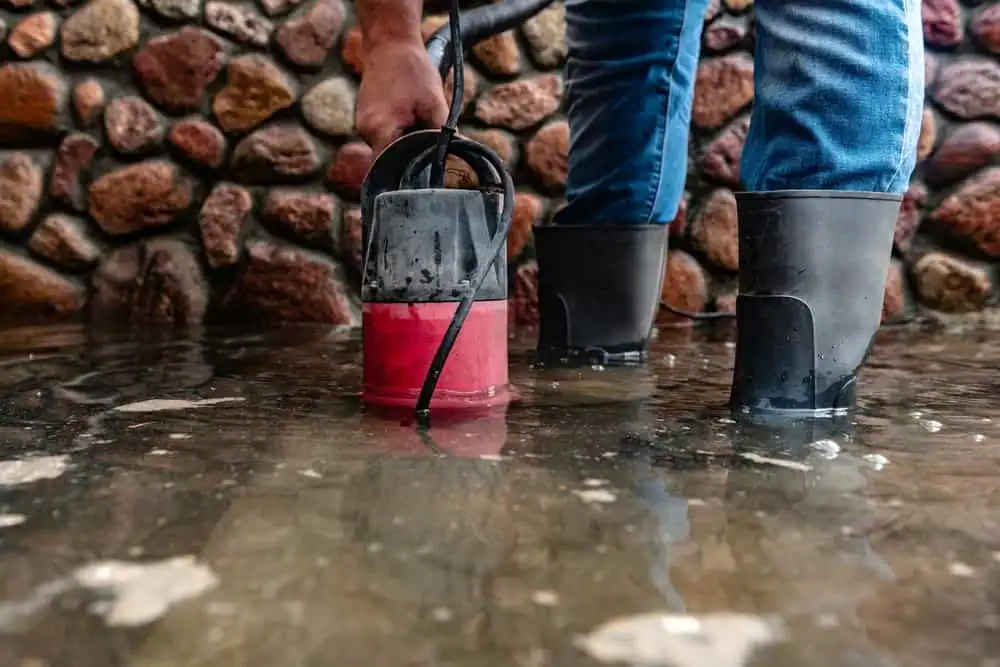
When our team arrives, the first priority is stopping active water intrusion and beginning extraction. From there, industrial drying equipment goes in and moisture mapping begins — not just on the visible surfaces, but inside wall cavities, under flooring, and in any structural area where water could have traveled. In Nyack’s older homes, this step is especially important. Water moves differently through plaster and brick than it does through modern construction, and the only way to know what’s actually dry is to measure it.
If the assessment turns up asbestos-containing materials — which is a real possibility in any Nyack home built before 1980 — we handle abatement in-house. That means no delay waiting for a separate contractor, no gap in the project timeline, and no situation where remediation stalls because the abatement piece hasn’t been coordinated. New York State requires licensed abatement under the Asbestos Safety and Training Program, and that requirement doesn’t pause while you find someone else to do it. Once the structure is confirmed dry and clear, reconstruction begins — and our goal is returning the space to the condition it was in before the pipe failed.
Every Condition Nyack Throws at a Home — We Cover It
Burst pipe repair in Nyack isn’t a one-size service. The village’s compact footprint, dense Victorian housing stock, and riverfront position create a specific set of conditions that restoration work here has to account for. Homes along North Broadway and the streets surrounding downtown Nyack are some of the oldest in Rockland County — and they come with original or near-original plumbing systems, pre-1980 building materials, and structural configurations that require a more careful, more experienced approach than a newer suburban build would.
Our scope covers every phase of what a burst pipe event actually involves: emergency water extraction, structural drying with moisture verification, mold remediation under New York State’s Article 32 licensing requirement, asbestos abatement for pre-1980 materials, and full reconstruction to pre-loss condition. We also work directly with insurance carriers — documenting damage, handling claims paperwork, and advocating for you throughout the process so you’re not spending your evenings on hold with an adjuster while also managing a disrupted household.
For homeowners whose coverage is disputed, delayed, or who are facing a high deductible, we offer financing up to $200,000 at 0% APR. That means remediation can start immediately — before the mold window closes — without requiring you to come up with the full cost upfront while the insurance process works itself out. In a village where a meaningful portion of the housing stock is more than 80 years old and where winter freeze events can rupture pipes that have been operating well past their service life, having that option available isn’t a minor detail.
Does homeowners insurance actually cover burst pipe damage in Nyack, NY?
In most cases, yes — but the details matter. Standard homeowners insurance policies in New York typically cover sudden and accidental water damage, which includes a burst pipe. What they often exclude is damage resulting from a slow leak that went undetected over time, or from a pipe that failed due to lack of maintenance. The distinction matters because insurance adjusters will look at the cause of the failure, not just the damage.
For Nyack homeowners in older properties, this is worth paying attention to. Galvanized steel pipes — common in homes built before the 1960s — have a functional lifespan of 40 to 70 years. If an adjuster determines that a pipe failure was the result of long-term corrosion rather than a sudden event, coverage can be disputed. We document damage in the format adjusters require and work directly with carriers throughout the claims process, which makes a real difference when the scope of loss is significant and the policy language is open to interpretation.
How fast does mold actually grow after a burst pipe, and why does it matter?
The EPA and FEMA both document that mold can begin growing on wet building materials within 24 to 48 hours of a water intrusion event. That’s not a worst-case scenario — that’s the standard timeline under normal indoor conditions. In Nyack’s older homes, the risk is amplified because the materials involved are more porous and moisture-retentive than modern construction. Horsehair plaster, old-growth wood framing, and original insulation hold water longer and deeper, which means the conditions for mold growth persist even after the surface appears dry.
What this means practically is that the gap between when a pipe bursts and when remediation starts has a direct impact on the scope and cost of the job. A burst pipe that gets addressed within a few hours is a water damage event. The same pipe left unaddressed for two or three days can become a mold remediation project on top of the water damage — with a significantly larger bill and a longer timeline to get the home back to normal. Our 24/7 emergency response exists specifically because that window is real.
Do I need an asbestos inspection before burst pipe repair in an older Nyack home?
If your home was built before 1980, it’s worth taking seriously. Buildings constructed before the 1980s routinely contain asbestos in pipe insulation, floor tiles, ceiling tiles, joint compound, and roofing materials — and Nyack’s housing stock is heavily concentrated in that era. The Edward Hopper birthplace on North Broadway dates to 1858. The John Green House was built in 1819. A large share of the village’s residential properties fall somewhere in that range, and many have had only partial updates over the decades.
New York State regulates asbestos abatement under the Asbestos Safety and Training Program administered by the NYS Department of Labor. Contractors performing abatement must be licensed, and individual workers must hold asbestos handler or supervisor certifications. If a restoration crew opens walls in a pre-1980 Nyack home without first assessing for asbestos, they risk disturbing regulated materials — which creates a legal exposure for both the contractor and the homeowner. We handle abatement in-house, so this step is built into the process rather than treated as a separate problem to solve later.
What's the difference between a plumber and a water damage restoration company?
A plumber fixes the pipe. A restoration company handles everything that happens after the water has already been inside your walls, floors, and structure. These are two different scopes of work, and confusing them is one of the most common mistakes homeowners make in the immediate aftermath of a burst pipe.
Once the pipe is repaired and the water supply is back under control, the actual remediation work begins — and that’s where most of the cost and complexity lives. Water extraction, structural drying, moisture mapping, mold assessment, asbestos evaluation in older homes, and reconstruction all fall outside what a plumber is equipped or licensed to handle. In Nyack, where a burst pipe in a Victorian home can mean water inside 100-year-old plaster walls and original hardwood floors, the restoration phase is often more involved than the repair itself. We handle the full scope after the plumber has done their part — or can coordinate the entire response from the emergency call forward.
How long does burst pipe water damage restoration take in Rockland County?
The honest answer is that it depends on what the moisture mapping turns up. A straightforward water damage event in a modern home might be dried and ready for reconstruction in three to five days. A burst pipe in a Nyack Victorian with water inside plaster walls, under original hardwood floors, and potentially in a basement with a brick foundation can take longer — because the drying process has to be verified, not estimated.
Industry standard drying time is typically three to five days for residential properties, but that assumes the affected area is limited and the materials dry at expected rates. Older, denser materials like horsehair plaster and old-growth wood can retain moisture longer. If asbestos abatement is required — which is a real possibility in Nyack’s pre-1980 housing stock — that adds time before reconstruction can begin. Reconstruction itself depends on the scope of damage. We provide a clear assessment early in the process so you know what you’re looking at on timeline and cost before work proceeds.
Can Nyack's Main Street flooding affect my home's basement or foundation?
Yes, and it’s more common than many residents realize. Nyack has a documented history of Main Street flooding — water rushing down the village’s east-west streets during heavy rain events, filling basements and in some cases reaching first floors. The village’s position directly on the Hudson River means that significant storm events can combine surface runoff with riverfront surge in ways that inland towns simply don’t experience. Coastal flood warnings for the Rockland County waterfront have been issued in connection with Hudson Valley storms, with inundation above ground level documented in vulnerable areas near the shoreline.
For homeowners in the downtown corridor and on streets that run toward the river, basement water intrusion from flooding is a separate risk from burst pipes — but the remediation process is similar, and the same 24 to 48 hour mold window applies. We handle storm-related water intrusion, basement flooding, and foundation seepage alongside burst pipe response, which means if you’re dealing with a combination of events — a freeze-thaw cycle that bursts a pipe on the same week a storm pushes water into your basement — you’re not managing two separate contractors. One call covers it.